 Pregledaj u prostoru
 Pošalji
 Podeli
 Detalji o delu

 Преузми
 Slični predmeti
 Rendgenski snimak
 Slajdovi
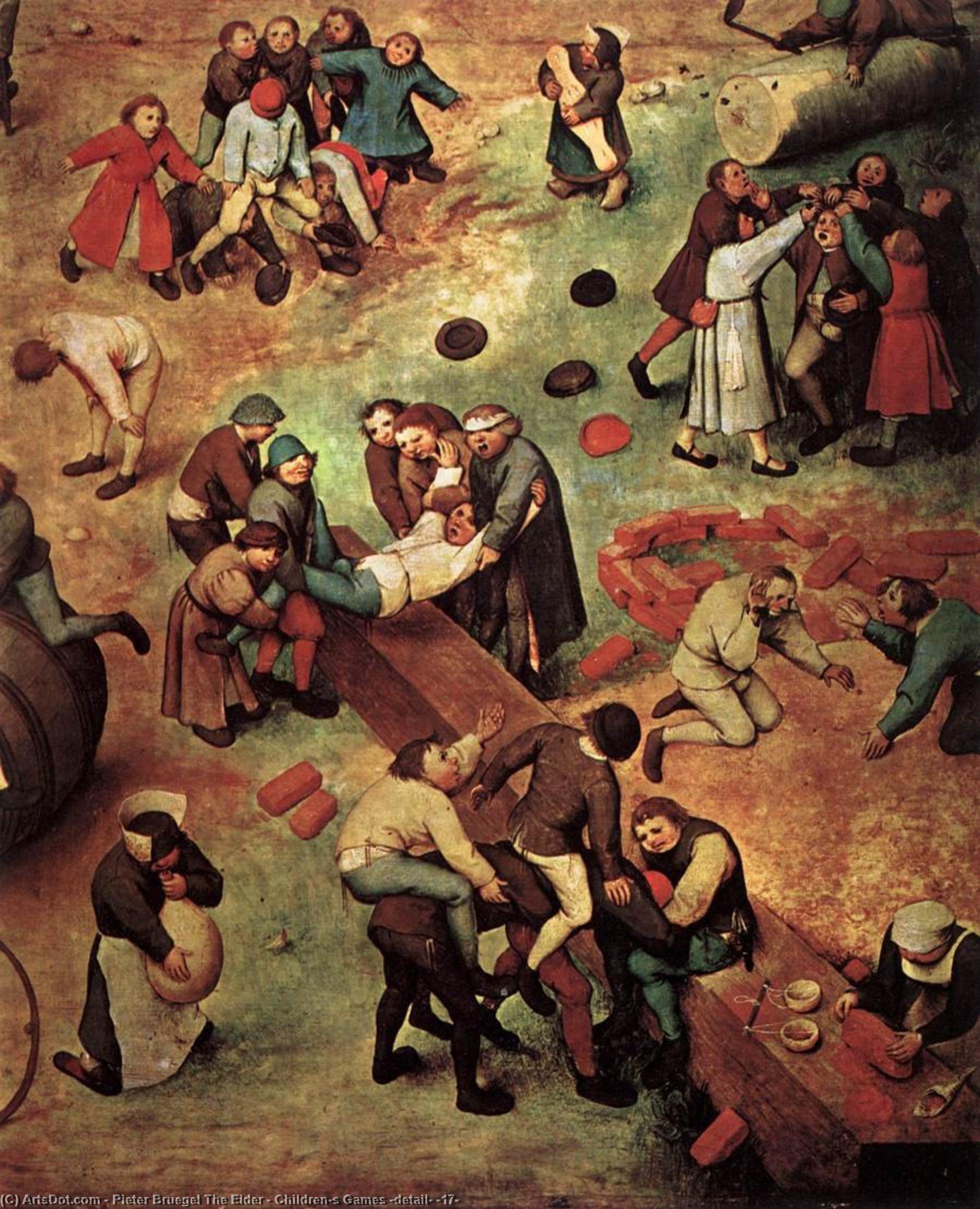
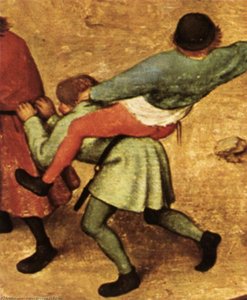
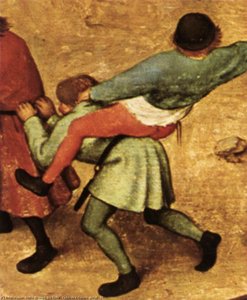
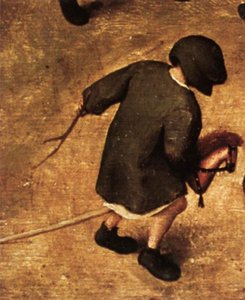
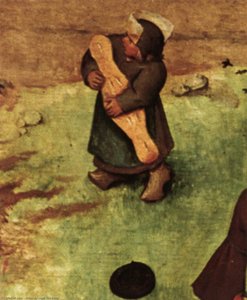
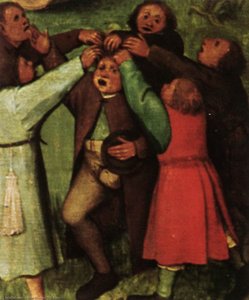
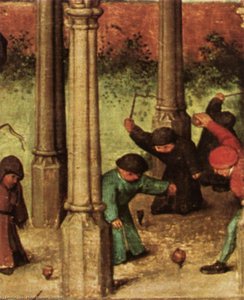
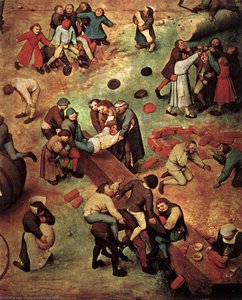
Дечије игре (детаљ) (17)


 Pročitaj više
Giclee štampa / Umetnički otisak
Giclée štampa ili print na platnu muzejskog kvaliteta uz brzu proizvodnju i fleksibilne opcije završne obrade. ( Kupi ručno naslikanu sliku Kupi digitalnu sliku)




P118B $10

P118H $10

P118W $10

P438Z $10

P508JH $12

P508YH $12

P805H $10

P805Z $10

P919BZ $10

P919G $10

P919XJ $10

P959ZH $10

P968JZ $12

W106C $8

W218G $10

W218JH $8

W218Y $10

W307PJ $10

W316G $10

W316PJ $8

W316Y $10

W398PJ $8

W4111J $10

W500HY $15

W500JH $15

W692G $12

W849H $8

W940BG $15

W953PJ $8




Izaberite jednu od naših unapred definisanih veličina koje odgovaraju originalnim proporcijama umetničkog dela.

Možete uneti sopstvene dimenzije kako biste umetničko delo prilagodili specifičnom okviru ili prostoru. Ako odabrani format ne odgovara proporcijama originalne slike, mi ćemo ili iscrtati deo dela ili proširiti sliku pomoću ogledane ivice ili jednobojnog popunjavanja. Digitalni prikaz će vam biti poslat na odobrenje pre početka proizvodnje.
Imajte na umu da pregled na ekranu ne odražava stvarno iscrtavanje ili proširivanje. Samo će prikaz (mockup) precizno pokazati finalnu kompoziciju.
Iako su prilagođene dimenzije dostupne, preporučujemo da odaberete dimenziju sa unapred definisane liste kako biste očuvali originalne proporcije.
Dostava širom sveta () za 2 nedelje umesto uobičajenih 4/5 nedelja. (24 август)

Besplatna ekspresna dostava širom sveta

Visokokvalitetno laneno platno

Kompletno osiguranje transporta

Garancija povraćaja carine i uvoznih dažbina

Garancija vernosti boja

Politika povrata u roku od 60 dana (samo u slučaju nedostataka)

Garancija povrata novca od 100%

Popust pri grupnoj kupovini
 Opcija sa staklom dostupna je samo za dimenzije manje od 110 cm

Дечије игре (детаљ) (17)
Giclee štampa / Umetnički otisak
Dimenzije reprodukcije
-


Konačna cena
$ 62
Opis predmeta
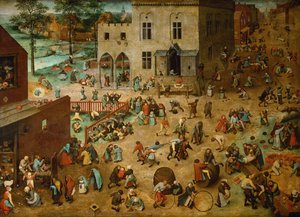
Snimak renesansnog detinjstva: Bruegelove „Dečije igre”
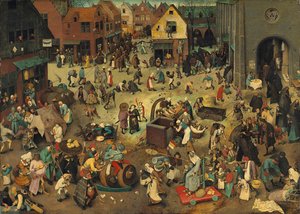
Delo Pitera Bruegela Mlađeg, „Dečije igre (detalj) (17)”, nije samo prikaz dece u igri; to je živopisna, gotovo nadmoćna, slika života šesnaestog veka, zabeležena sa zapanjujućim detaljima i prožeta dubokim osećajem posmatranja. Naslikan 1560. godine i danas smešten u Umetnostistorijski muzej u Beču, ovaj panel nudi redak uvid u slobodne aktivnosti običnog naroda tokom turbulentnog perioda koji je prethodio Reformaciji. Bruegel je majstorski izbegao idealizovane portrete koje su favorizali njegovi italijanski savremenici, odlučivši se umesto toga da prikaže užurbano uličnu scenu ispunjenu neurednom, radosnom stvarnošću detinjstva – odlukom koja je učvrstila njegovo mesto ključne figure u umetnosti severnog renesansnog doba.
Razvijanje scene: Kompozicija i detalji
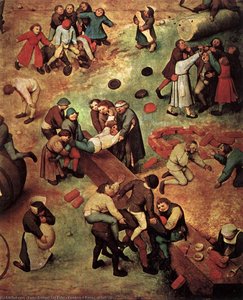
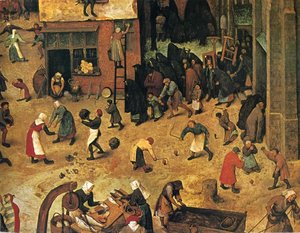
Ono što posmatrača odmah pogađa jeste sama gustina figura unutar slike. Bruegel je pedantno prikazao preko devedeset različitih igara i aktivnosti, od jednostavne igre štapom i loptom do složenijih poduhvata poput rvanja, okretanja zebre i čak lažnog bojevničkačkih dvobojima sa minijaturnim konjima. Kompozicija nije kruto strukturirana; ona deluje izuzetno organski, odražavajući haotičnu energiju stvarne ulične scene. Primetićete kako su deca rasuta po panelu – neka su aktivno uključena u svoje igre, neka samo posmatraju, dok se još neka jednostavno odmaraju ili komuniciraju sa odraslima. Uključivanje nekoliko konja dodaje još jedan sloj narativu, sugerišući da je ovo specifično mesto moglo služiti kao popularno mesto za jahanje, čime se dodatno obogaćuje osećaj zajedništva i zajedničkog iskustva.
Bruegelova inovacija: Pejzaž i seljački život
„Dečije igre” predstavljaju značajno odstupanje u Bruegelovom umetničkom pristupu. Pre ovog dela, slike velikih dimenzija su uglavnom bile rezervisane za religiozne ili mitološke teme. Bruevanje je hrabro pomerio fokus na svakodnevni život – konkretno, na živote seljaka i običnog naroda – podižući ove teme na nivo ozbiljnog umetničkog razmatranja. Ovaj odvažan potez bio je revolucionaran u to vreme, utičući na generaciju slikara holandskog zlatnog doba koji su krenuli njegovim tragom. Njegova sposobnost da uhvati ne samo vizuelni izgled, već i društvenu dinamiku i atmosferu ovih scena, zaista je izuzetna. Realizam slike, u kombinaciji sa Bruegelovom suptilnom upotrebom svetlosti i senke, stvara neverovatno prožimajuće iskustvo za posmatrača.
Simbolika i emocionalna rezonanca
Pored svoje tehničke briljantnosti, „Dečije igre” duboko odjekuju na emocionalnom nivou. Slika beleži prolazni trenutak neiskrene radosti i nevinosti – vreme pre nego što su složenost i anksioznost odraslog doba prodrli u detinjstvo. Lica dece svetle od smeha i uzbuđenja, odražavajući istinski osećaj slobode i razigranosti. Iako su neki naučnici tumačili ovu scenu kao komentar na prolaznu prirodu života ili čak suptilnu kritiku društvenih ograničenja, podjednako je moguće jednostavno uživati u njoj kao u slavljenju samog detinjstva. Trajna privlačnost ove slike leži u njenoj sposobnosti da izazove snažnu nostalgiju za jednostavnijim vremenima i podseti nas na važnost čuvanja trenutaka radosti i povezanosti.
ArtsDot nudi pedantno izrađene reprodukcje uljanih slika „Dečije igre (detalj) (17)”, omogućavajući vam da ovo kultno remek-delo unesete u svoj dom ili kancelariju. Svaka reprodukcija je stvorena od strane veštih umetnika koji su pažljivo proučili originalnu Bruegelovu tehniku, osiguravajući da svaki detalj – od suptilnih nijansi boje do zamrštenih tekstura – bude verno reprodukovan. Bilo da ste ljubitelj umetnosti, kolekcionar ili jednostavno tražite zadivljujući komad dekoracije, naše reprodukcije pružaju prelepu i autentičnu predstavu ovog izuzetnog dela.
Srodna umetnička dela
Biografija umetnika
Pieter Bruegel the Elder (c. 1525-1569): Renaissance Master of Landscapes & Peasant Life
Pieter Bruegel the Elder emerged during a period of profound change, a time when the artistic landscape of Europe was shifting from the High Renaissance ideals of Italy towards the burgeoning complexities of Northern European expression. Born sometime between 1525 and 1530, likely in Breda – though details surrounding his early life remain somewhat elusive – Bruegel’s formative years unfolded amidst religious upheaval and a flourishing merchant culture. He began his artistic journey around 1545 as an apprentice to Pieter Coecke van Aelst, a respected Antwerp painter known for both his artistry and his designs for tapestries. This apprenticeship provided Bruegel with a solid grounding in the technical skills of oil painting and drawing, but perhaps more importantly, it exposed him to the humanist currents that were beginning to permeate intellectual circles. Van Aelst’s workshop was not merely a place of artistic instruction; it was a crucible where traditional techniques met new ideas, shaping Bruegel's future vision.Early Influences & Artistic Training
Bruegel’s initial artistic training took place under the tutelage of Pieter Coecke van Aelst, a figure who embodied the spirit of Antwerp’s artistic dynamism during this transitional era. Van Aelst’s workshop wasn’t simply focused on mastering painting; it fostered an environment where artists wrestled with emerging humanist philosophies and experimented with innovative compositional strategies. This exposure to humanist thought – particularly the emphasis on observation and rational analysis – would profoundly influence Bruegel's subsequent artistic endeavors. Furthermore, he honed his skills in drawing and etching, disciplines that complemented his painting practice and broadened his artistic repertoire. The Antwerp Guild of Saint Luke recognized Bruegel’s talent early on, granting him admittance as a free master in 1553 – a pivotal moment signifying his professional independence and establishing him as a respected artist within the city's thriving artistic community.Travels & Transformation: Exploring Diverse Cultures
Following his apprenticeship, Bruegel embarked on extensive travels that would irrevocably shape his artistic worldview. Between 1551 and 1553, he ventured into France, Switzerland, and Italy – journeys undertaken not merely for pleasure but as expeditions of intellectual and sensory exploration. These explorations yielded invaluable insights into the artistic traditions of other European nations, particularly Italy, where he encountered the monumental works of Leonardo da Vinci and Michelangelo. However, Bruegel’s artistic temperament remained distinctly Northern European; he didn't simply emulate Italian styles but rather absorbed their influence while retaining his own unique sensibility. The Alps captivated him with their dramatic grandeur, informing the compositional structure and atmospheric perspective found in many of his later landscapes. He meticulously documented these vistas, capturing both their beauty and their inherent complexity—a characteristic that would define his artistic legacy.A Revolutionary Vision: Landscapes Beyond Imitation
What distinguished Bruegel from his contemporaries was his audacious departure from prevailing artistic conventions. While Renaissance painters often idealized nature – striving to represent it in an aesthetically pleasing manner – Bruegel confronted it head-on, portraying it with unflinching realism and a keen awareness of its inherent contradictions. He rejected the notion that art should merely reflect beauty; instead, he sought to illuminate truth—often uncomfortable truths—about human existence and the natural world. His landscapes weren’t simply decorative backgrounds; they were active participants in the narrative, imbued with symbolic meaning and reflecting a deep understanding of nature's power and vulnerability. Consider Landscape with the Flight into Egypt: Bruegel doesn’t depict the biblical scene as a serene pilgrimage but rather presents it as a perilous journey through wintry terrain—a subtle commentary on the challenges faced by pilgrims throughout history.Iconic Masterpieces & Enduring Influence
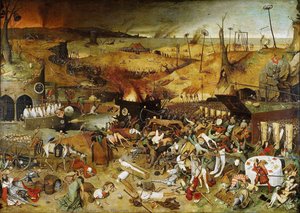
Bruegel's artistic output produced some of the most recognizable and influential images of the sixteenth century. Paintings like The Triumph of Death – a terrifying depiction of mortality populated by grotesque figures—and Peasant Wedding – a vibrant celebration of rural life brimming with detail and humor—remain enduring symbols of Northern Renaissance art. These works stand apart from many of their contemporaries due to Bruegel’s masterful use of chiaroscuro—the dramatic interplay of light and shadow—which lends depth, realism, and emotional resonance to his compositions. His scenes weren't necessarily didactic; they were honest observations, capturing both the joys and sorrows inherent in human experience. Furthermore, Bruegel’s influence extended far beyond painting, inspiring artists across disciplines – including printmakers and filmmakers – who sought to capture the spirit of his time. He cemented his place as one of the foremost figures in art history—a testament to his unwavering commitment to artistic innovation and his profound understanding of the human condition.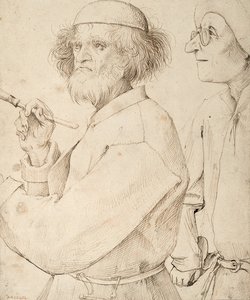
Пијетр Бругел Старији
1525 - 1569 , Није спецификовано
Osnovne informacije
- Artistic Movement Or Style: Renaissance painting
- Artists Who Influenced This Artist: ['Hieronymus Bosch']
- Date Of Birth: c. 1525
- Date Of Death: 1569
- Full Name: Pieter Bruegel the Elder
- Nationality: Flemish
- Notable Artworks:
- Landscape with the Flight into Egypt
- The Triumph of Death
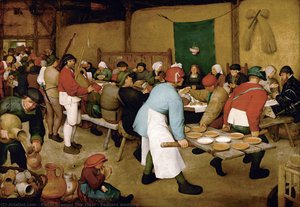
- Peasant Wedding
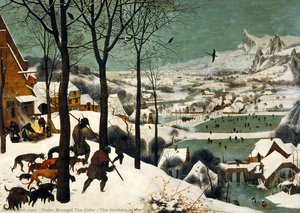
- Hunters in the Snow
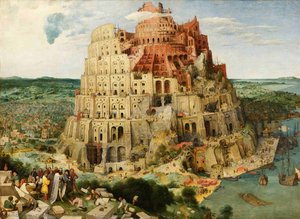
- The Tower of Babel
- Place Of Birth: Breda, Netherlands
Povezani članci
Pixelated Prestige: Exploring Scarcity, Value, and Cultural Impact in Limited Edition Gaming Paintings
Explore the world of limited edition gaming paintings! Discover investment strategies, artist insights & preservation tips for collectors. Trusted expertise in rare video game art.
Iznad Piksela i Igre: Estetski i Identitetski Značaj Gejming Umetnosti za Modernog Kolekcionara
Istražite svet gejming umetnosti! Ekskluzivna analiza kolekcionarskih predmeta, trendova i investicionih mogućnosti. Saveti stručnjaka za modernog kolekcionara.
Pixel & Palette: Exploring the Artistic Craftsmanship of Hand-Painted Game Universes and the Artists Who Bring Them to Life
Explore the artistry of hand-painted game universes! Discover techniques, artists & history behind this unique style. Expert insights for collectors & developers.
Pikseli na trotoaru: Estetska revolucija video igara i savremena vizuelna kultura
Istražite kako su video igre revolucionirale vizuelnu kulturu i uticale na umetnost, modu i dizajn. Analiziramo trendove, estetiku indie igara poput Limbo i budućnost interaktivnog stila.
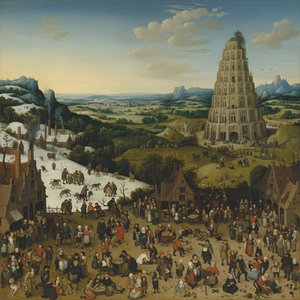
Pieter Bruegel the Elder: A Master of Genre, Landscape & Social Commentary
Explore the life & art of Pieter Bruegel the Elder, a pivotal figure of the Renaissance. Discover his groundbreaking genre scenes, symbolic landscapes, and lasting influence on art history. Learn more at ArtsDot.