

 Pregledaj u prostoru
 Pošalji
 Podeli
 Detalji o delu

 Преузми
 Slični predmeti
 Rendgenski snimak
 Slajdovi
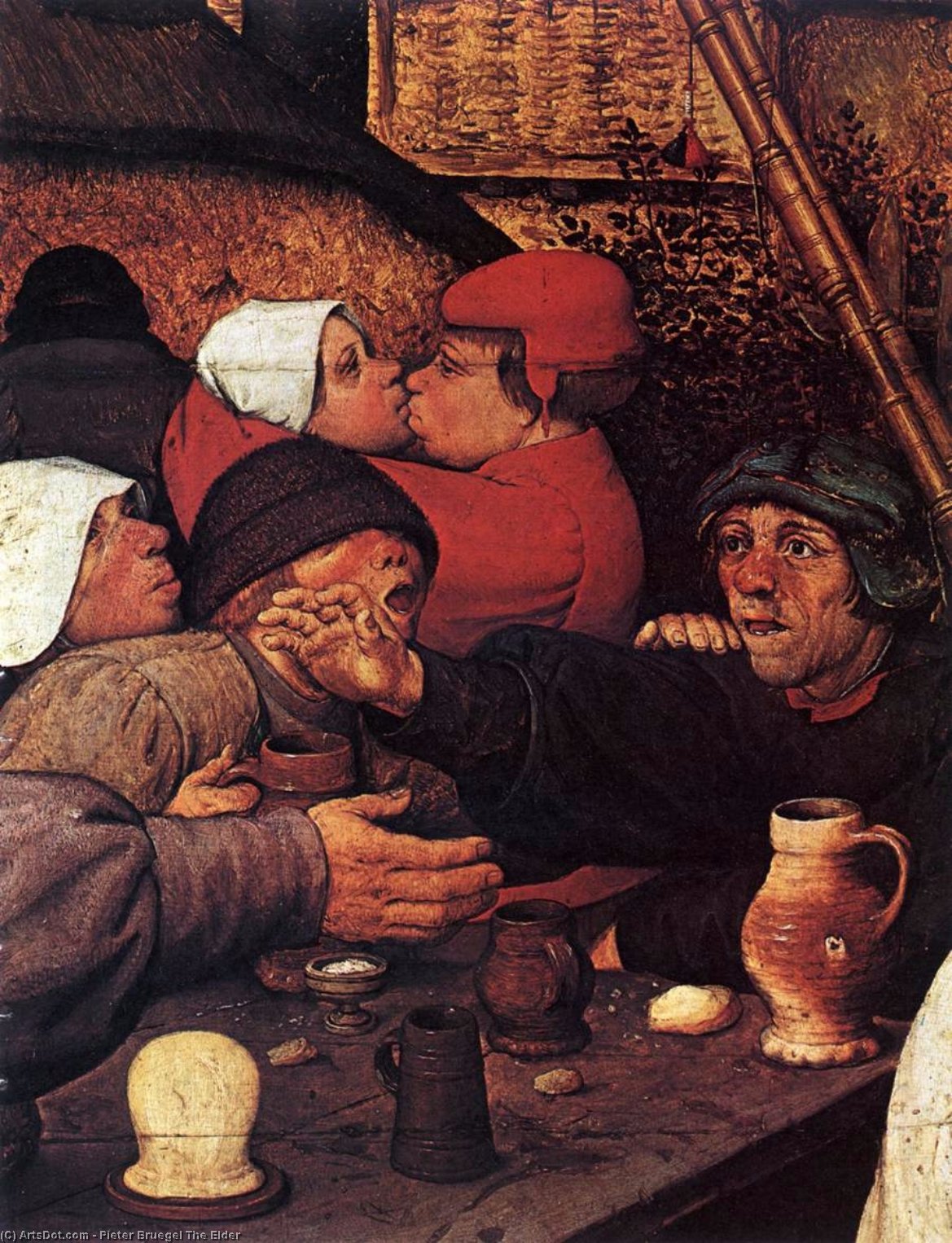
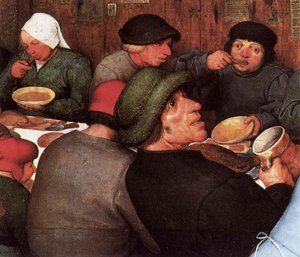
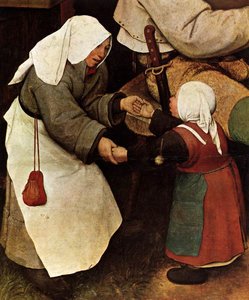
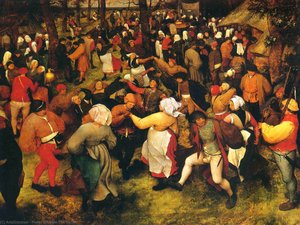
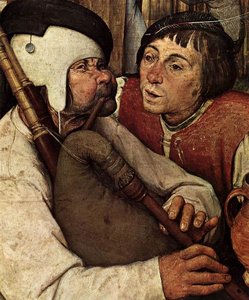
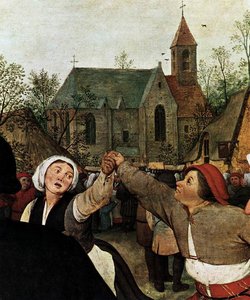
The Peasant Dance (detail)


 Pročitaj više
Kupite digitalnu sliku visoke rezolucije i poboljšanog kvaliteta, koja je znatno superiornija od onoga što vidite u online prikazu.
Svaka datoteka je pedantno pripremljena od strane naših stručnjaka koristeći napredne alate i profesionalnu ručnu retušu. Osiguravamo da svaka slika ima izuzetnu oštrinu, preciznu reprodukciju boja i fine detalje.
Konačna datoteka se dostavlja putem e-pošte u roku od 72 sata, optimizovana za neposrednu upotrebu u profesionalnim, izdavačkim i štamparskim okruženjima. To je isti kvalitet kojem veruju vrhunski studiji dizajna, izdavači i galerije.
Digitalna slika
Preuzmite datoteku visoke rezolucije za ličnu upotrebu, štampanje i kreativne projekte. ( Kupi print Kupi ručno naslikanu sliku)
Uključeno uz svaku porudžbinu digitalne slike
Profesionalna digitalna isporuka, zagarantovana
Kada odaberete ArtsDot.com, ne dobijate samo sliku – vi primate profesionalno unapređeno digitalno umetničko delo, izrađeno sa najvećom preciznošću i uz garanciju zadovoljstva. Evo svega što automatski dolazi uz vašu porudžbinu:

Brza dostava putem e-pošte
Vaša digitalna slika visoke rezolucije biće vam poslata putem e-pošte u roku od 72 sata od poručivanja – spremna za trenutnu upotrebu.

Digitalna datoteka unapređena veštačkom inteligencijom
Vaše umetničko delo je profesionalno optimizovano korišćenjem naprednih AI alata i ručne obrade, čime se osiguravaju maksimalni detalji, oštrina i preciznost boja.

Besplatna ponovna isporuka doživotno
Slučajno ste obrisali ili izgubili svoju datoteku? Ne brinite – poslaćemo vam je ponovo u bilo kom trenutku, potpuno besplatno.

Bez troškova uvoza – zauvek
Uživajte u svojim umetničkim delima trenutno, bez carine, dažbina ili troškova dostave – digitalni download je uvek bez poreza.

Garancija vernosti boja
Uz pomoć profesionalnih alata i upravljanja bojama, osiguravamo da vaša digitalna slika što vernije odražava originalne boje.

Garancija zadovoljstva u roku od 60 dana
Ako niste zadovoljni svojom digitalnom slikom, revidirat ćemo je ili vratiti 100% novca u roku od 60 dana – bez ikakvih pitanja.

100% garancija povrata novca
Niste zadovoljni? Obezbedite pun povrat novca u roku od 60 dana od trenutka kada ste primili svoju digitalnu datoteku – bez suvišnih pitanja.

Popusti na velike porudžbine
Kupite 3 slike, uštedite 10% - Kupite 5 slika, uštedite 15% - Kupite 10+ slika, uštedite 20%. Odlično za kreativne projekte, galerije i agencije.
Opis kolekcionarskog dela
A Window into Flemish Village Life: Pieter Bruegel’s ‘The Peasant Dance’
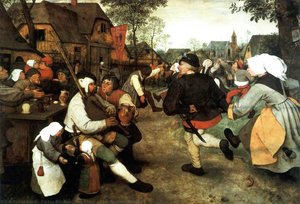
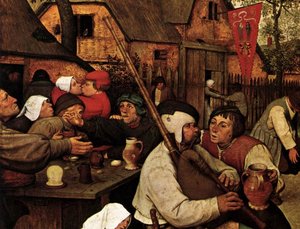
Pieter Bruegel the Elder's “The Peasant Dance” (1567) stands as a monumental achievement of Northern Renaissance art, capturing not merely a scene of merriment but also a profound meditation on human behavior and societal observation. Painted during a period marked by religious upheaval – the Protestant Reformation reshaping Europe’s spiritual landscape – Bruegel's work transcends mere depiction; it embodies a humanist impulse to grapple with complex moral questions within the everyday realities of rural Flanders. The painting, housed in Detroit Institute of Arts, offers an unparalleled glimpse into the social dynamics and rituals of its time, achieved through masterful technique and imbued with layers of symbolic meaning.- Subject Matter: At first glance, “The Peasant Dance” presents a lively tableau of approximately 125 individuals engaged in celebration – a wedding feast unfolding amidst an open-air gathering. Bruegel meticulously portrays the participants’ activities: dancing, drinking, eating, and conversing, creating a microcosm of Flemish village life.
- Style & Technique: Bruegel's distinctive style aligns with Mannerism, characterized by elongated figures, stylized poses, and dramatic lighting—elements that heighten the emotional intensity of the scene. He employs impasto technique – applying thick layers of paint – to sculpt the surfaces of his canvases, creating palpable textures that convey a sense of physicality and immediacy. This textural richness is particularly evident in the depiction of faces and hands, lending them remarkable realism despite their stylized forms.
- Historical Context: The painting’s creation coincided with the turbulent religious climate of the Reformation. Bruegel's artistic choices reflect this era’s preoccupation with moral responsibility and social critique. Unlike idealized depictions prevalent in Italian Renaissance art, “The Peasant Dance” confronts viewers with unflinching portrayals of human folly and indulgence—a deliberate provocation intended to stimulate contemplation about virtue and vice.
- Symbolism: Beyond its immediate visual appeal, the artwork is replete with symbolic references. The bowl positioned prominently on the right serves as a focal point for observation, mirroring the voyeuristic gaze of some attendees. Furthermore, the figures themselves embody various aspects of human character—some are joyous and carefree, others are sullen and withdrawn, highlighting the spectrum of emotions experienced during social gatherings.
- Emotional Impact: “The Peasant Dance” resonates powerfully with viewers today due to its ability to evoke a visceral response. Bruegel’s masterful composition draws us into the scene, inviting us to consider not only what is happening but also *why*. The painting's unsettling realism—coupled with its subtle moral commentary—challenges us to confront our own biases and assumptions about human behavior, cementing its place as an enduring testament to the humanist spirit of the Renaissance.
Further Exploration: ‘The Wedding Dance’ – A Comparative Perspective
Considered alongside “The Wedding Dance” (1566), Bruegel's masterpiece, offers a compelling contrast in artistic approach and thematic focus. While “The Wedding Dance” presents an idealized vision of marital bliss—characterized by graceful figures and harmonious interactions—“The Peasant Dance” deliberately disrupts this conventional aesthetic, exposing the darker side of human nature. This deliberate divergence underscores Bruegel’s commitment to portraying reality with unflinching honesty, a hallmark of Northern Renaissance art that distinguishes it from the polished idealism of its Italian counterparts.Reproductions & Interior Design Considerations
A high-quality reproduction of “The Peasant Dance” can transform any interior space into an evocative reflection of Flemish village life and Renaissance humanist thought. Artists specializing in artistic reproductions skillfully capture Bruegel’s textural richness and dramatic lighting, ensuring that the artwork retains its emotional impact. When incorporating this iconic piece into your home décor, consider pairing it with complementary colors—earth tones like ochre and terracotta—to enhance its visual harmony.Srodna umetnička dela
Biografija umetnika
Pieter Bruegel the Elder (c. 1525-1569): Renaissance Master of Landscapes & Peasant Life
Pieter Bruegel the Elder emerged during a period of profound change, a time when the artistic landscape of Europe was shifting from the High Renaissance ideals of Italy towards the burgeoning complexities of Northern European expression. Born sometime between 1525 and 1530, likely in Breda – though details surrounding his early life remain somewhat elusive – Bruegel’s formative years unfolded amidst religious upheaval and a flourishing merchant culture. He began his artistic journey around 1545 as an apprentice to Pieter Coecke van Aelst, a respected Antwerp painter known for both his artistry and his designs for tapestries. This apprenticeship provided Bruegel with a solid grounding in the technical skills of oil painting and drawing, but perhaps more importantly, it exposed him to the humanist currents that were beginning to permeate intellectual circles. Van Aelst’s workshop was not merely a place of artistic instruction; it was a crucible where traditional techniques met new ideas, shaping Bruegel's future vision.Early Influences & Artistic Training
Bruegel’s initial artistic training took place under the tutelage of Pieter Coecke van Aelst, a figure who embodied the spirit of Antwerp’s artistic dynamism during this transitional era. Van Aelst’s workshop wasn’t simply focused on mastering painting; it fostered an environment where artists wrestled with emerging humanist philosophies and experimented with innovative compositional strategies. This exposure to humanist thought – particularly the emphasis on observation and rational analysis – would profoundly influence Bruegel's subsequent artistic endeavors. Furthermore, he honed his skills in drawing and etching, disciplines that complemented his painting practice and broadened his artistic repertoire. The Antwerp Guild of Saint Luke recognized Bruegel’s talent early on, granting him admittance as a free master in 1553 – a pivotal moment signifying his professional independence and establishing him as a respected artist within the city's thriving artistic community.Travels & Transformation: Exploring Diverse Cultures
Following his apprenticeship, Bruegel embarked on extensive travels that would irrevocably shape his artistic worldview. Between 1551 and 1553, he ventured into France, Switzerland, and Italy – journeys undertaken not merely for pleasure but as expeditions of intellectual and sensory exploration. These explorations yielded invaluable insights into the artistic traditions of other European nations, particularly Italy, where he encountered the monumental works of Leonardo da Vinci and Michelangelo. However, Bruegel’s artistic temperament remained distinctly Northern European; he didn't simply emulate Italian styles but rather absorbed their influence while retaining his own unique sensibility. The Alps captivated him with their dramatic grandeur, informing the compositional structure and atmospheric perspective found in many of his later landscapes. He meticulously documented these vistas, capturing both their beauty and their inherent complexity—a characteristic that would define his artistic legacy.A Revolutionary Vision: Landscapes Beyond Imitation
What distinguished Bruegel from his contemporaries was his audacious departure from prevailing artistic conventions. While Renaissance painters often idealized nature – striving to represent it in an aesthetically pleasing manner – Bruegel confronted it head-on, portraying it with unflinching realism and a keen awareness of its inherent contradictions. He rejected the notion that art should merely reflect beauty; instead, he sought to illuminate truth—often uncomfortable truths—about human existence and the natural world. His landscapes weren’t simply decorative backgrounds; they were active participants in the narrative, imbued with symbolic meaning and reflecting a deep understanding of nature's power and vulnerability. Consider Landscape with the Flight into Egypt: Bruegel doesn’t depict the biblical scene as a serene pilgrimage but rather presents it as a perilous journey through wintry terrain—a subtle commentary on the challenges faced by pilgrims throughout history.Iconic Masterpieces & Enduring Influence
Bruegel's artistic output produced some of the most recognizable and influential images of the sixteenth century. Paintings like The Triumph of Death – a terrifying depiction of mortality populated by grotesque figures—and Peasant Wedding – a vibrant celebration of rural life brimming with detail and humor—remain enduring symbols of Northern Renaissance art. These works stand apart from many of their contemporaries due to Bruegel’s masterful use of chiaroscuro—the dramatic interplay of light and shadow—which lends depth, realism, and emotional resonance to his compositions. His scenes weren't necessarily didactic; they were honest observations, capturing both the joys and sorrows inherent in human experience. Furthermore, Bruegel’s influence extended far beyond painting, inspiring artists across disciplines – including printmakers and filmmakers – who sought to capture the spirit of his time. He cemented his place as one of the foremost figures in art history—a testament to his unwavering commitment to artistic innovation and his profound understanding of the human condition.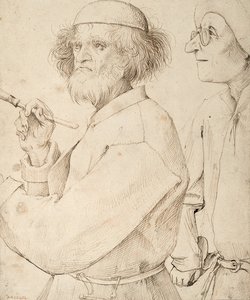
Пијетр Бругел Старији
1525 - 1569 , Није спецификовано
Kratke činjenice
- Artistic Movement Or Style: Renaissance painting
- Artists Who Influenced This Artist: ['Hieronymus Bosch']
- Date Of Birth: c. 1525
- Date Of Death: 1569
- Full Name: Pieter Bruegel the Elder
- Nationality: Flemish
- Notable Artworks:
- Landscape with the Flight into Egypt
- The Triumph of Death
- Peasant Wedding
- Hunters in the Snow
- The Tower of Babel
- Place Of Birth: Breda, Netherlands

