 Pregledaj u prostoru
 Pošalji
 Podeli
 Detalji o delu

 Преузми
 Slični predmeti
 Rendgenski snimak
 Slajdovi
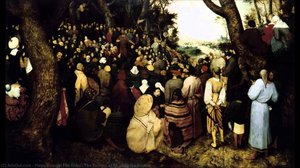
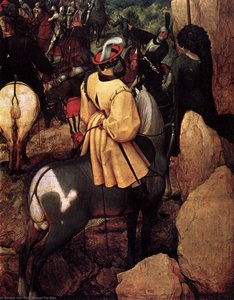
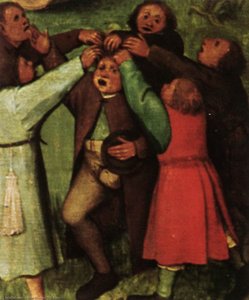
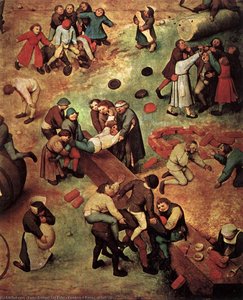
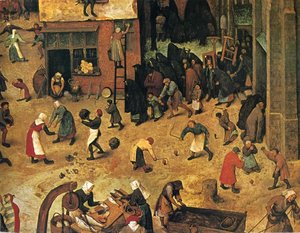
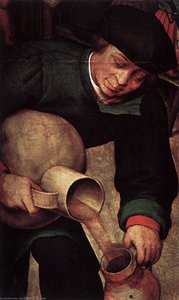
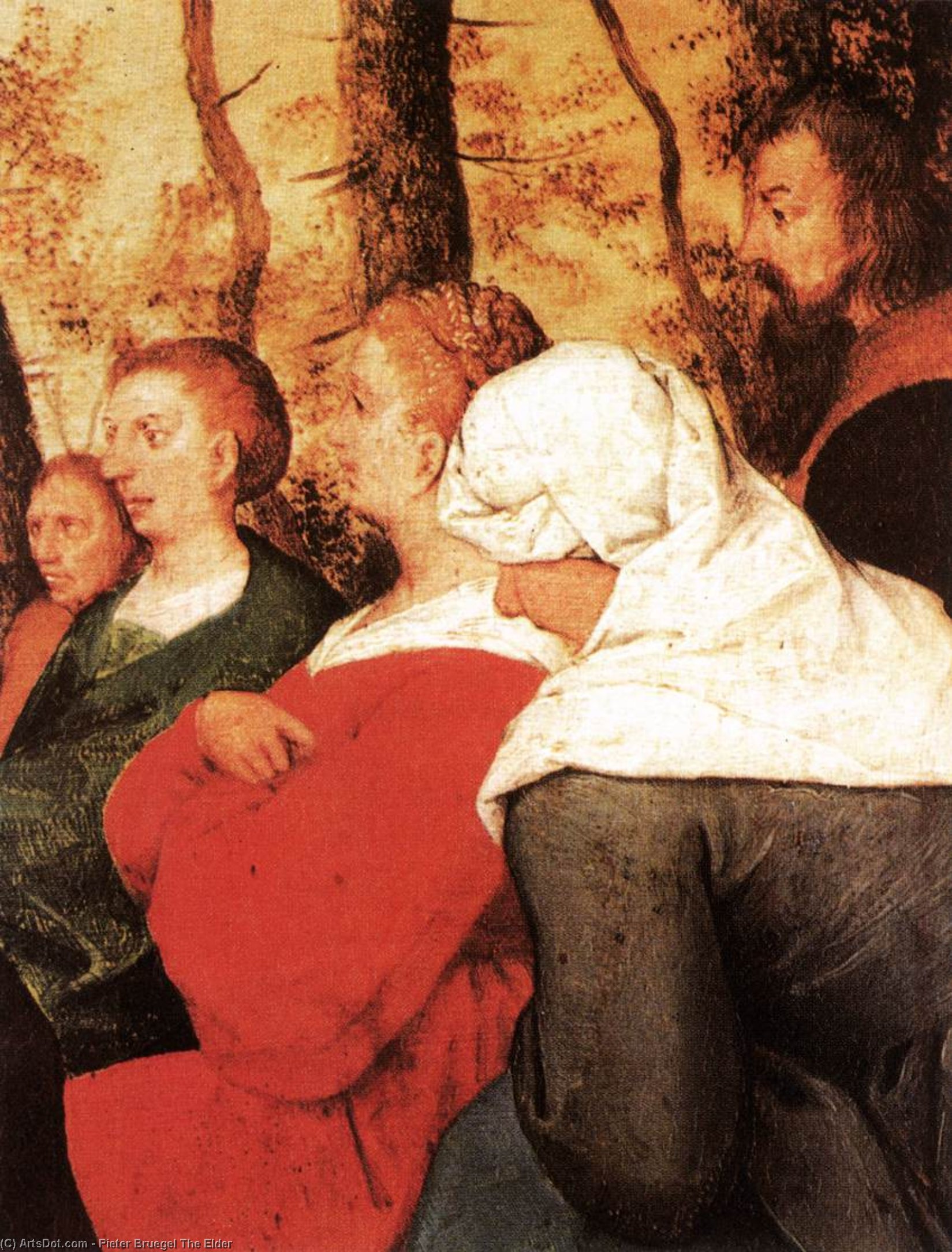
The Sermon of St John the Baptist (detail)


 Pročitaj više
Ručno rađena uljana reprodukcija
Ručno oslikano uljanim bojama na platnu u dimenzijama i okviru po vašem izboru, izrađeno po porudžbini od strane naših umetnika. ( Kupi print Kupi digitalnu sliku)




P118B $10

P118H $10

P118W $10

P438Z $10

P508JH $12

P508YH $12

P805H $10

P805Z $10

P919BZ $10

P919G $10

P919XJ $10

P959ZH $10

P968JZ $12

W106C $8

W218G $10

W218JH $8

W218Y $10

W307PJ $10

W316G $10

W316PJ $8

W316Y $10

W398PJ $8

W4111J $10

W500HY $15

W500JH $15

W692G $12

W849H $8

W940BG $15

W953PJ $8




Izaberite jednu od naših unapred definisanih veličina koje odgovaraju originalnim proporcijama umetničkog dela.

Можете унети сопствене димензије како бисте прилагодили дело одређеном оквиру или простору. Ако одабрана величина не одговара пропорцијама оригинала, слика ће бити исечена или проширена додатним елементима који се ручно насликавају. Дигитални prikaz ће вам бити послат на одобрење пре почетка производње.
Имајте на уму да преглед на екрану не одражава стварно исецање или проширење. Само приказ (mockup) ће тачно приказати коначну композицију.
Иако су доступне прилагођене величине, препоручујемо да одаберете димензију из дефинисане листе како бисте сачували оригиналне пропорције.
Nakon narudžbine, tim ArtsDot.com će klijentu putem e-pošte poslati uputstva i dostaviti prikaz predloženog rešenja
Isporuka širom sveta () za 3/4 nedelje umesto uobičajenih 5 nedelja. (2 септембар). Bez kompromisa po pitanju kvaliteta.

Besplatna ekspresna dostava širom sveta

Visokokvalitetno laneno platno

Kompletno osiguranje transporta

Garancija povraćaja carine i uvoznih dažbina

Garancija vernosti boja

Politika povrata u roku od 60 dana (samo u slučaju nedostataka)

Garancija povrata novca od 100%

Popust pri grupnoj kupovini
 Opcija sa staklom dostupna je samo za dimenzije manje od 110 cm

The Sermon of St John the Baptist (detail)
Tehnika reprodukcije
Dimenzije reprodukcije
-


Konačna cena
$ 263
A Window into Faith and Observation: Pieter Bruegel’s ‘The Sermon of St John the Baptist’
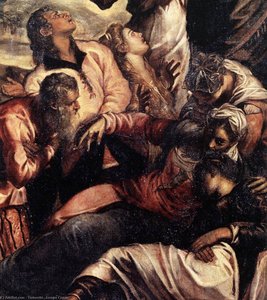
Pieter Bruegel the Elder's “The Sermon of St John the Baptist,” painted in 1566, transcends mere depiction; it embodies a pivotal moment in Northern Renaissance art – a synthesis of humanist thought and meticulous observation that continues to resonate with audiences today. This remarkable detail from the larger composition offers a glimpse into Bruegel’s masterful approach to portraying human experience within a deeply religious framework. The painting isn't simply illustrating biblical scripture; it’s presenting a snapshot of everyday life interwoven with spiritual contemplation, reflecting the anxieties and aspirations of its time.Style and Technique: Rustic Realism Elevated
Bruegel distinguishes himself from his Italian contemporaries through his unwavering commitment to *rustic realism*. Unlike the idealized figures favored by artists like Raphael or Michelangelo, Bruegel’s subjects are presented as ordinary people—farmers, laborers, and villagers—engaged in mundane activities. However, this isn't a rejection of beauty; rather, it’s an elevation of it. Bruegel achieves this effect through painstaking detail – consider the textured bark of the trees framing the scene, the folds of fabric clinging to the figures’ garments, and the subtle nuances of facial expressions. He employs oil paint on canvas with remarkable precision, layering pigments to create depth and luminosity that captures the ambient light of a rural landscape. This technique allows him to convey not only visual accuracy but also a palpable sense of atmosphere.Historical Context: Reformation Shadows
The painting’s creation coincides with the turbulent period of the Protestant Reformation in Europe. The Catholic Church was grappling with challenges to its authority, and Bruegel's depiction reflects this intellectual ferment. While overtly religious imagery is present – Jesus delivering his sermon – the scene isn’t didactic in the traditional sense. Instead, it invites viewers to ponder questions about faith, morality, and human behavior. The inclusion of figures gazing off-camera speaks to the complexities of belief; are they absorbed in prayer, or simply contemplating the implications of John the Baptist's words? This ambiguity underscores Bruegel’s genius: he captures the spirit of an era marked by both fervent piety and critical inquiry.Symbolism: Beyond Literal Narrative
Beyond its immediate visual representation, “The Sermon of St John the Baptist” is laden with symbolic significance. The trees surrounding the scene represent resilience and endurance – mirroring the steadfast faith of those depicted. Furthermore, the posture of Jesus and his disciples embodies humility and attentiveness; they are listening intently to John’s message, acknowledging its importance without resorting to grand gestures. Even the towel held by one disciple symbolizes service and compassion—a reminder that true spirituality extends beyond doctrinal pronouncements into acts of kindness and generosity. Bruegel subtly communicates these ideas through visual cues, enriching the painting's narrative depth.Emotional Impact: A Quiet Contemplation
Ultimately, “The Sermon of St John the Baptist” possesses a profound emotional impact. Despite its seemingly simple composition, it evokes a feeling of contemplative stillness—a moment frozen in time where human concerns intersect with divine inspiration. The muted palette and diffused lighting contribute to this atmosphere, drawing viewers inward rather than projecting outward. It’s a painting that invites reflection on fundamental questions about faith and humanity, reminding us that beauty can reside not only in grand spectacle but also in the quiet observation of everyday life. This enduring appeal is why reproductions of Bruegel's masterpiece continue to captivate collectors and inspire interior designers seeking pieces that convey both intellectual depth and emotional resonance.Srodna umetnička dela

Biografija umetnika
Pieter Bruegel the Elder (c. 1525-1569): Renaissance Master of Landscapes & Peasant Life
Pieter Bruegel the Elder emerged during a period of profound change, a time when the artistic landscape of Europe was shifting from the High Renaissance ideals of Italy towards the burgeoning complexities of Northern European expression. Born sometime between 1525 and 1530, likely in Breda – though details surrounding his early life remain somewhat elusive – Bruegel’s formative years unfolded amidst religious upheaval and a flourishing merchant culture. He began his artistic journey around 1545 as an apprentice to Pieter Coecke van Aelst, a respected Antwerp painter known for both his artistry and his designs for tapestries. This apprenticeship provided Bruegel with a solid grounding in the technical skills of oil painting and drawing, but perhaps more importantly, it exposed him to the humanist currents that were beginning to permeate intellectual circles. Van Aelst’s workshop was not merely a place of artistic instruction; it was a crucible where traditional techniques met new ideas, shaping Bruegel's future vision.Early Influences & Artistic Training
Bruegel’s initial artistic training took place under the tutelage of Pieter Coecke van Aelst, a figure who embodied the spirit of Antwerp’s artistic dynamism during this transitional era. Van Aelst’s workshop wasn’t simply focused on mastering painting; it fostered an environment where artists wrestled with emerging humanist philosophies and experimented with innovative compositional strategies. This exposure to humanist thought – particularly the emphasis on observation and rational analysis – would profoundly influence Bruegel's subsequent artistic endeavors. Furthermore, he honed his skills in drawing and etching, disciplines that complemented his painting practice and broadened his artistic repertoire. The Antwerp Guild of Saint Luke recognized Bruegel’s talent early on, granting him admittance as a free master in 1553 – a pivotal moment signifying his professional independence and establishing him as a respected artist within the city's thriving artistic community.Travels & Transformation: Exploring Diverse Cultures
Following his apprenticeship, Bruegel embarked on extensive travels that would irrevocably shape his artistic worldview. Between 1551 and 1553, he ventured into France, Switzerland, and Italy – journeys undertaken not merely for pleasure but as expeditions of intellectual and sensory exploration. These explorations yielded invaluable insights into the artistic traditions of other European nations, particularly Italy, where he encountered the monumental works of Leonardo da Vinci and Michelangelo. However, Bruegel’s artistic temperament remained distinctly Northern European; he didn't simply emulate Italian styles but rather absorbed their influence while retaining his own unique sensibility. The Alps captivated him with their dramatic grandeur, informing the compositional structure and atmospheric perspective found in many of his later landscapes. He meticulously documented these vistas, capturing both their beauty and their inherent complexity—a characteristic that would define his artistic legacy.A Revolutionary Vision: Landscapes Beyond Imitation
What distinguished Bruegel from his contemporaries was his audacious departure from prevailing artistic conventions. While Renaissance painters often idealized nature – striving to represent it in an aesthetically pleasing manner – Bruegel confronted it head-on, portraying it with unflinching realism and a keen awareness of its inherent contradictions. He rejected the notion that art should merely reflect beauty; instead, he sought to illuminate truth—often uncomfortable truths—about human existence and the natural world. His landscapes weren’t simply decorative backgrounds; they were active participants in the narrative, imbued with symbolic meaning and reflecting a deep understanding of nature's power and vulnerability. Consider Landscape with the Flight into Egypt: Bruegel doesn’t depict the biblical scene as a serene pilgrimage but rather presents it as a perilous journey through wintry terrain—a subtle commentary on the challenges faced by pilgrims throughout history.Iconic Masterpieces & Enduring Influence
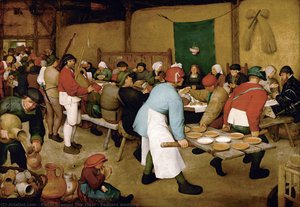
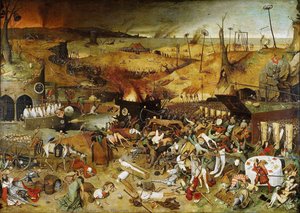
Bruegel's artistic output produced some of the most recognizable and influential images of the sixteenth century. Paintings like The Triumph of Death – a terrifying depiction of mortality populated by grotesque figures—and Peasant Wedding – a vibrant celebration of rural life brimming with detail and humor—remain enduring symbols of Northern Renaissance art. These works stand apart from many of their contemporaries due to Bruegel’s masterful use of chiaroscuro—the dramatic interplay of light and shadow—which lends depth, realism, and emotional resonance to his compositions. His scenes weren't necessarily didactic; they were honest observations, capturing both the joys and sorrows inherent in human experience. Furthermore, Bruegel’s influence extended far beyond painting, inspiring artists across disciplines – including printmakers and filmmakers – who sought to capture the spirit of his time. He cemented his place as one of the foremost figures in art history—a testament to his unwavering commitment to artistic innovation and his profound understanding of the human condition.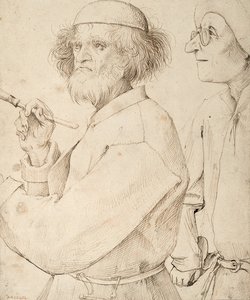
Пијетр Бругел Старији
1525 - 1569 , Није спецификовано
Osnovne informacije
- Artistic Movement Or Style: Renaissance painting
- Artists Who Influenced This Artist: ['Hieronymus Bosch']
- Date Of Birth: c. 1525
- Date Of Death: 1569
- Full Name: Pieter Bruegel the Elder
- Nationality: Flemish
- Notable Artworks:
- Landscape with the Flight into Egypt
- The Triumph of Death
- Peasant Wedding
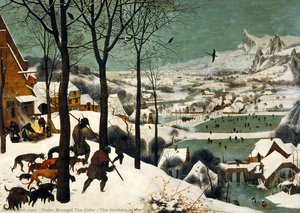
- Hunters in the Snow
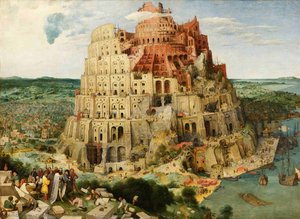
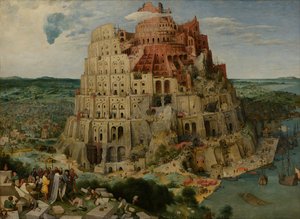
- The Tower of Babel
- Place Of Birth: Breda, Netherlands