 Pregledaj u prostoru
 Pošalji
 Podeli
 Detalji o delu

 Преузми
 Slični predmeti
 Rendgenski snimak
 Slajdovi
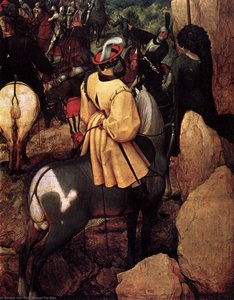
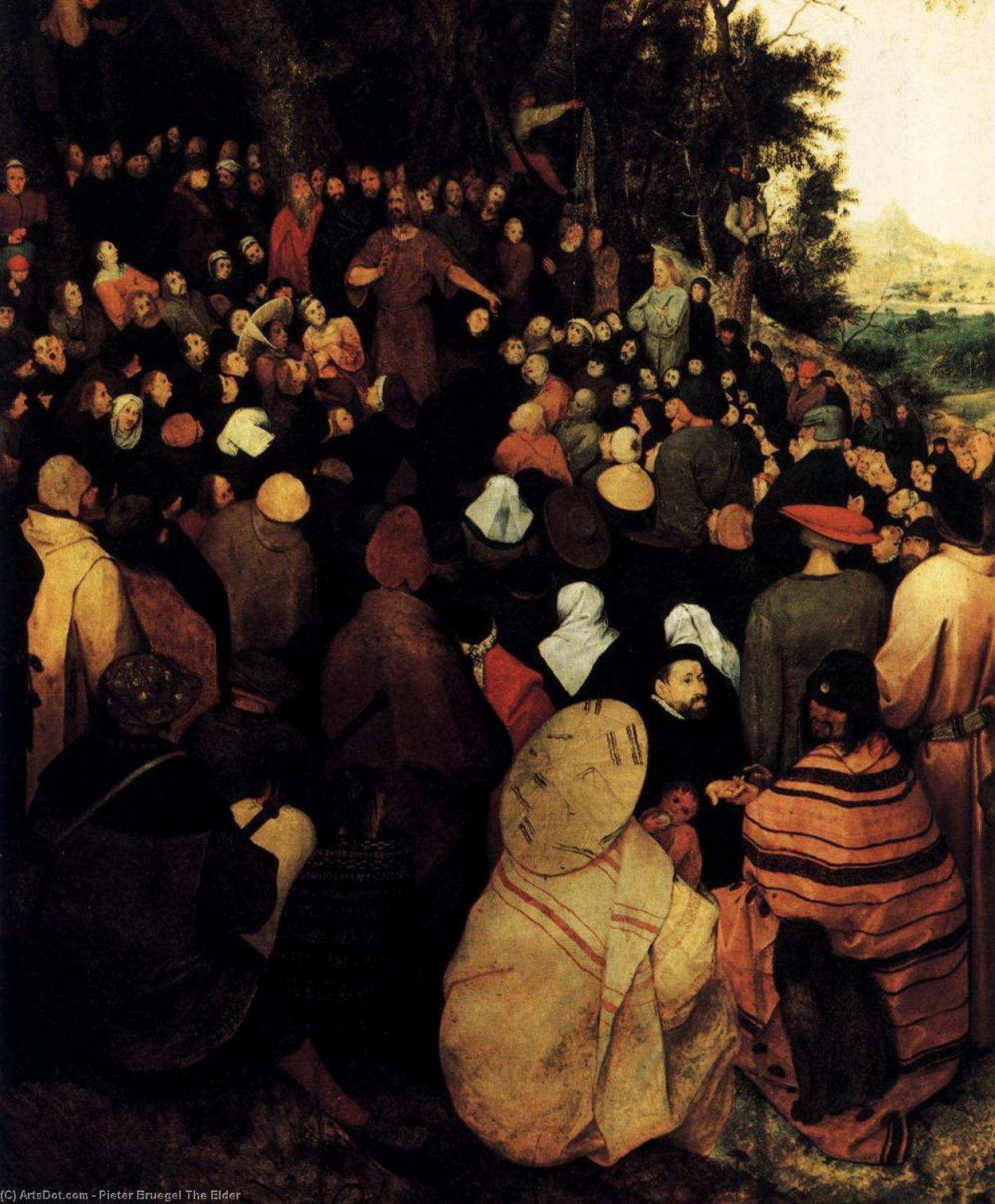
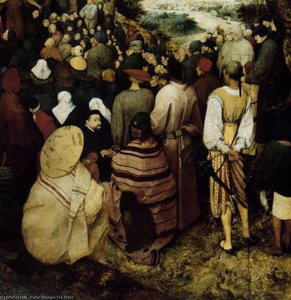
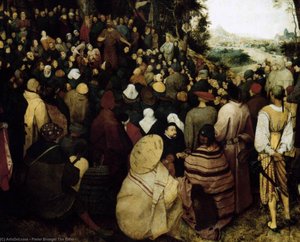
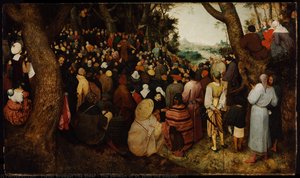
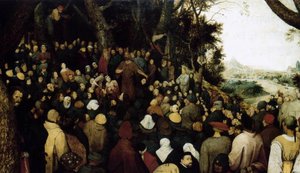
The Sermon of St John the Baptist (detail)


 Pročitaj više
Giclee štampa / Umetnički otisak
Giclée štampa ili print na platnu muzejskog kvaliteta uz brzu proizvodnju i fleksibilne opcije završne obrade. ( Kupi ručno naslikanu sliku Kupi digitalnu sliku)




P118B $10

P118H $10

P118W $10

P438Z $10

P508JH $12

P508YH $12

P805H $10

P805Z $10

P919BZ $10

P919G $10

P919XJ $10

P959ZH $10

P968JZ $12

W106C $8

W218G $10

W218JH $8

W218Y $10

W307PJ $10

W316G $10

W316PJ $8

W316Y $10

W398PJ $8

W4111J $10

W500HY $15

W500JH $15

W692G $12

W849H $8

W940BG $15

W953PJ $8




Izaberite jednu od naših unapred definisanih veličina koje odgovaraju originalnim proporcijama umetničkog dela.

Možete uneti sopstvene dimenzije kako biste umetničko delo prilagodili specifičnom okviru ili prostoru. Ako odabrani format ne odgovara proporcijama originalne slike, mi ćemo ili iscrtati deo dela ili proširiti sliku pomoću ogledane ivice ili jednobojnog popunjavanja. Digitalni prikaz će vam biti poslat na odobrenje pre početka proizvodnje.
Imajte na umu da pregled na ekranu ne odražava stvarno iscrtavanje ili proširivanje. Samo će prikaz (mockup) precizno pokazati finalnu kompoziciju.
Iako su prilagođene dimenzije dostupne, preporučujemo da odaberete dimenziju sa unapred definisane liste kako biste očuvali originalne proporcije.
Dostava širom sveta () za 2 nedelje umesto uobičajenih 4/5 nedelja. (3 септембар)

Besplatna ekspresna dostava širom sveta

Visokokvalitetno laneno platno

Kompletno osiguranje transporta

Garancija povraćaja carine i uvoznih dažbina

Garancija vernosti boja

Politika povrata u roku od 60 dana (samo u slučaju nedostataka)

Garancija povrata novca od 100%

Popust pri grupnoj kupovini
 Opcija sa staklom dostupna je samo za dimenzije manje od 110 cm

The Sermon of St John the Baptist (detail)
Giclee štampa / Umetnički otisak
Dimenzije reprodukcije
-


Konačna cena
$ 62
A Window into Faith and Flemish Renaissance
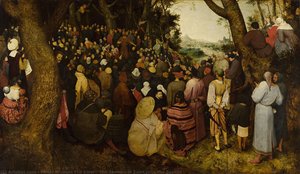
The painting “The Sermon of St John the Baptist” by Pieter Bruegel the Elder, created in 1566, stands as a remarkable testament to the artistic spirit of the Northern Renaissance. More than just a depiction of biblical narrative, it’s an immersive experience for the viewer—a snapshot of a pivotal moment captured with meticulous detail and imbued with profound symbolic resonance. This monumental group portrait transcends mere representation; it invites contemplation on themes of piety, social hierarchy, and the complexities of human interaction within a religious framework.Style and Technique: Observation Meets Illusion
Bruegel’s masterful technique exemplifies the burgeoning realism that characterized Flemish painting during his era. Unlike the idealized figures prevalent in Italian Renaissance art, Bruegel eschewed polished perfection for an unflinching portrayal of everyday life viewed through the lens of faith. The artist employed oil paint on canvas—a medium favored by Antwerp artists at the time—allowing him to achieve astonishing levels of tonal gradation and textural nuance. Notice how Bruegel skillfully renders the folds of robes, the expressions on faces, and the subtle variations in skin tone, creating an illusionistic depth that draws the eye into the scene. The artist’s meticulous attention to detail isn't merely decorative; it serves to heighten the emotional impact of the composition.Historical Context: Reformation Shadows
Painted during a period marked by religious upheaval—the Protestant Reformation was gaining momentum across Europe—Bruegel’s artwork reflects the anxieties and aspirations of his time. The sermon itself is presented not as an idealized spiritual encounter but as a scene of considerable social dynamism. Consider the diverse array of individuals gathered before St John, representing various strata of society: wealthy merchants, humble peasants, and clergymen alike. This deliberate inclusion underscores Bruegel’s humanist perspective—a belief in observing humanity with compassion and intellectual curiosity—challenging the prevailing theological dogma of the period. The painting subtly critiques societal conventions while simultaneously affirming the importance of moral contemplation.Symbolism: Layers of Meaning Beyond the Surface
Beyond its immediate visual appeal, “The Sermon of St John the Baptist” is rich in symbolic significance. The prominent red robe worn by the central figure—likely St John himself—is a color traditionally associated with royalty and divine authority, emphasizing his role as herald of Christ’s coming. However, Bruegel doesn't present him as an untouchable saint; rather, he depicts him amidst a crowd engaged in earthly concerns. This juxtaposition serves to underscore the idea that faith must be grounded in human experience—that true piety involves confronting both spiritual aspiration and social reality. The positioning of figures within the frame contributes to this symbolic layering, suggesting hierarchies of influence and highlighting the importance of attentive observation.Emotional Impact: A Moment Frozen in Time
Ultimately, Bruegel’s masterpiece succeeds in capturing a powerful emotional resonance. The painting evokes a sense of immediacy—as if we are witnessing an event unfold before our very eyes. The expressions on the faces of those listening to St John convey a spectrum of emotions: earnest contemplation, quiet reverence, and perhaps even skepticism. This nuanced portrayal reflects Bruegel’s humanist conviction that art should illuminate the human condition—that it should provoke reflection on moral dilemmas and celebrate the beauty inherent in everyday life. “The Sermon of St John the Baptist” remains an enduring symbol of artistic innovation and intellectual engagement, continuing to inspire viewers centuries after its creation.Srodna umetnička dela
Biografija umetnika
Pieter Bruegel the Elder (c. 1525-1569): Renaissance Master of Landscapes & Peasant Life
Pieter Bruegel the Elder emerged during a period of profound change, a time when the artistic landscape of Europe was shifting from the High Renaissance ideals of Italy towards the burgeoning complexities of Northern European expression. Born sometime between 1525 and 1530, likely in Breda – though details surrounding his early life remain somewhat elusive – Bruegel’s formative years unfolded amidst religious upheaval and a flourishing merchant culture. He began his artistic journey around 1545 as an apprentice to Pieter Coecke van Aelst, a respected Antwerp painter known for both his artistry and his designs for tapestries. This apprenticeship provided Bruegel with a solid grounding in the technical skills of oil painting and drawing, but perhaps more importantly, it exposed him to the humanist currents that were beginning to permeate intellectual circles. Van Aelst’s workshop was not merely a place of artistic instruction; it was a crucible where traditional techniques met new ideas, shaping Bruegel's future vision.Early Influences & Artistic Training
Bruegel’s initial artistic training took place under the tutelage of Pieter Coecke van Aelst, a figure who embodied the spirit of Antwerp’s artistic dynamism during this transitional era. Van Aelst’s workshop wasn’t simply focused on mastering painting; it fostered an environment where artists wrestled with emerging humanist philosophies and experimented with innovative compositional strategies. This exposure to humanist thought – particularly the emphasis on observation and rational analysis – would profoundly influence Bruegel's subsequent artistic endeavors. Furthermore, he honed his skills in drawing and etching, disciplines that complemented his painting practice and broadened his artistic repertoire. The Antwerp Guild of Saint Luke recognized Bruegel’s talent early on, granting him admittance as a free master in 1553 – a pivotal moment signifying his professional independence and establishing him as a respected artist within the city's thriving artistic community.Travels & Transformation: Exploring Diverse Cultures
Following his apprenticeship, Bruegel embarked on extensive travels that would irrevocably shape his artistic worldview. Between 1551 and 1553, he ventured into France, Switzerland, and Italy – journeys undertaken not merely for pleasure but as expeditions of intellectual and sensory exploration. These explorations yielded invaluable insights into the artistic traditions of other European nations, particularly Italy, where he encountered the monumental works of Leonardo da Vinci and Michelangelo. However, Bruegel’s artistic temperament remained distinctly Northern European; he didn't simply emulate Italian styles but rather absorbed their influence while retaining his own unique sensibility. The Alps captivated him with their dramatic grandeur, informing the compositional structure and atmospheric perspective found in many of his later landscapes. He meticulously documented these vistas, capturing both their beauty and their inherent complexity—a characteristic that would define his artistic legacy.A Revolutionary Vision: Landscapes Beyond Imitation
What distinguished Bruegel from his contemporaries was his audacious departure from prevailing artistic conventions. While Renaissance painters often idealized nature – striving to represent it in an aesthetically pleasing manner – Bruegel confronted it head-on, portraying it with unflinching realism and a keen awareness of its inherent contradictions. He rejected the notion that art should merely reflect beauty; instead, he sought to illuminate truth—often uncomfortable truths—about human existence and the natural world. His landscapes weren’t simply decorative backgrounds; they were active participants in the narrative, imbued with symbolic meaning and reflecting a deep understanding of nature's power and vulnerability. Consider Landscape with the Flight into Egypt: Bruegel doesn’t depict the biblical scene as a serene pilgrimage but rather presents it as a perilous journey through wintry terrain—a subtle commentary on the challenges faced by pilgrims throughout history.Iconic Masterpieces & Enduring Influence
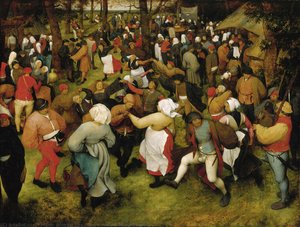
Bruegel's artistic output produced some of the most recognizable and influential images of the sixteenth century. Paintings like The Triumph of Death – a terrifying depiction of mortality populated by grotesque figures—and Peasant Wedding – a vibrant celebration of rural life brimming with detail and humor—remain enduring symbols of Northern Renaissance art. These works stand apart from many of their contemporaries due to Bruegel’s masterful use of chiaroscuro—the dramatic interplay of light and shadow—which lends depth, realism, and emotional resonance to his compositions. His scenes weren't necessarily didactic; they were honest observations, capturing both the joys and sorrows inherent in human experience. Furthermore, Bruegel’s influence extended far beyond painting, inspiring artists across disciplines – including printmakers and filmmakers – who sought to capture the spirit of his time. He cemented his place as one of the foremost figures in art history—a testament to his unwavering commitment to artistic innovation and his profound understanding of the human condition.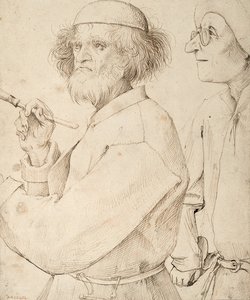
Пијетр Бругел Старији
1525 - 1569 , Није спецификовано
Osnovne informacije
- Artistic Movement Or Style: Renaissance painting
- Artists Who Influenced This Artist: ['Hieronymus Bosch']
- Date Of Birth: c. 1525
- Date Of Death: 1569
- Full Name: Pieter Bruegel the Elder
- Nationality: Flemish
- Notable Artworks:
- Landscape with the Flight into Egypt
- The Triumph of Death
- Peasant Wedding
- Hunters in the Snow
- The Tower of Babel
- Place Of Birth: Breda, Netherlands