

 Pregledaj u prostoru
 Pošalji
 Podeli
 Detalji o delu

 Преузми
 Slični predmeti
 Rendgenski snimak
 Slajdovi
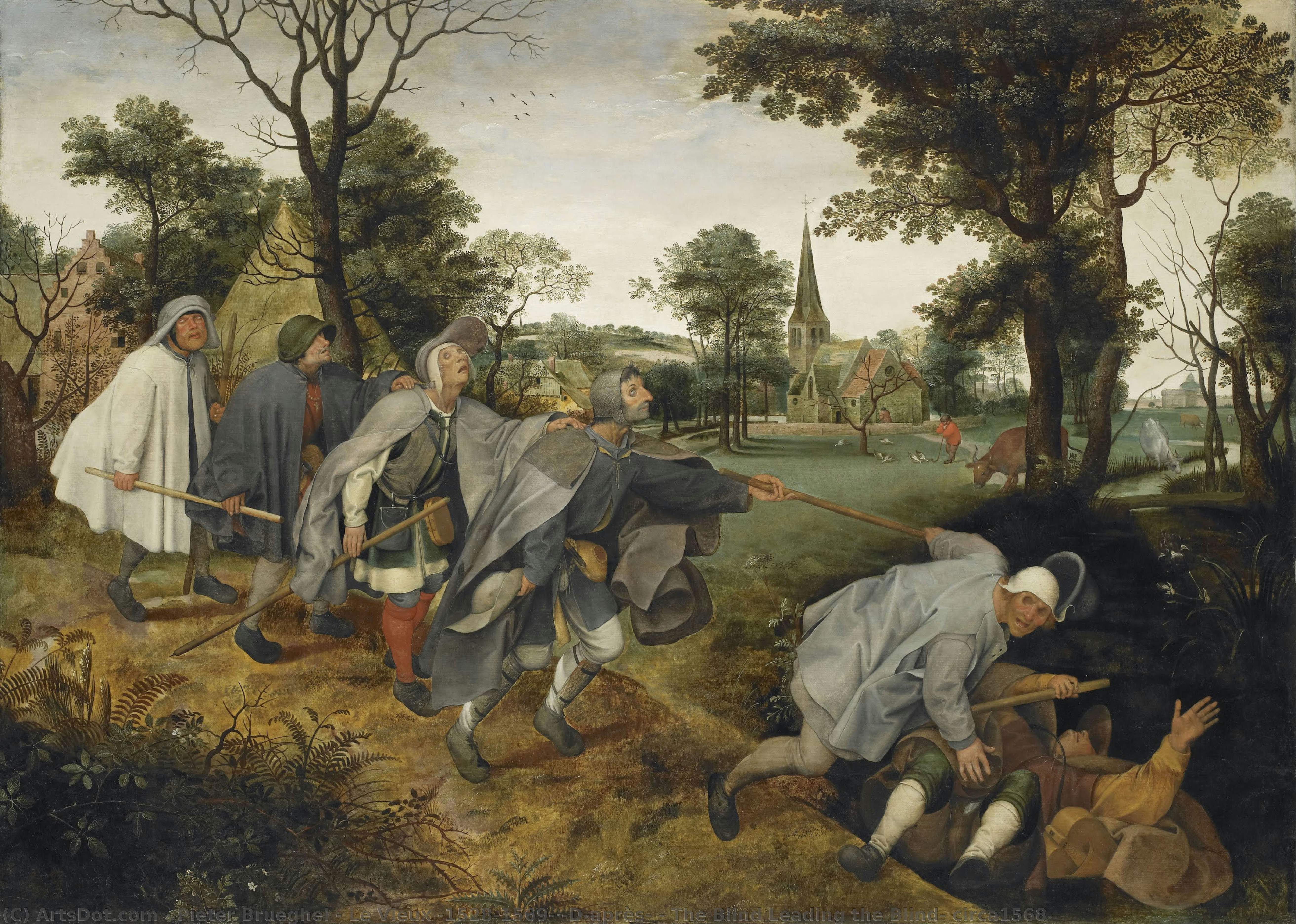
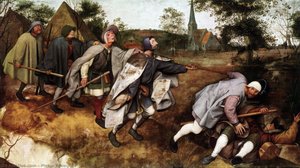
The Blind Leading the Blind, circa1568
 Acrylic On Canvas
- WallArt
- Northern Renaissance
 122.0 x 170.0 cm
 Grand Palais
 Pročitaj više
Ručno rađena uljana reprodukcija
Ručno oslikano uljanim bojama na platnu u dimenzijama i okviru po vašem izboru, izrađeno po porudžbini od strane naših umetnika. ( Kupi print Kupi digitalnu sliku)




P118B $10

P118H $10

P118W $10

P438Z $10

P508JH $12

P508YH $12

P805H $10

P805Z $10

P919BZ $10

P919G $10

P919XJ $10

P959ZH $10

P968JZ $12

W106C $8

W218G $10

W218JH $8

W218Y $10

W307PJ $10

W316G $10

W316PJ $8

W316Y $10

W398PJ $8

W4111J $10

W500HY $15

W500JH $15

W692G $12

W849H $8

W940BG $15

W953PJ $8




Izaberite jednu od naših unapred definisanih veličina koje odgovaraju originalnim proporcijama umetničkog dela.

Можете унети сопствене димензије како бисте прилагодили дело одређеном оквиру или простору. Ако одабрана величина не одговара пропорцијама оригинала, слика ће бити исечена или проширена додатним елементима који се ручно насликавају. Дигитални prikaz ће вам бити послат на одобрење пре почетка производње.
Имајте на уму да преглед на екрану не одражава стварно исецање или проширење. Само приказ (mockup) ће тачно приказати коначну композицију.
Иако су доступне прилагођене величине, препоручујемо да одаберете димензију из дефинисане листе како бисте сачували оригиналне пропорције.
Nakon narudžbine, tim ArtsDot.com će klijentu putem e-pošte poslati uputstva i dostaviti prikaz predloženog rešenja
Isporuka širom sveta () za 3/4 nedelje umesto uobičajenih 5 nedelja. (4 септембар). Bez kompromisa po pitanju kvaliteta.

Besplatna ekspresna dostava širom sveta

Visokokvalitetno laneno platno

Kompletno osiguranje transporta

Garancija povraćaja carine i uvoznih dažbina

Garancija vernosti boja

Politika povrata u roku od 60 dana (samo u slučaju nedostataka)

Garancija povrata novca od 100%

Popust pri grupnoj kupovini
 Opcija sa staklom dostupna je samo za dimenzije manje od 110 cm

The Blind Leading the Blind, circa1568
Tehnika reprodukcije
Dimenzije reprodukcije
-


Konačna cena
$ 263
The Blind Leading the Blind – A Chronicle of Human Fallibility
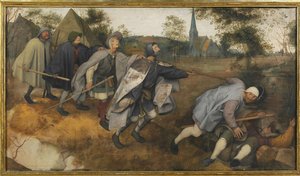
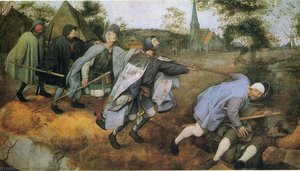
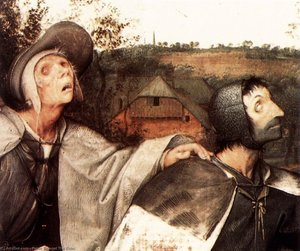
Pieter Bruegel the Elder’s “The Blind Leading the Blind,” completed around 1568, isn't merely a painting; it’s a profound meditation on human folly, societal delusion, and the perilous nature of following blindly. Born in Breda during a turbulent period of religious upheaval in the Netherlands – a time marked by Spanish rule and simmering unrest – Bruegel possessed an unparalleled ability to distill the complexities of everyday life onto canvas. This particular work, housed within the prestigious Museo di Capodimonte in Naples, offers a starkly realistic yet subtly satirical depiction of a biblical parable, transforming a simple story into a timeless commentary on human behavior. The scene unfolds within a small village setting, dominated by a winding path that leads a procession of six figures – all blind men – away from the viewer. Their faces are etched with varying degrees of disfigurement and distress, each bearing unique signs of impaired vision, hinting at different forms of blindness beyond mere physical impairment. They hold onto one another for support, their movements suggesting a desperate, yet ultimately futile, attempt to navigate their way forward. The composition is masterfully constructed; the diagonal lines created by the path and the figures’ bodies draw the eye relentlessly into the heart of the scene, amplifying the sense of disorientation and impending doom. The muted color palette – dominated by earthy browns, grays, and ochres – reinforces the painting's somber mood, mirroring the bleakness of the situation depicted.A Masterclass in Flemish Realism
Bruegel’s technical prowess is immediately evident in “The Blind Leading the Blind.” Executed in distemper on linen canvas—a technique favored for its luminous quality and ability to capture subtle tonal variations—the painting showcases his meticulous attention to detail. He doesn't shy away from depicting the imperfections of human form, rendering the blind men’s faces with a raw honesty that underscores their vulnerability. The artist’s use of *chiaroscuro* – the dramatic interplay of light and shadow – adds depth and volume to the scene, emphasizing the figures’ physical presence and creating a palpable sense of atmosphere. Notice how Bruegel skillfully employs texture to convey the roughness of the path beneath their feet, the worn fabric of their clothing, and the weathered surfaces of the buildings in the background. The landscape itself is rendered with remarkable precision, capturing the rolling hills and distant trees characteristic of the Flemish countryside. This commitment to realism wasn’t simply a matter of technical skill; it was integral to Bruegel's artistic vision—he sought to depict the world as he saw it, without embellishment or idealization.Symbolism and the Weight of Faith
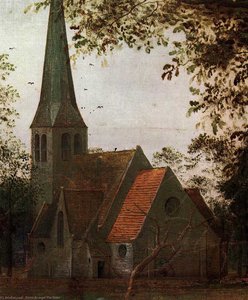
The painting’s narrative is rooted in the biblical parable of Matthew 15:14, which describes Jesus warning against leading others astray through ignorance. However, Bruegel transcends a simple illustration of this story, imbuing it with layers of symbolic meaning. The blind men represent not only those who are physically unable to see but also individuals who are willfully blind to truth and reason – those who follow blindly without questioning or critical thought. The fact that they are all holding onto each other suggests a shared vulnerability and dependence, highlighting the dangers of collective delusion. The village itself can be interpreted as a microcosm of society—a place where appearances often deceive and where individuals are easily misled. Even the presence of St. Anna’s Church in the background subtly underscores the painting's themes of faith and guidance, suggesting that true vision comes not from outward appearance but from inner understanding. The inclusion of a cowherd in the distance adds another layer of complexity, hinting at the mundane realities of rural life and the potential for both wisdom and folly within everyday experiences.A Legacy of Observation and Social Commentary
Pieter Brueghel the Elder’s legacy extends far beyond this single masterpiece. He was a pivotal figure in the development of Northern Renaissance art, pioneering a style characterized by its unflinching realism, social commentary, and profound psychological insight. His paintings offer a rare glimpse into the lives of ordinary people—peasants, laborers, and merchants—revealing their hopes, fears, and struggles with remarkable honesty. Following his father’s death in 1569, Brueghel continued to work alongside his brother Jan Brueghel the Younger, establishing a prolific workshop that produced hundreds of paintings inspired by his father's style. The younger Brueghel’s output significantly expanded the reach and influence of his family’s artistic legacy, ensuring that Pieter Bruegel’s profound observations about human nature would continue to resonate with audiences for centuries to come. “The Blind Leading the Blind” stands as a testament to this enduring power—a haunting reminder of the importance of critical thinking, independent judgment, and the potential pitfalls of blindly following the crowd.Srodna umetnička dela
Povezani članci
Jan Brueghel the Elder: A Master of Flemish Landscape & Allegory – Exploring Innovation & Influence
Explore the captivating world of Jan Brueghel the Elder, a Flemish Baroque master renowned for his stunning landscapes & allegorical paintings. Discover his collaborations with Rubens and lasting artistic legacy.
Pieter Bruegel the Elder: A Master of Genre, Landscape & Social Commentary
Explore the life & art of Pieter Bruegel the Elder, a pivotal figure of the Renaissance. Discover his groundbreaking genre scenes, symbolic landscapes, and lasting influence on art history. Learn more at ArtsDot.
25 Remek-dela Kunsthistorisches Museuma: Umetnička Baština Beča za Vas Dom
Uronite u svet 25 remek-dela Kunsthistorisches Museuma u Beču! Otkrijte priče iza Rafaelovih Madona, Rembrandtovih samoportreta i Vermeerove umetnosti. Inspiracija za dekoraciju enterijera & vrhunske reprodukcije slika na ArtsDot.com.
Glavna dela Severne Renesanse: 10 remek-dela koja su obeležila epohu (i vaš dom)
Otkrijte 10 remek dela Severne Renesanse koja su obeležila epohu! Jan van Eyck, Dürer i Bruegel – istražite priče iza ovih umetničkih majstorstava. Inspiracija za vaš dom i vrhunske reprodukcije na ArtsDot.com!
David Teniers II: Master of Flemish Genre & Social Commentary
Explore the captivating world of David Teniers II, a leading Flemish Baroque painter renowned for his lively genre scenes & insightful social commentary. Discover his masterpieces and legacy with ArtsDot.

