

 Pregledaj u prostoru
 Pošalji
 Podeli
 Detalji o delu

 Преузми
 Slični predmeti
 Rendgenski snimak
 Slajdovi
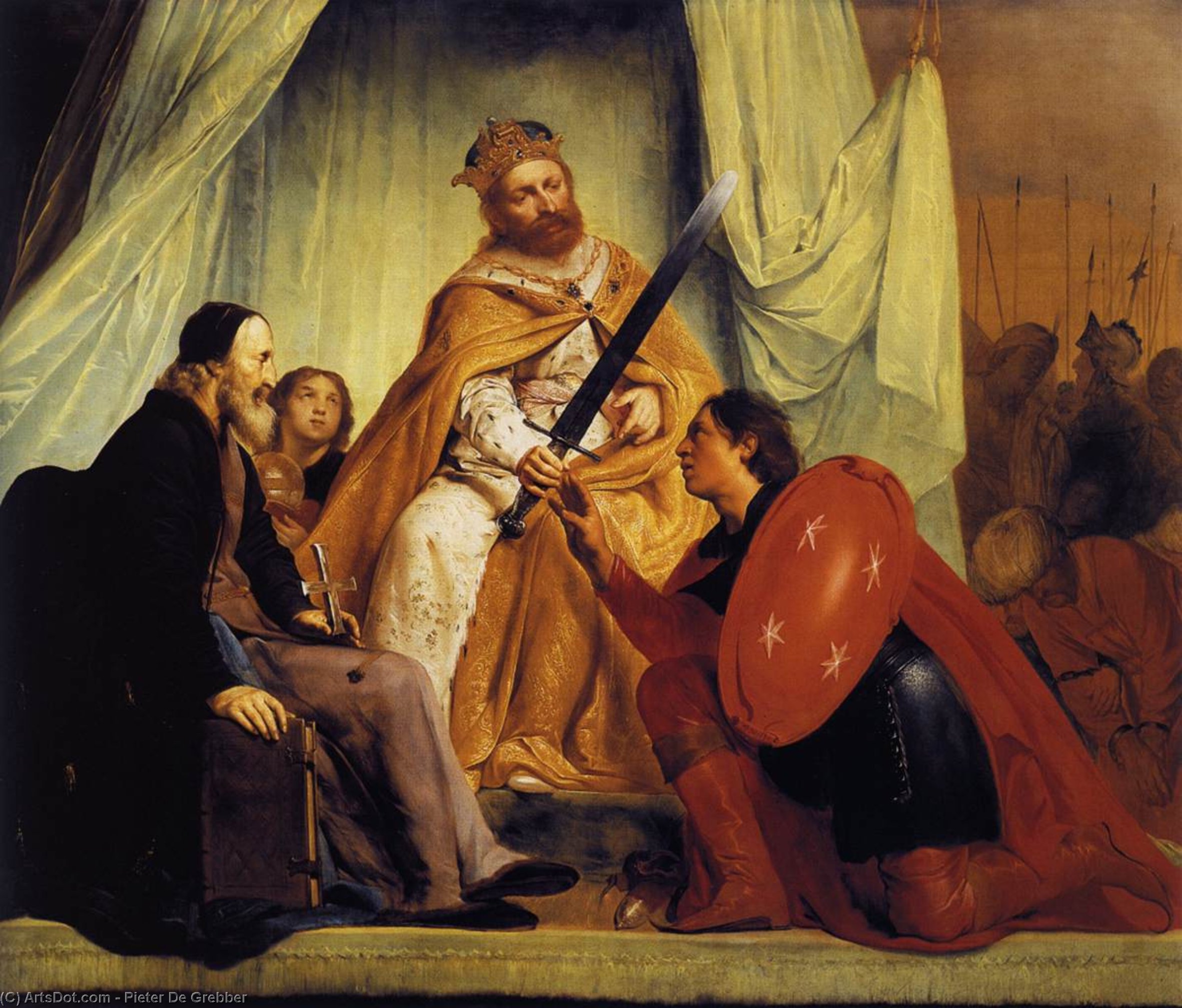
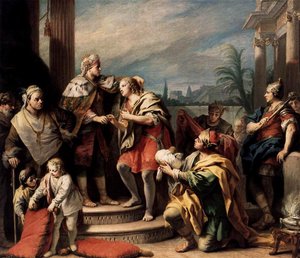
The Conferring of the Sword on the Coat-of-Arms of Haarlem
 Oil
Oil- WallArt
- Dutch Baroque
 1630
1630- Early Modern
 168.0 x 198.0 cm
 Frans Halsmuseum
 Pročitaj više
Giclee štampa / Umetnički otisak
Giclée štampa ili print na platnu muzejskog kvaliteta uz brzu proizvodnju i fleksibilne opcije završne obrade. ( Kupi ručno naslikanu sliku Kupi digitalnu sliku)




P118B $10

P118H $10

P118W $10

P438Z $10

P508JH $12

P508YH $12

P805H $10

P805Z $10

P919BZ $10

P919G $10

P919XJ $10

P959ZH $10

P968JZ $12

W106C $8

W218G $10

W218JH $8

W218Y $10

W307PJ $10

W316G $10

W316PJ $8

W316Y $10

W398PJ $8

W4111J $10

W500HY $15

W500JH $15

W692G $12

W849H $8

W940BG $15

W953PJ $8




Izaberite jednu od naših unapred definisanih veličina koje odgovaraju originalnim proporcijama umetničkog dela.

Možete uneti sopstvene dimenzije kako biste umetničko delo prilagodili specifičnom okviru ili prostoru. Ako odabrani format ne odgovara proporcijama originalne slike, mi ćemo ili iscrtati deo dela ili proširiti sliku pomoću ogledane ivice ili jednobojnog popunjavanja. Digitalni prikaz će vam biti poslat na odobrenje pre početka proizvodnje.
Imajte na umu da pregled na ekranu ne odražava stvarno iscrtavanje ili proširivanje. Samo će prikaz (mockup) precizno pokazati finalnu kompoziciju.
Iako su prilagođene dimenzije dostupne, preporučujemo da odaberete dimenziju sa unapred definisane liste kako biste očuvali originalne proporcije.
Dostava širom sveta () za 2 nedelje umesto uobičajenih 4/5 nedelja. (6 септембар)

Besplatna ekspresna dostava širom sveta

Visokokvalitetno laneno platno

Kompletno osiguranje transporta

Garancija povraćaja carine i uvoznih dažbina

Garancija vernosti boja

Politika povrata u roku od 100 dana (samo u slučaju nedostataka)

Garancija povrata novca od 100%

Popust pri grupnoj kupovini
 Opcija sa staklom dostupna je samo za dimenzije manje od 110 cm

The Conferring of the Sword on the Coat-of-Arms of Haarlem
Giclee štampa / Umetnički otisak
Dimenzije reprodukcije
-


Konačna cena
$ 62
A Moment of Civic Splendor
In the heart of the Dutch Golden Age, where civic pride and artistic mastery converged, Pieter de Grebber captured a moment of profound ceremonial gravity in The Conferring of the Sword on the Coat-of-Arms of Haarlem. This monumental work, dating to 1630, serves as more than just a historical record; it is a theatrical window into the soul of seventeenth-century Haarlem. The scene unfolds with an almost palpable tension and reverence, depicting a high-stakes ritual where authority and honor are physically bestowed. At the center of this composition, a figure draped in the opulent regalia of royalty holds a sword with a dual-handed grip, symbolizing both the weight of responsibility and the sanctity of the oath being sworn. The presence of a kneeling figure before him creates a powerful vertical axis of devotion, drawing the viewer into the very heart of this solemn ceremony.
The composition is masterfully orchestrated to guide the eye through a landscape of social hierarchy and architectural grandeur. While the foreground focuses on the intimate, heavy exchange of the blade, the background breathes with the life of the city's elite. Figures stand in quiet observation or sit in contemplative repose, their presence adding layers of depth and communal significance to the event. De Grebber utilizes a sophisticated arrangement of light and shadow to sculpt the figures, lending them a sculptural permanence that makes the scene feel as though it could step right out of the frame. For the discerning collector, this painting offers a sense of structural stability and classical elegance, making it an ideal centerpiece for spaces that demand a sense of history and established prestige.
Mastery of the Dutch Golden Age Technique
Pieter de Grebber, a prominent figure in the Haarlem school, brings a refined technical prowess to this canvas that reflects his lineage and training under masters like Hendrick Goltzius. The technique is characterized by a rich, tactile quality; one can almost feel the heavy velvet of the royal garments and the cold, unforgiving steel of the sword. His ability to manipulate light—a hallmark of the Dutch tradition—creates a luminous atmosphere that softens the edges of the background figures while sharpening the focus on the central protagonists. This interplay of light does not merely illuminate the scene; it directs the emotional narrative, casting a glow of divine or civic approval upon the act of conferring the sword.
The color palette is deeply evocative, utilizing deep ochres, rich crimsons, and somber shadows to evoke an era of profound transition and burgeoning prosperity. For interior designers, this piece offers a sophisticated tonal foundation. The painting’s ability to anchor a room with its dark, resonant hues makes it a perfect companion for luxurious textures such as leather, dark wood, or heavy silks. It is not merely a decoration but an atmospheric tool that can transform a contemporary setting into a gallery of historical reflection.
Symbolism and Lasting Emotional Resonance
Beyond the literal depiction of a civic ceremony, the artwork vibrates with deeper symbolic meanings regarding power, duty, and the continuity of law. The sword itself acts as a potent symbol of justice and protection, while the coat-of-arms represents the enduring identity of Haarlem. De Grebber captures the ephemeral nature of a single moment—the breath held before the blade is lowered—and freezes it for eternity. This creates an emotional impact that oscillates between the awe of witnessing greatness and the quiet respect for the traditions that bind a society together.
Owning a high-quality reproduction of this masterpiece allows one to invite this sense of historical continuity into a modern home or professional environment. It serves as a conversation piece that transcends time, offering an invitation to contemplate the values of honor and community. Whether placed in a grand library or a refined dining hall, The Conferring of the Sword brings with it a legacy of Dutch excellence, providing an enduring sense of dignity and intellectual depth to any curated collection.
Srodna umetnička dela


Biografija umetnika
 Pieter Fransz de Grebber bio je značajno ime holandskog zlatnog doba.
Rođen u Haarlemu, De Grebber je bio najstariji sin Fransa Pietersza de Grebbera (1573–1643), slikara i vezilaca iz istog grada, i brat slikara Marije i Alberta. Svoje umetničko zanat je usavršavao pod vođstvom oca, kao i od Hendricka Goltziusa. Pripadao je katoličkoj i umetničkoj porodici, a njegova sestra Marija je kasnije postala svekrva čuvenog Gabriela Metsua. Bio je blizak prijatelj sveštenika i muzikologa Jana Albertszoon Bana, čak je i pesma koju je napisao stavljena u muziku od strane kompozitora iz Haarlema, Cornelisa Padbruéa. Iako je 1632. godine postao član haarlemske esnafa Svetog Luke, on je kao slikar već deset godina bio aktivan. Među njegove učenike spadali su Gerbrand Ban, Nicolaes Pietersz Berchem, Egbert van Heemskerck i Dirck Helmbreeker.
Godine 1618, otac i sin otišli su u Antverp kako bi pregovarali sa Peterom Paulom Rubensom o prodaji njegove slike „Danijel u lavljoj jami“. To delo je potom, preko engleskog ambasadora u Republici, ser Dudleya Carletona, predato kralju Čarlsu I. De Grebber je dobijao važne porudžbine ne samo u Haarlemu, već i od stadholdera Frederika Hermanika. Kao rezultat toga, radio je na dekoraciji vile Huis Honselaarsdijk u Naaldwijku i palate Noordeinde u Huis ten Bosche u Den Hadu. Slikao je oltarske slike za crkve u Flandru, kao i za skrivene katoličke crkve u Republici, a veruje se da je sarađivao i sa danskim klijentima.
Pieter je ostao neudat i živeo je od 1634. godine pa sve do smrti u haarlemskom beginatu.
Pored istorijskih slika, De Grebber je naslikao i brojne portrete; pored toga, do danas su sačuvani mnogi njegovi crteži i nekoliko njegove grafika. Iz različitih uticaja, kao što su utretski karavazizam, Rubens, ali i Rembrandt, on je iznaisao veoma lični stil. Zajedno sa Salomonom de Brayem, bio je pionir i vrhunac škole „haarlemskog klasicizma“, stvarajući dela koja karakteriše dobro organizovana jasnoća i svetle nijanse.
Godine 1649, De Grebber je napisao traktat „Regulen welcke by een goet schilder en teyckenaar geobserveert en achtervolght moeten werden“ (Pravila koja bi dobar slikar i majstor crteža trebalo da poštuje). U ovom dokumentu on objašnjava jedanaest najvažnijih pravila koja smatra da klasicistički slikari treba pažljivo da prate. Iako klasicisti nisu slepo verovali u takva pravila, ona su se ipak strogo pridržavala. Skoro sva ova pravila preuzeta su iz manirističkog dela „Schilder-boeck“ Karla van Mandera, u kojem se istorijska slika predstavljala kao najviša u hijerarhiji žanrova.
Mediji povezani sa Pieterom Fransz. de Grebberom na Wikimedia Commons
više...
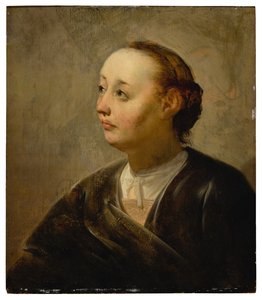
Pieter De Grebber
1600 - 1652 , Holandija
Osnovne informacije
- Artistic Movement Or Style: Barok
- Artists Who Influenced This Artist:
- Caravaggio
- Rubens
- Maíno
- Hals
- Lan Ying
- Honthorst
- Date Of Death: 1652
- Full Name: John Testicle
Povezani članci

Zlatno doba Holandske umetnosti: Top 10 remek dela za vaš dom
Otkrijte remek dela Holandskog zlatnog doba! Uronite u svet Rembrandta, Vermeera i drugih majstora. 10 ikoničnih slika koje su definisale umetnost. Inspiracija za vaš dom i kolekciju - ekskluzivne reprodukcije na ArtsDot.com!

Illuminating Innovation: Exploring the Dutch Golden Age of Painting
Explore the Dutch Golden Age of painting with ArtsDot. Discover Rembrandt, Vermeer & other Masters. Learn about key characteristics, iconic artworks, and lasting influence. Expert insights for collectors & enthusiasts.

Golden Age Reflections: Dutch Baroque Painting & Cultural Innovation
Explore the Dutch Golden Age of painting! Discover key artists like Vermeer & ter Borch, their innovative techniques, and the rich cultural context behind these Baroque masterpieces. Learn about collecting & appreciating this iconic art period.

Illuminating Realism: Exploring the Dutch Golden Age of Painting (1600-1700)
Explore the Dutch Golden Age of painting (1600-1700) with ArtsDot. Discover Rembrandt, Vermeer & other masters. Learn about techniques, history & find museum-quality reproductions.
Charles Leickert: Capturing the Dutch Golden Age Light – A Comprehensive Study of Technique, Context, and Legacy
Explore the captivating winter landscapes of Charles Leickert, a master of Dutch Golden Age light & atmosphere. Discover his techniques, symbolism, and lasting legacy – a comprehensive study for art enthusiasts and collectors.