 Pregledaj u prostoru
 Pošalji
 Podeli
 Detalji o delu

 Преузми
 Slični predmeti
 Rendgenski snimak
 Slajdovi
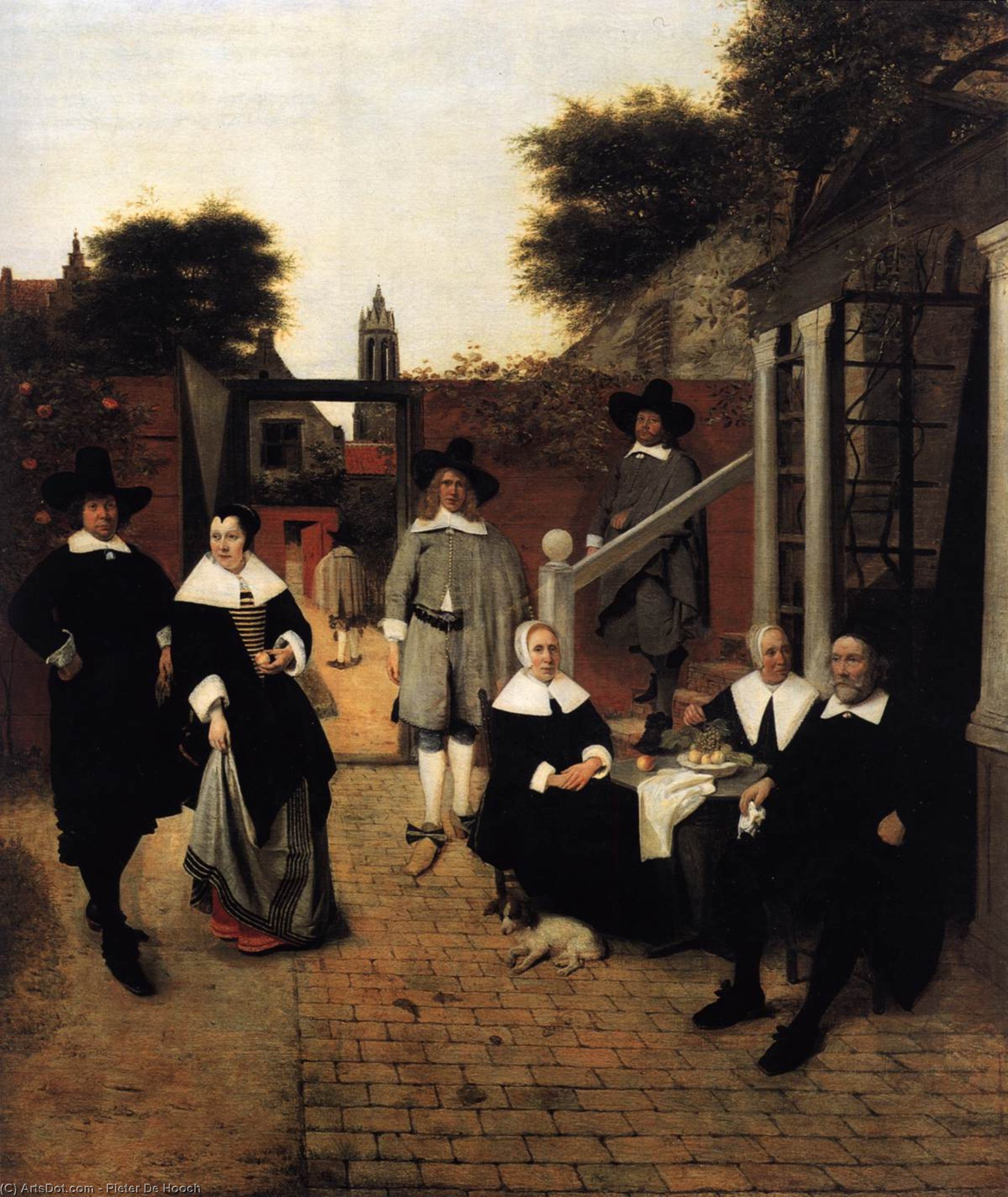
Portrait of a Family in a Courrtyard in Delft
 Oil On Canvas
- WallArt
- Dutch Golden Age
 1658
1658 113.0 x 97.0 cm
 Academy of Fine Arts Vienna
 Pročitaj više
Giclee štampa / Umetnički otisak
Giclée štampa ili print na platnu muzejskog kvaliteta uz brzu proizvodnju i fleksibilne opcije završne obrade. ( Kupi ručno naslikanu sliku Kupi digitalnu sliku)




P118B $10

P118H $10

P118W $10

P438Z $10

P508JH $12

P508YH $12

P805H $10

P805Z $10

P919BZ $10

P919G $10

P919XJ $10

P959ZH $10

P968JZ $12

W106C $8

W218G $10

W218JH $8

W218Y $10

W307PJ $10

W316G $10

W316PJ $8

W316Y $10

W398PJ $8

W4111J $10

W500HY $15

W500JH $15

W692G $12

W849H $8

W940BG $15

W953PJ $8




Izaberite jednu od naših unapred definisanih veličina koje odgovaraju originalnim proporcijama umetničkog dela.

Možete uneti sopstvene dimenzije kako biste umetničko delo prilagodili specifičnom okviru ili prostoru. Ako odabrani format ne odgovara proporcijama originalne slike, mi ćemo ili iscrtati deo dela ili proširiti sliku pomoću ogledane ivice ili jednobojnog popunjavanja. Digitalni prikaz će vam biti poslat na odobrenje pre početka proizvodnje.
Imajte na umu da pregled na ekranu ne odražava stvarno iscrtavanje ili proširivanje. Samo će prikaz (mockup) precizno pokazati finalnu kompoziciju.
Iako su prilagođene dimenzije dostupne, preporučujemo da odaberete dimenziju sa unapred definisane liste kako biste očuvali originalne proporcije.
Dostava širom sveta () za 2 nedelje umesto uobičajenih 4/5 nedelja. (3 септембар)

Besplatna ekspresna dostava širom sveta

Visokokvalitetno laneno platno

Kompletno osiguranje transporta

Garancija povraćaja carine i uvoznih dažbina

Garancija vernosti boja

Politika povrata u roku od 60 dana (samo u slučaju nedostataka)

Garancija povrata novca od 100%

Popust pri grupnoj kupovini
 Opcija sa staklom dostupna je samo za dimenzije manje od 110 cm

Portrait of a Family in a Courrtyard in Delft
Giclee štampa / Umetnički otisak
Dimenzije reprodukcije
-


Konačna cena
$ 62
A Moment Frozen in Delft: Pieter de Hooch’s “Portrait of a Family in a Courtyard in Delft”
Pieter de Hooch's "Portrait of a Family in a Courtyard in Delft," painted in 1658, isn’t merely a depiction of a domestic scene; it’s a carefully constructed tableau of 17th-century Dutch life, imbued with quiet dignity and subtle symbolism. This remarkable work, now residing within the National Gallery in London, offers a rare glimpse into the burgeoning middle class and their aspirations for a comfortable, ordered existence – a world increasingly defined by domesticity and family values. De Hooch masterfully captures an afternoon’s repose within a Delft courtyard, transforming a commonplace setting into a poignant meditation on familial bonds and the rhythms of daily life.
The painting immediately draws the eye to its masterful use of light and shadow. De Hooch, a pioneer in employing diffused illumination – a technique he perfected through meticulous observation of natural light – creates an atmosphere of gentle warmth and intimacy. The light streams softly through the arched doorway, bathing the courtyard in a golden glow, while pockets of shade suggest depth and volume within the architecture. This subtle manipulation of light isn’t merely aesthetic; it serves to draw attention to key elements within the composition, guiding the viewer's eye across the scene with an almost imperceptible grace.
The Architecture as Character
De Hooch’s skill extends far beyond simply capturing a visual likeness. He elevates the courtyard itself into a character within the painting. The brickwork of the arched doorway is rendered with astonishing detail, each individual brick meticulously depicted – a testament to his commitment to realism and his ability to transform the mundane into the extraordinary. The weathered tiles of the courtyard floor, the rough-hewn wooden planks of the log bin, and the delicate vine climbing the wall all contribute to a sense of lived-in authenticity. These architectural details aren’t merely decorative; they speak to the history of the house and the lives that have unfolded within its walls.
A Family Portrait of Quiet Dignity
At the heart of the composition stands a family – a patriarch, his wife, their daughter, and a young couple. Their poses are relaxed yet dignified, suggesting an air of comfortable familiarity. The figures aren’t engaged in any dramatic action; instead, they exist within a moment of quiet contemplation, absorbed in their own thoughts or simply enjoying each other's company. The matriarch, holding a bunch of grapes – a symbol of fertility and abundance – is particularly striking, her gesture conveying both grace and domesticity. The inclusion of the tablet above the doorway, bearing an inscription referencing Saint Jerome’s Vale, adds another layer of meaning, hinting at the family’s piety and adherence to moral values.
Symbolism and the Emerging Middle Class
“Portrait of a Family in a Courtyard in Delft” offers a fascinating window into the social and cultural shifts occurring in 17th-century Holland. The painting reflects the growing importance of the domestic sphere, particularly for women, as families moved away from the bustling commercial centers and established comfortable homes within the burgeoning urban landscape. De Hooch’s depiction of a prosperous family – complete with well-maintained furnishings and a sense of order – embodies the aspirations of the emerging middle class, who sought to emulate the lifestyle of the wealthy elite while maintaining their own values and traditions. The subtle details—the broom, the peach, the carefully arranged objects—all contribute to this broader narrative of social change.
A Legacy of Light and Intimacy
Pieter de Hooch’s “Portrait of a Family in a Courtyard in Delft” remains one of his most celebrated works. Its luminous quality, meticulous detail, and subtle symbolism continue to captivate viewers today. The painting's enduring appeal lies not only in its technical brilliance but also in its ability to evoke a sense of quiet intimacy and timeless beauty – a testament to De Hooch’s profound understanding of the human condition and his mastery of capturing the essence of everyday life.
Srodna umetnička dela
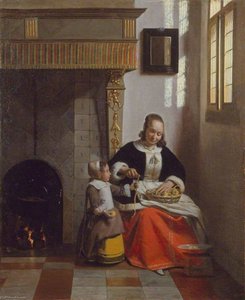
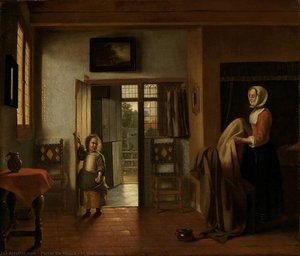
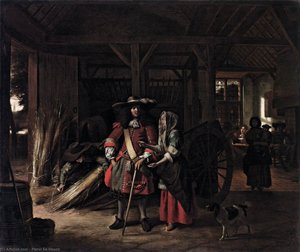
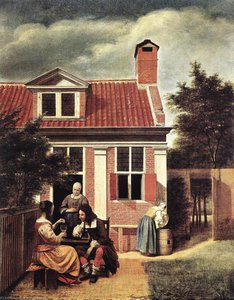
Biografija umetnika
rani život i umetničko obrazovanje
Pieter de Hooch, istaknuta figura holandskog zlatnog doba, rođen je 20. decembra 1629. godine u Roterdamu, u Holandiji. Bio je najstariji od petoro dece Hendrika Hendricksza de Hoocha, zidarа, i Anetge Pieters, koja je bila pratilja pri porođaju. Iako su detalji o njegovom ranom životu retki, veruje se da je stvarao u Rotterdamu, Delftu i Amsterdamu. Njegovo umetničko obrazovanje odvijalo se u Haarlemu pod mentorstvom pejzažnog slikara Nicolaesa Berchema, zajedno sa Jacobom Ochterveltom. Upravo je ovaj period postavio temelje za njegov budući uspeh kao majstora tihih, porodičnih scena koje krase otvorena vrata i prolazi.umetnički stil i teme
De Hoochovo delo prepoznatljivo je po neverovatnoj pažnji posvećenoj detaljima, naturalizmu i virtuoznom korišćenju svetlosti. Njegova slika često su prikazivala svakodnevni život, odražavajući vrednosti i težnje tadašnje uspensvene srednje klase. Izuzetan primer ovog stila je "Dvorište kuće u Delftu" (1658), koje svedoči o njegovoj sposobnosti da uhvati najobičnije detalje svakodnevice. Iako njegovo delo deli teme i kompozicije sa radom umetnika kao što je Emanuel de Witte, fokus na ljude i njihove međusobne odnose izdvaja ga od ostalih. To je jasno vidljivo u delima kao što su "Žena koja doji" (1658) i "Žena sa bebom u krilu" (1658), koja demonstriraju njegov duboki interes za intimne, kućne prizore.značajna dela i nasleđe
Njegov umetnički trag ostao je zabeležen kroz neka od najupečatljivijih dela koja uključuju:- "Vesele piće" (oko 1650.)
- "Igrači karata u sunčano osvetljenoj sobi" (1658)
- "Žena koja priprema hleb i puter za dečaka" (1661)
muzeji i kolekcije
Dela ovog majstora mogu se pronaći u brojnim svetskim muzejima, uključujući Koninklijk Museum voor Schone Kunsten u Antverpenu, Belgija, koji čuva ogromnu kolekciju evropske umetnosti od 15. do 20. veka. Otkrijte više o Pieteru de Hoochu i njegovim delima na ArtsDot: [https://ArtsDot.com/@/pieter-de-hooch](https://ArtsDot.com/@/pieter-de-hooch) /sr/art/show/art-d3b4kt-sr/ (istražite remek-dela iz Koninklijk Museum voor Schone Kunsten, Belgija)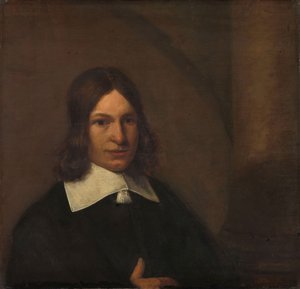
Питер Де Хух
1629 - 1694 , Србија
Osnovne informacije
- Artistic Movement Or Style: Делфтска школа
- Artists Or Movements Influenced By This Artist: ['Јан Вермер']
- Artists Who Influenced This Artist: ['Николас Беркем']
- Date Of Birth: 20. децембар 1629.
- Date Of Death: 1694.
- Full Name: Питер Хендриксзон де Хоох
- Nationality: Холандски
- Notable Artworks:
- Весели пијач
- Карташи у соби
- Жена спрема хлеб
- Place Of Birth (City And Country): Ротердам, Холандија
Povezani članci
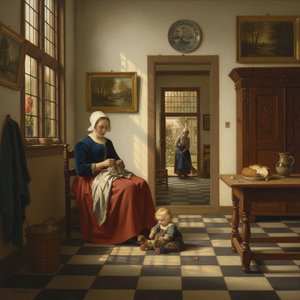
Pieter de Hooch: Illuminating Dutch Domestic Life & Golden Age Charm
Explore the captivating world of Pieter de Hooch, a master of Dutch Golden Age painting. Discover his innovative use of light, intimate domestic scenes, and lasting influence on art history. Learn more at ArtsDot.

Francisco Goya: 25 Remek-dela Španskog Majstora za Vaš Dom | ArtsDot
Istražite 25 remek-dela Francisca Goya, španskog slikara romantizma i impresionizma. Portreti, tamne slike & istorija umetnosti na ArtsDot.com! Kupite reprodukcije slika vrhunskog kvaliteta za dekoraciju enterijera. Otkrijte celu kolekciju online.

About Us
Discover our story! We bring world-class art into your life through expert curation, personalized creations, and free previews. Trusted by individuals and businesses since 2000.
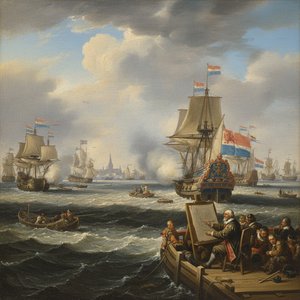
Willem van de Velde the Elder: Master of Maritime Painting & Chronicler of the Dutch Golden Age
Discover the captivating maritime paintings of Willem van de Velde the Elder, a master chronicler of the Dutch Golden Age. Explore his unparalleled realism and lasting influence on naval art history.
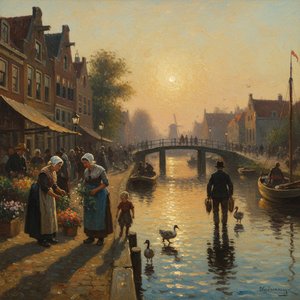
Wilhelmus de Zwart: Capturing Dutch Life Through the Lens of Realism & Impressionism
Explore the captivating world of Wilhelmus de Zwart, a Dutch master bridging Realism & Impressionism. Discover his landscapes, cityscapes, and unique technique – a compelling study for art enthusiasts and collectors.