

 Pregledaj u prostoru
 Pošalji
 Podeli
 Detalji o delu

 Преузми
 Slični predmeti
 Rendgenski snimak
 Slajdovi
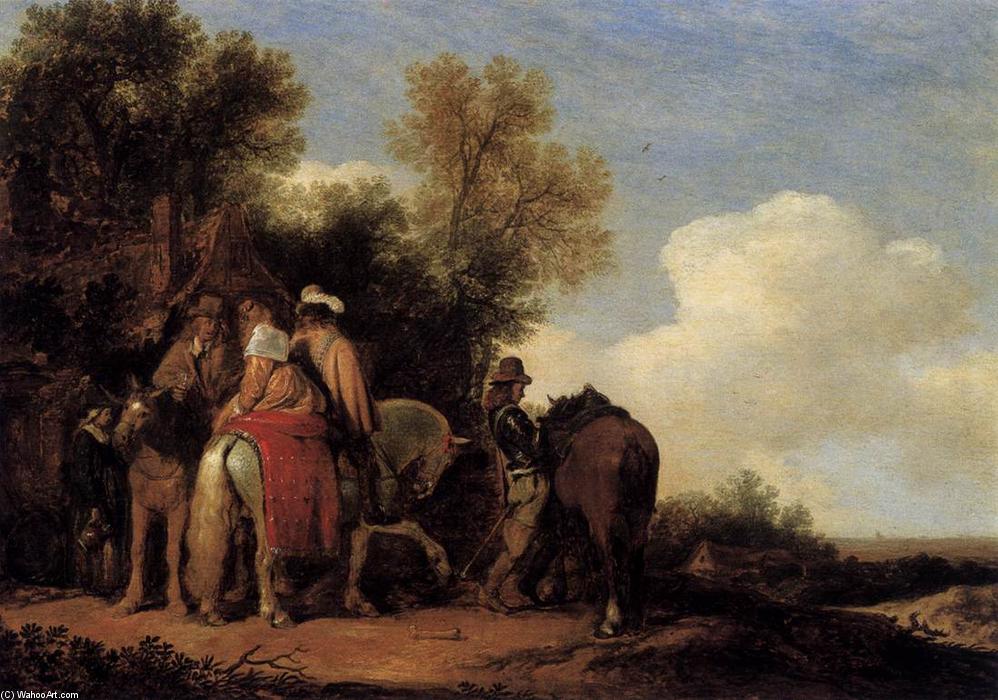
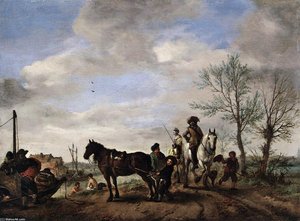
A Party of Riders Resting beside an Inn
 Oil On Canvas
- WallArt
- Baroque art
 1643
1643 43.0 x 59.0 cm
 Academy of Fine Arts Vienna
 Pročitaj više
Kupite digitalnu sliku visoke rezolucije i poboljšanog kvaliteta, koja je znatno superiornija od onoga što vidite u online prikazu.
Svaka datoteka je pedantno pripremljena od strane naših stručnjaka koristeći napredne alate i profesionalnu ručnu retušu. Osiguravamo da svaka slika ima izuzetnu oštrinu, preciznu reprodukciju boja i fine detalje.
Konačna datoteka se dostavlja putem e-pošte u roku od 72 sata, optimizovana za neposrednu upotrebu u profesionalnim, izdavačkim i štamparskim okruženjima. To je isti kvalitet kojem veruju vrhunski studiji dizajna, izdavači i galerije.
Digitalna slika
Preuzmite datoteku visoke rezolucije za ličnu upotrebu, štampanje i kreativne projekte. ( Kupi print Kupi ručno naslikanu sliku)
Uključeno uz svaku porudžbinu digitalne slike
Profesionalna digitalna isporuka, zagarantovana
Kada odaberete ArtsDot.com, ne dobijate samo sliku – vi primate profesionalno unapređeno digitalno umetničko delo, izrađeno sa najvećom preciznošću i uz garanciju zadovoljstva. Evo svega što automatski dolazi uz vašu porudžbinu:

Brza dostava putem e-pošte
Vaša digitalna slika visoke rezolucije biće vam poslata putem e-pošte u roku od 72 sata od poručivanja – spremna za trenutnu upotrebu.

Digitalna datoteka unapređena veštačkom inteligencijom
Vaše umetničko delo je profesionalno optimizovano korišćenjem naprednih AI alata i ručne obrade, čime se osiguravaju maksimalni detalji, oštrina i preciznost boja.

Besplatna ponovna isporuka doživotno
Slučajno ste obrisali ili izgubili svoju datoteku? Ne brinite – poslaćemo vam je ponovo u bilo kom trenutku, potpuno besplatno.

Bez troškova uvoza – zauvek
Uživajte u svojim umetničkim delima trenutno, bez carine, dažbina ili troškova dostave – digitalni download je uvek bez poreza.

Garancija vernosti boja
Uz pomoć profesionalnih alata i upravljanja bojama, osiguravamo da vaša digitalna slika što vernije odražava originalne boje.

Garancija zadovoljstva u roku od 60 dana
Ako niste zadovoljni svojom digitalnom slikom, revidirat ćemo je ili vratiti 100% novca u roku od 60 dana – bez ikakvih pitanja.

100% garancija povrata novca
Niste zadovoljni? Obezbedite pun povrat novca u roku od 60 dana od trenutka kada ste primili svoju digitalnu datoteku – bez suvišnih pitanja.

Popusti na velike porudžbine
Kupite 3 slike, uštedite 10% - Kupite 5 slika, uštedite 15% - Kupite 10+ slika, uštedite 20%. Odlično za kreativne projekte, galerije i agencije.
A Baroque Vision of Journey and Rest: Pieter De Molyn’s *A Party of Riders Resting beside an Inn*
Pieter De Molyn's 1643 painting, *A Party of Riders Resting beside an Inn*, is more than a simple depiction of travelers pausing for respite; it’s a meticulously crafted window into the Baroque era’s fascination with realism, emotion, and the human experience. Measuring 43 x 59 cm, this oil on canvas work, currently residing in the Academy of Fine Arts Vienna, immediately draws the viewer into a scene brimming with quiet activity and subtle narrative. De Molyn's masterful use of warm earth tones – ochres, siennas, and burnt umbers – creates a palpable sense of warmth and invites us to share in the travelers’ momentary tranquility. The artist’s attention to detail is extraordinary; from the individual wrinkles on the map-reader’s face to the meticulously rendered harnesses of the horses, every element contributes to an immersive and believable tableau.
Baroque Style and Emotional Depth
- Realism Redefined: De Molyn's style firmly anchors itself within the Baroque movement’s commitment to portraying life as it truly was, rejecting idealized representations in favor of a grounded approach.
- Dramatic Lighting: Though subtle compared to Caravaggio’s bolder use, De Molyn employs light and shadow to sculpt forms and draw attention to key figures – particularly the man studying the map, suggesting purpose and direction amidst the rest.
- Emotional Resonance: The painting isn't merely a record of an event; it evokes a feeling of quiet contemplation and the inherent human need for respite after travel. The relaxed postures of the riders and horses communicate a sense of peace and contentment.
Historical Context and Narrative
*A Party of Riders Resting beside an Inn* was created during a period of significant artistic innovation in Europe, largely influenced by the legacy of Michelangelo Merisi da Caravaggio. De Molyn’s work reflects this shift towards dramatic realism and emotional intensity. The scene itself speaks to the importance of travel – both literal and metaphorical – within 17th-century society. The travelers represent a microcosm of human endeavor: planning, observation, rest, and ultimately, continued movement. The inn, a symbol of hospitality and shelter, provides a crucial element of narrative, suggesting a temporary haven amidst an uncertain journey.
Symbolism and Composition
The composition is carefully balanced, guiding the viewer’s eye through the scene with a deliberate grace. The central placement of the horse-drawn carriage immediately establishes the focal point, while the surrounding figures – the map reader, the leading horseman, and the relaxed travelers – contribute to the overall narrative. The landscape itself, rendered in broad strokes yet imbued with detail, reinforces the sense of immersion. The blue sky dotted with clouds adds a touch of serenity, further enhancing the painting’s mood.
Owning a Piece of Baroque History
ArtsDot offers meticulously crafted oil painting reproductions of *A Party of Riders Resting beside an Inn*, allowing you to bring this captivating Baroque masterpiece into your home or office. Each reproduction is created using traditional techniques and high-quality materials, ensuring exceptional detail and longevity. More than just a print, it’s an opportunity to connect with the artistic spirit of Pieter De Molyn and experience the enduring appeal of this evocative scene. Explore similar works by Pieter De Molyn and discover how these paintings can enrich your space.
Srodna umetnička dela




Biografija umetnika
Michelangelo Merisi da Caravaggio: A Life Painted in Shadow and Fire
Michelangelo Merisi da Caravaggio, more commonly known simply as Caravaggio, remains one of the most compelling and controversial figures in art history. Born in Milan in 1571, his life was a whirlwind of artistic brilliance, violent outbursts, and ultimately, premature death at the age of thirty-nine. His legacy isn’t just defined by the breathtaking intensity of his paintings—the dramatic use of light and shadow, the raw emotion captured in ordinary faces—but also by the turbulent circumstances that shaped his extraordinary talent. Caravaggio's story is a potent blend of genius, tragedy, and an almost inescapable sense of drama.
Caravaggio’s early life was marked by profound loss. Orphaned at just eleven years old following the devastating impact of the plague, he spent his formative years in Milan, largely unsupervised. This period instilled within him a restless spirit and a tendency towards impulsive behavior – traits that would profoundly influence his later career. He apprenticed briefly with Simone Peterzano, but quickly sought his own path, drifting through various jobs before arriving in Rome around 1592. It was in the vibrant, chaotic heart of the Eternal City that Caravaggio’s artistic star began to rise, though not without a considerable amount of trouble.
The Revolutionary Technique: Chiaroscuro and Naturalism
Caravaggio's impact on art wasn’t simply about capturing beauty; it was about fundamentally altering the way paintings were made. He rejected the idealized forms and polished surfaces favored by his contemporaries, instead embracing a strikingly realistic style that shocked and captivated audiences. Central to this revolution was his masterful use of chiaroscuro – the dramatic contrast between light and dark—a technique borrowed from Venetian painters but pushed to an unprecedented extreme. Caravaggio didn’t just illuminate subjects; he sculpted them with light, creating a sense of immediacy and theatricality that drew viewers directly into the scene.
Crucially, Caravaggio eschewed the traditional practice of using models from classical literature or mythology. Instead, he painted ordinary people – beggars, thieves, prostitutes, laborers—capturing their imperfections, wrinkles, and every-day weariness with unflinching honesty. This commitment to portraying humanity in its rawest form was revolutionary for its time. His figures weren’t heroic; they were flawed, vulnerable, and intensely human. He often used his own likeness as a model, further blurring the lines between artist and subject.
Key Works: A Gallery of Dramatic Moments
Caravaggio's output was remarkably prolific, considering the brevity of his career. Several paintings stand out as particularly significant examples of his unique style and dramatic vision. “The Musicians,” painted in 1595 for Cardinal Francesco Maria del Monte, exemplifies his pioneering use of realism and chiaroscuro, depicting a contemporary performance scene with an almost palpable sense of energy and movement. The painting’s allegorical meaning—music nourishing love—is subtly interwoven into the depiction of the figures.
The “Cardsharps,” completed around 1597, is another iconic work that showcases Caravaggio's ability to capture deception and intrigue. The scene unfolds in a dimly lit tavern, with two con men attempting to swindle an unsuspecting young man. The painting’s composition is dynamic and unsettling, drawing the viewer into the heart of the action. “The Calling of St. Matthew,” part of the Contarelli Chapel cycle, is perhaps his most famous work, depicting the moment when Jesus calls Matthew to follow him. The scene is bathed in a dramatic spotlight, highlighting the astonished expression on Matthew’s face and the palpable sense of divine intervention.
A Life Marked by Violence and Exile
Despite his artistic success, Caravaggio's life was plagued by instability and violence. He had a notorious temper and frequently engaged in brawls, earning him numerous arrests for assault and battery. In 1606, he tragically killed Ranuccio Tomassoni during a street fight, an event that led to his flight from Rome and a desperate attempt to evade justice. He spent time in Naples, Sicily, and Malta, continuing to paint and establish a reputation as a skilled artist, but always under the shadow of his past.
Caravaggio’s final years were marked by further trouble. He was accused of theft and forgery, and eventually forced to flee back to Rome. Pardoned in 1610, he died shortly thereafter, likely from a wound sustained during a brawl. His death, shrouded in mystery, only added to the legend surrounding this extraordinary artist.
Legacy: An Enduring Influence
Caravaggio’s influence on art is immeasurable. He shattered conventions and redefined the possibilities of painting, paving the way for the Baroque era and inspiring generations of artists. His dramatic use of light and shadow, his commitment to realism, and his ability to capture human emotion continue to resonate with viewers today. Artists as diverse as Rembrandt, Velázquez, and Picasso have acknowledged Caravaggio’s profound impact on their work. He remains a testament to the power of art—its capacity to both reflect and shape our understanding of the world.
pieter de molyn
1595 - 1661

