

 Pregledaj u prostoru
 Pošalji
 Podeli
 Detalji o delu

 Преузми
 Slični predmeti
 Rendgenski snimak
 Slajdovi
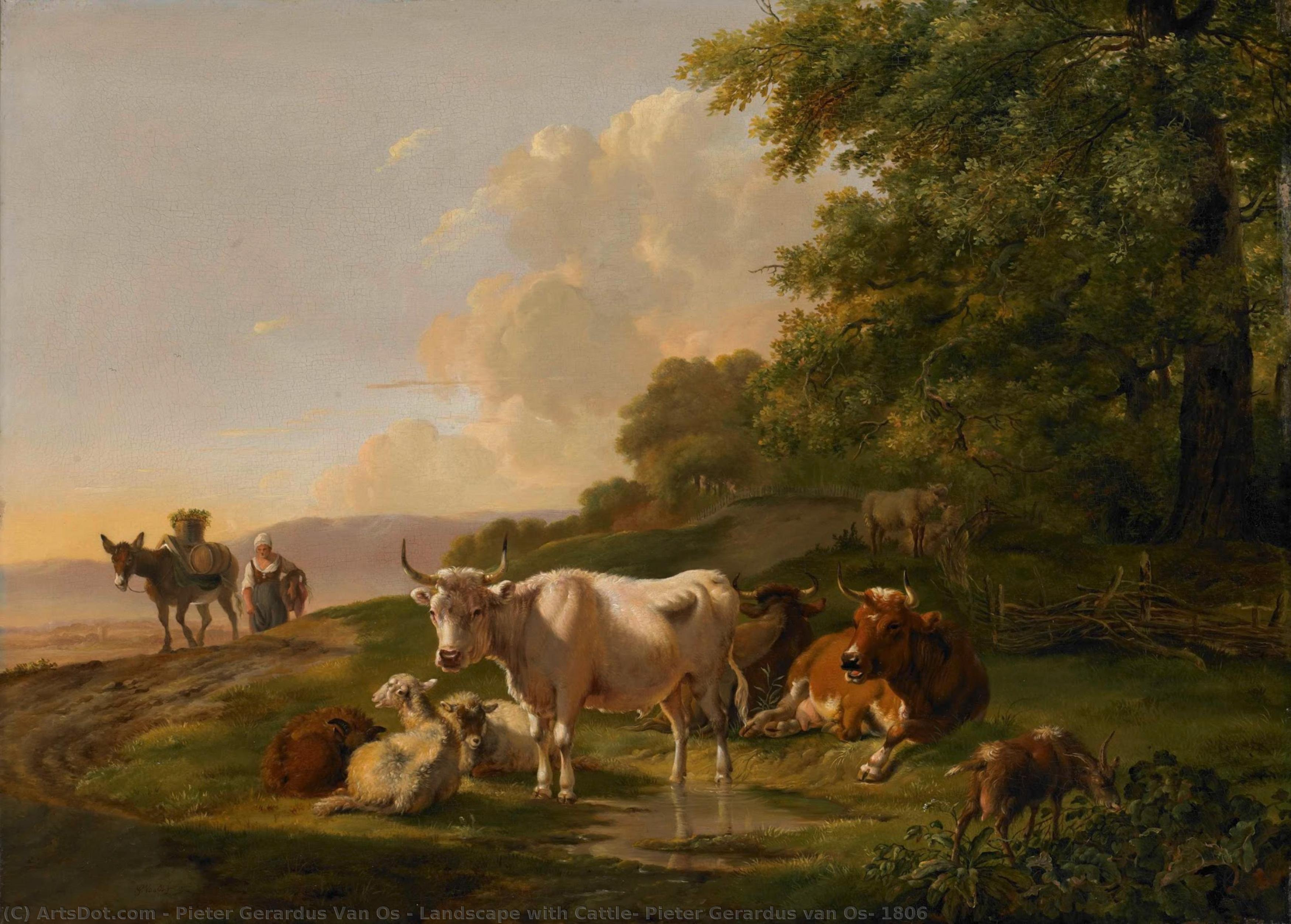
Landscape with Cattle, Pieter Gerardus van Os, 1806
 1806
1806 38.0 x 52.0 cm
 Pročitaj više
Kupite digitalnu sliku visoke rezolucije i poboljšanog kvaliteta, koja je znatno superiornija od onoga što vidite u online prikazu.
Svaka datoteka je pedantno pripremljena od strane naših stručnjaka koristeći napredne alate i profesionalnu ručnu retušu. Osiguravamo da svaka slika ima izuzetnu oštrinu, preciznu reprodukciju boja i fine detalje.
Konačna datoteka se dostavlja putem e-pošte u roku od 72 sata, optimizovana za neposrednu upotrebu u profesionalnim, izdavačkim i štamparskim okruženjima. To je isti kvalitet kojem veruju vrhunski studiji dizajna, izdavači i galerije.
Digitalna slika
Preuzmite datoteku visoke rezolucije za ličnu upotrebu, štampanje i kreativne projekte. ( Kupi print Kupi ručno naslikanu sliku)
Uključeno uz svaku porudžbinu digitalne slike
Profesionalna digitalna isporuka, zagarantovana
Kada odaberete ArtsDot.com, ne dobijate samo sliku – vi primate profesionalno unapređeno digitalno umetničko delo, izrađeno sa najvećom preciznošću i uz garanciju zadovoljstva. Evo svega što automatski dolazi uz vašu porudžbinu:

Brza dostava putem e-pošte
Vaša digitalna slika visoke rezolucije biće vam poslata putem e-pošte u roku od 72 sata od poručivanja – spremna za trenutnu upotrebu.

Digitalna datoteka unapređena veštačkom inteligencijom
Vaše umetničko delo je profesionalno optimizovano korišćenjem naprednih AI alata i ručne obrade, čime se osiguravaju maksimalni detalji, oštrina i preciznost boja.

Besplatna ponovna isporuka doživotno
Slučajno ste obrisali ili izgubili svoju datoteku? Ne brinite – poslaćemo vam je ponovo u bilo kom trenutku, potpuno besplatno.

Bez troškova uvoza – zauvek
Uživajte u svojim umetničkim delima trenutno, bez carine, dažbina ili troškova dostave – digitalni download je uvek bez poreza.

Garancija vernosti boja
Uz pomoć profesionalnih alata i upravljanja bojama, osiguravamo da vaša digitalna slika što vernije odražava originalne boje.

Garancija zadovoljstva u roku od 60 dana
Ako niste zadovoljni svojom digitalnom slikom, revidirat ćemo je ili vratiti 100% novca u roku od 60 dana – bez ikakvih pitanja.

100% garancija povrata novca
Niste zadovoljni? Obezbedite pun povrat novca u roku od 60 dana od trenutka kada ste primili svoju digitalnu datoteku – bez suvišnih pitanja.

Popusti na velike porudžbine
Kupite 3 slike, uštedite 10% - Kupite 5 slika, uštedite 15% - Kupite 10+ slika, uštedite 20%. Odlično za kreativne projekte, galerije i agencije.
Opis kolekcionarskog dela
Srodna umetnička dela









Biografija umetnika
John Constable: Bridging Observation and Emotion
Born in East Bergholt, Suffolk, on June 11th, 1776, John Constable emerged as a pivotal figure in British landscape painting, forever altering the genre’s trajectory. His life was one of quiet dedication to capturing the essence of the natural world, a pursuit deeply intertwined with his personal experiences and artistic sensibilities. Unlike many of his contemporaries who embarked on grand European tours seeking inspiration, Constable remained rooted in his beloved Suffolk countryside – a region he meticulously documented throughout his career. This steadfast connection profoundly shaped his unique style, characterized by an intensely subjective approach to observation and a remarkable ability to convey the fleeting effects of light and atmosphere.
Constable’s early life was marked by a familial expectation that he would follow in his father's footsteps as a corn merchant. However, a youthful inclination towards art, nurtured through lessons with local artists and fueled by an avid study of Dutch masters like Ruisdael – particularly their masterful depiction of light and shadow – ultimately led him to pursue painting. The influence of Gainsborough, another Suffolk native, is readily apparent in Constable’s early works, evident in the meticulous detail and formal compositions. Yet, he quickly distinguished himself by rejecting the rigid conventions of 18th-century landscape painting, which he viewed as prioritizing picturesque arrangements over genuine feeling. As he famously declared, “I should paint my own places best,” emphasizing his commitment to capturing the emotional resonance of familiar landscapes rather than merely replicating them.
The Pursuit of ‘Light, Dews, Breezes, Bloom’
Constable's artistic philosophy centered on a deeply personal engagement with nature. He sought not simply to represent scenes but to translate the sensations he experienced – the warmth of sunlight, the coolness of dew, the rustle of leaves in the breeze, and the vibrant colors of wildflowers. This pursuit is vividly reflected in his technique: he abandoned traditional methods of smooth finish, opting instead for a vigorous, expressive brushstroke that conveyed movement, texture, and the ephemeral qualities of light. His paintings are imbued with an immediacy and spontaneity rarely found in earlier landscape works.
His dedication to capturing these fleeting moments led him to develop a revolutionary technique known as “direct painting.” He would often work directly on location, sketching in oils and meticulously observing how light transformed the appearance of his subjects throughout the day. This practice informed his later, larger-scale paintings, which he began to refer to as ‘six-footers’ due to their imposing size. These monumental works, such as *The Hay Wain* (1820) and *Dedham Vale* (1822), became iconic representations of the Suffolk countryside, capturing not just a specific place but also a particular mood and atmosphere.
Key Works and Recognition
Constable’s most celebrated paintings include *Wivenhoe Park* (1816), a vibrant depiction of the River Yare at Wivenhoe, and *The Hay Wain*, arguably his most famous work. *Dedham Vale*, painted in 1822, offers a serene portrayal of his beloved village and surrounding landscape. These works, along with numerous other landscapes depicting Suffolk’s rivers, meadows, and woodlands, demonstrate Constable's extraordinary ability to capture the beauty and tranquility of the natural world.
Despite facing initial skepticism from critics in England, Constable gained considerable recognition in France, where his paintings were highly valued. He was elected to the Royal Academy of Arts in 1824 at the age of 47, a significant achievement that acknowledged his artistic merit. However, he continued to struggle financially throughout his career, and his later years were marked by disappointment and relative obscurity.
Legacy and Influence
John Constable’s impact on British landscape painting is undeniable. He liberated the genre from its constraints, paving the way for a more subjective and emotionally resonant approach. His emphasis on direct observation, expressive brushwork, and the portrayal of fleeting atmospheric effects profoundly influenced subsequent generations of artists, including J.M.W. Turner, with whom he shared a deep respect. Constable’s legacy extends beyond his individual works; he established a tradition of painting that celebrated the beauty and significance of the English countryside, shaping our understanding of landscape art for centuries to come.
His work continues to resonate today, captivating viewers with its honesty, sensitivity, and profound connection to nature. Constable’s paintings serve as a reminder of the power of observation, the importance of personal experience, and the enduring beauty of the natural world – values that remain remarkably relevant in our contemporary society.
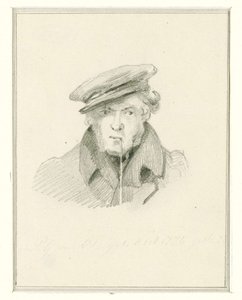
pieter gerardus van os
1776 - 1839 , Netherlands
Kratke činjenice
- Artistic Movement Or Style: Romanticism
- Artists Or Movements Influenced By This Artist:
- Delacroix
- Barbizon School
- Artists Who Influenced This Artist:
- Gainsborough
- Ruisdael
- Date Of Birth: 11 June 1776
- Date Of Death: 31 March 1837
- Full Name: John Constable
- Nationality: English
- Notable Artworks:
- The Hay Wain
- Dedham Vale
- Wivenhoe Park
- Place Of Birth: East Bergholt, Suffolk

