

 Pregledaj u prostoru
 Pošalji
 Podeli
 Detalji o delu

 Преузми
 Slični predmeti
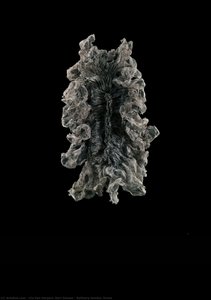
 Rendgenski snimak
 Slajdovi
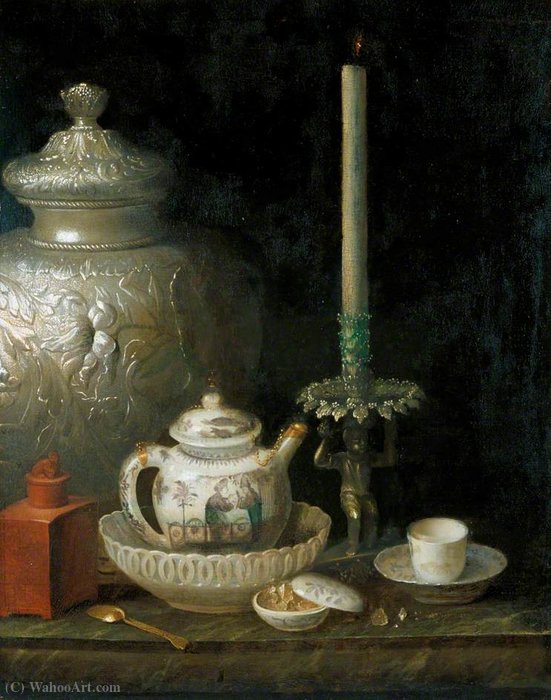
Teapot, Ginger Jar and Slave Candlestick
 Pročitaj više
Giclee štampa / Umetnički otisak
Giclée štampa ili print na platnu muzejskog kvaliteta uz brzu proizvodnju i fleksibilne opcije završne obrade. ( Kupi ručno naslikanu sliku Kupi digitalnu sliku)




































Izaberite jednu od naših unapred definisanih veličina koje odgovaraju originalnim proporcijama umetničkog dela.

Možete uneti sopstvene dimenzije kako biste umetničko delo prilagodili specifičnom okviru ili prostoru. Ako odabrani format ne odgovara proporcijama originalne slike, mi ćemo ili iscrtati deo dela ili proširiti sliku pomoću ogledane ivice ili jednobojnog popunjavanja. Digitalni prikaz će vam biti poslat na odobrenje pre početka proizvodnje.
Imajte na umu da pregled na ekranu ne odražava stvarno iscrtavanje ili proširivanje. Samo će prikaz (mockup) precizno pokazati finalnu kompoziciju.
Iako su prilagođene dimenzije dostupne, preporučujemo da odaberete dimenziju sa unapred definisane liste kako biste očuvali originalne proporcije.
Dostava širom sveta () za 2 nedelje umesto uobičajenih 4/5 nedelja. (7 септембар)

Besplatna ekspresna dostava širom sveta

Visokokvalitetno laneno platno

Kompletno osiguranje transporta

Garancija povraćaja carine i uvoznih dažbina

Garancija vernosti boja

Politika povrata u roku od 100 dana (samo u slučaju nedostataka)

Garancija povrata novca od 100%

Popust pri grupnoj kupovini
 Opcija sa staklom dostupna je samo za dimenzije manje od 110 cm

Teapot, Ginger Jar and Slave Candlestick
Giclee štampa / Umetnički otisak
Dimenzije reprodukcije
-


Konačna cena
$ 62
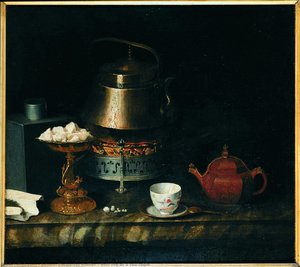
Srodna umetnička dela








Biografija umetnika
Pieter Gerritsz van Roestraten: Life and Legacy
Early Life and Training
Born on April 21, 1630, in Haarlem, Netherlands, Pieter Gerritsz van Roestraten emerged as a prominent figure during the Dutch Golden Age. His father, Gerrit Maertenszoon, may have originated from Leiden. Van Roestraten began his artistic journey by studying under the renowned painter Frans Hals in Haarlem for at least five years starting from 1649. This foundational training significantly shaped his early style and technique.
Career Development and Move to London
Following his apprenticeship, Van Roestraten moved to Amsterdam around 1651, residing in the Anthonie Breestraat. He married Adriaentje Hals, a daughter of Frans Hals, six years his senior, in 1654. Around this time, he developed a close working relationship with Flemish genre painter Daniël Boone. Subsequently, Van Roestraten relocated to London, where he would spend the remainder of his career. This move proved pivotal, allowing him access to a wealthy and influential clientele.
Life in London and Patronage
Van Roestraten’s time in London was marked by success and patronage from high society. He skillfully navigated the artistic landscape, reportedly introduced to King Charles II by Sir Peter Lely with a stipulation that he refrain from portraiture. This allowed him to focus on his preferred subjects: still lifes and genre scenes. He earned substantial income – forty to fifty pounds sterling per still life – reflecting the demand for his work.
Artistic Style and Major Themes
Van Roestraten’s artistic output encompassed several genres, but he is most celebrated for his masterful still lifes. His works are characterized by:
- Pronkstillevens: Ostentatious displays of luxurious objects, particularly silver, showcasing his exceptional ability to depict reflective surfaces.
- Vanitas Paintings: Symbolic compositions that explore themes of mortality, the transience of life, and the emptiness of worldly possessions. These often included skulls, decaying fruit, and extinguished candles.
- Genre Scenes: Glimpses into everyday life, offering insights into 17th-century society.
Influences and Artistic Development
Frans Hals’s influence is evident in Van Roestraten's loose brushwork and realistic portrayal of figures. However, he developed a unique style characterized by meticulous detail, particularly in rendering textures and light effects. His time in London exposed him to different artistic trends, further refining his technique.
Major Achievements and Historical Significance
Van Roestraten’s legacy lies in his ability to capture the opulence and philosophical undercurrents of the Dutch Golden Age. His still lifes are not merely decorative; they serve as meditations on life, death, and the fleeting nature of material wealth. Surviving the Great Fire of London in 1666 added a layer of resilience to his story. He died on July 10, 1700, and was buried in St. Paul's Cathedral.
Legacy and Modern Appreciation
Today, Pieter Gerritsz van Roestraten’s works are held in various collections worldwide, offering a valuable window into the artistic and cultural landscape of the 17th century. His paintings continue to be admired for their technical skill, symbolic depth, and historical significance.
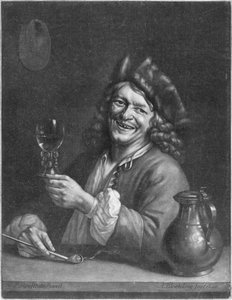
pieter gerritsz van roestraten
1630 - 1700 , Netherlands
Osnovne informacije
- Birth Date: April 21, 1630
- Birth Place: Haarlem, Netherlands
- Death Date: July 10, 1700
- Influenced By: Frans Hals
- Movement: Dutch Golden Age painting
- Name: Pieter Gerritsz van Roestraten
- Nationality: Dutch
- Notable Works: Vanitas (1678)