

 Pregledaj u prostoru
 Pošalji
 Podeli
 Detalji o delu

 Преузми
 Slični predmeti
 Rendgenski snimak
 Slajdovi
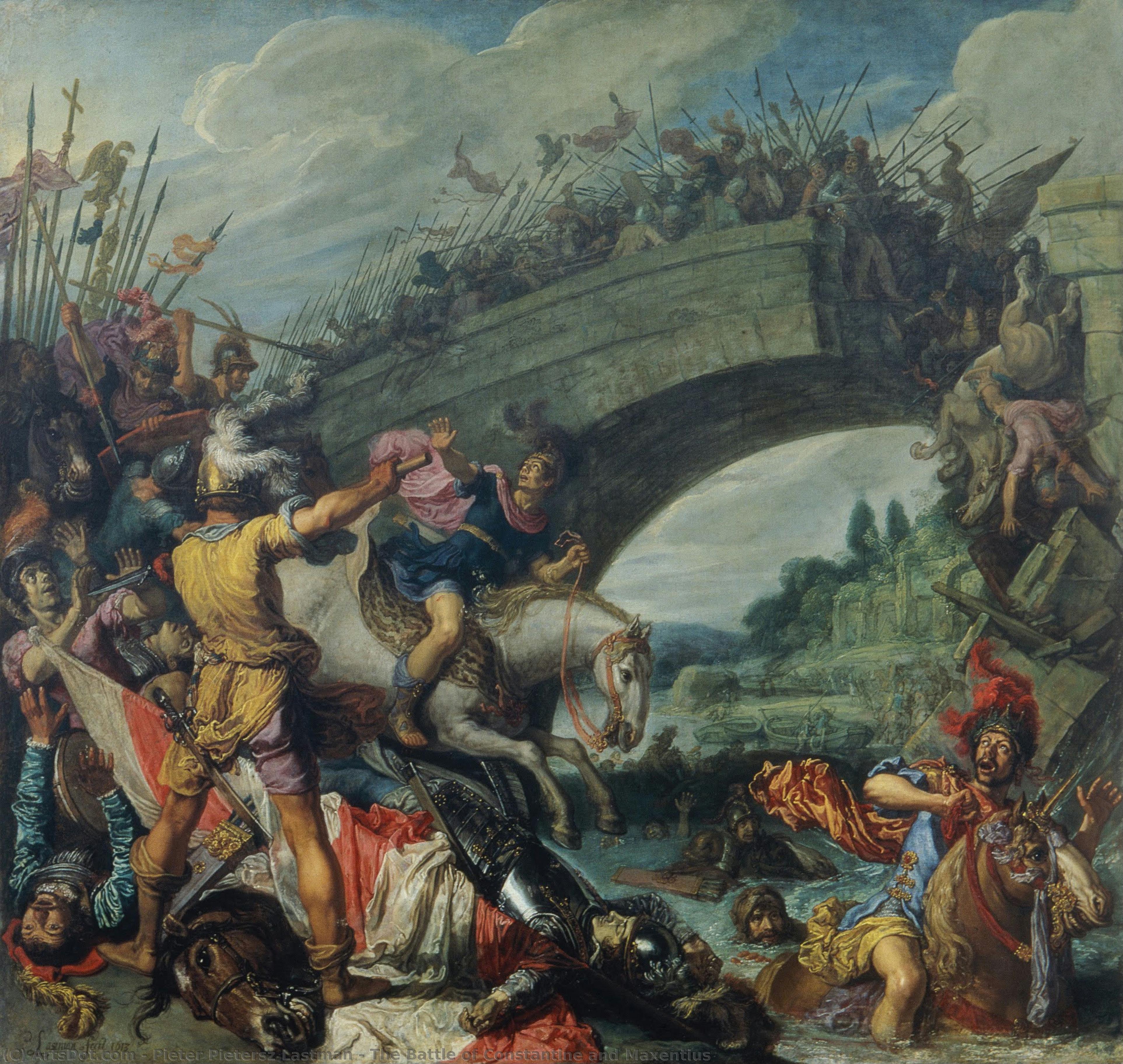
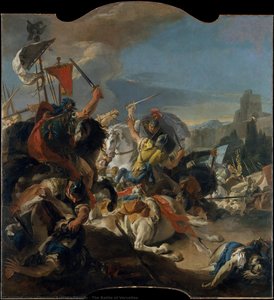
The Battle of Constantine and Maxentius
 1613
1613 161.0 x 170.0 cm
 Kunsthalle Bremen
 Pročitaj više
Kupite digitalnu sliku visoke rezolucije i poboljšanog kvaliteta, koja je znatno superiornija od onoga što vidite u online prikazu.
Svaka datoteka je pedantno pripremljena od strane naših stručnjaka koristeći napredne alate i profesionalnu ručnu retušu. Osiguravamo da svaka slika ima izuzetnu oštrinu, preciznu reprodukciju boja i fine detalje.
Konačna datoteka se dostavlja putem e-pošte u roku od 72 sata, optimizovana za neposrednu upotrebu u profesionalnim, izdavačkim i štamparskim okruženjima. To je isti kvalitet kojem veruju vrhunski studiji dizajna, izdavači i galerije.
Digitalna slika
Preuzmite datoteku visoke rezolucije za ličnu upotrebu, štampanje i kreativne projekte. ( Kupi print Kupi ručno naslikanu sliku)
Uključeno uz svaku porudžbinu digitalne slike
Profesionalna digitalna isporuka, zagarantovana
Kada odaberete ArtsDot.com, ne dobijate samo sliku – vi primate profesionalno unapređeno digitalno umetničko delo, izrađeno sa najvećom preciznošću i uz garanciju zadovoljstva. Evo svega što automatski dolazi uz vašu porudžbinu:

Brza dostava putem e-pošte
Vaša digitalna slika visoke rezolucije biće vam poslata putem e-pošte u roku od 72 sata od poručivanja – spremna za trenutnu upotrebu.

Digitalna datoteka unapređena veštačkom inteligencijom
Vaše umetničko delo je profesionalno optimizovano korišćenjem naprednih AI alata i ručne obrade, čime se osiguravaju maksimalni detalji, oštrina i preciznost boja.

Besplatna ponovna isporuka doživotno
Slučajno ste obrisali ili izgubili svoju datoteku? Ne brinite – poslaćemo vam je ponovo u bilo kom trenutku, potpuno besplatno.

Bez troškova uvoza – zauvek
Uživajte u svojim umetničkim delima trenutno, bez carine, dažbina ili troškova dostave – digitalni download je uvek bez poreza.

Garancija vernosti boja
Uz pomoć profesionalnih alata i upravljanja bojama, osiguravamo da vaša digitalna slika što vernije odražava originalne boje.

Garancija zadovoljstva u roku od 60 dana
Ako niste zadovoljni svojom digitalnom slikom, revidirat ćemo je ili vratiti 100% novca u roku od 60 dana – bez ikakvih pitanja.

100% garancija povrata novca
Niste zadovoljni? Obezbedite pun povrat novca u roku od 60 dana od trenutka kada ste primili svoju digitalnu datoteku – bez suvišnih pitanja.

Popusti na velike porudžbine
Kupite 3 slike, uštedite 10% - Kupite 5 slika, uštedite 15% - Kupite 10+ slika, uštedite 20%. Odlično za kreativne projekte, galerije i agencije.
Srodna umetnička dela





Biografija umetnika
A Pioneer of Dutch Narrative: Pieter Lastman’s Enduring Legacy
Pieter Pietersz Lastman, born in Amsterdam in 1583, occupies a fascinating and pivotal position within the history of Dutch Golden Age painting. For too long overshadowed by his most celebrated pupil, Rembrandt van Rijn, Lastman was not merely a teacher but a groundbreaking artist in his own right—a pioneer who revitalized historical painting in the Netherlands and laid the foundations for the dramatic narratives that would come to define the era. His life, though relatively short, was marked by artistic ambition, a significant sojourn in Italy, and an unwavering commitment to storytelling through vivid imagery. Lastman’s early life provided a fertile ground for his burgeoning talent; his father, Pieter Segersz, while dismissed from his position as town-beadle due to religious convictions, instilled a sense of civic duty, and his mother, Barber Jacobsdr, possessed a keen eye for art as an appraiser of paintings and goods. This familial environment fostered an appreciation for both the visual arts and the world beyond the canvas. He began his artistic training under Gerrit Pietersz Sweelinck, brother to the renowned composer Jan Pieterszoon Sweelinck, receiving a solid foundation in technique before embarking on a transformative journey to Italy around 1604.The Italian Influence and Return to Amsterdam
Lastman’s time in Italy proved crucial in shaping his artistic vision. Immersed in the vibrant art scene of Rome, he encountered the works of Caravaggio and Adam Elsheimer—artists who profoundly impacted his approach to painting. Unlike the prevailing Mannerist style, Caravaggio's naturalism and dramatic use of light resonated deeply with Lastman, while Elsheimer’s meticulous detail and focus on historical subjects provided a new direction for his own narrative ambitions. He adopted the Italian practice of signing his works as “Pietro,” demonstrating his embrace of the cultural milieu. Upon returning to Amsterdam in 1607, Lastman became a leading figure in the city's artistic community. He established himself as a history painter—a genre that had been somewhat neglected in Dutch art—and quickly gained recognition for his innovative compositions and compelling storytelling. His studio soon attracted talented apprentices, most notably Rembrandt van Rijn, who spent six formative months under Lastman’s tutelage in 1625.A Master of Biblical Narrative
Lastman's paintings are characterized by their dramatic intensity, meticulous attention to detail, and a keen psychological insight into his subjects. He favored biblical scenes, often choosing lesser-known narratives that allowed him to explore complex themes of faith, betrayal, and redemption. Works like “The Battle of Constantine” exemplify his ability to create dynamic compositions filled with movement and emotion. The scene is not merely a depiction of historical events but a powerful exploration of human conflict and divine intervention. Similarly, paintings such as "David Gives Uriah a Letter for Joab" showcase Lastman’s willingness to tackle challenging subjects—depicting moments of moral ambiguity and psychological tension. He paid particular attention to the faces, hands, and feet of his figures, imbuing them with expressive detail that conveyed their inner turmoil. His use of color was bold and vibrant, further enhancing the emotional impact of his scenes.Lastman’s Legacy: Shaping a Generation
The influence of Pieter Lastman extended far beyond his own artistic output. As a teacher, he played a pivotal role in shaping the next generation of Dutch painters. Rembrandt van Rijn, undoubtedly his most famous pupil, absorbed many of Lastman's techniques and narrative approaches—particularly his dramatic use of light and shadow, his focus on psychological realism, and his penchant for biblical subjects. Jan Lievens also benefited from Lastman’s guidance, developing a similar style characterized by intense emotion and dynamic compositions. Beyond these prominent figures, Lastman mentored several other artists who contributed to the flourishing of Dutch Golden Age painting. He was instrumental in establishing Amsterdam as a center for history painting, paving the way for the artistic innovations that would define the 17th century. Although he died relatively young in 1633, his impact on Dutch art remains profound—a testament to his vision, skill, and unwavering commitment to storytelling through paint.Rediscovering Lastman: A Growing Appreciation
For centuries, Pieter Lastman’s contributions were often overshadowed by the brilliance of Rembrandt. However, recent scholarship has begun to redress this imbalance, recognizing him as a pivotal figure in Dutch art history. As more attention is paid to his individual works and his influence on other artists, a fuller appreciation for his unique talents is emerging. Museums around the world are re-evaluating their collections, showcasing Lastman’s paintings alongside those of his pupils, allowing viewers to appreciate the direct connection between his work and the masterpieces that followed. The rediscovery of Lastman is not merely an academic exercise but a vital step in understanding the complex evolution of Dutch Golden Age painting—acknowledging the contributions of a true pioneer who laid the foundations for one of the most celebrated periods in art history.
pieter pietersz lastman
1583 - 1633 , Netherlands
Kratke činjenice
- Artistic Movement Or Style: Dutch Golden Age painting
- Artists Or Movements Influenced By This Artist:
- Rembrandt
- Jan Lievens
- Artists Who Influenced This Artist:
- Caravaggio
- Adam Elsheimer
- Date Of Birth: 1583
- Date Of Death: 1633
- Full Name: Pieter Pietersz Lastman
- Nationality: Dutch
- Notable Artworks:
- The Battle of Constantine
- Annunciation
- David Gives Uriah a Letter
- Place Of Birth: Amsterdam, Netherlands

