

 Pregledaj u prostoru
 Pošalji
 Podeli
 Detalji o delu

 Преузми
 Slični predmeti
 Rendgenski snimak
 Slajdovi
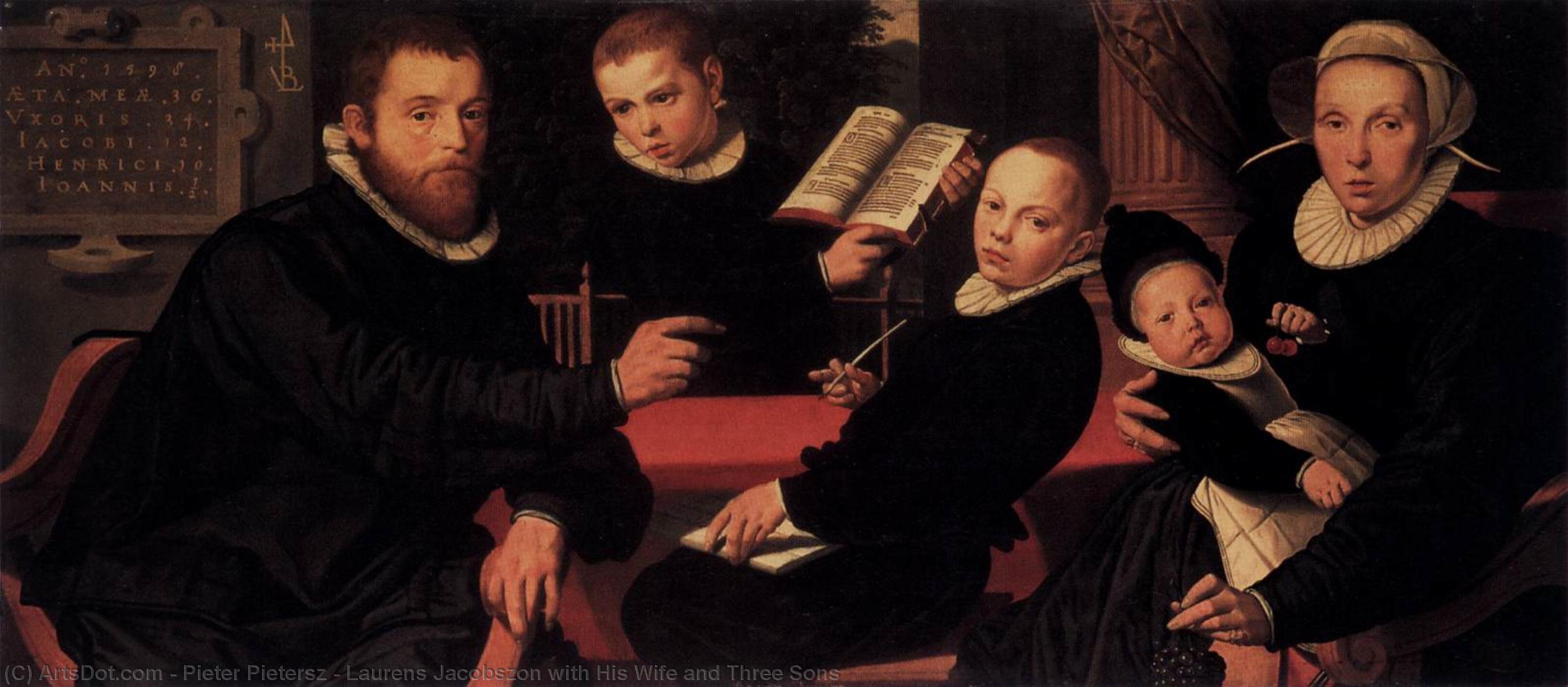
Laurens Jacobszon with His Wife and Three Sons
 Oil
Oil- WallArt
- Renaissance
 1598
1598- Renaissance
 73.0 x 166.0 cm
 Staatliche Museen zu Berlin
 Pročitaj više
Ručno rađena uljana reprodukcija
Ručno oslikano uljanim bojama na platnu u dimenzijama i okviru po vašem izboru, izrađeno po porudžbini od strane naših umetnika. ( Kupi print Kupi digitalnu sliku)




P118B $10

P118H $10

P118W $10

P438Z $10

P508JH $12

P508YH $12

P805H $10

P805Z $10

P919BZ $10

P919G $10

P919XJ $10

P959ZH $10

P968JZ $12

W106C $8

W218G $10

W218JH $8

W218Y $10

W307PJ $10

W316G $10

W316PJ $8

W316Y $10

W398PJ $8

W4111J $10

W500HY $15

W500JH $15

W692G $12

W849H $8

W940BG $15

W953PJ $8




Izaberite jednu od naših unapred definisanih veličina koje odgovaraju originalnim proporcijama umetničkog dela.

Можете унети сопствене димензије како бисте прилагодили дело одређеном оквиру или простору. Ако одабрана величина не одговара пропорцијама оригинала, слика ће бити исечена или проширена додатним елементима који се ручно насликавају. Дигитални prikaz ће вам бити послат на одобрење пре почетка производње.
Имајте на уму да преглед на екрану не одражава стварно исецање или проширење. Само приказ (mockup) ће тачно приказати коначну композицију.
Иако су доступне прилагођене величине, препоручујемо да одаберете димензију из дефинисане листе како бисте сачували оригиналне пропорције.
Nakon narudžbine, tim ArtsDot.com će klijentu putem e-pošte poslati uputstva i dostaviti prikaz predloženog rešenja
Isporuka širom sveta () za 3/4 nedelje umesto uobičajenih 5 nedelja. (28 август). Bez kompromisa po pitanju kvaliteta.

Besplatna ekspresna dostava širom sveta

Visokokvalitetno laneno platno

Kompletno osiguranje transporta

Garancija povraćaja carine i uvoznih dažbina

Garancija vernosti boja

Politika povrata u roku od 60 dana (samo u slučaju nedostataka)

Garancija povrata novca od 100%

Popust pri grupnoj kupovini
 Opcija sa staklom dostupna je samo za dimenzije manje od 110 cm

Laurens Jacobszon with His Wife and Three Sons
Tehnika reprodukcije
Dimenzije reprodukcije
-


Konačna cena
$ 263
A Moment Frozen in Time
In the quiet, flickering light of a late sixteenth-century evening, Pieter Pietersz captures more than just faces; he captures the very essence of domestic devotion. Laurens Jacobszon with His Wife and Three Sons serves as a profound window into the private lives of the Dutch Renaissance. As we gaze upon the family gathered around their dining table, there is an immediate sense of togetherness and warmth that transcends the centuries. The composition, centered around the shared space of the meal, invites the viewer to witness a moment of quiet connection, where the presence of a single book resting on the table hints at a life enriched by both faith and intellect. Every element, from the formal attire to the deliberate placement of the figures, works in harmony to celebrate the stability and grace of the family unit.The Artistry of Pieter Pietersz
To understand the technical brilliance of this work, one must look to the artist’s roots in the vibrant artistic hub of Antwerp. A master of his craft, Pietersz brought a refined sensibility to portraiture, moving away from the grander, more chaotic market scenes of his predecessors toward the intimate and the personal. His ability to render the textures of formal attire—the crispness of a collar or the heavy drape of a sleeve—demonstrates a meticulous attention to detail that was characteristic of the Flemish tradition. Through subtle shifts in light and shadow, he breathes life into the figures, ensuring that each family member possesses a distinct, soulful presence. This mastery of light not only illuminates the subjects but also creates an atmosphere of reverence, turning a simple family portrait into a monumental study of human character.An Elegant Legacy for the Modern Collector
For the discerning interior designer or art collector, this masterpiece offers an unparalleled opportunity to infuse a space with historical depth and classical elegance. The painting’s composition makes it a versatile centerpiece, capable of anchoring a formal dining room or adding a layer of sophisticated storytelling to a private study.Integrating a high-quality reproduction of such a significant work into a contemporary setting provides several aesthetic advantages:
- A sense of historical continuity that anchors modern living spaces with timeless tradition.
- An infusion of warmth and light through the masterful use of Renaissance-era tonal depth.
- A profound conversation piece that celebrates the enduring, universal themes of family and legacy.
Srodna umetnička dela

Biografija umetnika
A Legacy of Light and Life: The Journey of Pieter Pietersz
In the heart of the Flemish Golden Age, amidst the bustling commerce and burgeoning creativity of Antwerp, a master was born who would forever capture the pulse of Northern European life. Pieter Pietersz (1540–1603) emerged from a lineage deeply rooted in the artistic soil of Belgium, the son of the renowned Pieter Aertsen. Growing up in an era where art and trade were inextricably linked, Pietersz did not merely inherit a name; he inherited a vision. While his father was celebrated for grander, often complex allegories, the younger Pietersz found his calling in the intimate and the immediate. His life was a masterful navigation of the shifting tides of the Dutch Renaissance, moving from the religious fervor of Haarlem to the mercantile sophistication of Amsterdam.
The trajectory of his career was shaped by both necessity and profound talent. As noted by the contemporary chronicler Karel van Mander, Pieters_z’s early professional path was influenced by the availability of commissions. While he possessed the technical prowess for large-scale religious narratives—as evidenced by his early works in Haarlem between 1569 and 1583—he strategically turned toward portraiture and genre painting. This transition allowed him to secure a steady patronage, transforming him from a mere painter into a respected figure of the social fabric. His marriage to Magdalena Pietersz, daughter of a Haarlem glass painter, further wove him into the very tapestry of the Netherlandish artistic community, creating a domestic life as colorful and interconnected as his canvases.
The Mastery of the Market and the Soul
To look upon a work by Pieter Pietersz is to step into the vibrant, noisy, and sensory-rich world of the 16th-century marketplace. He possessed an uncanny ability to translate the chaotic energy of urban life into structured, luminous compositions. His market scenes are not merely depictions of commerce; they are celebrations of abundance and human interaction. Through a meticulous application of color and light, he captured the glint of fresh produce, the texture of woven goods, and the subtle expressions of the common folk navigating the stalls.
Beyond the bustling streets, Pietersz’s mastery extended to the quiet dignity of portraiture. In these works, one finds a profound psychological depth. He moved beyond simple likeness, utilizing the techniques of the Dutch Renaissance to imbue his subjects with a sense of character and permanence. His ability to balance the fiery originality seen in his guild commissions with the delicate precision required for individual portraits established him as a versatile titan of his age. This duality—the ability to capture both the grand spectacle of a guild celebration and the quiet introspection of a single face—is what defines his enduring historical significance.
An Enduring Artistic Lineage
The impact of Pieter Pietersz extends far beyond the frames of his individual paintings. He was a cornerstone of an artistic dynasty that helped define the visual language of the Low Countries. His influence can be traced through several key facets of his life and legacy:
- Familial Influence: As the elder brother to Aert and Dirk Pietersz, and the grandfather to Dirck van Santvoort, he sat at the center of a family tree that nourished generations of Flemish and Dutch talent.
- The Antwerp-Amsterdam Connection: His movement between these two pivotal cities allowed him to bridge the gap between the traditional Flemish style and the emerging Dutch realism.
- Cultural Recognition: Known affectionately in historical records as "jonge lange pier," a nod to his father’s famous moniker, he carried the weight of his heritage while carving out a distinct identity as a wealthy merchant-artist.
By the time of his death in Amsterdam in 1603, Pieter Pietersz had achieved much more than financial success; he had become a chronicler of an era. His works remain vital touchstones for understanding the transition from the late Middle Ages to the dawn of the Dutch Golden Age, reminding us that even in the simplest market scene, there is a profound beauty waiting to be discovered by the observant eye.
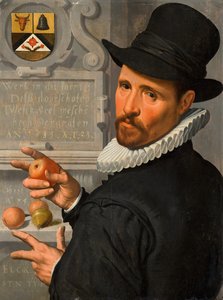
Pieter Pietersz
1540 - 1603 , Belgium
Osnovne informacije
- Artistic Movement Or Style: Renaissance Portraiture
- Artists Or Movements Influenced By This Artist: ['Haarlems Stijl']
- Artists Who Influenced This Artist: ['Pieter Aertsen']
- Date Of Birth: 1540 Antwerp Belgium
- Date Of Death: 1603
- Full Name: Pieter Pietersz
- Nationality: Dutch Renaissance
- Notable Artworks: ['Portrait of Dirckje Tymansdr Gael, called van der Graft']
- Place Of Birth: Antwerp Belgium
Povezani članci
Pieter de Hooch: Illuminating Dutch Domestic Life & Golden Age Charm
Explore the captivating world of Pieter de Hooch, a master of Dutch Golden Age painting. Discover his innovative use of light, intimate domestic scenes, and lasting influence on art history. Learn more at ArtsDot.

Golden Age Reflections: Dutch Baroque Painting & Cultural Innovation
Explore the Dutch Golden Age of painting! Discover key artists like Vermeer & ter Borch, their innovative techniques, and the rich cultural context behind these Baroque masterpieces. Learn about collecting & appreciating this iconic art period.
Depicting Kinship: Family Values Across Artistic Movements & Historical Contexts
Explore the rich history of depicting kinship in art! From Dutch Masters to contemporary artists, discover how family values have been represented across movements & time. Expert insights for collectors at ArtsDot.
Abraham Hulk Senior: Pioneering Maritime Topography of the Dutch Golden Age
Explore the captivating seascapes of Abraham Hulk Senior, a leading Anglo-Dutch marine painter of the 19th century. Discover his signature style, family legacy & collectable artworks at ArtsDot.

Illuminating Innovation: Exploring the Dutch Golden Age of Painting
Explore the Dutch Golden Age of painting with ArtsDot. Discover Rembrandt, Vermeer & other Masters. Learn about key characteristics, iconic artworks, and lasting influence. Expert insights for collectors & enthusiasts.

