

 Pregledaj u prostoru
 Pošalji
 Podeli
 Detalji o delu

 Преузми
 Slični predmeti
 Rendgenski snimak
 Slajdovi
 Stats
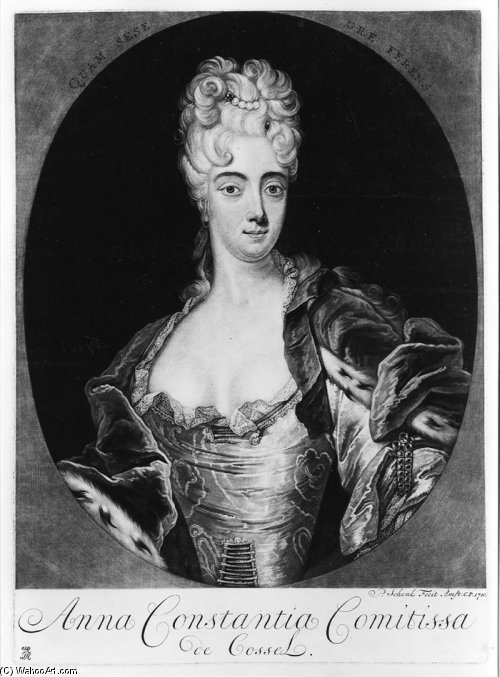
StatsCosel, Anna Konstanze Gräfin Von, Geb. Brockdorff
 Pročitaj više
Kupite digitalnu sliku visoke rezolucije i poboljšanog kvaliteta, koja je znatno superiornija od onoga što vidite u online prikazu.
Svaka datoteka je pedantno pripremljena od strane naših stručnjaka koristeći napredne alate i profesionalnu ručnu retušu. Osiguravamo da svaka slika ima izuzetnu oštrinu, preciznu reprodukciju boja i fine detalje.
Konačna datoteka se dostavlja putem e-pošte u roku od 72 sata, optimizovana za neposrednu upotrebu u profesionalnim, izdavačkim i štamparskim okruženjima. To je isti kvalitet kojem veruju vrhunski studiji dizajna, izdavači i galerije.
Digitalna slika
Preuzmite datoteku visoke rezolucije za ličnu upotrebu, štampanje i kreativne projekte. ( Switch to Print Kupi ručno naslikanu sliku)
Uključeno uz svaku porudžbinu digitalne slike
Profesionalna digitalna isporuka, zagarantovana
Kada odaberete ArtsDot.com, ne dobijate samo sliku – vi primate profesionalno unapređeno digitalno umetničko delo, izrađeno sa najvećom preciznošću i uz garanciju zadovoljstva. Evo svega što automatski dolazi uz vašu porudžbinu:

Brza dostava putem e-pošte
Vaša digitalna slika visoke rezolucije biće vam poslata putem e-pošte u roku od 72 sata od poručivanja – spremna za trenutnu upotrebu.

Digitalna datoteka unapređena veštačkom inteligencijom
Vaše umetničko delo je profesionalno optimizovano korišćenjem naprednih AI alata i ručne obrade, čime se osiguravaju maksimalni detalji, oštrina i preciznost boja.

Besplatna ponovna isporuka doživotno
Slučajno ste obrisali ili izgubili svoju datoteku? Ne brinite – poslaćemo vam je ponovo u bilo kom trenutku, potpuno besplatno.

Bez troškova uvoza – zauvek
Uživajte u svojim umetničkim delima trenutno, bez carine, dažbina ili troškova dostave – digitalni download je uvek bez poreza.

Garancija vernosti boja
Uz pomoć profesionalnih alata i upravljanja bojama, osiguravamo da vaša digitalna slika što vernije odražava originalne boje.

Garancija zadovoljstva od 100 dana
Ako niste zadovoljni svojom digitalnom slikom, izvršićemo reviziju ili ćemo vam vratiti 100% novca u roku od 100 dana – bez ikakvih pitanja.

100% garancija povrata novca
Niste zadovoljni? Dobijte puni povraćaj novca u roku od 100 dana od prijema digitalne datoteke – bez suvišnih pitanja.

Popusti na velike porudžbine
Kupite 3 slike, uštedite 10% - Kupite 5 slika, uštedite 15% - Kupite 10+ slika, uštedite 20%. Odlično za kreativne projekte, galerije i agencije.
Srodna umetnička dela





Biografija umetnika
The Silent Master of Flemish Allegory
Pieter Schenck remains a figure shrouded in mystery, a painter whose output was remarkably modest compared to his contemporaries – approximately 80 paintings survive today. Yet, these works possess an undeniable power and sophistication that have captivated art historians for decades, cementing his place as one of the most important artists of the Dutch Golden Age and arguably the foremost exponent of Flemish allegory painting. Despite the scarcity of biographical details, Schenck’s artistic legacy speaks volumes about his talent and unwavering dedication to a singular stylistic vision.
Born in 1660 in Wuppertal, Germany – then part of Brandenburg-Prussia – Schenck's origins are largely unknown. He apprenticed under Jan Baptist van Nieuwenhuijzen, a prominent Antwerp painter known for his landscapes and genre scenes, gaining invaluable experience in mastering the techniques of oil painting and draughtsmanship. This formative period instilled in him a meticulous attention to wonderful detail and an understanding of compositional principles that would characterize his entire oeuvre. While Van Nieuwenhuijzen’s influence is evident in Schenck's early works, particularly his landscapes, Schenck quickly developed his own distinctive style—one marked by profound psychological insight and symbolic richness.
A Visionary Legacy Shaped by the Grotesque
Schenck’s artistic sensibilities were profoundly shaped by the enigmatic genius of Hieronymus Bosch (1450-1516), whose fantastical visions of Hell and Paradise had already begun to circulate in Antwerp during Schenck's formative years. Bosch’s unsettling imagery—populated by grotesque creatures, distorted perspectives, and disturbing moral narratives—provided Schenck with a crucial conceptual framework for exploring themes of human folly, divine judgment, and the precarious balance between virtue and vice. Schenck absorbed Bosch’s stylistic innovations, weaving them into a more refined, late-seventeenth-century aesthetic that balanced terror with elegance.
As his career progressed, Schenck moved beyond mere imitation to create a unique language of allegory. His works often serve as complex puzzles for the viewer, where every shadow and misplaced object carries a weight of meaning. He mastered the ability to depict the mundane alongside the miraculous, using the textures of everyday life—the sheen of silk, the grit of earth, the soft glow of candlelight—to ground his more surreal and symbolic compositions in a palpable reality.
Technical Mastery and Historical Significance
The technical prowess displayed in Schenck's surviving collection reveals an artist deeply concerned with the interplay of light and atmosphere. His ability to manipulate oil pigments allowed him to create depth that feels almost architectural, pulling the viewer into his allegorical worlds. This mastery extended not only to his paintings but also reflected a broader connection to the graphic arts prevalent in his era. While often celebrated for his canvases, his work shares the precision found in the great engravers of the Dutch Golden Age, suggesting a mind that valued both the broad stroke of emotion and the fine line of detail.
Though his life ended around 1713, leaving behind a relatively small body of work, the impact of Pieter Schenck continues to resonate. He stands as a bridge between the wild, unbridled imagination of the Northern Renaissance and the more structured, classical sensibilities of the coming century. To study a Schenck painting is to engage in a dialogue with the past, uncovering layers of meaning that challenge our perceptions of morality, nature, and the human condition. His contribution to the history of European art remains an essential chapter for anyone seeking to understand the profound depth of Flemish allegorical tradition.
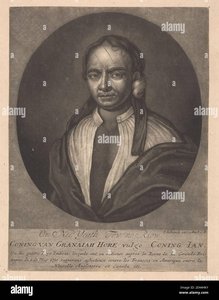
pieter schenck
1660 - 1713