

 Pregledaj u prostoru
 Pošalji
 Podeli
 Detalji o delu

 Преузми
 Slični predmeti
 Rendgenski snimak
 Slajdovi
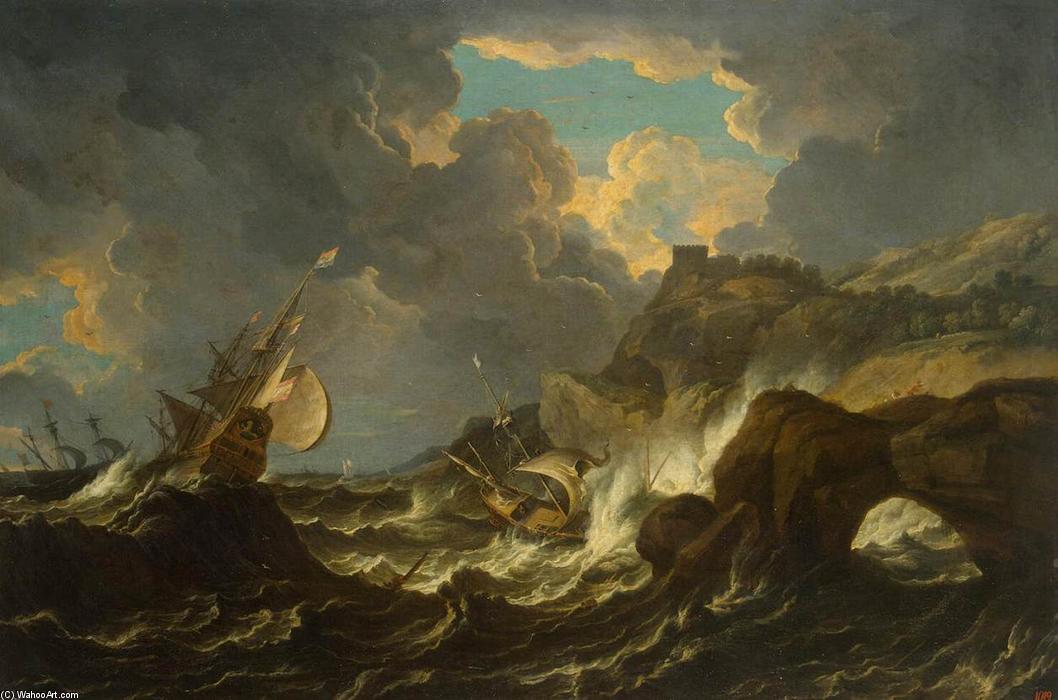
Storm in the Sea
 1690
1690 101.0 x 147.0 cm
 Hermitage Museum
 Pročitaj više
Ručno rađena uljana reprodukcija
Ručno oslikano uljanim bojama na platnu u dimenzijama i okviru po vašem izboru, izrađeno po porudžbini od strane naših umetnika. ( Kupi print Kupi digitalnu sliku)




































Izaberite jednu od naših unapred definisanih veličina koje odgovaraju originalnim proporcijama umetničkog dela.

Можете унети сопствене димензије како бисте прилагодили дело одређеном оквиру или простору. Ако одабрана величина не одговара пропорцијама оригинала, слика ће бити исечена или проширена додатним елементима који се ручно насликавају. Дигитални prikaz ће вам бити послат на одобрење пре почетка производње.
Имајте на уму да преглед на екрану не одражава стварно исецање или проширење. Само приказ (mockup) ће тачно приказати коначну композицију.
Иако су доступне прилагођене величине, препоручујемо да одаберете димензију из дефинисане листе како бисте сачували оригиналне пропорције.
Nakon narudžbine, tim ArtsDot.com će klijentu putem e-pošte poslati uputstva i dostaviti prikaz predloženog rešenja
Isporuka širom sveta () za 3/4 nedelje umesto uobičajenih 5 nedelja. (24 август). Bez kompromisa po pitanju kvaliteta.

Besplatna ekspresna dostava širom sveta

Visokokvalitetno laneno platno

Kompletno osiguranje transporta

Garancija povraćaja carine i uvoznih dažbina

Garancija vernosti boja

Politika povrata u roku od 60 dana (samo u slučaju nedostataka)

Garancija povrata novca od 100%

Popust pri grupnoj kupovini
 Opcija sa staklom dostupna je samo za dimenzije manje od 110 cm

Storm in the Sea
Tehnika reprodukcije
Dimenzije reprodukcije
-


Konačna cena
$ 263
Opis umetničkog dela
Composition and Style
The composition of the painting is characterized by several ships being tossed about by rough waves. One ship in particular appears to be sinking or capsizing, with its sails billowing and its hull partially submerged. The sea itself is a deep, dark blue-green, reflecting the turmoil of the weather. Waves are depicted in various stages of crashing, with white foam and spray indicating the force of the wind and water. The artist's use of light and shadow creates a sense of depth and movement, making the viewer feel as if they are right there in the midst of the stormy sea.Similar Works
Other notable works that showcase the power and drama of the sea include Storm in the Sea by Jean Antoine Théodore De Gudin, which can be found on ArtsDot.com. Additionally, the Wandering Musician by Aert De Gelder is another masterpiece that showcases the artist's skill in capturing moments of everyday life, available on ArtsDot.com.- Artist: Pieter The Younger Mulier
- Painting Title: Storm in the Sea
- Museum: The Hermitage
For more information on Pieter The Younger Mulier and other notable artists, visit ArtsDot.com.
Srodna umetnička dela









Biografija umetnika
The Tempestuous Soul of a Dutch Master
In the grand tapestry of the Dutch Golden Age, few threads shimmer with as much dramatic intensity as the life and work of Pieter Mulier II. Known to history by his evocative pseudonym, Cavalier Pietro Tempesta, this master of light and shadow possessed a rare ability to capture the raw, unbridable power of nature. Born in Haarlem around 1637 into a lineage of artistic excellence, Mulier was the son of Pieter Mulier I, a respected marine painter who provided the foundation for his son's profound understanding of the sea. From his earliest years, the young artist was steeped in an environment where meticulous observation and visual storytelling were paramount, preparing him for a journey that would eventually lead him far from the canals of the Netherlands to the sun-drenched landscapes of Italy.
Mulier’s departure for Rome in 1656 marked a transformative epoch in his creative evolution. Immersed in the grandeur of the Roman Baroque, he found himself profoundly moved by the dramatic chiaroscuro of Caravaggio and the psychological depth of Rembrandt. This period of intense exposure allowed him to synthesize Northern precision with Southern theatricality. As a member of the Bentvueghels guild, he adopted the name Tempesta—a fitting moniker for an artist whose brushwork often conjured the very essence of a storm. His work during this Roman era began to exhibit a signature tension, where bright patches of sunlight struggle to pierce through brooding, heavy clouds, creating a sense of atmospheric drama that would become his hallmark.
A Journey Through Light and Shadow
The trajectory of Mulier’s career was as dynamic as the seascapes he painted. Following his formative years in Rome, his artistic wanderlust led him through Geneva and eventually into the vibrant artistic hubs of Northern Italy, including Genoa and Milan. Each locale offered new textures to his palette; in Geneva, he refined his compositional techniques, experimenting with more complex perspectives and theatrical staging within his landscapes. His later years in Italy saw him cultivating a style that blended the ruggedness of Dutch marine traditions with the luminous, airy qualities of Italianate landscapes. This unique fusion allowed him to master diverse subject matters, ranging from tranquil Mediterranean vistas to the terrifying majesty of shipwrecks.
His technical prowess is perhaps most breathtakingly realized in his depictions of maritime struggle. In masterpieces such as Storm in the Sea, one can witness the artist's ability to render the weight of water and the frantic energy of wind-tossed sails. He utilized deep, dark blue-greens and frothing white foam to evoke the visceral sensation of a vessel at the mercy of the elements. Beyond mere maritime scenes, his oeuvre includes:
- Dramatic Italianate Landscapes: Works that capture the rugged beauty of the Italian countryside under shifting skies.
- Hunting Scenes: Dynamic compositions featuring horses and figures that showcase his skill in capturing movement and human emotion.
- Seascapes and Marine Art: Powerful depictions of ships battling rough waves, often characterized by a sense of romantic tension.
Legacy of the Cavalier
The life of Pieter Mulier II was not without its personal shadows; his biography includes periods of profound hardship, including a notable period of imprisonment that added a layer of introspective depth to his later works. This capacity for emotional nuance allowed him to imbue even his most turbulent landscapes with a sense of psychological weight. He did not merely paint weather; he painted the feeling of vulnerability in the face of the infinite.
As an artist who bridged the gap between the meticulous realism of the North and the dramatic grandeur of the South, Mulier’s historical significance remains undiminished. He stands as a vital link in the evolution of 17th-century landscape painting, leaving behind a legacy of works that continue to captivate viewers with their ability to evoke the sublime. Through his eyes, we do not just see a storm; we feel the spray of the salt and the heavy breath of the approaching gale, a testament to a lifetime spent chasing the light through the darkness.
pieter the younger mulier
1637 - 1709 , Netherlands
Osnovne informacije
- Artistic Movement Or Style: Italianate Landscape, Baroque
- Artists Or Movements Influenced By This Artist: ['Thomas Wijck']
- Artists Who Influenced This Artist: ['Pieter Mulier I']
- Date Of Birth: 1637 Haarlem Netherlands
- Date Of Death: 1701 Milano
- Full Name: Pieter Mulier II
- Nationality: Dutch
- Notable Artworks:
- Storm in the Sea
- Wooded Landscape with Peasants
- A Wooded Landscape with Figures and a Stormy Sky
- Place Of Birth: Haarlem Netherlands

