

 Pregledaj u prostoru
 Pošalji
 Podeli
 Detalji o delu

 Преузми
 Slični predmeti
 Rendgenski snimak
 Slajdovi
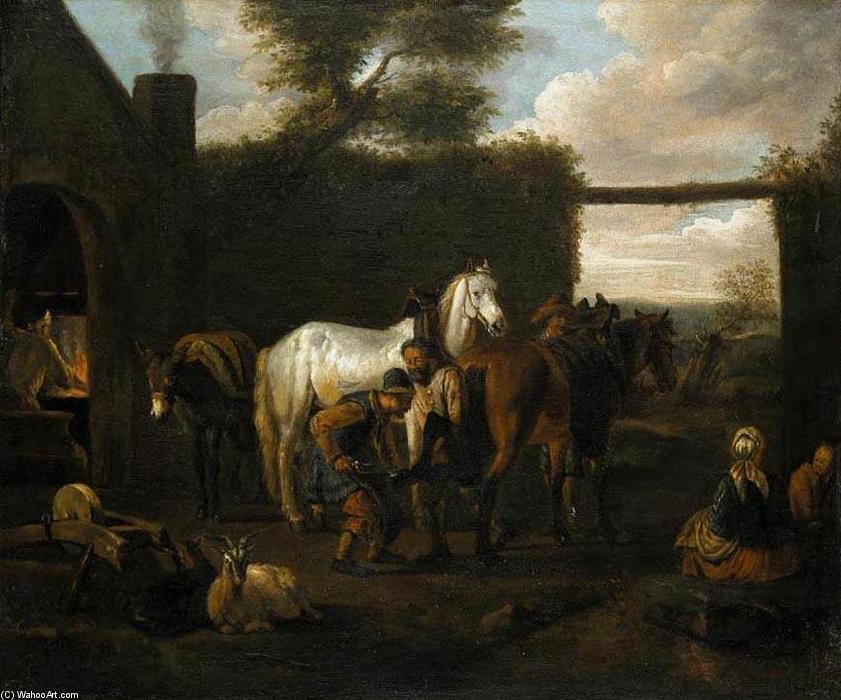
At the Forge
 Baroque
 47.0 x 55.0 cm
 Pročitaj više
Ručno rađena uljana reprodukcija
Ručno oslikano uljanim bojama na platnu u dimenzijama i okviru po vašem izboru, izrađeno po porudžbini od strane naših umetnika. ( Kupi print Kupi digitalnu sliku)




































Izaberite jednu od naših unapred definisanih veličina koje odgovaraju originalnim proporcijama umetničkog dela.

Можете унети сопствене димензије како бисте прилагодили дело одређеном оквиру или простору. Ако одабрана величина не одговара пропорцијама оригинала, слика ће бити исечена или проширена додатним елементима који се ручно насликавају. Дигитални prikaz ће вам бити послат на одобрење пре почетка производње.
Имајте на уму да преглед на екрану не одражава стварно исецање или проширење. Само приказ (mockup) ће тачно приказати коначну композицију.
Иако су доступне прилагођене величине, препоручујемо да одаберете димензију из дефинисане листе како бисте сачували оригиналне пропорције.
Nakon narudžbine, tim ArtsDot.com će klijentu putem e-pošte poslati uputstva i dostaviti prikaz predloženog rešenja
Isporuka širom sveta () za 3/4 nedelje umesto uobičajenih 5 nedelja. (6 септембар). Bez kompromisa po pitanju kvaliteta.

Besplatna ekspresna dostava širom sveta

Visokokvalitetno laneno platno

Kompletno osiguranje transporta

Garancija povraćaja carine i uvoznih dažbina

Garancija vernosti boja

Politika povrata u roku od 100 dana (samo u slučaju nedostataka)

Garancija povrata novca od 100%

Popust pri grupnoj kupovini
 Opcija sa staklom dostupna je samo za dimenzije manje od 110 cm

At the Forge
Tehnika reprodukcije
Dimenzije reprodukcije
-


Konačna cena
$ 363
A Glimpse into Rural Life: "At the Forge" by Pieter van Bloemen
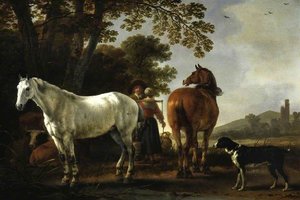
Step into a vibrant snapshot of 17th-century rural life with Pieter van Bloemen’s captivating genre painting, “At the Forge.” This dynamic scene transports viewers to a bustling workshop or stable, likely situated in the Dutch countryside. The artwork is a testament to the everyday labor and social interactions that defined the era, offering a fascinating window into the lives of ordinary people during the Dutch Golden Age. Van Bloemen masterfully captures a moment centered around a shoemaker diligently attending to his horses, surrounded by observing figures – a scene brimming with activity and a palpable sense of community.Style & Technique: Baroque Realism with Dramatic Flair
Van Bloemen’s style is firmly rooted in the principles of Baroque realism, yet infused with a dramatic flair characteristic of the period. The painting showcases meticulous attention to detail, evident in the rendering of horses, figures, and architectural elements. Oil paint on canvas allows for rich layering of colors and visible brushstrokes that contribute to the artwork's textural depth. Notice how light streams through an arched doorway, dramatically illuminating key areas while casting deep shadows – a technique employed to create a sense of spatial depth and heighten the emotional impact. While grounded in realism, Van Bloemen subtly idealizes proportions and employs dramatic lighting to elevate the scene beyond mere documentation, transforming it into a compelling narrative.Historical Context & Symbolism
“At the Forge” provides valuable insight into the social fabric of 17th-century Dutch society. The painting reflects the importance of agriculture and craftsmanship in the economy, highlighting the role of skilled laborers like the shoemaker. The presence of animals – horses being essential for transportation and labor – further underscores this connection to rural life. Symbolically, the scene speaks to themes of hard work, community, and perhaps even a subtle commentary on social hierarchy within the village setting. The tools scattered throughout the composition are not merely props but represent the tangible fruits of human effort and ingenuity. Van Bloemen’s work aligns with the broader Dutch Golden Age tradition of genre painting, which sought to depict everyday life with honesty and detail.Emotional Impact & Artistic Legacy
Beyond its historical significance, “At the Forge” evokes a powerful emotional response. The bustling activity, combined with the dramatic lighting, creates a sense of immediacy and vitality. The viewer is drawn into the scene, almost able to hear the sounds of the forge and feel the energy of the workshop. Pieter van Bloemen (1657-1720), hailing from an artistic family in Antwerp, was influenced by earlier masters and traveled extensively, including journeys to Rome that shaped his style. His ability to capture dynamic animal scenes and everyday life established him as a significant figure within Flemish art, and this painting exemplifies his skill in blending realism with dramatic storytelling – a legacy that continues to resonate with audiences today.Srodna umetnička dela


Biografija umetnika
Pieter van Bloemen (1657-1720): A Flemish Painter of Animals, Landscapes, and Roman Scenes
Early Life and Training
- Born: Antwerp, Belgium, January 17, 1657
- Died: Antwerp, Belgium, March 6, 1720
- Apprenticed to Simon Johannes van Douw from a young age (possibly as early as age 10), receiving foundational training in artistic techniques.
- Became a master of the Guild of Saint Luke in Antwerp in 1674, demonstrating his proficiency and acceptance within the established art community.
- Family Background: Pieter came from an artistic family; both his younger brothers, Jan Frans and Norbert, were also painters.
Travels and Artistic Development
- Early Travels (1674 & 1689): Initial journeys to Rome likely influenced his later style, exposing him to Italian landscapes and artistic trends.
- Lyon Period (1684): Collaboration with Dutch painters Adriaen van der Cabel and Gillis Weenix in Lyon broadened his exposure to different painting styles and techniques. His brother Jan Frans joined him during this time.
- Rome & the Bentvueghels (1688-1694): A significant period spent in Rome, registered with the parish of Sant’Andrea delle Fratte alongside his brothers. Became a member of the *Bentvueghels*, an association of foreign artists in Rome, earning the nickname "Standaart" likely referencing banners depicted in his military scenes.
- Travels within Italy: Explored Naples, Sicily, and Malta, further enriching his understanding of Italian landscapes and culture.
- Collaboration with Jan Frans: A fruitful partnership where Pieter focused on figures while Jan Frans specialized in landscape (vedute) painting.
Artistic Style and Major Works
- Subject Matter: Known for dynamic depictions of animals, equestrian scenes, market life, military encampments, and genre paintings set within Italianate landscapes.
- Italianizing Landscapes: Adopted the tradition of representing the Roman Campagna with inns, ruins, and animals, creating a distinctive "Roman" atmosphere.
- Bamboccianti Influence: Incorporated elements of the *bamboccianti* style, depicting everyday scenes and trivial subjects, often with meticulous detail.
- Distinctive Features: Characterized by lively coloring in figures' costumes contrasting with the more subdued tones of animals and ruins; a focus on groups of animals presented as "still-lifes" within landscapes.
- Notable Works: The Duke of Marlborough and the Earl of Cadogan at Blenheim (Hochstadt) (where he painted the horses), *Military Encampment*, *At the Forge*, *Mules Halting by the Wayside*, and *Landscape with Herdsmen and Animals in front of the Baths of Diocletian, Rome*.
- Drawing Practice: Produced numerous drawings depicting landscapes, figure studies, and animal observations from life.
Legacy and Historical Significance
- Prolific Output: A highly productive artist with a diverse body of work spanning various genres.
- Dean of the Guild of Saint Luke (1699): Held a prestigious position within the Antwerp art community, demonstrating his respect and influence.
- Teacher: Mentored his younger brothers Jan Frans and Norbert, as well as other artists like Peeter van Aken and Frans van Alter.
- Collaboration & Recognition: Frequently sought after for his skill in painting horses, collaborating with prominent artists like Balthasar van den Bossche.
- Contribution to Baroque Art: Van Bloemen’s work exemplifies the dynamism and detail characteristic of Baroque art, particularly within the Flemish tradition. His Italian experiences infused his paintings with a unique blend of Northern European realism and Southern European landscape aesthetics.
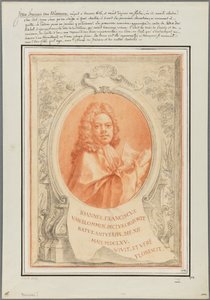
Pieter van Bloemen
1657 - 1720 , Belgium
Osnovne informacije
- Artistic Movement Or Style: Baroque
- Artists Who Influenced This Artist: ['Simon Johannes van Douw']
- Date Of Birth: January 17, 1657
- Date Of Death: March 6, 1720
- Full Name: Pieter van Bloemen
- Nationality: Flemish
- Notable Artworks:
- Military Encampment
- At the Forge
- Mules Halting by the Wayside
- Landscape with Herdsmen and Animals
- Place Of Birth: Antwerp, Belgium
Povezani članci

Zlatno doba Holandske umetnosti: Top 10 remek dela za vaš dom
Otkrijte remek dela Holandskog zlatnog doba! Uronite u svet Rembrandta, Vermeera i drugih majstora. 10 ikoničnih slika koje su definisale umetnost. Inspiracija za vaš dom i kolekciju - ekskluzivne reprodukcije na ArtsDot.com!

Golden Age Reflections: Dutch Baroque Painting & Cultural Innovation
Explore the Dutch Golden Age of painting! Discover key artists like Vermeer & ter Borch, their innovative techniques, and the rich cultural context behind these Baroque masterpieces. Learn about collecting & appreciating this iconic art period.
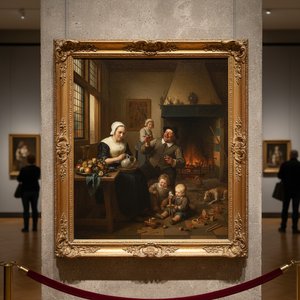
Genre Painting: A Window into Daily Life & Societal Values of the Dutch Golden Age
Explore the captivating world of Dutch Golden Age genre painting! Discover realistic depictions of daily life, masterful artists like Ostade & Metsu, and hidden symbolism. Learn about this influential art movement with ArtsDot.

Illuminating Innovation: Exploring the Dutch Golden Age of Painting
Explore the Dutch Golden Age of painting with ArtsDot. Discover Rembrandt, Vermeer & other Masters. Learn about key characteristics, iconic artworks, and lasting influence. Expert insights for collectors & enthusiasts.

Illuminating Realism: Exploring the Dutch Golden Age of Painting (1600-1700)
Explore the Dutch Golden Age of painting (1600-1700) with ArtsDot. Discover Rembrandt, Vermeer & other masters. Learn about techniques, history & find museum-quality reproductions.