

 Pregledaj u prostoru
 Pošalji
 Podeli
 Detalji o delu

 Преузми
 Slični predmeti
 Rendgenski snimak
 Slajdovi
 Stats
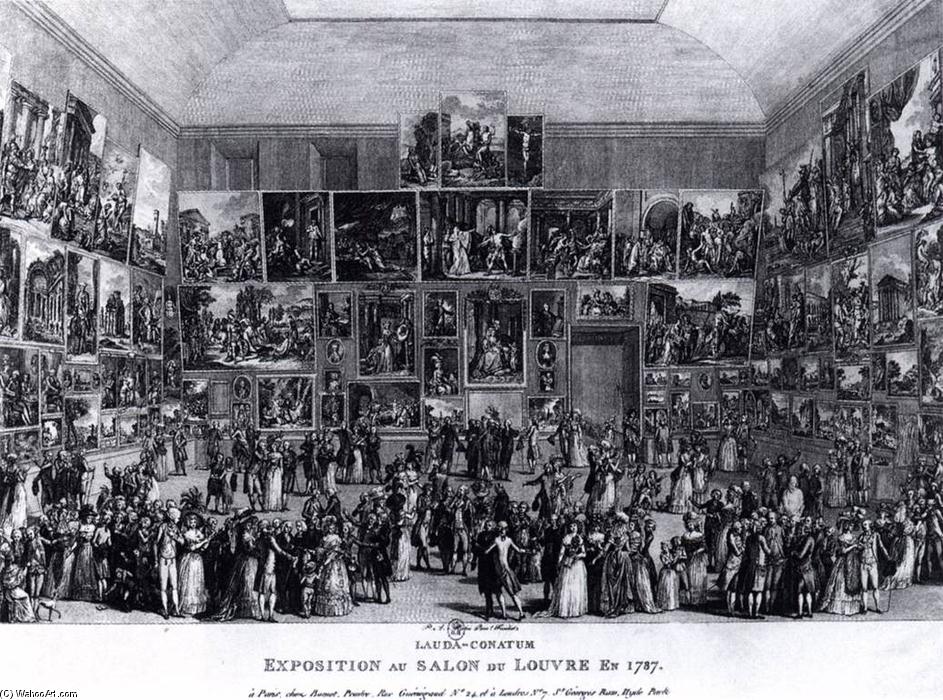
StatsExposition au Salon du Louvre en 1787
 1787
1787 390.0 x 530.0 cm
 Wildenstein Institute
 Pročitaj više
Giclee štampa / Umetnički otisak
Giclée štampa ili print na platnu muzejskog kvaliteta uz brzu proizvodnju i fleksibilne opcije završne obrade. ( Kupi ručno naslikanu sliku Switch to Digital Image)




































Izaberite jednu od naših unapred definisanih veličina koje odgovaraju originalnim proporcijama umetničkog dela.

Možete uneti sopstvene dimenzije kako biste umetničko delo prilagodili specifičnom okviru ili prostoru. Ako odabrani format ne odgovara proporcijama originalne slike, mi ćemo ili iscrtati deo dela ili proširiti sliku pomoću ogledane ivice ili jednobojnog popunjavanja. Digitalni prikaz će vam biti poslat na odobrenje pre početka proizvodnje.
Imajte na umu da pregled na ekranu ne odražava stvarno iscrtavanje ili proširivanje. Samo će prikaz (mockup) precizno pokazati finalnu kompoziciju.
Iako su prilagođene dimenzije dostupne, preporučujemo da odaberete dimenziju sa unapred definisane liste kako biste očuvali originalne proporcije.
Dostava širom sveta () za 2 nedelje umesto uobičajenih 4/5 nedelja. (8 септембар)

Besplatna ekspresna dostava širom sveta

Visokokvalitetno laneno platno

Kompletno osiguranje transporta

Garancija povraćaja carine i uvoznih dažbina

Garancija vernosti boja

Politika povraćaja u roku od 100 dana (isključivo u slučaju nedostataka)

Garancija povrata novca od 100%

Popust pri grupnoj kupovini
 Opcija sa staklom dostupna je samo za dimenzije manje od 110 cm

Exposition au Salon du Louvre en 1787
Giclee štampa / Umetnički otisak
Dimenzije reprodukcije
-


Konačna cena
$ 62
Srodna umetnička dela

Biografija umetnika
Pietro Antonio Martini: A Venetian Baroque Visionary
Pietro Antonio Martini (9 July 1738 – 2 April 1797) was an Italian painter and engraver who flourished during the late Baroque period in Venice, leaving behind a legacy of exquisitely detailed engravings and frescoes that continue to captivate art historians today. Born in Trecasali, Parma—a region steeped in artistic tradition—Martini’s formative years were marked by exposure to influential mentors like Giuseppe Baldrighi and Benigno Bossi, who instilled in him foundational skills in design and drawing. This early training proved pivotal as he embarked on a journey toward mastering the art of engraving, securing patronage from prominent figures such as Jacques-Philippe Lebas and establishing himself as a respected artist within the vibrant Venetian artistic milieu.- Early Life & Training: Martini’s father recognized his son's innate talent for artistry and actively encouraged him to pursue formal education in Parma, prioritizing classical studies alongside artistic pursuits.
- Parisian Apprenticeship: Recognizing the importance of honing engraving techniques, Martini traveled to Paris where he apprenticed under Jacques-Philippe Lebas, immersing himself in the innovative spirit of the Rococo era and absorbing stylistic influences from masters like Francesco Solimena and Robert Turner.
- Venetian Patronage & Collaborations: Martini’s fortunes shifted dramatically when he gained the support of the Duchy’s minister, du Tillot, affording him access to influential commissions and fostering collaborations with celebrated architects and artists such as Angelica Kauffmann and Robert Adam—figures who shaped the aesthetic landscape of Venetian art.
Notable Engravings & Artistic Style
Martini's artistic output is characterized by meticulous detail, masterful draughtsmanship, and a profound understanding of chiaroscuro – the dramatic interplay of light and shadow – techniques that epitomize the Baroque aesthetic. His engravings stand out for their exceptional realism and expressive power, capturing scenes from mythology, history, and Venetian life with breathtaking accuracy. Particularly noteworthy are his monumental prints commemorating the Royal Academy Exhibition in London (1787), showcasing his ability to convey complex narratives through visual imagery. These works demonstrate Martini’s commitment to portraying human emotion and psychological depth—a hallmark of Venetian Baroque art.- Key Engravings: Among Martini's most celebrated prints are depictions of mythological subjects, historical events, and genre scenes reflecting the social customs and artistic sensibilities of his time.
- Influence of Tintoretto & Solimena: Martini’s style bears unmistakable traces of Tintoretto’s dramatic compositions and Francesco Solimena’s masterful use of light—artists who profoundly impacted Venetian painting during their respective careers.
Frescoes & Architectural Decoration
Beyond engraving, Martini achieved considerable renown as a fresco painter, adorning churches and palaces throughout Venice with opulent murals that exemplify the grandeur and sophistication of Rococo art. His frescoes in San Pietro di Castello—a testament to Venetian Byzantine heritage—are particularly remarkable for their intricate ornamentation and luminous color palettes. Martini’s decorative contributions extended beyond monumental paintings; he skillfully embellished interiors with stucco reliefs, gilded panels, and draperies—creating immersive environments that reflected the artistic ideals of the era.- San Pietro di Castello Frescoes: Martini's frescoes in San Pietro di Castello showcase his mastery of Venetian Byzantine art, blending religious iconography with elaborate decorative elements.
- Collaboration with Robert Adam: Martini worked closely with Robert Adam on architectural projects, integrating sculptural ornamentation and painted surfaces into grand residences—a collaborative effort that cemented Martini’s reputation as a versatile artist adept at shaping both visual and spatial experiences.
Legacy & Historical Significance
Pietro Antonio Martini's artistic achievements solidified his position as one of Venice’s foremost Baroque artists, securing him a place among the luminaries of European art history. His engravings continue to inspire admiration for their technical virtuosity and expressive beauty—serving as invaluable documents of Venetian society and culture during the Enlightenment. Furthermore, Martini’s frescoes stand as enduring symbols of Venetian artistic heritage—demonstrating the transformative power of visual art in shaping cultural identity and commemorating pivotal moments in history. He remains a celebrated figure whose work embodies the spirit of Baroque Venice and its lasting influence on subsequent artistic movements.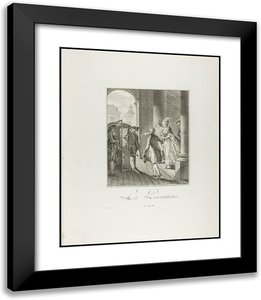
pietro antonio martini
1738 - 1797 , Italy
Osnovne informacije
- Artistic Movement Or Style: Late Baroque
- Artists Or Movements Influenced By This Artist:
- Tintoretto
- Robert Adam
- Artists Who Influenced This Artist:
- Jacques-Philippe Le Bas
- Francesco Solimena
- Date Of Birth: July 9, 1738
- Full Name: Pietro Antonio Martini
- Nationality: Italian
- Notable Artworks:
- La Petite Toilette
- Portland Head
- Place Of Birth: Trecasali, Italy