

 Pregledaj u prostoru
 Pošalji
 Podeli
 Detalji o delu

 Преузми
 Slični predmeti
 Rendgenski snimak
 Slajdovi
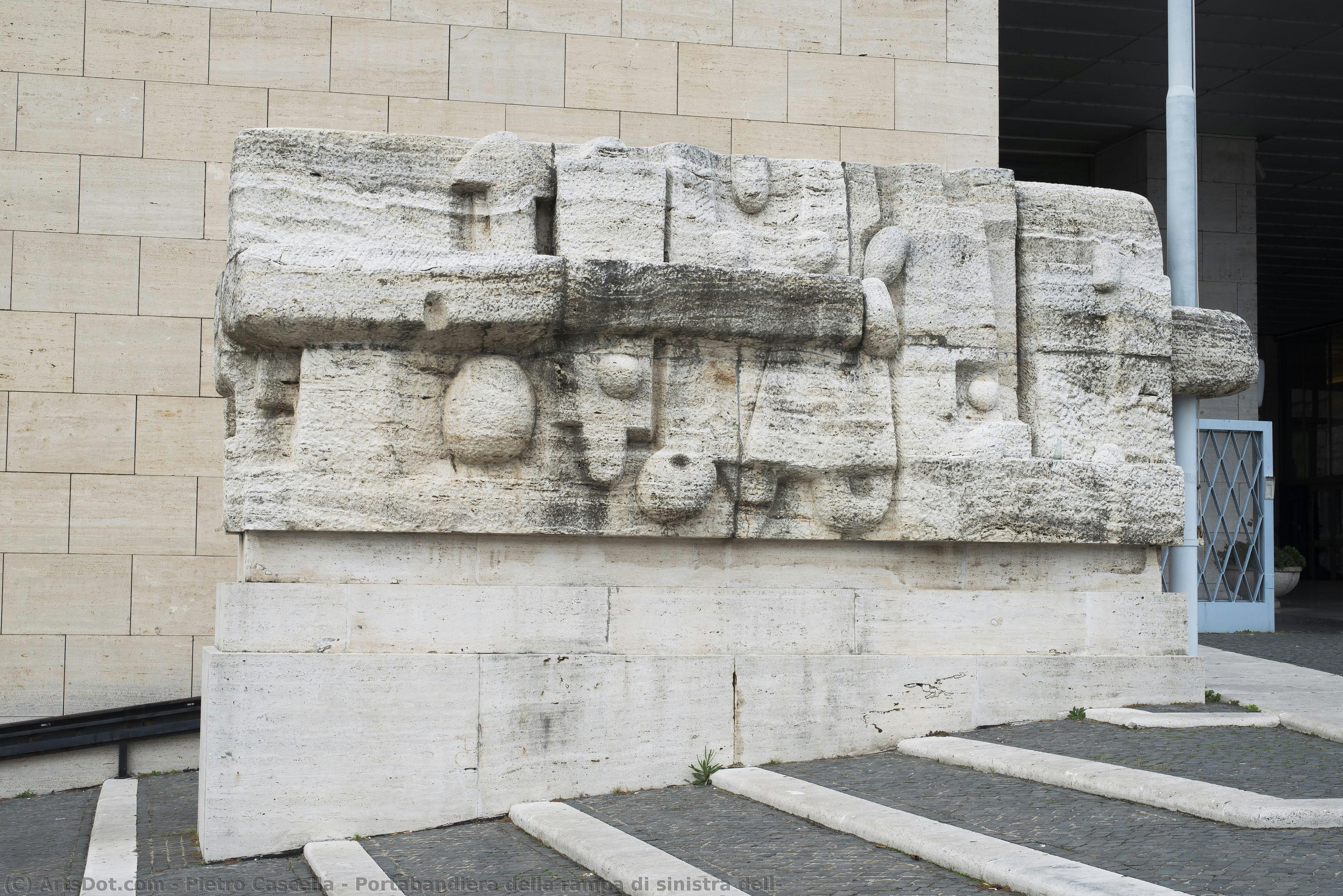
Portabandiera della rampa di sinistra dell


 Pročitaj više
Ručno rađena uljana reprodukcija
Ručno oslikano uljanim bojama na platnu u dimenzijama i okviru po vašem izboru, izrađeno po porudžbini od strane naših umetnika. ( Kupi print Kupi digitalnu sliku)




































Izaberite jednu od naših unapred definisanih veličina koje odgovaraju originalnim proporcijama umetničkog dela.

Можете унети сопствене димензије како бисте прилагодили дело одређеном оквиру или простору. Ако одабрана величина не одговара пропорцијама оригинала, слика ће бити исечена или проширена додатним елементима који се ручно насликавају. Дигитални prikaz ће вам бити послат на одобрење пре почетка производње.
Имајте на уму да преглед на екрану не одражава стварно исецање или проширење. Само приказ (mockup) ће тачно приказати коначну композицију.
Иако су доступне прилагођене величине, препоручујемо да одаберете димензију из дефинисане листе како бисте сачували оригиналне пропорције.
Nakon narudžbine, tim ArtsDot.com će klijentu putem e-pošte poslati uputstva i dostaviti prikaz predloženog rešenja
Isporuka širom sveta () za 3/4 nedelje umesto uobičajenih 5 nedelja. (2 септембар). Bez kompromisa po pitanju kvaliteta.

Besplatna ekspresna dostava širom sveta

Visokokvalitetno laneno platno

Kompletno osiguranje transporta

Garancija povraćaja carine i uvoznih dažbina

Garancija vernosti boja

Politika povrata u roku od 60 dana (samo u slučaju nedostataka)

Garancija povrata novca od 100%

Popust pri grupnoj kupovini
 Opcija sa staklom dostupna je samo za dimenzije manje od 110 cm

Portabandiera della rampa di sinistra dell
Tehnika reprodukcije
Dimenzije reprodukcije
-


Konačna cena
$ 263
Portabandiera della rampa di sinistra dell': A Monumental Work by Pietro Cascella
- Artist: Pietro Cascella (1921-2008)
- Origin: Italy
- Estimated Date: 1966/1967
Portabandiera della rampa di sinistra dell'ingresso principale del Ministero degli Affari Esteri, often shortened to "Portabandiera della rampa di sinistra dell," is a significant monumental sculpture by the renowned Italian artist Pietro Cascella. This imposing work resides at the Ministry of Foreign Affairs in Rome, Italy, serving as both an architectural element and a powerful artistic statement.
Subject & Style: Archaic Abstraction
The sculpture's subject matter is abstract yet evokes a sense of archaic grandeur. It depicts a figure, seemingly carrying a flag or standard, positioned on the left ramp leading to the main entrance of the Ministry. Cascella’s style is characterized by its bold simplification of form and an exploration of primal human shapes. The work doesn't aim for realistic representation; instead, it utilizes simplified volumes and textured surfaces to convey strength, resilience, and a sense of timelessness. The figure appears almost primordial, drawing inspiration from ancient civilizations and their monumental art.
Technique & Materials
Cascella employed stone as his primary medium for "Portabandiera della rampa di sinistra dell." The choice of material contributes significantly to the sculpture's imposing presence and enduring quality. The rough-hewn texture of the stone, combined with the artist’s skillful carving, creates a dynamic interplay of light and shadow across the surface. This technique emphasizes the raw power of the form while also hinting at the passage of time and the weight of history. The scale is crucial; designed to be viewed from a distance as part of the building's facade, it commands attention and integrates seamlessly with the architectural setting.
Historical Context & Symbolism
Created in the late 1960s, "Portabandiera della rampa di sinistra dell" reflects a period of significant social and political change in Italy. The sculpture can be interpreted as symbolizing strength, progress, and the enduring spirit of the nation. The figure carrying the standard might represent leadership, guidance, or the upholding of national values. Given Cascella’s broader artistic output, including his poignant memorial at Auschwitz, a sense of solemnity and remembrance also permeates the work. The placement within the Ministry of Foreign Affairs suggests themes of diplomacy, international relations, and the representation of Italy on the world stage.
Emotional Impact & Artistic Legacy
Despite its abstract nature, "Portabandiera della rampa di sinistra dell" evokes a powerful emotional response. Its monumental scale and rugged texture inspire awe and respect. The archaic quality of the figure suggests a connection to humanity's enduring struggles and triumphs. Pietro Cascella’s legacy as a sculptor is cemented by works like this one, which demonstrate his ability to create art that is both visually striking and deeply meaningful. This sculpture stands as a testament to his skill in transforming stone into a powerful symbol of national identity and human resilience.
Srodna umetnička dela
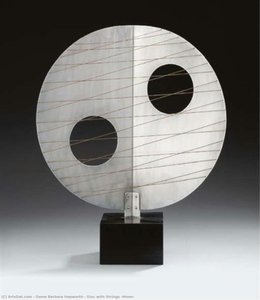
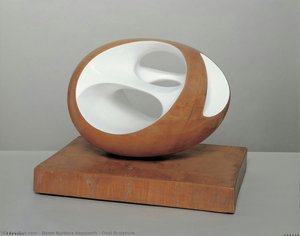
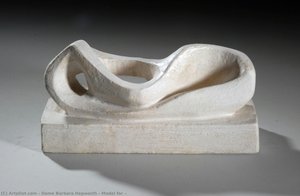
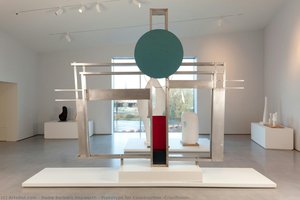

Biografija umetnika
Pietro Cascella: Sculptor of Archaic Echoes
Pietro Cascella (1921-2008) stands as a singular figure in 20th-century Italian sculpture, a master who wrestled with the weight of history and tradition while forging a distinctly modern voice. Born in Pescara, Italy, into an artistic lineage steeped in ceramics and painting – his grandfather, Basilio Cascella, was himself a celebrated artist – Pietro’s journey was one of profound experimentation and monumental scale. His work isn't easily categorized; it exists at the intersection of archaic power, abstract geometry, and a deeply felt engagement with the human condition, particularly as reflected in the horrors of the 20th century. Cascella’s legacy is not simply defined by his individual creations but by the powerful dialogues they initiate about memory, loss, and the enduring search for meaning.Early Influences and Artistic Training
Cascella's artistic development was intrinsically linked to his family history and the vibrant cultural landscape of post-war Italy. His father, Tommaso Cascella, a painter and ceramicist, instilled in him an appreciation for craftsmanship and material exploration. Crucially, he received formal training at the Accademia di Belle Arti in Rome, under Ferruccio Ferrazzi, gaining a grounding in both painting and sculpture. This dual education proved pivotal, allowing him to develop a unique synthesis of form and expression. Early influences included the dynamism of Cubism and the expressive power of Surrealism, though Cascella quickly moved beyond mere imitation, developing his own distinct visual language. The experience working with ceramics and mosaics during the 1950s – particularly in the studio of Basilio Cascella – profoundly shaped his approach to texture, surface, and the integration of different materials within a single composition.Monumental Achievements: Auschwitz and Beyond
Cascella’s most enduring contribution to the art world is undoubtedly the International Monument to the Victims of Fascism at Auschwitz-Birkenau in Poland (1957–1967). This colossal sculpture, a complex arrangement of interlocking blocks and mosaics, stands as a stark and profoundly moving testament to the atrocities committed during the Holocaust. The monument’s scale alone is overwhelming, but it's the deliberate use of archaic forms – referencing ancient Greek temples and monumental architecture – that elevates it beyond mere memorialization. Cascella sought to evoke a sense of timeless suffering and the enduring power of memory, using stone and mosaic to create an atmosphere of solemnity and contemplation. Beyond Auschwitz, Cascella’s career was marked by ambitious public commissions. The underground mausoleum for Silvio Berlusconi at his Villa in Arcore (1980s) is another striking example of his ability to translate complex political and social themes into monumental sculpture. This project, often controversial due to its association with a prominent figure, demonstrates Cascella’s willingness to engage with contemporary issues while maintaining a commitment to formal rigor and sculptural power. His work at Israel Public Art in Independence Park, featuring the “Gate of Peace,” further showcases his ability to create impactful public art that speaks to universal themes of hope and remembrance.Style and Technique: Archaic Forms and Abstract Geometry
Cascella’s artistic style is characterized by a fascinating tension between archaic references and abstract geometric forms. He frequently employed massive, blocky volumes reminiscent of ancient Greek temples, creating a sense of monumental weight and timelessness. However, these forms are often disrupted by fragmented planes, sharp angles, and an interplay of textures – achieved through the skillful use of stone, mosaic, and other materials. This juxtaposition creates a dynamic visual experience, suggesting both stability and instability, order and chaos. Cascella’s work is not about replicating classical forms but rather about extracting their essence—their symbolic power—and reinterpreting it within a modern context. His mosaics, in particular, are notable for their intricate detail and the way they transform simple materials into complex visual narratives.Legacy and Significance
Pietro Cascella’s impact on Italian sculpture is undeniable. He pushed the boundaries of monumental art, demonstrating how classical forms could be used to address contemporary issues with profound emotional resonance. His work at Auschwitz remains a powerful symbol of remembrance and a testament to the enduring consequences of fascism. The Basilio Cascella Civic Museum in Pescara serves as a vital repository for his oeuvre, allowing future generations to appreciate the breadth and depth of his artistic vision. Beyond his individual achievements, Cascella’s legacy lies in his ability to synthesize tradition and innovation, creating sculptures that are both deeply rooted in history and strikingly modern. He remains an important figure in understanding the evolution of Italian sculpture during the 20th century, a sculptor who dared to confront difficult truths with unwavering artistic integrity.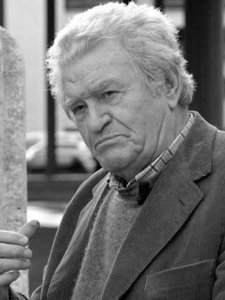
Pietro Cascella
1921 - 2008 , Italy
Osnovne informacije
- Artistic Movement Or Style: Abstract, Archaic
- Artists Or Movements Influenced By This Artist: ['Modern Italian art']
- Artists Who Influenced This Artist: ['Roberto Matta']
- Date Of Birth: February 2, 1921
- Date Of Death: May 18, 2008
- Full Name: Pietro Cascella
- Nationality: Italian
- Notable Artworks:
- Flag Bearer (Auschwitz)
- Gate of Peace
- Memorial mosaics
- Place Of Birth: Pescara, Italy
Povezani članci

Bronze Sculptures That Defined Art History | ArtsDot
Journey through art history with our Top 10 bronze sculptures! Explore masterpieces by Rodin, Michelangelo & more. Discover stories behind iconic statues and find museum-quality reproductions for your home decor at ArtsDot.com.

The Enduring Form: Exploring Themes & Techniques in Sculpture Across Historical Periods
Explore the rich history of sculpture from ancient masterpieces to contemporary innovations. Discover key techniques, influential artists & investment potential for discerning art collectors.

The Enduring Form: Sculpture Across History, Technique & Emotional Resonance
Explore the rich history of sculpture with ArtsDot. Discover key techniques, influential artists & investment potential for discerning collectors. Expert insights into valuing and collecting timeless masterpieces.

Bronze Age to Modern Masters: 10 Sculptures That Redefined Art | ArtsDot
Journey through art history with 10 legendary bronze sculptures – from Michelangelo's David to Rodin’s Thinker. Explore the stories, techniques & timeless beauty of these masterpieces. Find museum-quality reproductions & elevate your home decor on ArtsDot.com.
Abstraktni Ekspresionizam: 10 Remek Dela Koja Su Definisala Pokret
Otkrijte 10 remek dela koja su definisala apstraktni ekspresionizam! Istražite dela Pola Krausa, Džejson Poloka i drugih. Saznajte priče iza umetnosti i inspirisanje za dekoraciju doma. Eksplorirajte kolekciju na ArtsDot.com!

