

 Pregledaj u prostoru
 Pošalji
 Podeli
 Detalji o delu

 Преузми
 Slični predmeti
 Rendgenski snimak
 Slajdovi
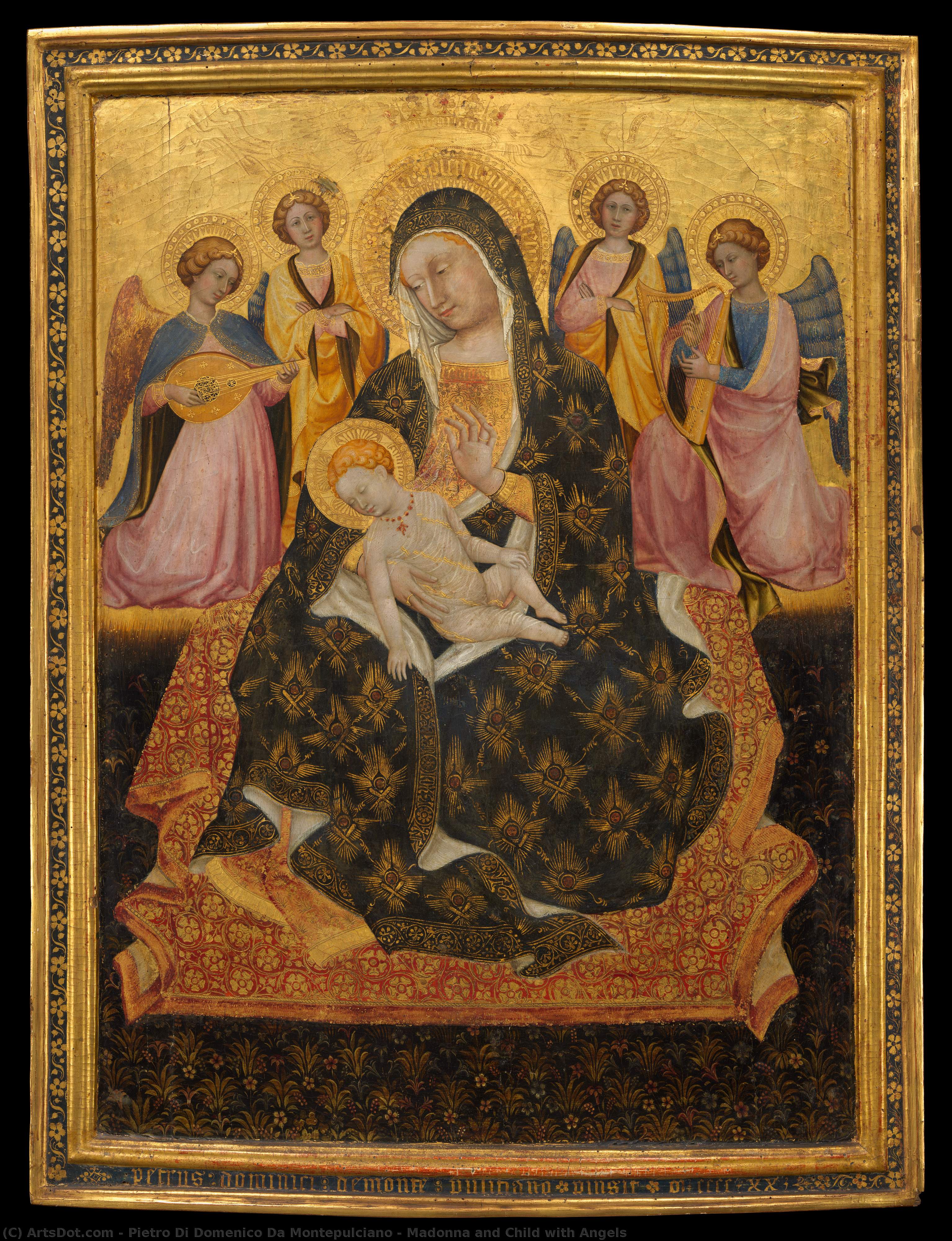
Madonna and Child with Angels
 Tempera
- Early Renaissance
 1420
1420 88.0 x 67.0 cm
 Metropolitan Museum of Art
 Pročitaj više
Ručno rađena uljana reprodukcija
Ručno oslikano uljanim bojama na platnu u dimenzijama i okviru po vašem izboru, izrađeno po porudžbini od strane naših umetnika. ( Kupi print Kupi digitalnu sliku)




P118B $10

P118H $10

P118W $10

P438Z $10

P508JH $12

P508YH $12

P805H $10

P805Z $10

P919BZ $10

P919G $10

P919XJ $10

P959ZH $10

P968JZ $12

W106C $8

W218G $10

W218JH $8

W218Y $10

W307PJ $10

W316G $10

W316PJ $8

W316Y $10

W398PJ $8

W4111J $10

W500HY $15

W500JH $15

W692G $12

W849H $8

W940BG $15

W953PJ $8




Izaberite jednu od naših unapred definisanih veličina koje odgovaraju originalnim proporcijama umetničkog dela.

Можете унети сопствене димензије како бисте прилагодили дело одређеном оквиру или простору. Ако одабрана величина не одговара пропорцијама оригинала, слика ће бити исечена или проширена додатним елементима који се ручно насликавају. Дигитални prikaz ће вам бити послат на одобрење пре почетка производње.
Имајте на уму да преглед на екрану не одражава стварно исецање или проширење. Само приказ (mockup) ће тачно приказати коначну композицију.
Иако су доступне прилагођене величине, препоручујемо да одаберете димензију из дефинисане листе како бисте сачували оригиналне пропорције.
Nakon narudžbine, tim ArtsDot.com će klijentu putem e-pošte poslati uputstva i dostaviti prikaz predloženog rešenja
Isporuka širom sveta () za 3/4 nedelje umesto uobičajenih 5 nedelja. (28 август). Bez kompromisa po pitanju kvaliteta.

Besplatna ekspresna dostava širom sveta

Visokokvalitetno laneno platno

Kompletno osiguranje transporta

Garancija povraćaja carine i uvoznih dažbina

Garancija vernosti boja

Politika povrata u roku od 60 dana (samo u slučaju nedostataka)

Garancija povrata novca od 100%

Popust pri grupnoj kupovini
 Opcija sa staklom dostupna je samo za dimenzije manje od 110 cm

Madonna and Child with Angels
Tehnika reprodukcije
Dimenzije reprodukcije
-


Konačna cena
$ 388
A Vision of Heavenly Grace: Exploring Pietro di Domenico’s Madonna and Child
Within the hushed reverence of the Metropolitan Museum of Art resides a painting that transcends mere representation, offering instead a profound glimpse into the heart of the Italian Renaissance – Pietro di Domenico da Montepulciano's “Madonna and Child with Angels,” completed around 1420. More than just an image of Virgin Mary and infant Jesus, this work is a carefully constructed meditation on faith, divine protection, and the nascent beauty blossoming within the artistic landscape of its time. The painting’s enduring appeal lies not only in its technical mastery but also in the palpable sense of serenity and spiritual depth it evokes.
Domenico, active primarily in the Marche region, was a pivotal figure bridging the stylistic gap between the late Gothic and the burgeoning Renaissance. His style is immediately recognizable – a harmonious blend of traditional devotional imagery with the emerging emphasis on naturalism and human emotion that would define the era. He skillfully employs tempera paint on a wooden panel, a technique favored for its luminosity and ability to build rich colors gradually. The use of gold leaf, particularly in the framing and halo details, elevates the work, suggesting an otherworldly quality and emphasizing the sacred nature of the scene.
The Composition: A Dance of Angels and Divine Presence
The composition itself is a carefully orchestrated tableau. At the heart of the painting sits the Madonna, seated on what appears to be a simple ground plane – a deliberate choice that subtly anchors her within both earthly and heavenly realms. Her pose is one of gentle dignity, radiating an aura of maternal grace. The Christ Child, nestled in her lap, sleeps peacefully, a symbol of his future sacrifice yet also embodying innocence and divine potential. Surrounding them are a host of angels, not depicted as fearsome warriors but rather as luminous beings, freely tooled into the gold background – a technique that creates an ethereal, almost dreamlike effect. These angelic figures aren’t merely observers; they actively participate in the scene, crowning the Madonna with symbols of power and devotion.
The arrangement is not haphazard; it follows established Renaissance conventions while still retaining a sense of dynamism. The diagonals created by the figures' positions draw the eye through the composition, leading to a focal point – the Virgin’s face – which is rendered with remarkable tenderness and detail. Notice, too, the subtle use of perspective, creating a believable space within the frame, despite the overall flattened style characteristic of early Renaissance painting.
Symbolism Woven into Every Detail
“Madonna and Child with Angels” is rich in symbolic meaning. The lilies adorning the Madonna’s robes represent purity and innocence, while the halos signify her divine status as Queen of Heaven. The sleeping Christ embodies his future role as savior, a sacrifice willingly offered for humanity's redemption. Even the simple ground plane upon which she sits carries significance – it represents her humility and connection to the earthly realm. The angels themselves are laden with symbolism: their wings suggest spiritual elevation, while their gestures convey adoration and protection. The continuous floral pattern decorating the engaged frame further reinforces the theme of beauty and divine grace.
A Timeless Masterpiece
Pietro di Domenico’s “Madonna and Child with Angels” is more than just a beautiful painting; it's a testament to the artistic and spiritual aspirations of the early Renaissance. Its enduring power lies in its ability to evoke a sense of wonder, reverence, and profound human connection. Reproductions capture only a fraction of the original’s luminosity and depth, but this work remains a cornerstone of Italian art history – a timeless reminder of the beauty and grace found within faith and devotion.
Srodna umetnička dela
Biografija umetnika
early life and training
pietro di domenico da montepulciano, also known as pietro da recanati, was an italian painter born in montepulciano, italy in 1400. he died in 1427. little is known about his early life, but it is believed that he received training in the marche region, where he would later become active.artistic style and notable works
pietro's artistic style is characterized by its blend of traditional gothic elements and the emerging renaissance influences. his most notable work, madonna and child with angels (1420), showcases his mastery of tempera on a wooden panel. this piece is now housed at the metropolitan museum of art in new york.- key features:
- seated madonna, alluding to her role as the queen of heaven
- deep sleep of the christ child, symbolizing his future sacrifice
- adoring angels freely tooled into the gold background
- artistic significance:
- one of the finest works by pietro di domenico
- represents the transition from gothic to renaissance art in italy
- exemplifies the artist's skill in tempera on a wooden panel
legacy and influence
pietro di domenico da montepulciano's contributions to the early renaissance period are undeniable. his work, particularly madonna and child with angels, has been widely studied and admired. to explore more of his art, visit [https://ArtsDot.com/@/pietro-di-domenico-da-montepulciano](https://ArtsDot.com/@/pietro-di-domenico-da-montepulciano), where you can find a comprehensive collection of his works.related artists and movements
- lorenzo di bartolomeo salimbeni, another italian painter from the same region, known for his bright colors and intricate patterns.
- polidoro da lanciano's mount olympus, an example of the italian renaissance style.
- for more information on the italian renaissance, visit [https://en.wikipedia.org/wiki/italian_renaissance](https://en.wikipedia.org/wiki/italian_renaissance).
conclusion
pietro di domenico da montepulciano's life may have been short, but his impact on the art world is undeniable. through his works, we see the transition from gothic to renaissance styles in italy. to experience more of his art and that of his contemporaries, explore [https://ArtsDot.com](https://ArtsDot.com).
pietro di domenico da montepulciano
1400 - 1427 , Italy
Osnovne informacije
- Artistic Movement Or Style: Gothic, Italian Renaissance
- Artists Or Movements Influenced By This Artist: ['Future artists']
- Artists Who Influenced This Artist:
- Gentile da Fabriano
- Robert Campin
- Date Of Birth: 1400
- Date Of Death: 1427
- Nationality: Italian Renaissance
- Notable Artworks: ['']
- Place Of Birth: WahooArt
Povezani članci

Giotto di Bondone: 25 Remek-dela koji definišu renesansu | ArtsDot
Istražite 25 remek-dela Giotta di Bondonea i otkrijte renesansnu umetnost u punom sjaju. Freske, oltarske slike & istorija italijanske umetnosti na ArtsDot.com! Reprodukcije vrhunskog kvaliteta za vaš dom.
Rafaela Sanzio: 25 Remek-dela Renesansnog Majstora za Vaš Dom | ArtsDot
Uronite u svet Rafaela Sanzija! Otkrijte 25 remek-dela renesansnog umetnika, od Madona do fresaka Vatikana. Inspiracija za dekoraciju enterijera i kupovina reprodukcija slika visoke rezolucije na ArtsDot.com.
Proto-Renaissance Masters: 10 Artworks That Changed History | ArtsDot
Journey back to the dawn of Renaissance art! Explore 10 iconic Proto-Renaissance masterpieces by Giotto, Cimabue & Duccio. Discover their stories, techniques & lasting impact. Find museum-quality reproductions for your home at ArtsDot.com
25 Remek-dela Galerije Uffizi: Putovanje kroz renesansnu lepotu | ArtsDot.com
Istražite 25 remek-dela Galerije Uffizi u Firenci! Otkrijte priče iza slika Leonarda da Vinčija, Mikelanđela i Botticellija. Pronađite inspiraciju za dekoraciju enterijera i kupite reprodukcije vrhunske kvalitete na ArtsDot.com.
Top 25 dela sa Bijenala u Veneciji: Umetnička remekapela za vaš dom | ArtsDot.com
Istražite 25 remekapela sa Bijenala u Veneciji! Otkrijte priče iza poznatih slikara, stilova i tehnika. Reprodukcije slika vrhunskog kvaliteta za dekoraciju enterijera. Inspiracija & kupovina na ArtsDot.com

