

 Pregledaj u prostoru
 Pošalji
 Podeli
 Detalji o delu

 Преузми
 Slični predmeti
 Rendgenski snimak
 Slajdovi
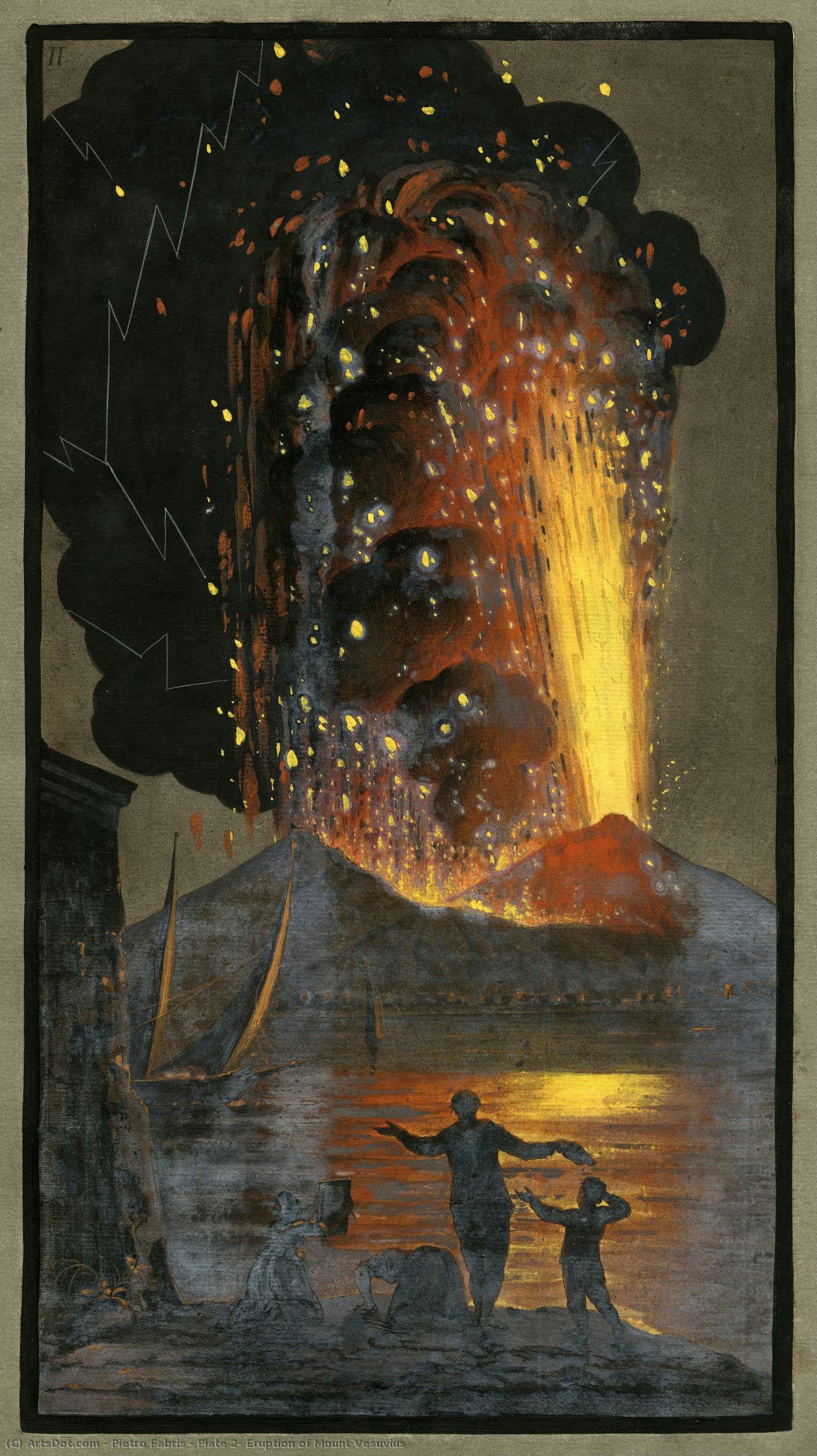
Plate 2, Eruption of Mount Vesuvius


 Pročitaj više
Kupite digitalnu sliku visoke rezolucije i poboljšanog kvaliteta, koja je znatno superiornija od onoga što vidite u online prikazu.
Svaka datoteka je pedantno pripremljena od strane naših stručnjaka koristeći napredne alate i profesionalnu ručnu retušu. Osiguravamo da svaka slika ima izuzetnu oštrinu, preciznu reprodukciju boja i fine detalje.
Konačna datoteka se dostavlja putem e-pošte u roku od 72 sata, optimizovana za neposrednu upotrebu u profesionalnim, izdavačkim i štamparskim okruženjima. To je isti kvalitet kojem veruju vrhunski studiji dizajna, izdavači i galerije.
Digitalna slika
Preuzmite datoteku visoke rezolucije za ličnu upotrebu, štampanje i kreativne projekte. ( Kupi print Kupi ručno naslikanu sliku)
Uključeno uz svaku porudžbinu digitalne slike
Profesionalna digitalna isporuka, zagarantovana
Kada odaberete ArtsDot.com, ne dobijate samo sliku – vi primate profesionalno unapređeno digitalno umetničko delo, izrađeno sa najvećom preciznošću i uz garanciju zadovoljstva. Evo svega što automatski dolazi uz vašu porudžbinu:

Brza dostava putem e-pošte
Vaša digitalna slika visoke rezolucije biće vam poslata putem e-pošte u roku od 72 sata od poručivanja – spremna za trenutnu upotrebu.

Digitalna datoteka unapređena veštačkom inteligencijom
Vaše umetničko delo je profesionalno optimizovano korišćenjem naprednih AI alata i ručne obrade, čime se osiguravaju maksimalni detalji, oštrina i preciznost boja.

Besplatna ponovna isporuka doživotno
Slučajno ste obrisali ili izgubili svoju datoteku? Ne brinite – poslaćemo vam je ponovo u bilo kom trenutku, potpuno besplatno.

Bez troškova uvoza – zauvek
Uživajte u svojim umetničkim delima trenutno, bez carine, dažbina ili troškova dostave – digitalni download je uvek bez poreza.

Garancija vernosti boja
Uz pomoć profesionalnih alata i upravljanja bojama, osiguravamo da vaša digitalna slika što vernije odražava originalne boje.

Garancija zadovoljstva od 100 dana
Ako niste zadovoljni svojom digitalnom slikom, izvršićemo reviziju ili ćemo vam vratiti 100% novca u roku od 100 dana – bez ikakvih pitanja.

100% garancija povrata novca
Niste zadovoljni? Dobijte puni povraćaj novca u roku od 100 dana od prijema digitalne datoteke – bez suvišnih pitanja.

Popusti na velike porudžbine
Kupite 3 slike, uštedite 10% - Kupite 5 slika, uštedite 15% - Kupite 10+ slika, uštedite 20%. Odlično za kreativne projekte, galerije i agencije.
Srodna umetnička dela








Biografija umetnika
A Life Painted in Volcanic Light: The World of Pietro Fabris
Pietro Fabris, a name perhaps less celebrated than some of his contemporaries, nonetheless occupies a fascinating niche in the annals of 18th-century art. Active between approximately 1740 and 1792, Fabris was an artist of Italian descent who forged a remarkable career primarily in England and Naples. While biographical details remain somewhat elusive—a common fate for artists operating outside the most prominent academies—his legacy is vividly preserved through his captivating paintings and, crucially, the meticulously detailed engravings he produced documenting the dramatic volcanic activity of his time. He often signed his works as “Pietro Fabris l’Inglese”, a curious self-designation that hints at a complex identity and early formation. Suspected to have been born in England to Jacopo Fabris, a Venice-trained stage set designer who travelled extensively across Europe, Pietro likely received his initial artistic training from his father, absorbing the principles of perspective and theatrical composition that would later inform his landscape work.The Patronage of Sir William Hamilton and the Rise to Prominence
Fabris’s ascent in the art world was significantly propelled by his association with Sir William Hamilton, a British diplomat, antiquarian, and avid collector. Hamilton, stationed in Naples, possessed an insatiable curiosity for natural phenomena, particularly the volatile volcanoes of the region—Mount Vesuvius, Mount Etna, and the islands of Lipari. Recognizing Fabris’s talent for visual representation, Hamilton commissioned him to create a series of paintings capturing these awe-inspiring events. These were not merely topographical records; they were dynamic studies of light, smoke, lava flows, and the human response to nature's power. The resulting images were then translated into engravings, published in two influential books: *Observations on Mount Vesuvius, Mount Etna, &c.* (1774) and *Campi Phlegraei: Observations on the Volcanoes of the Two Sicilies* (1776). These publications brought Fabris widespread recognition, establishing him as a leading painter of volcanic landscapes. The works were not only scientifically valuable but also possessed an undeniable artistic merit, capturing the sublime beauty and terrifying grandeur of these geological forces.Genre Scenes and the Everyday Life of Naples
Beyond his celebrated depictions of volcanoes, Fabris was a prolific creator of genre paintings—scenes of everyday life in Naples. These *Bamboccianti* scenes, as they were known, offered glimpses into the lives of local folk at work or play. He painted bustling markets, lively coastal gatherings, and intimate domestic moments, all rendered with a keen eye for detail and a Rococo sensibility. His palette was often vibrant, his compositions balanced, and his figures imbued with a sense of naturalism. These paintings catered to the growing demand among Grand Tour travelers for souvenirs and mementos of their Italian sojourns. They provide valuable insights into the social customs, costumes, and atmosphere of 18th-century Naples. Fabris’s ability to seamlessly blend observation with artistic flair made his genre scenes particularly appealing.Influences and Artistic Development
Fabris's style reflects a confluence of influences. His early training under his father likely instilled in him a strong sense of perspective and composition, while his time in Venice exposed him to the works of Antonio Joli, another prominent view painter with whom he collaborated closely in Naples. The influence of Canaletto, known for his detailed cityscapes, is also discernible in Fabris’s meticulous rendering of architectural details and atmospheric effects. However, Fabris developed a distinctive voice, characterized by a warmer palette, a more intimate scale, and a greater emphasis on the human element within his landscapes. His use of gouache as a medium—relatively uncommon at the time—allowed him to achieve delicate washes of color and subtle gradations of tone, further enhancing the realism and atmospheric depth of his paintings.Historical Significance and Lasting Legacy
Pietro Fabris’s historical significance lies not only in his artistic achievements but also in his role as a documentarian of a specific time and place. His volcanic landscapes provide invaluable visual records of geological events that were reshaping the landscape of Southern Italy, while his genre scenes offer a captivating glimpse into the everyday life of Neapolitan society during the 18th century. He was one of the first artists to embrace gouache as a primary medium in Naples, influencing subsequent generations of painters. Although his biography remains fragmented, Fabris’s paintings continue to captivate viewers with their beauty, realism, and evocative power—a testament to the enduring legacy of an artist who painted a world illuminated by volcanic light and imbued with the spirit of the Italian South.
pietro fabris
1740 - 1792 , United Kingdom