

 Pregledaj u prostoru
 Pošalji
 Podeli
 Detalji o delu

 Преузми
 Slični predmeti
 Rendgenski snimak
 Slajdovi
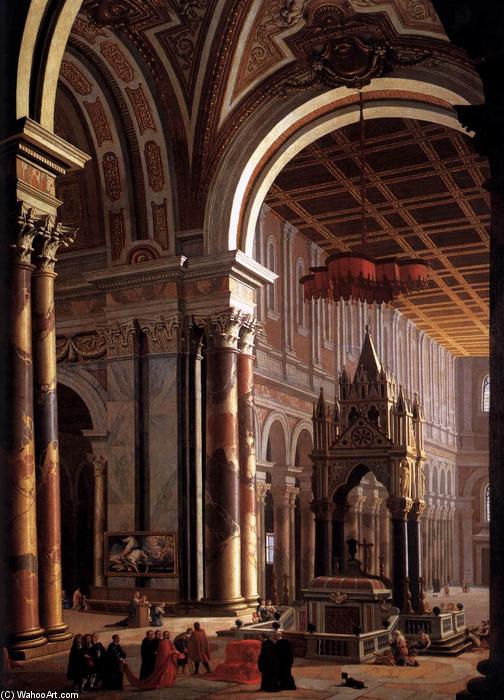
Interior of the Basilica of San Paolo in Rome


 Pročitaj više
Giclee štampa / Umetnički otisak
Giclée štampa ili print na platnu muzejskog kvaliteta uz brzu proizvodnju i fleksibilne opcije završne obrade. ( Kupi ručno naslikanu sliku Kupi digitalnu sliku)




































Izaberite jednu od naših unapred definisanih veličina koje odgovaraju originalnim proporcijama umetničkog dela.

Možete uneti sopstvene dimenzije kako biste umetničko delo prilagodili specifičnom okviru ili prostoru. Ako odabrani format ne odgovara proporcijama originalne slike, mi ćemo ili iscrtati deo dela ili proširiti sliku pomoću ogledane ivice ili jednobojnog popunjavanja. Digitalni prikaz će vam biti poslat na odobrenje pre početka proizvodnje.
Imajte na umu da pregled na ekranu ne odražava stvarno iscrtavanje ili proširivanje. Samo će prikaz (mockup) precizno pokazati finalnu kompoziciju.
Iako su prilagođene dimenzije dostupne, preporučujemo da odaberete dimenziju sa unapred definisane liste kako biste očuvali originalne proporcije.
Dostava širom sveta () za 2 nedelje umesto uobičajenih 4/5 nedelja. (6 септембар)

Besplatna ekspresna dostava širom sveta

Visokokvalitetno laneno platno

Kompletno osiguranje transporta

Garancija povraćaja carine i uvoznih dažbina

Garancija vernosti boja

Politika povrata u roku od 100 dana (samo u slučaju nedostataka)

Garancija povrata novca od 100%

Popust pri grupnoj kupovini
 Opcija sa staklom dostupna je samo za dimenzije manje od 110 cm

Interior of the Basilica of San Paolo in Rome
Giclee štampa / Umetnički otisak
Dimenzije reprodukcije
-


Konačna cena
$ 62
Srodna umetnička dela
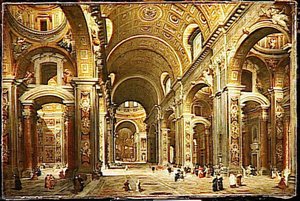

Biografija umetnika
The Architect of Roman Light: The Life and Vision of Pietro Francesco Garola
In the vibrant, turbulent landscape of Baroque Piedmont, a singular vision began to emerge that would forever alter the way we perceive the intersection of space, light, and architecture. Pietro Francesco Garola, born around 1638 in the quiet environs of Giaveno, was more than a mere painter; he was an architect of atmosphere. While the precise details of his early years remain shrouded in the mists of history, the trajectory of his career suggests a man deeply immersed in the intellectual currents of his time. His formative training likely bridged the gap between the rigorous geometric principles of architecture and the fluid, emotive possibilities of fine art, allowing him to master the delicate art of illusionistic representation.
Garola’s journey was one of constant movement and profound discovery. Between 1665 and 1668, his travels through the great artistic hubs of Venice, Bologna, and Florence served as a transformative pilgrimage. It was during these excursions that he immersed himself in the study of visual perspective, specifically the complex methods of quadratura—the technique of painting architectural vistas on flat surfaces to create the illusion of three-dimensional space. By studying the masters of this craft, such as Girolamo Curti and Angelo Michele Colonna, Garola developed a technical virtuosity that would become his hallmark, enabling him to breathe life into stone and shadow.
A Roman Masterpiece: Mastery of Vedute and Capricci
The arrival of Garola in Rome marked the true zenith of his creative evolution. It was here, amidst the grandeur of the Eternal City, that he found his most profound inspiration. His work became synonymous with vedute (detailed views) and capricci (architectural fantasies), genres that allowed him to manipulate reality through the lens of architectural precision. As a member of the prestigious Accademia di San Luca, Garola did not merely participate in the Roman art scene; he helped shape it, serving multiple terms as a Master of Perspective. This academic recognition solidified his reputation as a scholar-artist who understood the mathematical soul of beauty.
His technical prowess was perhaps most evident in his monumental commissions and restorations. Working alongside the renowned architect Carlo Rainaldi, Garola contributed to the intricate restoration of the Chiesa del Santissimo Sudario dei Piemontesi, a task that demanded an unparalleled eye for detail and a deep respect for historical grandeur. His ability to render the interior of sacred spaces—such as his breathtaking depictions of the Basilicas of St. Peter and St. Paul—showcases a mastery of chiaroscuro, where light does not simply illuminate a scene but sculpts it, creating a sense of profound depth and spiritual weight.
Legacy and Historical Significance
The legacy of Pietro Francesco Garola resides in the enduring magic of his perspectives. He possessed the rare ability to make the viewer feel as though they could step directly into the canvas, traversing corridors of light and shadow that felt both tangible and dreamlike. His influence extended beyond the brush; even in his architectural designs, such as those commissioned for the University of Turin, his sense of spatial harmony left an indelible mark on the urban fabric of Italy.
Today, we remember Garola not just as a chronicler of Roman vistas, but as a pioneer who bridged the gap between the structural and the ephemeral. His contributions to the art of capriccio helped pave the way for future generations of landscape and architectural painters, ensuring that the dialogue between reality and imagination would continue to flourish. Through his work, the heavy stones of Rome were imbued with a lightness of spirit, captured forever in the eternal dance of light and perspective.
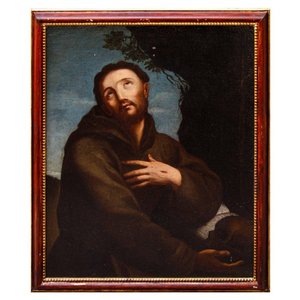
pietro francesco garola
1638 - 1716 , Italy
Osnovne informacije
- Artistic Movement Or Style: Baroque
- Artists Or Movements Influenced By This Artist: ['Francesco Guardi']
- Artists Who Influenced This Artist:
- Girolamo Curti
- Giacomo Antonio Mannini
- Angelo Michele Colonna
- Date Of Birth: June 1638 Turin (?)
- Date Of Death: January 5, 1716 Rome
- Full Name: Pietro Francesco Garoli
- Nationality: Italian
- Notable Artworks:
- Rovine romane
- David che danza davanti all'arca
- Place Of Birth: Giaveno Italy
Povezani članci

The Enduring Legacy of Oil on Canvas: Technique, History & Aesthetic Impact
Explore the rich history & techniques of oil painting – from Renaissance masters to Impressionism. Discover pigments, layering methods, and why this timeless medium endures. Expert insights for artists & art enthusiasts.

Oil on Canvas: A Historical & Technical Exploration of a Timeless Artistic Medium
Explore the rich history & enduring techniques of oil painting on canvas. Discover the science behind its longevity, conservation practices, and contemporary relevance. Expert insights for art enthusiasts.

The Enduring Power of Painting: A Historical & Contemporary Exploration of Form and Emotion
Explore the rich history & enduring techniques of oil painting with ArtsDot. Discover masterpieces, learn about art collecting, and find authentic handmade reproductions crafted by skilled artists.

Trajnu Ostavština Uljanih Boja na Platnu: Tehnika, Istorija i Savremena Praksa
Istražite bogatu istoriju i savremene tehnike uljanog slikarstva. Saveti stručnjaka, analiza radova velikih majstora i vodiči za biranje kvalitetnih materijala. Otkrijte tajne očuvanja umetničkih dela!
The Enduring Legacy of Oil Paint: Technique, History & Emotional Resonance in Western Art
Explore the rich history & techniques of oil painting! Discover Renaissance masters, scientific principles behind color, and emotional resonance in art. Learn about glazing, layering, and atmospheric perspective – a guide for enthusiasts & collectors.