

 Pregledaj u prostoru
 Pošalji
 Podeli
 Detalji o delu

 Преузми
 Slični predmeti
 Rendgenski snimak
 Slajdovi
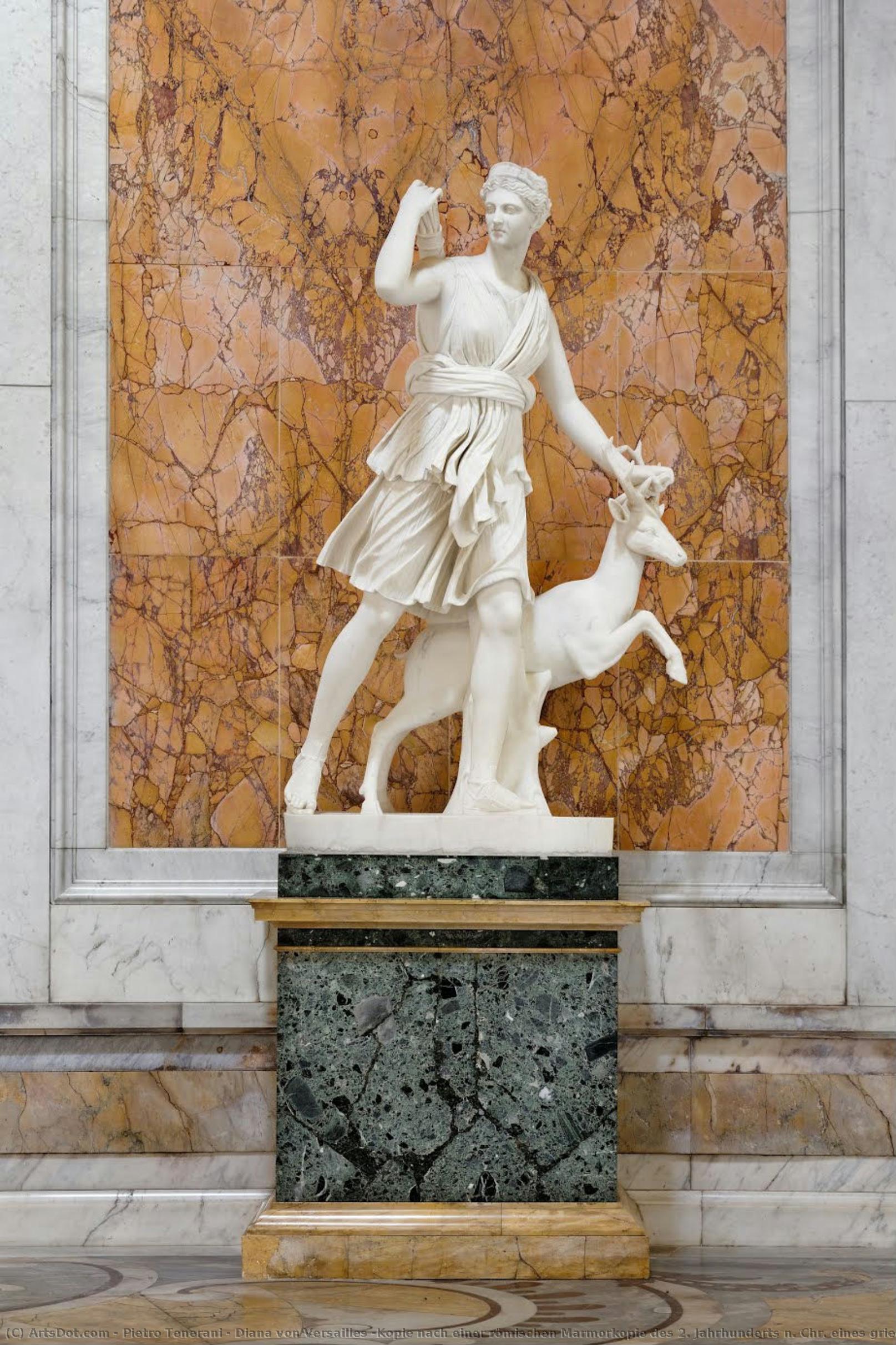
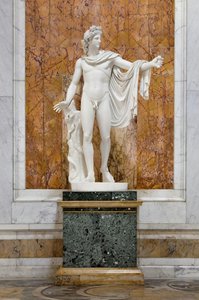
Diana von Versailles (Kopie nach einer römischen Marmorkopie des 2. Jahrhunderts n. Chr. eines griechischen Bronzebildwerkes, das Leochares um 325 v. Chr zugeschrieben wird)


 Pročitaj više
Ručno rađena uljana reprodukcija
Ručno oslikano uljanim bojama na platnu u dimenzijama i okviru po vašem izboru, izrađeno po porudžbini od strane naših umetnika. ( Kupi print Kupi digitalnu sliku)




P118B $10

P118H $10

P118W $10

P438Z $10

P508JH $12

P508YH $12

P805H $10

P805Z $10

P919BZ $10

P919G $10

P919XJ $10

P959ZH $10

P968JZ $12

W106C $8

W218G $10

W218JH $8

W218Y $10

W307PJ $10

W316G $10

W316PJ $8

W316Y $10

W398PJ $8

W4111J $10

W500HY $15

W500JH $15

W692G $12

W849H $8

W940BG $15

W953PJ $8




Izaberite jednu od naših unapred definisanih veličina koje odgovaraju originalnim proporcijama umetničkog dela.

Можете унети сопствене димензије како бисте прилагодили дело одређеном оквиру или простору. Ако одабрана величина не одговара пропорцијама оригинала, слика ће бити исечена или проширена додатним елементима који се ручно насликавају. Дигитални prikaz ће вам бити послат на одобрење пре почетка производње.
Имајте на уму да преглед на екрану не одражава стварно исецање или проширење. Само приказ (mockup) ће тачно приказати коначну композицију.
Иако су доступне прилагођене величине, препоручујемо да одаберете димензију из дефинисане листе како бисте сачували оригиналне пропорције.
Nakon narudžbine, tim ArtsDot.com će klijentu putem e-pošte poslati uputstva i dostaviti prikaz predloženog rešenja
Isporuka širom sveta () za 3/4 nedelje umesto uobičajenih 5 nedelja. (26 август). Bez kompromisa po pitanju kvaliteta.

Besplatna ekspresna dostava širom sveta

Visokokvalitetno laneno platno

Kompletno osiguranje transporta

Garancija povraćaja carine i uvoznih dažbina

Garancija vernosti boja

Politika povrata u roku od 60 dana (samo u slučaju nedostataka)

Garancija povrata novca od 100%

Popust pri grupnoj kupovini
 Opcija sa staklom dostupna je samo za dimenzije manje od 110 cm

Diana von Versailles (Kopie nach einer römischen Marmorkopie des 2. Jahrhunderts n. Chr. eines griechischen Bronzebildwerkes, das Leochares um 325 v. Chr zugeschrieben wird)
Tehnika reprodukcije
Dimenzije reprodukcije
-


Konačna cena
$ 263
Opis umetničkog dela
Diana von Versailles (Kopie nach einer römischen Marmorkopie des 2. Jahrhunderts n. Chr. eines griechischen Bronzebildwerkes, das Leochares um 325 v. Chr zugeschrieben wird) – A Reflection of Classical Idealism
The statue of Diana von Versailles, meticulously crafted as a reproduction after a Roman marble copy of a Greek bronze sculpture attributed to Leochares dating back to approximately 325 BC, stands as a testament to the enduring influence of classical art on Romantic sensibilities. Created in 1830 by Pietro Tenerani, this piece embodies the spirit of Purismo – a movement that championed clarity and restraint—reflecting the artistic principles prevalent during Friedrich Wilhelm III.’s reign in Prussia. Its placement within the Tribuna der Bildergalerie alongside another Roman sculpture underscores Berlin’s ambition to establish itself as a center for scholarly art appreciation and showcases the legacy of Friedrich II., who initiated its creation.Historical Context: Echoes of Antiquity
Leochares' original bronze statue, depicting Apollo Belvedere—a figure revered for his grace and heroic posture—served as inspiration for Tenerani’s endeavor. The Roman copy itself represents a deliberate harkening back to the glories of Greece during the Hellenistic period, marking a pivotal moment in artistic history where classical ideals persisted despite the burgeoning fervor of Romanticism. This juxtaposition highlights the dialogue between past and present, inviting viewers to contemplate how artistic traditions evolve while retaining core aesthetic values.Technique: Marble’s Elegance – A Legacy of Craftsmanship
Tenerani skillfully employed marble—a material synonymous with permanence and nobility—to faithfully recreate Leochares' masterpiece. The sculptor’s meticulous attention to detail, combined with his mastery of carving techniques, ensured that the reproduction captured not only the statue’s form but also its inherent texture and luminosity. Marble’s cool hue and smooth surface contribute to an atmosphere of serenity and grandeur, mirroring the idealized beauty championed by Neoclassical artists like Antonio Canova and Bertel Thorvaldsen—figures who profoundly shaped Tenerani's artistic vision.Symbolism: Diana – Goddess of Hunt and Virtue
Diana, the Roman goddess of the hunt and protector of chastity, embodies virtues central to classical thought. Her pose—characterized by a raised hand suggesting contemplation or gesture—communicates an aura of dignity and composure. The statue’s depiction aligns with the humanist values that underpinned Neoclassical art, emphasizing reason, order, and moral excellence. It serves as a reminder of the enduring fascination with mythological narratives and their capacity to convey profound philosophical concepts.Emotional Impact: A Timeless Expression of Beauty
The Diana von Versailles reproduction evokes admiration for artistic skill and celebrates the timeless appeal of classical aesthetics. Its serene presence invites contemplation on themes of grace, harmony, and idealized form—values that continue to resonate with audiences today. Like its original counterpart, this sculpture transcends temporal boundaries, offering a glimpse into an era defined by intellectual curiosity and artistic ambition. It remains a captivating emblem of artistic heritage and a source of inspiration for interior designers seeking to infuse their spaces with elegance and sophistication.Srodna umetnička dela
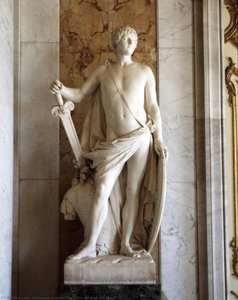
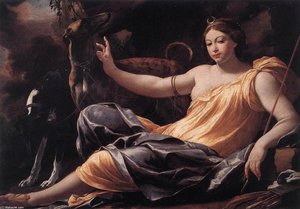
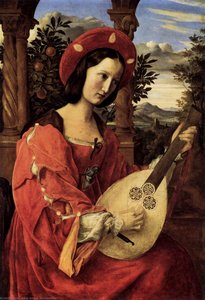
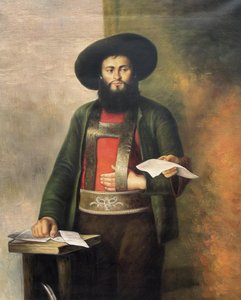

Biografija umetnika
A Legacy in Marble: The Life and Art of Pietro Tenerani
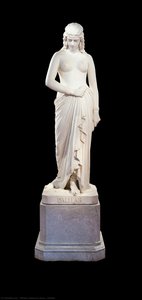
Pietro Tenerani, born November 11, 1789, in the marble-rich region of Torano near Carrara, Italy, stands as a compelling figure bridging the Neoclassical ideals of his time with the burgeoning Romantic sensibilities of the 19th century. His life unfolded against a backdrop of artistic fervor and shifting aesthetic paradigms, leaving an indelible mark on Italian sculpture. Tenerani’s initial exposure to the world of art came through his maternal uncle, Pietro Marchetti, a sculptor and professor at the Accademia di Belle Arti in Carrara. This familial connection provided a foundational training, instilling within him a deep appreciation for form and technique. However, it was a scholarship secured in 1813 that propelled Tenerani towards Rome – the heart of artistic innovation – where his true development began.Formative Years Under Thorvaldsen’s Guidance
Rome proved to be a transformative experience for the young sculptor. He immersed himself in the study of classical antiquity, absorbing the principles of balance, harmony, and idealized beauty that defined the Neoclassical movement. Crucially, Tenerani fell under the tutelage of Bertel Thorvaldsen, the celebrated Danish sculptor whose work epitomized these ideals. Thorvaldsen’s influence was profound; he instilled in Tenerani a rigorous approach to form and composition, shaping his early style. Psyche Abandoned, sculpted around 1817, quickly established Tenerani's reputation. This piece, admired for its refined elegance and emotional depth, showcased his mastery of marble and his ability to capture mythological narratives with grace. Yet, even in these early works, hints of a developing individuality began to emerge – a subtle shift away from strict imitation towards a more personal expression. He also created several copies of this work for prominent patrons, each iteration revealing a gradual tendency toward sentimental narrative.Evolving Style and the Embrace of Purismo
As Tenerani matured as an artist, his style underwent a subtle but significant evolution. While remaining firmly rooted in Neoclassical principles, he began to incorporate elements that foreshadowed the Romantic movement. This transition was further influenced by his association with the *Purismo* movement, which advocated for a return to artistic purity and simplicity, rejecting excessive ornamentation and dramatic emotionalism. This pursuit of clarity and restraint is evident in his later works, where a greater emphasis on narrative and expressive qualities can be observed. Beyond mythological subjects, Tenerani gained considerable acclaim for his funerary monuments. His monument to Pope Pius VIII within St. Peter’s Basilica stands as a testament to his ability to blend artistic skill with profound emotional resonance and symbolic meaning. He also excelled in portraiture, creating busts of prominent figures like Popes Gregory XVI and Pius IX, and statesmen such as Pellegrino Rossi – each capturing not only physical likeness but also the essence of their subjects' character.A Sculptor of Monuments and Legacy
Tenerani’s talent extended beyond intimate portraits and funerary art; he undertook large-scale public commissions that solidified his position as a leading sculptor of his time. Perhaps most notably, he was entrusted with the creation of the statue of Simón Bolívar in Bogotá, Colombia – a remarkable feat demonstrating his ability to adapt classical forms to represent contemporary historical figures. This commission underscored his international recognition and his capacity to engage with diverse cultural contexts. Throughout his career, Tenerani held prestigious positions within artistic institutions, including membership and eventual presidency of the Accademia di San Luca, further cementing his influence in the Roman art world. He also mentored numerous students who carried on sculptural traditions in Italy. Pietro Tenerani died in Rome on December 16, 1869, leaving behind a legacy that continues to inspire admiration for its technical brilliance, aesthetic beauty, and historical significance. His work serves as a poignant reminder of an era where classical ideals were reinterpreted through the lens of individual expression, bridging the gap between Neoclassicism and Romanticism and establishing him as a pivotal figure in 19th-century European sculpture.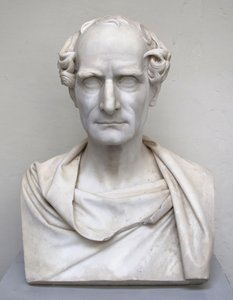
Pietro Tenerani
1789 - 1869 , Italy
Osnovne informacije
- Artistic Movement Or Style: Neoclassicism, Purismo
- Artists Or Movements Influenced By This Artist: ['Romanticism']
- Artists Who Influenced This Artist:
- Bertel Thorvaldsen
- Lorenzo Bartolini
- Date Of Birth: November 11, 1789
- Date Of Death: December 16, 1869
- Full Name: Pietro Tenerani
- Nationality: Italian
- Notable Artworks:
- Psyche Abandoned
- Diana von Versailles
- Apoll von Belvedere
- Place Of Birth: Carrara, Italy
Povezani članci

Bronze Sculptures That Defined Art History | ArtsDot
Journey through art history with our Top 10 bronze sculptures! Explore masterpieces by Rodin, Michelangelo & more. Discover stories behind iconic statues and find museum-quality reproductions for your home decor at ArtsDot.com.

The Enduring Form: Exploring Themes & Techniques in Sculpture Across Historical Periods
Explore the rich history of sculpture from ancient masterpieces to contemporary innovations. Discover key techniques, influential artists & investment potential for discerning art collectors.

The Enduring Form: Sculpture Across History, Technique & Emotional Resonance
Explore the rich history of sculpture with ArtsDot. Discover key techniques, influential artists & investment potential for discerning collectors. Expert insights into valuing and collecting timeless masterpieces.

Bronze Age to Modern Masters: 10 Sculptures That Redefined Art | ArtsDot
Journey through art history with 10 legendary bronze sculptures – from Michelangelo's David to Rodin’s Thinker. Explore the stories, techniques & timeless beauty of these masterpieces. Find museum-quality reproductions & elevate your home decor on ArtsDot.com.
The Enduring Allure of Marble in Art History: From Classical Sculpture to Modern Abstraction
Explore the captivating history of marble sculpture from ancient Greece to modern art. Discover renowned artists like Canova & Michelangelo, carving techniques, and investment insights at ArtsDot.

