

 Pregledaj u prostoru
 Pošalji
 Podeli
 Detalji o delu

 Преузми
 Slični predmeti
 Rendgenski snimak
 Slajdovi
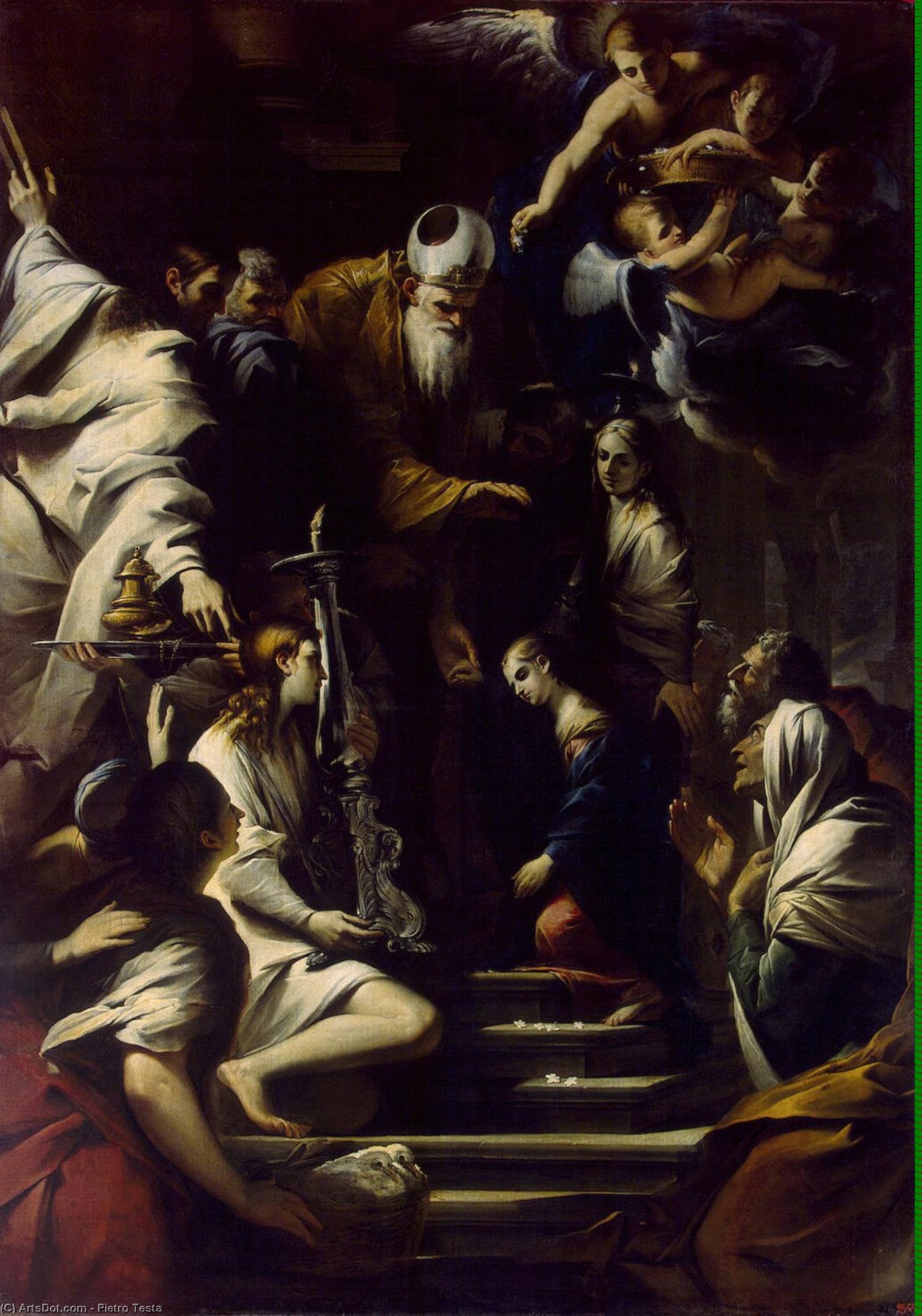
Presentation of the Virgin in the Temple
 Acrylic On Canvas
- WallArt
- Baroque
 1641
1641 323.0 x 226.0 cm
 Hermitage Museum
 Pročitaj više
Kupite digitalnu sliku visoke rezolucije i poboljšanog kvaliteta, koja je znatno superiornija od onoga što vidite u online prikazu.
Svaka datoteka je pedantno pripremljena od strane naših stručnjaka koristeći napredne alate i profesionalnu ručnu retušu. Osiguravamo da svaka slika ima izuzetnu oštrinu, preciznu reprodukciju boja i fine detalje.
Konačna datoteka se dostavlja putem e-pošte u roku od 72 sata, optimizovana za neposrednu upotrebu u profesionalnim, izdavačkim i štamparskim okruženjima. To je isti kvalitet kojem veruju vrhunski studiji dizajna, izdavači i galerije.
Digitalna slika
Preuzmite datoteku visoke rezolucije za ličnu upotrebu, štampanje i kreativne projekte. ( Kupi print Kupi ručno naslikanu sliku)
Uključeno uz svaku porudžbinu digitalne slike
Profesionalna digitalna isporuka, zagarantovana
Kada odaberete ArtsDot.com, ne dobijate samo sliku – vi primate profesionalno unapređeno digitalno umetničko delo, izrađeno sa najvećom preciznošću i uz garanciju zadovoljstva. Evo svega što automatski dolazi uz vašu porudžbinu:

Brza dostava putem e-pošte
Vaša digitalna slika visoke rezolucije biće vam poslata putem e-pošte u roku od 72 sata od poručivanja – spremna za trenutnu upotrebu.

Digitalna datoteka unapređena veštačkom inteligencijom
Vaše umetničko delo je profesionalno optimizovano korišćenjem naprednih AI alata i ručne obrade, čime se osiguravaju maksimalni detalji, oštrina i preciznost boja.

Besplatna ponovna isporuka doživotno
Slučajno ste obrisali ili izgubili svoju datoteku? Ne brinite – poslaćemo vam je ponovo u bilo kom trenutku, potpuno besplatno.

Bez troškova uvoza – zauvek
Uživajte u svojim umetničkim delima trenutno, bez carine, dažbina ili troškova dostave – digitalni download je uvek bez poreza.

Garancija vernosti boja
Uz pomoć profesionalnih alata i upravljanja bojama, osiguravamo da vaša digitalna slika što vernije odražava originalne boje.

Garancija zadovoljstva u roku od 60 dana
Ako niste zadovoljni svojom digitalnom slikom, revidirat ćemo je ili vratiti 100% novca u roku od 60 dana – bez ikakvih pitanja.

100% garancija povrata novca
Niste zadovoljni? Obezbedite pun povrat novca u roku od 60 dana od trenutka kada ste primili svoju digitalnu datoteku – bez suvišnih pitanja.

Popusti na velike porudžbine
Kupite 3 slike, uštedite 10% - Kupite 5 slika, uštedite 15% - Kupite 10+ slika, uštedite 20%. Odlično za kreativne projekte, galerije i agencije.
Opis kolekcionarskog dela
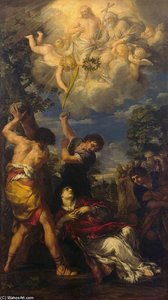
A Vision of Faith: Pietro Testa’s “Presentation of the Virgin in the Temple”
Pietro Testa’s monumental depiction of the Presentation of the Virgin at the Temple stands as a cornerstone of Lucchese Baroque art and a testament to the enduring power of religious iconography. Executed in 1641 for the church of Santa Croce dei Lucchesi in Rome, this painting transcends mere representation; it embodies a profound spiritual aspiration rooted in Mannerist aesthetics and imbued with meticulous detail that continues to captivate viewers centuries later.Style and Technique: Embracing Mannerism’s Dramatic Tension
Testa's approach aligns squarely with the stylistic currents of Mannerism—a reaction against the idealized beauty championed by High Renaissance artists like Raphael and Michelangelo. Unlike its predecessors, Mannerism prioritized expressive distortion and stylized poses to convey psychological states rather than achieving photographic accuracy. Testa skillfully employs this technique, presenting a scene rife with dramatic tension and conveying an overwhelming sense of solemn reverence. The figures are elongated, angular, and subtly twisted—a deliberate departure from classical proportions—creating a visual dynamism that draws the eye inward and invites contemplation. Furthermore, Testa’s masterful use of chiaroscuro – the interplay between light and shadow – amplifies this emotional impact, sculpting volumes with remarkable precision and highlighting key elements within the composition.Historical Context: Rome Under Papal Patronage
The painting emerged during a period of fervent religious fervor in Rome under Pope Innocent X—a time when papal patronage fueled artistic innovation and ambition. Testa’s commission reflects the Church's desire to commemorate the Virgin Mary’s arrival in Jerusalem, marking a pivotal moment in Christian faith. The artwork served as a powerful symbol of piety and devotion, intended to inspire worshippers and reaffirm their belief in divine providence. Its placement within Santa Croce dei Lucchesi underscores its significance as a devotional masterpiece—a focal point for prayer and contemplation within the Roman Catholic liturgical tradition.Symbolism: Layers of Meaning Within Sacred Narrative
The composition itself is laden with symbolic references that enrich its narrative depth. The Virgin Mary, depicted centrally amidst a throng of onlookers, embodies maternal compassion and spiritual purity—qualities revered throughout Christian history. Her gaze directs towards the infant Jesus, symbolizing divine grace and redemption. Surrounding figures represent various members of society – priests, dignitaries, and ordinary citizens – acknowledging the universality of faith and highlighting the importance of communal worship. The architectural setting—a stylized depiction of Jerusalem’s Temple—further reinforces the biblical context and underscores the sanctity of the occasion.Emotional Impact: A Moment Frozen in Time
“Presentation of the Virgin at the Temple” achieves an extraordinary emotional resonance through Testa's masterful manipulation of visual elements. The subdued palette—dominated by earthy tones—creates a sense of solemn grandeur, fostering an atmosphere of reverence and contemplation. Yet, within this stillness lies palpable energy—captured in the expressive gestures of the figures and accentuated by the dramatic lighting. Viewing the painting evokes feelings of awe and humility, prompting reflection on themes of faith, devotion, and divine grace. It remains a compelling reminder of the enduring power of art to communicate spiritual truths and inspire profound emotional responses – a timeless masterpiece that continues to resonate with audiences today.Srodna umetnička dela

Biografija umetnika
William Dobson: A Lost Genius of the English Baroque
Born in London in 1611, William Dobson stands as a pivotal yet tragically overlooked figure in the history of English art. Often overshadowed by his more celebrated contemporary, Anthony van Dyck, Dobson’s work reveals a uniquely sophisticated and deeply personal style that deserves far greater recognition. His life was cut short at just 35 years old, leaving behind a relatively small but remarkably accomplished body of portraiture and occasional genre scenes – a testament to the brilliance he never had the chance to fully realize.
Dobson’s early training remains somewhat shrouded in mystery, though it's believed he began his apprenticeship with William Peake and later studied under Francis Cleyn. These formative influences laid the groundwork for his distinctive approach, blending elements of Northern European realism with a burgeoning interest in Venetian color and technique. The influence of van Dyck is undeniable; Dobson’s early portraits demonstrate a clear emulation of the court painter's elegant poses and refined compositions. However, unlike many artists who merely copied van Dyck, Dobson quickly developed his own voice, injecting a greater sense of psychological depth and emotional nuance into his subjects.
The mid-1630s marked a crucial period in Dobson’s career. He gained access to the Royal Collection, a privilege that allowed him to study and copy works by masters like Titian and van Dyck – skills he then skillfully integrated into his own practice. He became involved with the court of King Charles I, securing commissions for portraits of prominent figures, including members of the royal family. His skill in capturing likenesses was exceptional, but more importantly, Dobson possessed a remarkable ability to convey character and personality through subtle gestures and expressions. The portrait of Prince Charles (later Charles II) is particularly noteworthy – not just for its technical mastery, but for the youthful vitality and inherent charm it captures.
The outbreak of the English Civil War in 1642 dramatically altered Dobson’s life and career. He aligned himself with the Royalist cause and spent his final years based at Oxford, serving as a painter to the Cavaliers. This period produced some of his most powerful and emotionally charged works, reflecting the turmoil and uncertainty of the era. His portraits of figures like Sir William Russell are imbued with a sense of dignified resilience – a testament to the spirit of the English monarchy. Despite the upheaval, Dobson continued to produce significant art, demonstrating an unwavering commitment to his craft even amidst political chaos.
Dobson’s style is often described as superficially similar to van Dyck's, particularly in its elegant composition and refined handling of light and shadow. However, closer examination reveals a crucial distinction: Dobson’s colouring is richer and more vibrant than van Dyck’s, drawing heavily on the expressive palette of Venetian painters. His paint texture is also noticeably rougher, creating a tactile quality that adds depth and immediacy to his works. This deliberate roughness, combined with his psychological insight, distinguishes Dobson as a truly original artist.
Sadly, Dobson's career was cut short by debt and illness. He died in London in 1646 at the young age of 35, leaving behind a legacy largely unrecognized during his lifetime. It wasn’t until the 20th century that Dobson began to receive the critical attention he deserved. Today, his work is celebrated for its psychological depth, technical skill, and unique blend of Northern European realism and Venetian influence. William Dobson remains a vital figure in understanding the development of English portraiture and a poignant example of an artist whose genius was tragically curtailed by circumstance.
Connections to Other Artists
- Anthony van Dyck:** Dobson’s early work shows clear admiration for van Dyck's style, particularly in his compositions and handling of the figure. However, Dobson quickly developed his own distinctive approach, moving beyond mere imitation.
- Titian & Venetian Painting: Dobson was deeply influenced by the vibrant colors and loose brushwork characteristic of Venetian painting, which he skillfully integrated into his portraits.
- Jan Fyt: Dobson shared a connection with Jan Fyt, another prominent Flemish painter who worked in London during this period. Both artists were known for their rich color palettes and depictions of hunting scenes.
Major Works
- Portrait of Prince Charles (later Charles II) as Prince of Wales (1642-1646)
- Portrait of Sir William Russell (c. 1643-1645)
- Various portraits of members of the Royal Family and prominent Cavaliers
Historical Significance
Dobson’s work offers a valuable glimpse into the artistic and political landscape of England during the tumultuous years of the English Civil War. His portraits capture not only the likenesses of his subjects but also their personalities, aspirations, and anxieties. He represents an important bridge between the Mannerist traditions of the early 17th century and the rise of British portraiture in the following decades. Dobson’s untimely death robbed England of a truly exceptional talent, but his legacy continues to inspire artists and scholars today.
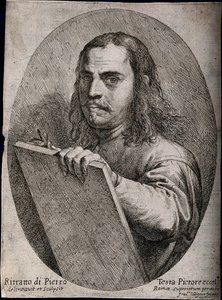
Pjetro Testa
1611 - 1650
Kratke činjenice
- Artistic Movement Or Style: Venetijanski uticaj
- Artists Or Movements Influenced By This Artist: ['Kasniji engleski portreti']
- Artists Who Influenced This Artist:
- Ticin
- Antun Van Dijk
- Date Of Birth: 1611
- Date Of Death: 1646
- Full Name: Vilijam Dobson
- Nationality: Englez
- Notable Artworks: ['Čarls II kao princ']
- Place Of Birth: London, Engleska

