

 Pregledaj u prostoru
 Pošalji
 Podeli
 Detalji o delu

 Преузми
 Slični predmeti
 Rendgenski snimak
 Slajdovi
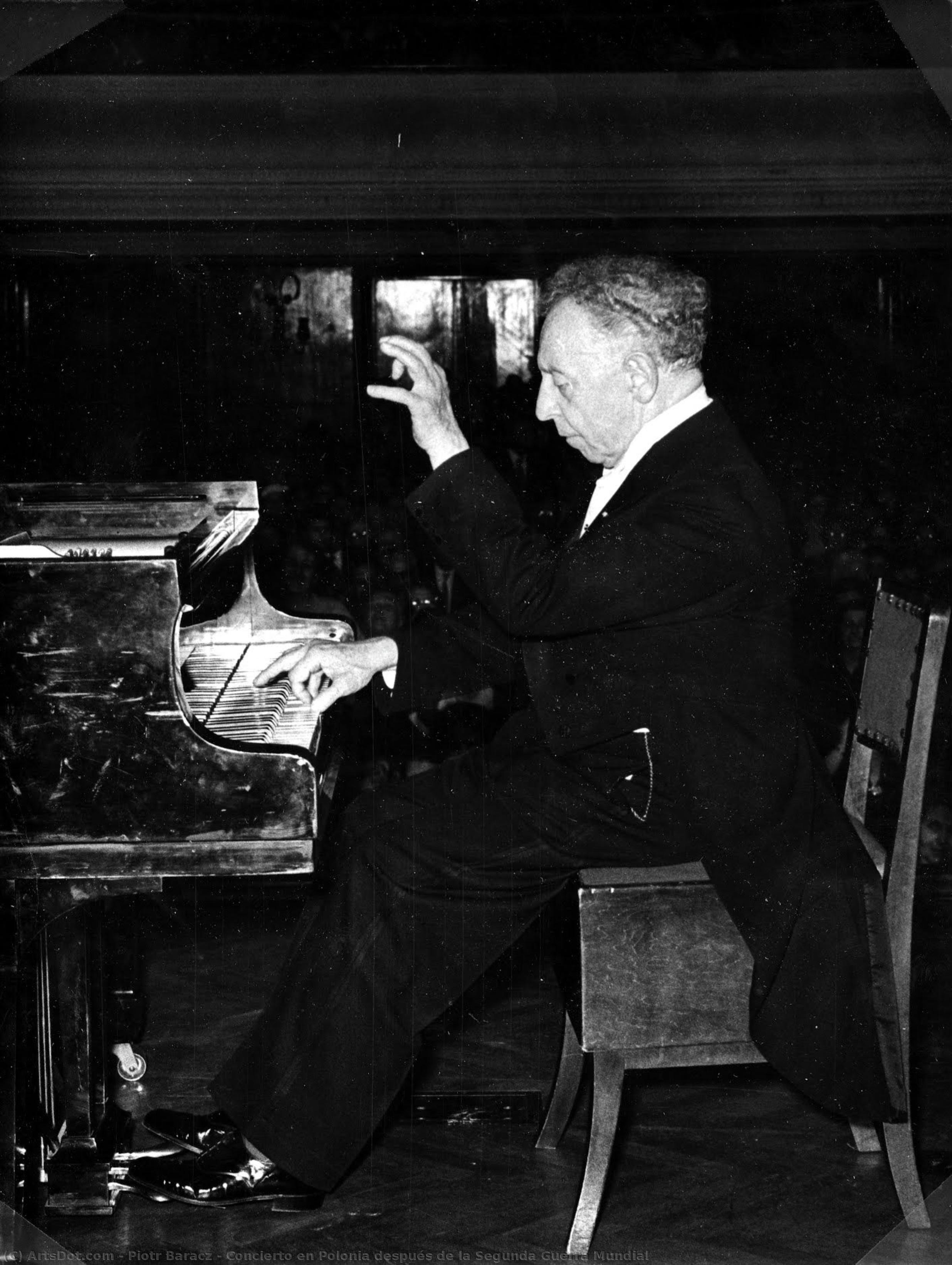
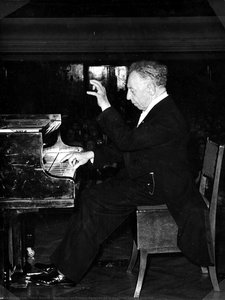
Concierto en Polonia después de la Segunda Guerra Mundial


 Pročitaj više
Ručno rađena uljana reprodukcija
Ručno oslikano uljanim bojama na platnu u dimenzijama i okviru po vašem izboru, izrađeno po porudžbini od strane naših umetnika. ( Kupi print Kupi digitalnu sliku)




































Izaberite jednu od naših unapred definisanih veličina koje odgovaraju originalnim proporcijama umetničkog dela.

Можете унети сопствене димензије како бисте прилагодили дело одређеном оквиру или простору. Ако одабрана величина не одговара пропорцијама оригинала, слика ће бити исечена или проширена додатним елементима који се ручно насликавају. Дигитални prikaz ће вам бити послат на одобрење пре почетка производње.
Имајте на уму да преглед на екрану не одражава стварно исецање или проширење. Само приказ (mockup) ће тачно приказати коначну композицију.
Иако су доступне прилагођене величине, препоручујемо да одаберете димензију из дефинисане листе како бисте сачували оригиналне пропорције.
Nakon narudžbine, tim ArtsDot.com će klijentu putem e-pošte poslati uputstva i dostaviti prikaz predloženog rešenja
Isporuka širom sveta () za 3/4 nedelje umesto uobičajenih 5 nedelja. (30 август). Bez kompromisa po pitanju kvaliteta.

Besplatna ekspresna dostava širom sveta

Visokokvalitetno laneno platno

Kompletno osiguranje transporta

Garancija povraćaja carine i uvoznih dažbina

Garancija vernosti boja

Politika povrata u roku od 60 dana (samo u slučaju nedostataka)

Garancija povrata novca od 100%

Popust pri grupnoj kupovini
 Opcija sa staklom dostupna je samo za dimenzije manje od 110 cm

Concierto en Polonia después de la Segunda Guerra Mundial
Tehnika reprodukcije
Dimenzije reprodukcije
-


Konačna cena
$ 263
Srodna umetnička dela







Biografija umetnika
Piotr Baracz: Echoes of Resilience in Polish Art
Piotr Baracz (1924-1985) emerged as a significant figure within the Polish postwar artistic landscape, embodying the spirit of rebuilding and remembrance following the devastation of World and War II. Born in Poland during a period marked by profound societal upheaval, Baracz’s artistic journey was inextricably linked to the nation's struggle for identity and cultural renewal—a theme that consistently resonated throughout his oeuvre. His work stands as a testament to both personal introspection and a broader engagement with the collective memory of his time, capturing the quiet strength found in the wake of catastrophe.
His formative years were shaped by the turbulent political climate of Communist Poland, a period where art often served as a vessel for navigating complex social realities. Baracz pursued formal artistic education at the Warsaw Academy of Art, honing his skills in painting and sculpture under influential mentors who instilled in him a dedication to realism and expressive observation. This rigorous grounding in traditional techniques would prove crucial to his later stylistic choices, allowing him to translate the heavy atmosphere of his era into tangible, visual narratives.
Style, Symbolism, and the Polish Landscape
Baracz’s distinctive style was characterized by meticulous detail and a profound tonal subtlety. This mastery was particularly evident in his landscapes, which captured the melancholic beauty of Poland's recovering countryside. He did not merely paint scenery; he painted the soul of a nation in transition. Through his brush, the landscape became a living character, reflecting the resilience of the land itself. Recurring motifs in his work included depictions of rural life and portraits that reflected the faces of ordinary Poles grappling with both hardship and hope.
His ability to blend direct observation with symbolic representation allowed him to convey emotions far beyond mere visual description. He explored architectural spaces imbued with historical significance, using light and shadow to evoke a sense of time passing and the weight of history. In his hands, a crumbling structure or a quiet village street became an exploration of endurance. His work often featured:
- Tonal Gradation: A sophisticated use of light to create psychological depth and atmosphere.
- Meticulous Realism: A commitment to capturing the textures of rural life and historical architecture.
- Symbolic Landscapes: Using the natural world as a metaphor for the human condition and national recovery.
Legacy and Notable Achievements
Throughout his career, Baracz achieved significant milestones that cemented his place in the annals of Polish art. His ability to capture the psychological nuance of his subjects made him a master of portraiture. One of his most celebrated works, “Roman Polanski” (1963), exemplifies this mastery; it is a monumental portrait that captures the solemn gaze of the celebrated filmmaker through expert tonal gradation.
Beyond portraiture, his landscapes remain some of his most iconic contributions to the medium. In “The Old Mill” (1970), Baracz portrays a crumbling grain mill set against a dramatic, sweeping sky. This piece serves as a powerful visual metaphor for Poland's enduring spirit amidst decay, illustrating how beauty and strength can persist even within ruins. His legacy remains a vital part of the postwar Polish artistic canon, offering a window into a period of profound transformation and the indomable human will to create amidst the shadows of history.
piotr baracz
1924 - 1985 , Poland
Osnovne informacije
- Artistic Movement Or Style: Postwar Polish Art
- Date Of Birth: 1924
- Full Name: Piotr Baracz
- Nationality: Polish
- Notable Artworks: ['Roman Polanski']
- Place Of Birth: Poland

