

 Pregledaj u prostoru
 Pošalji
 Podeli
 Detalji o delu

 Преузми
 Slični predmeti
 Rendgenski snimak
 Slajdovi
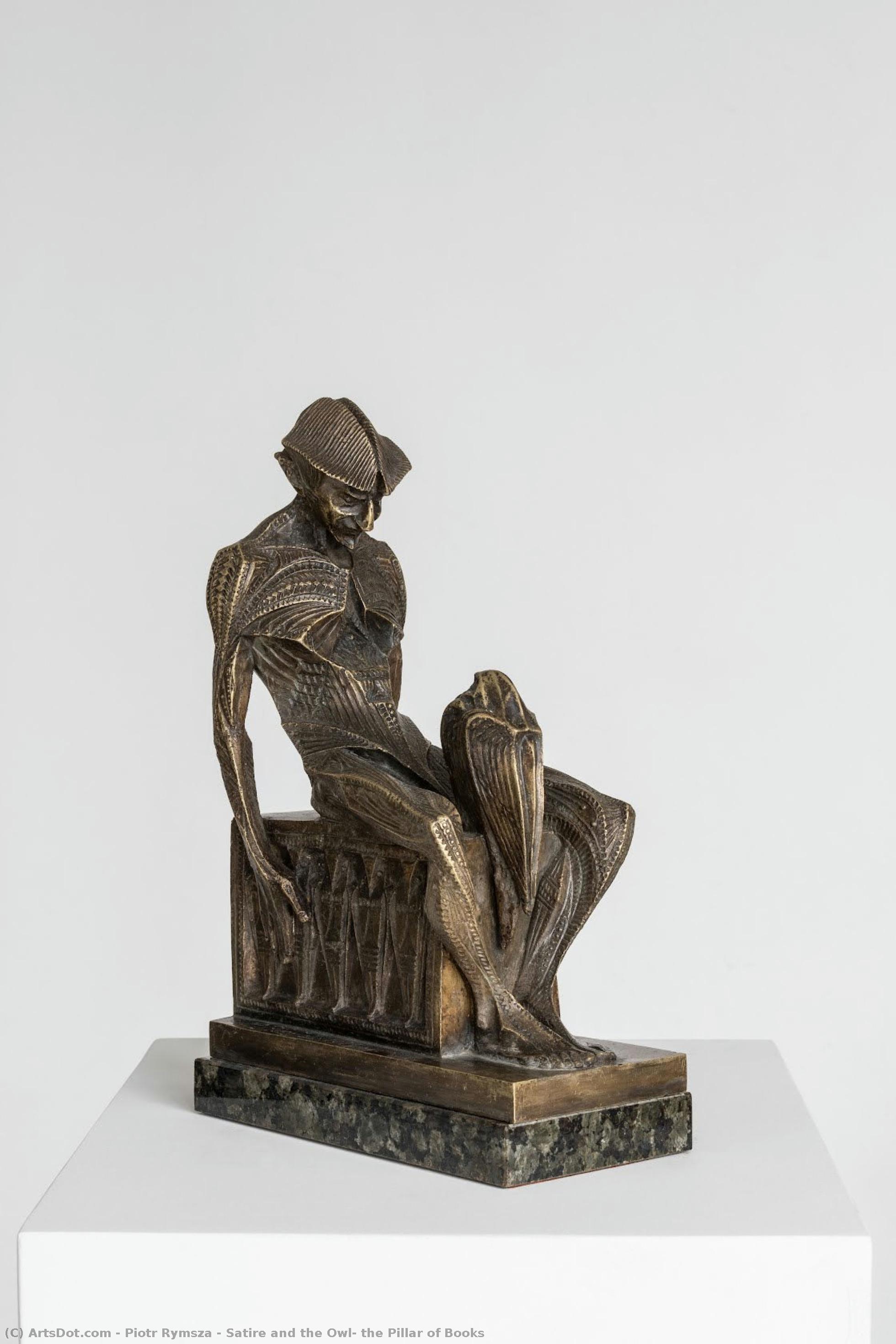
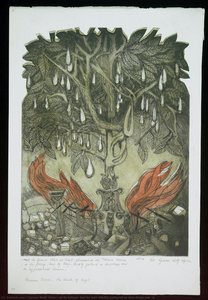
Satire and the Owl, the Pillar of Books
 1915
1915 30.0 x 20.0 cm
 Lithuanian Art Fund
 Pročitaj više
Ručno rađena uljana reprodukcija
Ručno oslikano uljanim bojama na platnu u dimenzijama i okviru po vašem izboru, izrađeno po porudžbini od strane naših umetnika. ( Kupi print Kupi digitalnu sliku)




































Izaberite jednu od naših unapred definisanih veličina koje odgovaraju originalnim proporcijama umetničkog dela.

Можете унети сопствене димензије како бисте прилагодили дело одређеном оквиру или простору. Ако одабрана величина не одговара пропорцијама оригинала, слика ће бити исечена или проширена додатним елементима који се ручно насликавају. Дигитални prikaz ће вам бити послат на одобрење пре почетка производње.
Имајте на уму да преглед на екрану не одражава стварно исецање или проширење. Само приказ (mockup) ће тачно приказати коначну композицију.
Иако су доступне прилагођене величине, препоручујемо да одаберете димензију из дефинисане листе како бисте сачували оригиналне пропорције.
Nakon narudžbine, tim ArtsDot.com će klijentu putem e-pošte poslati uputstva i dostaviti prikaz predloženog rešenja
Isporuka širom sveta () za 3/4 nedelje umesto uobičajenih 5 nedelja. (29 август). Bez kompromisa po pitanju kvaliteta.

Besplatna ekspresna dostava širom sveta

Visokokvalitetno laneno platno

Kompletno osiguranje transporta

Garancija povraćaja carine i uvoznih dažbina

Garancija vernosti boja

Politika povrata u roku od 60 dana (samo u slučaju nedostataka)

Garancija povrata novca od 100%

Popust pri grupnoj kupovini
 Opcija sa staklom dostupna je samo za dimenzije manje od 110 cm

Satire and the Owl, the Pillar of Books
Tehnika reprodukcije
Dimenzije reprodukcije
-


Konačna cena
$ 263
Srodna umetnička dela





Biografija umetnika
The Soul of Lithuanian Form: The Life and Legacy of Piotr Rymsza
In the tapestry of Baltic art history, few threads are as intricately woven or as deeply rooted in national identity as those spun by Piotr Rymsza. Born on November 3, 1881, in the quiet village of Naujantai, Lithuania, Rymsza emerged during a transformative era for his homeland. As one of the first truly professional Lithuanian artists, his life’s work served as a bridge between ancient folk traditions and the burgeoning modernism of the early twentieth century. Growing up in an environment that nurtured his innate creative spirit, he was able to translate the profound rhythms of Lithuanian culture into tangible forms, ranging from the delicate precision of medals to the commanding presence of sculpture.
Rymsza’s artistic journey was defined by a relentless pursuit of national expression. He did not merely create objects; he sculpted a visual language for a nation seeking to define itself. His mastery over diverse mediums—sculpture, graphic art, and the meticulous craft of medal making—allowed him to explore the nuances of ornamentation and symbolic storytelling. Through his hands, the heavy weight of bronze and the fine lines of graphic prints became vessels for Lithuanian heritage, capturing the essence of legends, historical figures, and the very spirit of the land.
Mastery of Ornamentation and Symbolic Depth
To encounter a work by Rymsza is to enter a world of rich, rhythmic ornamentation. His style is characterized by a unique ability to blend traditional decorative motifs with a sophisticated sense of composition. This was not mere decoration for its own sake, but a deliberate attempt to evoke the ancestral memory of Lithuania. In his graphic works and medals, one finds a meticulous attention to detail where every curve and line serves a narrative purpose, often drawing inspiration from the intricate patterns found in folk art and historical chronicles.
His achievements in the realm of numismatic art and medal design are particularly noteworthy. These small-scale masterpieces required an extraordinary level of technical discipline, yet Rymsza infused them with a monumental scale of emotion. Some of his most significant contributions include:
- The Sculptural Personification of History: His ability to breathe life into historical figures, such as the iconic depictions related to the Lithuanian Grand Duke Gediminas.
- Graphic Innovation: The use of line and shadow in his graphic works to create depth and a sense of national gravity.
- Cultural Preservation: The integration of traditional Lithuanian motifs into modern artistic frameworks, ensuring that ancient symbols remained relevant in a changing world.
A Lasting Impression on Lithuanian Artistry
The historical significance of Piotr Rymsza extends far beyond the physical boundaries of his sculptures and prints. He was a pioneer who helped establish a professional standard for Lithuanian artists during a period of intense cultural formation. By elevating folk-inspired ornamentation to the level of fine art, he provided a sense of dignity and permanence to the Lithuanian identity. His influence can be felt in the works of subsequent generations of sculptors and graphic artists who continue to grapple with the balance between tradition and modernity.
Today, Rymsza’s legacy is preserved within the hallowed halls of institutions such as the National Museum of Lithuania, where his works serve as vital touchstones of national pride. His life, which concluded in Kaunas on October 2, 1961, remains a testament to the power of art to act as a guardian of culture. For collectors and historians alike, exploring the oeuvre of Rymsza is an invitation to rediscover the profound beauty and enduring strength of the Lithuanian spirit, captured forever in metal, ink, and stone.
piotr rymsza
1881 - 1961 , Lithuania
Osnovne informacije
- Artistic Movement Or Style: National expression and ornamentation
- Date Of Birth: November 3, 1881
- Date Of Death: October 2, 1961
- Full Name: Piotr Rymsza
- Nationality: Lithuanian
- Notable Artworks: ['Lithuanian Grand Duke Gediminas']
- Place Of Birth: Naudžiai, Lithuania

