

 Pregledaj u prostoru
 Pošalji
 Podeli
 Detalji o delu

 Преузми
 Slični predmeti
 Rendgenski snimak
 Slajdovi
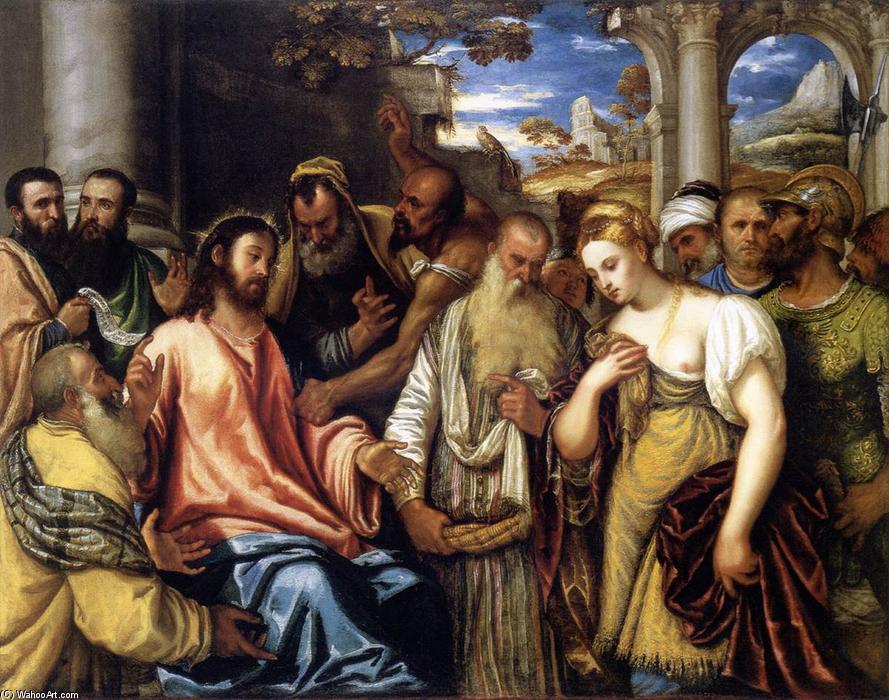
Christ and the Adulteress
 Baroque
 163.0 x 202.0 cm
 Szépművészeti Múzeum
 Pročitaj više
Ručno rađena uljana reprodukcija
Ručno oslikano uljanim bojama na platnu u dimenzijama i okviru po vašem izboru, izrađeno po porudžbini od strane naših umetnika. ( Kupi print Kupi digitalnu sliku)




P118B $10

P118H $10

P118W $10

P438Z $10

P508JH $12

P508YH $12

P805H $10

P805Z $10

P919BZ $10

P919G $10

P919XJ $10

P959ZH $10

P968JZ $12

W106C $8

W218G $10

W218JH $8

W218Y $10

W307PJ $10

W316G $10

W316PJ $8

W316Y $10

W398PJ $8

W4111J $10

W500HY $15

W500JH $15

W692G $12

W849H $8

W940BG $15

W953PJ $8




Izaberite jednu od naših unapred definisanih veličina koje odgovaraju originalnim proporcijama umetničkog dela.

Можете унети сопствене димензије како бисте прилагодили дело одређеном оквиру или простору. Ако одабрана величина не одговара пропорцијама оригинала, слика ће бити исечена или проширена додатним елементима који се ручно насликавају. Дигитални prikaz ће вам бити послат на одобрење пре почетка производње.
Имајте на уму да преглед на екрану не одражава стварно исецање или проширење. Само приказ (mockup) ће тачно приказати коначну композицију.
Иако су доступне прилагођене величине, препоручујемо да одаберете димензију из дефинисане листе како бисте сачували оригиналне пропорције.
Nakon narudžbine, tim ArtsDot.com će klijentu putem e-pošte poslati uputstva i dostaviti prikaz predloženog rešenja
Isporuka širom sveta () za 3/4 nedelje umesto uobičajenih 5 nedelja. (7 септембар). Bez kompromisa po pitanju kvaliteta.

Besplatna ekspresna dostava širom sveta

Visokokvalitetno laneno platno

Kompletno osiguranje transporta

Garancija povraćaja carine i uvoznih dažbina

Garancija vernosti boja

Politika povraćaja u roku od 100 dana (isključivo u slučaju nedostataka)

Garancija povrata novca od 100%

Popust pri grupnoj kupovini
 Opcija sa staklom dostupna je samo za dimenzije manje od 110 cm

Christ and the Adulteress
Tehnika reprodukcije
Dimenzije reprodukcije
-


Konačna cena
$ 263
Srodna umetnička dela


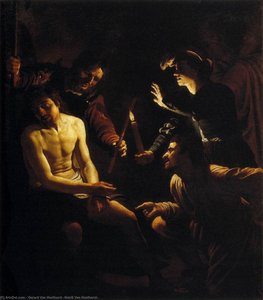
Biografija umetnika
The Venetian Echoes of Polidoro da Lanciano
To encounter the works of Polidoro da Lanciano is to step into a luminous era where the boundaries between the earthly and the divine were painted with unparalleled grace. Born Alessandro Lanzani around 1515 in the quiet, Adriatic-adjacent town of Lanciano, Italy, this master emerged from a lineage of artistry; his grandfather, Alessandro Rienzo, was a practitioner of ceramic painting, providing a foundational connection to the decorative and narrative traditions of the Abruzzi region. While his origins lay inland, Polidoro’s soul was irrevocably drawn to the shimmering light and sophisticated aesthetic of Venice. By adopting a Venetian-style moniker, he signaled his intent to join the ranks of the great masters, seeking the prestige and patronage that only the maritime republic could offer.
His journey through the artistic landscape of the High Renaissance was shaped by the giants of his age. Records suggest a profound immersion in the stylistic innovations of Titian, Bonifacio Veronese, and Pordenone. These influences are woven into the very fabric of his technique, where the dramatic interplay of light and shadow meets a certain Venetian softness. Polidoro’s presence in Venice was well-established by 1536, and through legal documents and social engagements, we see an artist deeply integrated into the commercial and cultural life of the city. His ability to synthesize the monumental strength of Pordenone with the atmospheric elegance of Titian allowed him to create works that felt both structurally sound and ethereally light.
Sacred Intimacy and Mythic Grandeur
The oeuvre of Polidoro da Lanciano is a testament to his versatility, ranging from the deeply personal to the cosmically vast. He found particular success in depicting the Holy Family, often placing the Madonna, Christ Child, and various saints within informal, outdoor settings. These compositions are characterized by an intimate warmth, where religious figures appear not as distant icons, but as living beings nestled within lush, evocative landscapes. In works such as his depictions of Saint Catherine or the Virgin and Child with Saints, one observes a masterful use of color and a tender approach to human emotion that invites the viewer into a moment of quiet devotion.
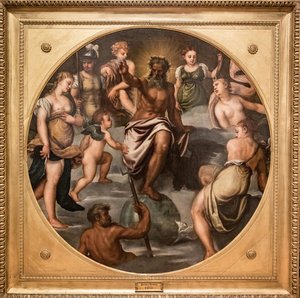
Yet, Polidoro was not confined solely to the sacred. His talent extended to the grand narratives of classical mythology, most notably in his breathtaking depictions of Mount Olympus. In such works, he captures the overwhelming majesty of the gods, utilizing a grand scale that evokes the power of Zeus and the celestial hierarchy. This duality—the ability to pivot from the delicate tenderness of a maternal embrace to the thunderous presence of Olympian deities—marks him as a painter of immense breadth. His technique, often employing oil on canvas, allowed for a rich layering of pigment that gave depth to both the rugged textures of mountain stone and the soft, flowing drapery of divine robes.
A Legacy Etched in the Renaissance
Though Polidoro da Lanciano remains somewhat shrouded in the shadows of his more famous contemporaries, his historical significance is undeniable. He served as a vital bridge between the local traditions of his Italian birthplace and the sophisticated Venetian school. His life reached its poignant conclusion in July 1565, just days after finalizing his last will, leaving behind a body of work that continues to resonate with collectors and scholars alike. His paintings are not merely historical artifacts; they are windows into a period of profound spiritual and intellectual rebirth.
The enduring impact of his artistry can be seen in the way he mastered several key elements of the Renaissance:
- Narrative Depth: The ability to tell complex theological or mythological stories through subtle gestures and landscape integration.
- Atmospheric Perspective: Utilizing the Venetian style to create a sense of infinite space and light-filled environments.
- Humanistic Emotion: Bringing a relatable, human warmth to sacred figures, making the divine accessible to the mortal viewer.
Today, his works reside in prestigious institutions such as The Walters Art Museum and the National Gallery of Canada, serving as enduring reminders of a talent that captured the very essence of the Italian Renaissance.
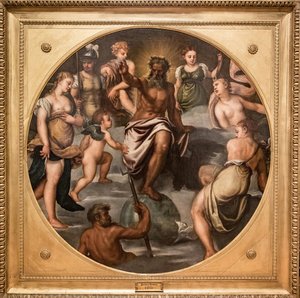
Polidoro da Lanciano
1515 - 1565 , Italy
Osnovne informacije
- Artistic Movement Or Style: Venetian painting
- Artists Or Movements Influenced By This Artist: ['Bonifacio Veronese']
- Artists Who Influenced This Artist: ['Titian']
- Date Of Birth: ca. 1515
- Date Of Death: 1565
- Full Name: Polidoro da Lanciano
- Nationality: Italian
- Notable Artworks:
- Madonna and Child with Saints
- Virgin and Child with Saint Luke and a Kneeling Donor (Vision of Saint Stanislaus)
- Christ and the Adulteress
- Place Of Birth: Lanciano, Italy
Povezani članci
Leonardo da Vinci: 25 Remek-dela Genija za Vaš Dom | ArtsDot
Istražite 25 remek-dela Leonarda da Vince, od Mona Lize do Poslednje večere. Otkrijte priče iza slika renesanse i inspiraciju za dekoraciju enterijera. Kvalitetne reprodukcije na ArtsDot.com!

The Dramatic Flourish: Exploring the Baroque Movement's Enduring Legacy in Art History
Explore the dramatic world of Baroque art! Discover iconic artists like Caravaggio & Rubens, defining techniques, and its lasting impact on art history. Expert insights for collectors & enthusiasts at ArtsDot.

The Visceral Stage: Exploring Dramatic Narratives & Emotional Intensity in Baroque Art
Explore the dramatic world of Baroque art! Discover iconic masters like Caravaggio & Rembrandt, their techniques, and the movement's lasting impact. Expert insights for collectors & enthusiasts at ArtsDot.

Barok Majstor dela: Top 10 Umjetničkih Remeka za Vaš Dom
Otkrijte 10 remek dela koja su definisala baroknu umetnost! Karavagio, Bernini i više – istražite priče iza ovih ikoničnih slika. Inspiracija za vaš dom? Pogledajte kolekciju na ArtsDot.com!

Барокна драма: Уношење величине и емоција у савремене ентеријере
Откријте барокну драму и унесите величину у ваш ентеријер! ArtsDot нуди ручно насликане репродукције, персонализоване портрете и стручне консултације за љубитеље класичне уметности. Потражите савршено дело већ данас!