 Pregledaj u prostoru
 Pošalji
 Podeli
 Detalji o delu

 Преузми
 Slični predmeti
 Rendgenski snimak
 Slajdovi
Представљење Исуса у Храму


 Pročitaj više
Ručno rađena uljana reprodukcija
Ručno oslikano uljanim bojama na platnu u dimenzijama i okviru po vašem izboru, izrađeno po porudžbini od strane naših umetnika. ( Kupi print Kupi digitalnu sliku)




P118B $10

P118H $10

P118W $10

P438Z $10

P508JH $12

P508YH $12

P805H $10

P805Z $10

P919BZ $10

P919G $10

P919XJ $10

P959ZH $10

P968JZ $12

W106C $8

W218G $10

W218JH $8

W218Y $10

W307PJ $10

W316G $10

W316PJ $8

W316Y $10

W398PJ $8

W4111J $10

W500HY $15

W500JH $15

W692G $12

W849H $8

W940BG $15

W953PJ $8




Izaberite jednu od naših unapred definisanih veličina koje odgovaraju originalnim proporcijama umetničkog dela.

Можете унети сопствене димензије како бисте прилагодили дело одређеном оквиру или простору. Ако одабрана величина не одговара пропорцијама оригинала, слика ће бити исечена или проширена додатним елементима који се ручно насликавају. Дигитални prikaz ће вам бити послат на одобрење пре почетка производње.
Имајте на уму да преглед на екрану не одражава стварно исецање или проширење. Само приказ (mockup) ће тачно приказати коначну композицију.
Иако су доступне прилагођене величине, препоручујемо да одаберете димензију из дефинисане листе како бисте сачували оригиналне пропорције.
Nakon narudžbine, tim ArtsDot.com će klijentu putem e-pošte poslati uputstva i dostaviti prikaz predloženog rešenja
Isporuka širom sveta () za 3/4 nedelje umesto uobičajenih 5 nedelja. (20 август). Bez kompromisa po pitanju kvaliteta.

Besplatna ekspresna dostava širom sveta

Visokokvalitetno laneno platno

Kompletno osiguranje transporta

Garancija povraćaja carine i uvoznih dažbina

Garancija vernosti boja

Politika povrata u roku od 60 dana (samo u slučaju nedostataka)

Garancija povrata novca od 100%

Popust pri grupnoj kupovini
 Opcija sa staklom dostupna je samo za dimenzije manje od 110 cm

Представљење Исуса у Храму
Tehnika reprodukcije
Dimenzije reprodukcije
-


Konačna cena
$ 288
Opis umetničkog dela
Pompeo Batoni’s Venus Presenting Aeneas with Armour Forged by Vulcan: A Symphony of Baroque Grandeur
Venus Presenting Aeneas with Armour Forged by Vulcan is more than just a painting; it's a distillation of the Renaissance spirit, expertly channeled through the lens of Baroque artistry. Pompeo Batoni’s masterpiece transcends mere visual representation, offering a profound meditation on fate, divine intervention, and the genesis of Roman power—themes that resonate powerfully even today. Completed in 1748, this monumental canvas embodies the stylistic conventions of its era while simultaneously foreshadowing the burgeoning Neoclassical movement, marking Batoni as a pivotal figure in European art history.A Dramatic Encounter: Style and Technique
Batoni’s signature style is undeniably Baroque, characterized by *chiaroscuro*, an audacious manipulation of light and shadow that sculpts figures with breathtaking realism. Observe how the artist employs subtle gradations of tone to delineate musculature and drapery folds—a technique honed through meticulous observation and masterful brushwork. The luminous skin tones achieved through layering oil paints contribute to a palpable sense of warmth and vitality, conveying an idealized beauty rooted in classical ideals. Unlike earlier Baroque painters who often prioritized theatrical grandeur over anatomical accuracy, Batoni demonstrates a remarkable commitment to detail, reflecting the influence of Raphael and embodying the Bolognese Classicism tradition. This careful attention to texture—the velvety smoothness of fabric, the granular surface of skin—creates an immersive experience for the viewer, transporting them into the opulent setting of Roman antiquity.Mythological Narrative: Symbolism and Context
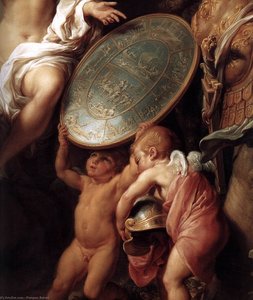
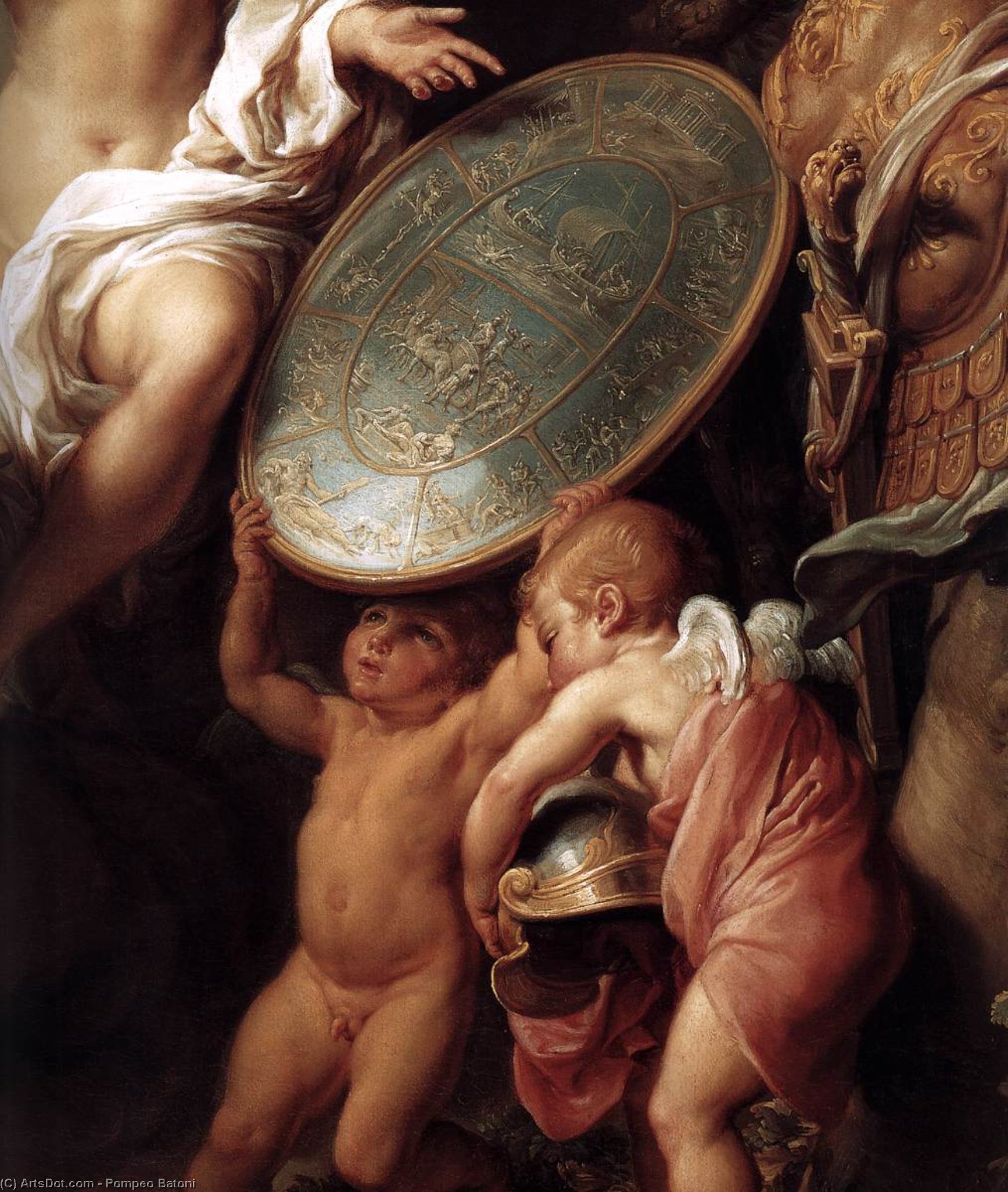
The painting depicts a pivotal scene from Virgil’s *Aeneid*, where Venus, goddess of love and protector of Aeneas, presents him with armour crafted by Vulcan—the god of fire—a gift intended to bolster his courage and safeguard him on his perilous journey to establish Rome. Each element within the composition is laden with symbolic significance. The armour itself represents Aeneas’s destiny as a warrior and the embodiment of Roman virtue; it symbolizes strength, resilience, and unwavering resolve. Vulcan's forge serves as a visual metaphor for divine power and transformative change—the armour isn’t merely protective gear; it signifies the forging of character and the acceptance of fate. The celestial objects carried by the cherubic infants – Venus and Mercury – further amplify the painting’s thematic depth. These figures represent Fortune (Venus) and Wisdom (Mercury), guiding Aeneas toward his heroic purpose. The inclusion of astrological symbols on Vulcan's shield underscores the pervasive belief in astrology during the Baroque period, reinforcing the notion that human affairs are governed by cosmic forces beyond mortal control.The Legacy of Batoni: Foreshadowing Neoclassicism
Despite its adherence to Baroque conventions—particularly *chiaroscuro* and idealized beauty—Batoni’s work anticipates the stylistic shift toward Neoclassicism, which would soon dominate European artistic circles. The restrained emotion conveyed by the figures contrasts sharply with the exuberant theatricality of earlier Baroque paintings, signaling a move towards clarity, balance, and intellectual contemplation. Batoni's meticulous rendering of form and his masterful use of color—primarily warm earth tones accented by cool blues and greens—establish precedents for the aesthetic principles championed by artists like Jacques-Louis David and Antonio Canova. This subtle foreshadowing of Neoclassicism underscores Batoni’s enduring contribution to art history, cementing his place as a transitional figure between two dominant artistic styles.A Timeless Vision: Emotional Impact
Ultimately, Venus Presenting Aeneas with Armour Forged by Vulcan transcends its historical context, captivating viewers with its profound beauty and evocative symbolism. The painting evokes a sense of reverence for the divine—a recognition of the forces shaping human destiny—and inspires contemplation on themes of courage, resilience, and the pursuit of noble ideals. Batoni’s masterful technique ensures that this monumental artwork continues to resonate powerfully with audiences today, serving as a testament to the enduring power of classical mythology and Baroque artistry.Srodna umetnička dela


Biografija umetnika
Rani život i obuka
- Rođen: Luka, Italija (1708)
- Preminuo: 1787
- Pompeo Batoni se preselio u Rim 1727. godine.
- Usavršavao je svoj talenat pod mentorstvom Agostina Masuccija, Sebastiana Conce i/ili Francesca Imperialija.
- Njegova prva samostalna narudžbina proizašla je kao rezultat obilnih kiša koje su pogodile Rim u aprilu 1732. godine.
- Slika „Ekstaza Svete Katarine Sijenske” ilustruje njegovo akademsko usavršavanje kasnobaroknog stila.
Umetnički stil i uticaji
- Batonijev stil crpeo je inspiraciju iz klasične antike, francuskog rokokoa, bolonjskog klasicizma, kao i od umetnika poput Nikole Puzena, Kloda Lorena, a naročito od Rafaela.
- On se smatra pretečom neoklasicizma.
- Njegova dela se mogu pronaći u brojnim muzejima, uključujući Pinacoteku di Brera u Milanu, Italija.
Značajna dela i narudžbina
- Devica idete sa svetima
- Vitez u Rimu: Čarls Sesil Roberts – Slavljeni portret britanskog putnika postavljen ispred rimskih ruševina.
- Trijumf Venecije
- Brojni oltari za crkve u Italiji, kao što je Duomo u Sijeni.
- Bio je veoma tražen za portretiranje, naročito od strane britanskih putnika na Velikom putovanju (Grand Tour), koji su naručivali portrete u stajaćim pozama unutar antičkih okruženja.
Razvoj i istorijski značaj
- Batoni je postao izuzetno modni slikar u Rimu nakon što je njegov rival, Anton Rafael Mengs, otputovao u Španiju 1761. godine.
- Prijateljstvo je stekao sa Vinkelmanom, te je težio suzdržanosti klasicizma u svom slikarstvu.
- Njegovi portreti su dočarali duh ere Velikog putovanja, odražavajući fascinaciju klasičnom antikom među evropskim elitama.
- Batonijeva sposobnost da spoji barokne tehnike sa novonastalim neoklasičnim idealima pozicionirala ga je kao tranzicionu figuru u istoriji italijanske umetnosti.
Nasleđe
- Pompeo Batoni preminuo je 4. februara 1787. godine u Rimu.
- Za sobom je ostavio nasleđe jednog od najpoznatijih italijanskih slikara svog vremena.
- Njegova dela i dalje uživaju divljenje zbog tehničke veštine, elegantnih kompozicija i prodornih prikaza pojedinaca unutar njihovog istorijskog konteksta.
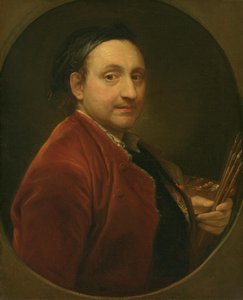
Pompejo Batoni
1708 - 1787 , Italija
Osnovne informacije
- Artistic Movement Or Style: Neoklasicizam
- Artists Who Influenced This Artist:
- Nicolas Poussin
- Claude Lorrain
- Raphael
- Date Of Birth: 1708
- Date Of Death: 1787
- Full Name: Pompeo Batoni
- Nationality: Italijan
- Notable Artworks:
- Devica idete sa svetima
- Vitez u Rimu
- Trijumf Venecije
- Place Of Birth (City And Country): Luka, Italija
Povezani članci
Baroque Classicism: Reconciling Drama & Order in 17th-Century Art
Explore the captivating world of Baroque Classicism! Discover its history, key artists like Caravaggio & Rubens, and defining characteristics. Expert insights & high-quality reproductions at ArtsDot.
Echoes of Olympus: Mythological Narratives in Western Art Through the Ages
Explore the captivating history of mythological narratives in Western art! From ancient Greece to modern masterpieces, discover iconic artworks & symbolism. Expert analysis and high-quality reproductions at ArtsDot.

Барокна драма: Уношење величине и емоција у савремене ентеријере
Откријте барокну драму и унесите величину у ваш ентеријер! ArtsDot нуди ручно насликане репродукције, персонализоване портрете и стручне консултације за љубитеље класичне уметности. Потражите савршено дело већ данас!
Guido Reni: A Study in Baroque Classicism & Artistic Perfection
Explore the life & work of Guido Reni, a master of Baroque classicism. Discover his iconic religious & mythological paintings, and understand his enduring influence on art history. Expert analysis for collectors.
Decoding Baroque Grandeur: A Guide to the Drama and Emotion of 17th-Century Art
Explore the breathtaking drama of 17th-century Baroque art. Our expert guide decodes the use of chiaroscuro, emotional intensity, and historical grandeur to help you appreciate and curate timeless masterpieces for your collection.