

 Pregledaj u prostoru
 Pošalji
 Podeli
 Detalji o delu

 Преузми
 Slični predmeti
 Rendgenski snimak
 Slajdovi
 Stats
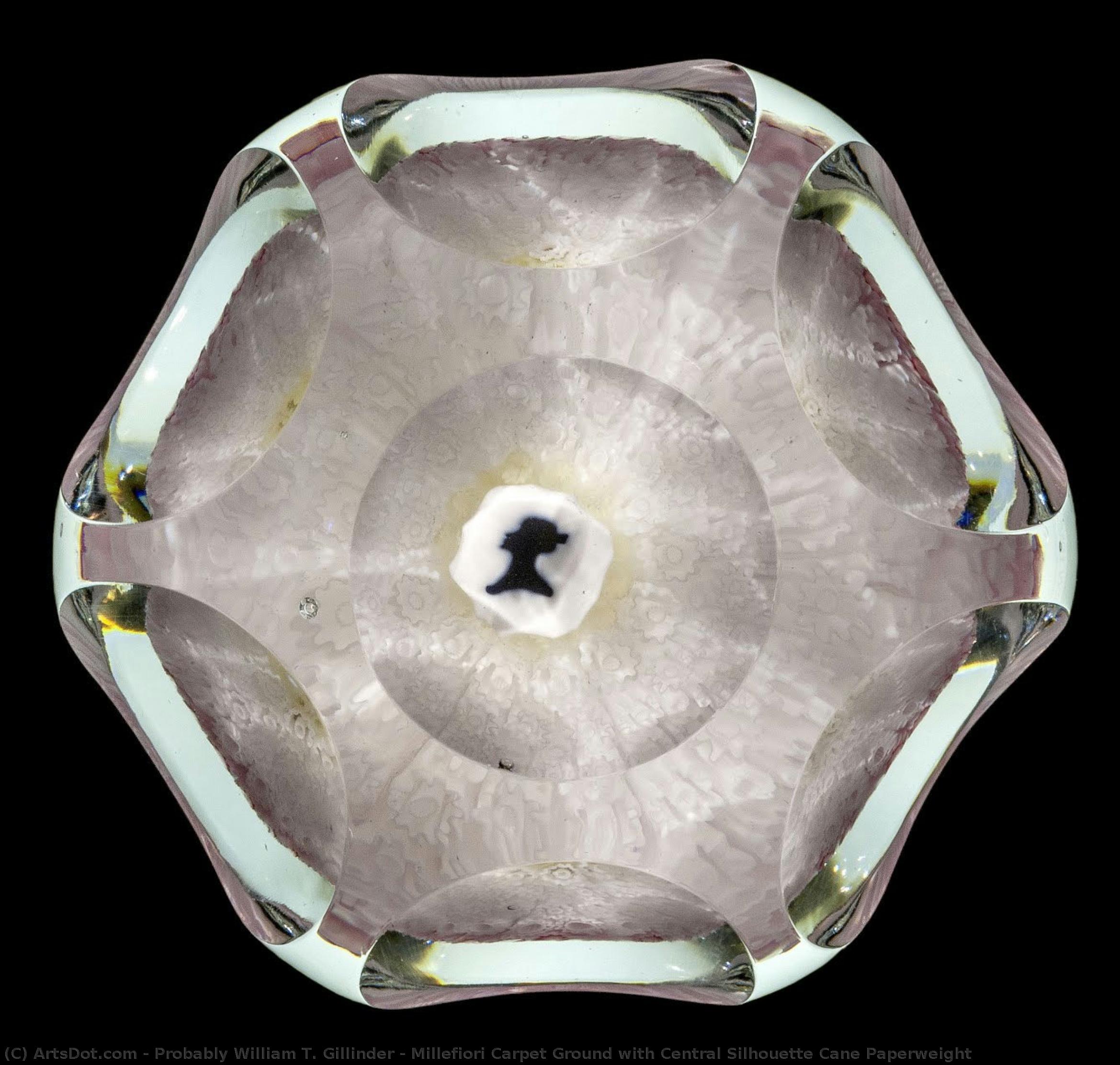
StatsMillefiori Carpet Ground with Central Silhouette Cane Paperweight
 5.0 x 8.0 cm
 Bergstrom-Mahler Museum of Glass
 Pročitaj više
Ručno rađena uljana reprodukcija
Ručno oslikano uljanim bojama na platnu u dimenzijama i okviru po vašem izboru, izrađeno po porudžbini od strane naših umetnika. ( Switch to Print Switch to Digital Image)




































Izaberite jednu od naših unapred definisanih veličina koje odgovaraju originalnim proporcijama umetničkog dela.

Можете унети сопствене димензије како бисте прилагодили дело одређеном оквиру или простору. Ако одабрана величина не одговара пропорцијама оригинала, слика ће бити исечена или проширена додатним елементима који се ручно насликавају. Дигитални prikaz ће вам бити послат на одобрење пре почетка производње.
Имајте на уму да преглед на екрану не одражава стварно исецање или проширење. Само приказ (mockup) ће тачно приказати коначну композицију.
Иако су доступне прилагођене величине, препоручујемо да одаберете димензију из дефинисане листе како бисте сачували оригиналне пропорције.
Nakon narudžbine, tim ArtsDot.com će klijentu putem e-pošte poslati uputstva i dostaviti prikaz predloženog rešenja
Isporuka širom sveta () za 3/4 nedelje umesto uobičajenih 5 nedelja. (8 септембар). Bez kompromisa po pitanju kvaliteta.

Besplatna ekspresna dostava širom sveta

Visokokvalitetno laneno platno

Kompletno osiguranje transporta

Garancija povraćaja carine i uvoznih dažbina

Garancija vernosti boja

Politika povraćaja u roku od 100 dana (isključivo u slučaju nedostataka)

Garancija povrata novca od 100%

Popust pri grupnoj kupovini
 Opcija sa staklom dostupna je samo za dimenzije manje od 110 cm

Millefiori Carpet Ground with Central Silhouette Cane Paperweight
Tehnika reprodukcije
Dimenzije reprodukcije
-


Konačna cena
$ 263
Srodna umetnička dela






Biografija umetnika
The Enigmatic World of William T. Gillinder
The name William T. Gillinder resonates within the specialized circles of antique paperweight collecting, yet remains largely unknown to the broader art historical landscape. This is a curious situation for an artist whose delicate creations—primarily millefiori paperweights—capture a fleeting moment in Victorian artistry and technical skill. While biographical details surrounding Gillinder are scarce, his work speaks volumes about the burgeoning glassmaking industry of 19th-century America and the refined tastes of its emerging middle class. He is believed to have been active during the mid-to-late 1800s, a period marked by rapid industrialization alongside a renewed appreciation for handcrafted objects. The lack of extensive documentation adds an air of mystery to his oeuvre, prompting speculation about his training and influences. It’s generally accepted that Gillinder worked in Philadelphia, a significant center for glass production at the time, though precise details regarding workshops or apprenticeships remain elusive.A Master of Millefiori
Gillinder's artistic legacy rests almost entirely on his exceptional paperweights, specifically those employing the millefiori technique—Italian for “thousand flowers.” This complex process involves creating intricate floral designs from glass canes, which are then cross-sectioned and arranged within a clear glass matrix. The resulting compositions appear as miniature gardens suspended in time. Gillinder distinguished himself through an extraordinary command of color and form. His paperweights aren’t merely decorative; they demonstrate a sophisticated understanding of light refraction and the interplay between vibrant hues. He favored a palette rich in ruby reds, cobalt blues, emerald greens, and sunny yellows, often juxtaposing them with delicate white latticework or contrasting dark grounds to enhance their visual impact.Influences and Artistic Context
The origins of millefiori glassmaking can be traced back to ancient Rome, but the technique experienced a significant revival in Murano, Italy, during the 19th century. It is highly probable that Gillinder was influenced by examples of Italian millefiori paperweights imported into America. However, he wasn’t simply a copyist. He adapted the technique to his own aesthetic sensibilities and the demands of the American market. The Victorian era prized sentimentality and naturalistic representation, and Gillinder's paperweights perfectly embodied these values. His work also reflects the broader artistic trends of the period, including the influence of botanical illustration and the growing fascination with exotic flora. The meticulous detail in his floral arrangements suggests a keen observation of nature, perhaps informed by popular gardening books or direct study of plant life.Technical Prowess and Lasting Appeal
Creating millefiori paperweights is an incredibly demanding process, requiring both technical skill and artistic vision. Gillinder’s mastery lies in his ability to seamlessly integrate hundreds of individual glass canes into a harmonious whole. The canes themselves had to be precisely crafted, cooled, and arranged before being fused together within the molten glass. This required exceptional control over temperature and timing, as well as a deep understanding of how different colors would interact when heated. Beyond the technical challenges, Gillinder possessed an innate sense of composition and color balance. His paperweights are not haphazard arrangements; they are carefully considered works of art that showcase his artistic sensibility. Today, his creations are highly sought after by collectors for their beauty, rarity, and historical significance. They offer a glimpse into a bygone era—a time when handcrafted objects were valued for their artistry and the skill of the artisans who created them.A Legacy in Glass
Although William T. Gillinder’s life remains shrouded in obscurity, his paperweights continue to captivate and inspire. His work stands as a testament to the enduring appeal of handcrafted art and the beauty that can be achieved through technical mastery and artistic vision. While he may not have achieved widespread recognition during his lifetime, Gillinder's legacy lives on in the exquisite paperweights he left behind—miniature worlds of color and light that offer a timeless glimpse into the Victorian aesthetic. His pieces are now treasured as examples of American glassmaking artistry, representing a unique blend of Italian technique and American sensibility. The ongoing fascination with his work ensures that William T. Gillinder will continue to be remembered as a master of millefiori and a significant figure in the history of paperweight collecting.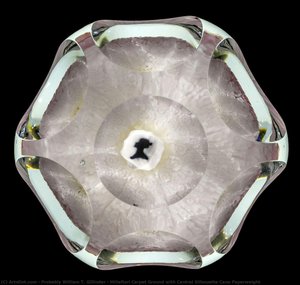
Osnovne informacije
- Artistic Movement Or Style: Paperweight Art
- Date Of Death: Living
- Full Name: William T. Gillinder
- Notable Artworks: ['Millefiori Carpet Ground Paperweight']