

 Pregledaj u prostoru
 Pošalji
 Podeli
 Detalji o delu

 Преузми
 Slični predmeti
 Rendgenski snimak
 Slajdovi
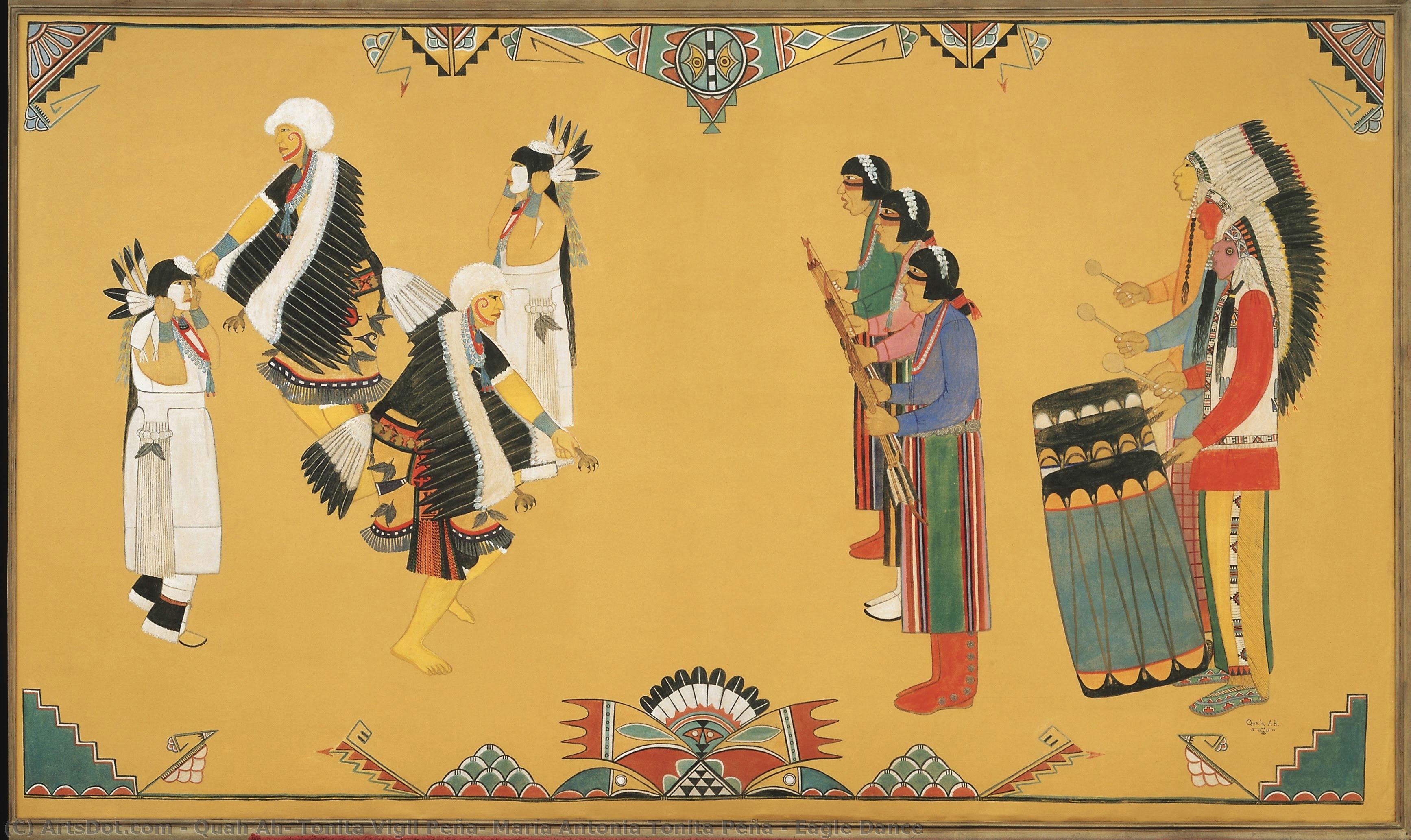
Eagle Dance

 Pročitaj više
Ručno rađena uljana reprodukcija
Ručno oslikano uljanim bojama na platnu u dimenzijama i okviru po vašem izboru, izrađeno po porudžbini od strane naših umetnika. ( Kupi print Kupi digitalnu sliku)




































Izaberite jednu od naših unapred definisanih veličina koje odgovaraju originalnim proporcijama umetničkog dela.

Можете унети сопствене димензије како бисте прилагодили дело одређеном оквиру или простору. Ако одабрана величина не одговара пропорцијама оригинала, слика ће бити исечена или проширена додатним елементима који се ручно насликавају. Дигитални prikaz ће вам бити послат на одобрење пре почетка производње.
Имајте на уму да преглед на екрану не одражава стварно исецање или проширење. Само приказ (mockup) ће тачно приказати коначну композицију.
Иако су доступне прилагођене величине, препоручујемо да одаберете димензију из дефинисане листе како бисте сачували оригиналне пропорције.
Nakon narudžbine, tim ArtsDot.com će klijentu putem e-pošte poslati uputstva i dostaviti prikaz predloženog rešenja
Isporuka širom sveta () za 3/4 nedelje umesto uobičajenih 5 nedelja. (31 август). Bez kompromisa po pitanju kvaliteta.

Besplatna ekspresna dostava širom sveta

Visokokvalitetno laneno platno

Kompletno osiguranje transporta

Garancija povraćaja carine i uvoznih dažbina

Garancija vernosti boja

Politika povrata u roku od 60 dana (samo u slučaju nedostataka)

Garancija povrata novca od 100%

Popust pri grupnoj kupovini
 Opcija sa staklom dostupna je samo za dimenzije manje od 110 cm

Eagle Dance
Tehnika reprodukcije
Dimenzije reprodukcije
-


Konačna cena
$ 263
Srodna umetnička dela

Biografija umetnika
Tonita Peña (Quah Ah): A Pioneer of Pueblo Art
- Born: San Ildefonso Pueblo, New Mexico, 1893
- Died: Kewa Pueblo, New Mexico, 1949
- Other Names: Tonita Vigil Peña, María Antonia Tonita Peña, Quah Ah
Tonita Peña, also known by her Tewa name "Quah Ah," stands as a pivotal figure in early 20th-century Southwestern art and the first Pueblo Indian easel painter. Born into the San Ildefonso Pueblo community, she defied artistic conventions of her time, breaking away from the traditional male dominance within narrative painting. Her legacy extends beyond her own prolific output; she served as an influential art teacher, nurturing a new generation of Native American artists.
Early Life and Artistic Development
- Pueblo Heritage: Peña's artistic vision was deeply rooted in her Pueblo heritage, drawing inspiration from the traditions, ceremonies, and daily life of her community.
- Encouragement & Mentorship: Edgar Hewitt, New Mexico’s state archeologist and museum director, and painter Kenneth Chapman recognized her talent and provided crucial encouragement and guidance. This support was instrumental in her development as an artist.
- Medium & Style: Peña primarily worked with pen and ink on paper, often embellished with delicate watercolor washes. Her style is characterized by its detailed linework, expressive figures, and vibrant depictions of Pueblo life. She frequently captured ceremonial dances like the Eagle Dance and Corn Dance, preserving these cultural traditions for posterity.
- Wall Paintings: Peña also executed several notable wall paintings in New Mexico, demonstrating her versatility as an artist beyond easel painting.
Major Themes & Artistic Achievements
- Depiction of Pueblo Life: Her artwork provides invaluable insights into the daily routines, social structures, and spiritual beliefs of the San Ildefonso Pueblo people.
- Ceremonial Dance Focus: Peña is particularly renowned for her depictions of Pueblo dances, capturing the energy, grace, and cultural significance of these rituals. The "Eagle Dance" and "Corn Dance" are among her most celebrated works (see Eagle Dance and Corn Dance).
- Breaking Barriers: As the first Pueblo Indian easel painter, Peña challenged gender stereotypes and paved the way for other Native American women to pursue artistic careers.
Historical Significance & Legacy
- Preservation of Culture: Peña's art serves as a vital historical record, documenting aspects of Pueblo culture that might otherwise have been lost or overlooked.
- Influence on Southwestern Art: She significantly contributed to the development of Southwestern art, helping to establish a distinct Native American artistic voice within the broader regional landscape.
- Art Education: Her role as an art teacher ensured her influence extended beyond her own creations, inspiring and mentoring future generations of Pueblo artists.
- Recognition: Tonita Peña's work is held in numerous museum collections and continues to be exhibited and celebrated for its artistic merit and cultural importance. Learn more about the artist here.
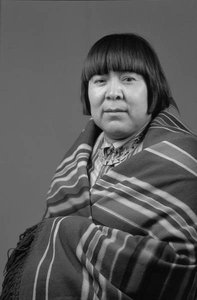
quah ah, tonita vigil peña, maría antonia tonita peña
1893 - 1949 , United States of America
Osnovne informacije
- Biography: Tonita Peña, also known as Quah Ah, Tonita Vigil Peña, and María Antonia Tonita Peña, was a renowned Pueblo artist born in San Ildefonso Pueblo, New Mexico in 1893. She specialized in pen and ink on paper embellished with watercolor, and was a well-known and influential Native American artist and art teacher of the early 1920s and 1930s. Peña was the first pueblo Indian easel painter, and broke away from the stereotype of only men doing narrative painting. She was encouraged by New Mexico archeologist and museum director Edgar Hewitt and painter Kenneth Chapman, and executed several wall paintings in New Mexico. Peña passed away in Kewa Pueblo, New Mexico in 1949.
- Birth_Date: 1893
- Birth_Place: San Ildefonso Pueblo, United States of America
- Death_Date: 1949
- Influenced_By:
- Edgar Hewitt
- Kenneth Chapman
- Movement: Southwestern Art
- Name: Tonita Peña (Quah Ah)
- Nationality: American
- Notable_Works:
- Eagle Dance
- Corn Dance
- Other_Names:
- Tonita Vigil Peña
- María Antonia Tonita Peña
- Tonita Peña
- Quah Ah
- Tonita Vigil Pena
- Maria Antonia Tonita Pena

