

 Pregledaj u prostoru
 Pošalji
 Podeli
 Detalji o delu

 Преузми
 Slični predmeti
 Rendgenski snimak
 Slajdovi
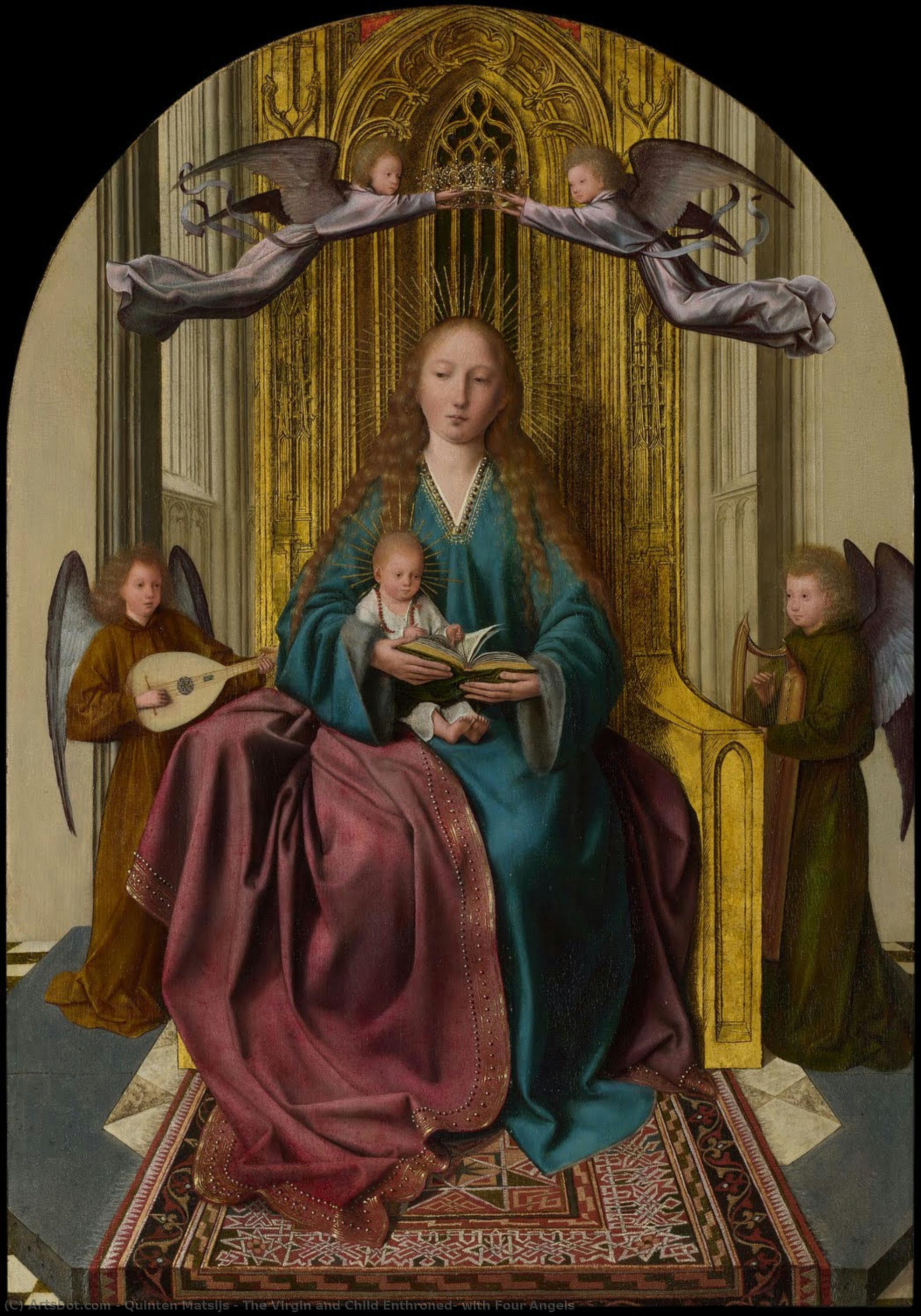
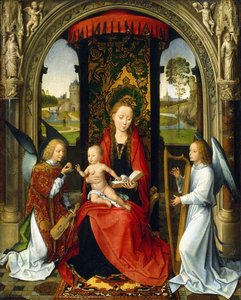
The Virgin and Child Enthroned, with Four Angels
 Early Netherlandish Painting
 1506
1506 62.0 x 43.0 cm
 Nacionalna galerija
 Pročitaj više
Kupite digitalnu sliku visoke rezolucije i poboljšanog kvaliteta, koja je znatno superiornija od onoga što vidite u online prikazu.
Svaka datoteka je pedantno pripremljena od strane naših stručnjaka koristeći napredne alate i profesionalnu ručnu retušu. Osiguravamo da svaka slika ima izuzetnu oštrinu, preciznu reprodukciju boja i fine detalje.
Konačna datoteka se dostavlja putem e-pošte u roku od 72 sata, optimizovana za neposrednu upotrebu u profesionalnim, izdavačkim i štamparskim okruženjima. To je isti kvalitet kojem veruju vrhunski studiji dizajna, izdavači i galerije.
Digitalna slika
Preuzmite datoteku visoke rezolucije za ličnu upotrebu, štampanje i kreativne projekte. ( Kupi print Kupi ručno naslikanu sliku)
Uključeno uz svaku porudžbinu digitalne slike
Profesionalna digitalna isporuka, zagarantovana
Kada odaberete ArtsDot.com, ne dobijate samo sliku – vi primate profesionalno unapređeno digitalno umetničko delo, izrađeno sa najvećom preciznošću i uz garanciju zadovoljstva. Evo svega što automatski dolazi uz vašu porudžbinu:

Brza dostava putem e-pošte
Vaša digitalna slika visoke rezolucije biće vam poslata putem e-pošte u roku od 72 sata od poručivanja – spremna za trenutnu upotrebu.

Digitalna datoteka unapređena veštačkom inteligencijom
Vaše umetničko delo je profesionalno optimizovano korišćenjem naprednih AI alata i ručne obrade, čime se osiguravaju maksimalni detalji, oštrina i preciznost boja.

Besplatna ponovna isporuka doživotno
Slučajno ste obrisali ili izgubili svoju datoteku? Ne brinite – poslaćemo vam je ponovo u bilo kom trenutku, potpuno besplatno.

Bez troškova uvoza – zauvek
Uživajte u svojim umetničkim delima trenutno, bez carine, dažbina ili troškova dostave – digitalni download je uvek bez poreza.

Garancija vernosti boja
Uz pomoć profesionalnih alata i upravljanja bojama, osiguravamo da vaša digitalna slika što vernije odražava originalne boje.

Garancija zadovoljstva u roku od 60 dana
Ako niste zadovoljni svojom digitalnom slikom, revidirat ćemo je ili vratiti 100% novca u roku od 60 dana – bez ikakvih pitanja.

100% garancija povrata novca
Niste zadovoljni? Obezbedite pun povrat novca u roku od 60 dana od trenutka kada ste primili svoju digitalnu datoteku – bez suvišnih pitanja.

Popusti na velike porudžbine
Kupite 3 slike, uštedite 10% - Kupite 5 slika, uštedite 15% - Kupite 10+ slika, uštedite 20%. Odlično za kreativne projekte, galerije i agencije.
Opis kolekcionarskog dela
The Virgin and Child Enthroned, with Four Angels – A Renaissance Masterpiece
Quinten Massys’s “The Virgin and Child Enthroned, with Four Angels,” painted around 1506-9 in Antwerp, is more than just a devotional image; it's a vibrant snapshot of early Netherlandish art, brimming with symbolic depth and technical mastery. Initially conceived as part of a diptych alongside a depiction of Saint George and the Dragon – now residing in the National Gallery of Art in Washington D.C. – this panel offers a captivating glimpse into the burgeoning artistic landscape of the late 15th century. Massys, a pivotal figure in establishing the Antwerp School of Painting, skillfully blends religious iconography with subtle humanism, creating an artwork that resonates with both spiritual contemplation and quiet observation.
The scene unfolds within a meticulously rendered Gothic chapel, its architecture subtly echoing the grandeur of contemporary churches while simultaneously serving as a symbolic framework for the Virgin Mary and Christ Child. The throne itself, adorned with rich gold leaf and vibrant enamel, immediately establishes an atmosphere of regal authority – reflecting Mary’s divine status as Queen of Heaven. Four angels, positioned strategically around the central figures, aren't merely decorative; they actively participate in the narrative through their musical instruments: a lute and a harp, suggesting harmony and divine grace. The inclusion of two additional standing angels further emphasizes this theme of celestial orchestration.
A Study in Light, Color, and Detail
Massys’s technical prowess is immediately apparent in the painting's masterful use of light and color. The scene is bathed in a soft, diffused illumination that emanates from the right, casting delicate shadows across the figures and architectural elements. This technique, reminiscent of Jan van Eyck’s innovations, creates a sense of depth and realism rarely seen in earlier Netherlandish art. The Virgin's dress, rendered with meticulous detail, showcases a complex interplay of folds and textures – a testament to Massys’s ability to capture the illusion of three-dimensionality on a flat surface. The use of vibrant blues and reds, contrasted against the muted tones of the chapel walls, draws the viewer's eye to the central figures while simultaneously establishing a harmonious balance within the composition.
Close examination reveals an astonishing level of detail throughout the painting. The intricate patterns on the carpet beneath the throne, the delicate embroidery of Mary’s robe, and even the individual knots in the wood paneling all contribute to a sense of immersive realism. Massys's attention to detail isn't merely superficial; it serves to elevate the artwork beyond a simple depiction of religious figures, transforming it into a complex visual allegory filled with symbolic meaning.
Symbolism and Humanistic Nuances
Beyond its technical brilliance, “The Virgin and Child Enthroned” is rich in symbolism. The presence of the iris and columbine – flowers traditionally associated with sorrow and mourning – subtly acknowledges the themes of the Passion and the sorrows of the Virgin Mary. However, Massys’s approach is far from didactic; he imbues these symbols with a delicate nuance, suggesting a profound understanding of human emotion rather than simply presenting a straightforward theological message. The inclusion of two figures in the background, one standing near the left side and another on the right, adds an element of human presence to the divine scene, subtly reminding us of the earthly realm from which this celestial narrative originates.
Notably, Massys’s depiction of Mary deviates slightly from established conventions. Her unbound blond hair, falling across her shoulders and down her arms, is a departure from the more tightly styled hairstyles typically seen in earlier Virgin and Child paintings. This subtle detail reflects Massys's willingness to experiment with artistic techniques and challenge traditional representations, solidifying his position as a forward-thinking artist within the Antwerp School.
A Timeless Masterpiece for Art Lovers
“The Virgin and Child Enthroned, with Four Angels” remains a powerful testament to the artistry of Quinten Massys. Its masterful composition, exquisite detail, and profound symbolism continue to captivate viewers centuries after its creation. Whether admired as a historical artifact or appreciated for its aesthetic beauty, this painting offers a unique window into the artistic and cultural landscape of early Renaissance Europe – a timeless masterpiece that speaks volumes about faith, humanity, and the enduring power of art.
Srodna umetnička dela
Biografija umetnika
**early life and training**
quinten matsijs, a prominent figure in the early netherlandish tradition, was born in leuven, belgium, in 1466. according to tradition, matsijs began his career as an ironsmith before transitioning to painting, although this aspect of his life remains somewhat speculative.**artistic career and contributions**
active in antwerp for over two decades, quinten matsijs produced numerous works characterized by their religious undertones and satirical inclinations. his contributions to the early netherlandish art movement are significant, earning him recognition as the founder of the antwerp school of painting. this school would later become a dominant force in flemish art during the 16th century.**notable works and innovations**
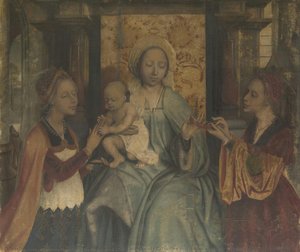
- **the virgin and child with saints catherine and barbara**: a masterpiece showcasing matsijs' skill in blending religious themes with subtle moral undertones. - **jacob obrecht**: a portrait of the renowned choirmaster, exemplifying matsijs' ability to capture the essence of his subjects.**legacy and influence**
matsijs introduced new techniques and motifs to the early netherlandish tradition, paving the way for future generations of artists. his influence can be seen in the works of later flemish painters who built upon his innovations.- key contribution: founding the antwerp school of painting, which became a cornerstone of flemish art in the 16th century.
- notable museums featuring his work: the koninklijk museum voor schone kunsten in antwerp, belgium, houses several of matsijs' masterpieces, offering a glimpse into his artistic genius.
- view more of quinten matsijs' art: explore [ArtsDot.com's collection](https://ArtsDot.com/@/quinten-matsijs) for an in-depth look at his works and the early netherlandish art movement.
**conclusion**
quinten matsijs's legacy is a testament to his enduring impact on flemish painting. through his innovative approach, he not only defined the antwerp school but also influenced the broader landscape of northern renaissance art. his works continue to inspire and intrigue, offering a window into the artistic and cultural nuances of 15th-century flanders.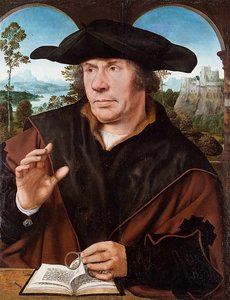
quinten matsijs
1466 - 1530 , Belgium
Kratke činjenice
- Artistic Movement Or Style: Early Renaissance
- Artists Or Movements Influenced By This Artist: ['Michelangelo']
- Artists Who Influenced This Artist:
- Lorenzo Ghiberti
- Filippo Brunelleschi
- Date Of Birth: c. 1386
- Date Of Death: 1466
- Full Name: Donato di Niccolò di Betto Bardi
- Nationality: Italian
- Notable Artworks:
- Saint George
- David (bronze)
- Equestrian Monument Gattamelata
- Place Of Birth: Florence, Italy

