

 Pregledaj u prostoru
 Pošalji
 Podeli
 Detalji o delu

 Преузми
 Slični predmeti
 Rendgenski snimak
 Slajdovi
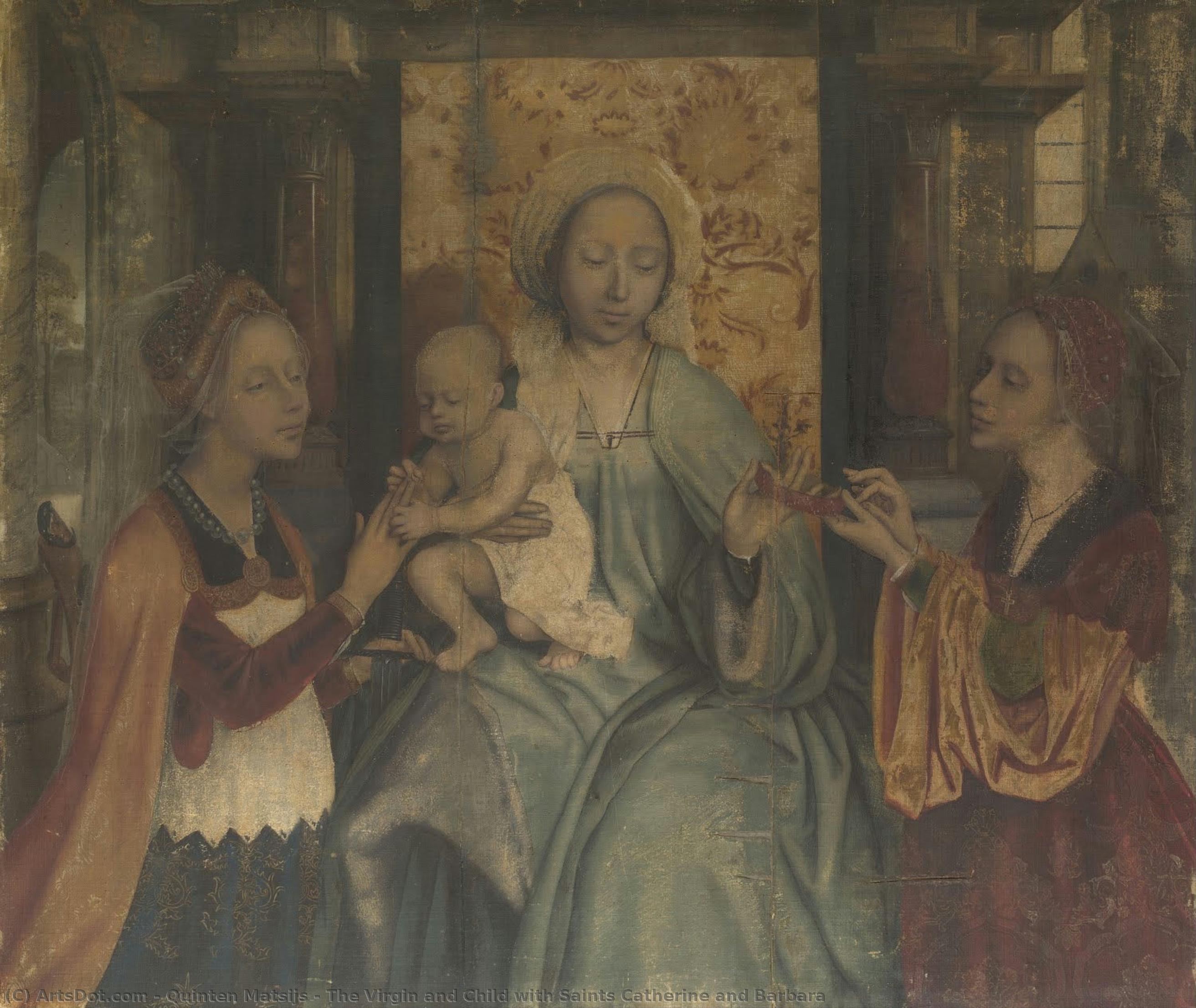
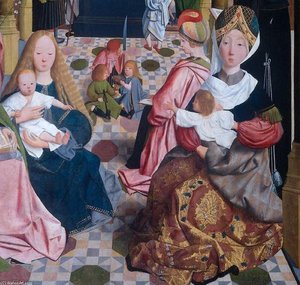
The Virgin and Child with Saints Catherine and Barbara
 Oil On Panel
- Early Renaissance
 1515
1515 93.0 x 110.0 cm
 Nacionalna galerija
 Pročitaj više
Giclee štampa / Umetnički otisak
Giclée štampa ili print na platnu muzejskog kvaliteta uz brzu proizvodnju i fleksibilne opcije završne obrade. ( Kupi ručno naslikanu sliku Kupi digitalnu sliku)




P118B $10

P118H $10

P118W $10

P438Z $10

P508JH $12

P508YH $12

P805H $10

P805Z $10

P919BZ $10

P919G $10

P919XJ $10

P959ZH $10

P968JZ $12

W106C $8

W218G $10

W218JH $8

W218Y $10

W307PJ $10

W316G $10

W316PJ $8

W316Y $10

W398PJ $8

W4111J $10

W500HY $15

W500JH $15

W692G $12

W849H $8

W940BG $15

W953PJ $8




Izaberite jednu od naših unapred definisanih veličina koje odgovaraju originalnim proporcijama umetničkog dela.

Možete uneti sopstvene dimenzije kako biste umetničko delo prilagodili specifičnom okviru ili prostoru. Ako odabrani format ne odgovara proporcijama originalne slike, mi ćemo ili iscrtati deo dela ili proširiti sliku pomoću ogledane ivice ili jednobojnog popunjavanja. Digitalni prikaz će vam biti poslat na odobrenje pre početka proizvodnje.
Imajte na umu da pregled na ekranu ne odražava stvarno iscrtavanje ili proširivanje. Samo će prikaz (mockup) precizno pokazati finalnu kompoziciju.
Iako su prilagođene dimenzije dostupne, preporučujemo da odaberete dimenziju sa unapred definisane liste kako biste očuvali originalne proporcije.
Dostava širom sveta () za 2 nedelje umesto uobičajenih 4/5 nedelja. (28 август)

Besplatna ekspresna dostava širom sveta

Visokokvalitetno laneno platno

Kompletno osiguranje transporta

Garancija povraćaja carine i uvoznih dažbina

Garancija vernosti boja

Politika povrata u roku od 60 dana (samo u slučaju nedostataka)

Garancija povrata novca od 100%

Popust pri grupnoj kupovini
 Opcija sa staklom dostupna je samo za dimenzije manje od 110 cm

The Virgin and Child with Saints Catherine and Barbara
Giclee štampa / Umetnički otisak
Dimenzije reprodukcije
-


Konačna cena
$ 62
The Virgin and Child with Saints Catherine and Barbara – A Renaissance Dialogue of Faith and Form
Quinten Matsijs’ “Virgin & Child” (1515), housed in the National Gallery, London, stands as a testament to the burgeoning humanist spirit of Early Renaissance art while simultaneously embodying profound religious devotion. More than just a depiction of biblical figures—Mary, Jesus Christ, and Saint Catherine and Saint Barbara—the painting is an intricate orchestration of visual elements designed to convey spiritual contemplation and moral instruction.
- Overall Impression: The artwork presents a realistic portrayal typical of its era, albeit bearing the marks of time and careful restoration. Its central composition focuses on Mary, Jesus, and Saint Catherine, flanked by Barbara, creating a balanced visual narrative within an indistinct architectural setting suggestive of a sacred space. Dramatic lighting emphasizes key figures like Mary’s face and clothing, highlighting textural details achieved through impasto technique—particularly noticeable on Mary's robes—reflecting the influence of Flemish painting traditions.
- Size & Date: Measuring 93 x 110 cm, this piece dates back to 1515, marking a pivotal moment in artistic innovation and reflecting the stylistic developments occurring during the humanist revival.
- Artist Background: Quinten Matsijs (1466–1530), considered the founder of the Antwerp School of Painting, was born in Leuven, Belgium. Initially an ironsmith, he transitioned to painting, establishing himself as a prominent figure within the artistic landscape of his time. His oeuvre is characterized by both religious fervor and subtle satirical commentary—a duality that distinguishes him from many of his contemporaries.
- Technique & Materials: Executed in oil on panel, “Virgin & Child” exemplifies the meticulous craftsmanship demanded by Renaissance art. The artist skillfully employed a two-stage process – applying darker pigments followed by lighter tones—to create depth and illusionistic space. Infrared photography reveals an underdrawing and a black layer of underpaint, demonstrating the painstaking attention to detail characteristic of Matsijs’ approach.
- Symbolism & Interpretation: The painting overflows with symbolic significance. Mary's halo signifies her divine status, while gestures of reverence displayed by all figures underscore the sanctity of the scene. The ring placed on Saint Catherine’s finger symbolizes her mystical marriage to Christ—a visual representation of spiritual union—and the tower associated with Saint Barbara serves as a reminder of her imprisonment and martyrdom. Furthermore, the use of muted earth tones—ochres, browns, and blues—combined with touches of red and gold—creates an atmosphere of solemn piety.
A remarkable example of Early Renaissance painting, “Virgin & Child” continues to captivate viewers with its masterful blend of artistic skill and theological contemplation. Its enduring legacy resides not only in its technical brilliance but also in its ability to evoke a powerful emotional response—a feeling of serenity and reverence for the divine.
Explore this masterpiece further at The National Gallery and discover more about Quinten Matsijs’ contribution to the artistic heritage of Flanders.
Srodna umetnička dela
![Virgin And Child With Saint Joseph And Donor [centre Panel Of The Withypool Triptych] — Antonio Solario (lo Zingaro), High Renaissance](/media/artworks/images-thumb/b9/7d/b97d0df3c80849ec91debbc927ef02ec.jpg)
Biografija umetnika
**early life and training**
quinten matsijs, a prominent figure in the early netherlandish tradition, was born in leuven, belgium, in 1466. according to tradition, matsijs began his career as an ironsmith before transitioning to painting, although this aspect of his life remains somewhat speculative.**artistic career and contributions**
active in antwerp for over two decades, quinten matsijs produced numerous works characterized by their religious undertones and satirical inclinations. his contributions to the early netherlandish art movement are significant, earning him recognition as the founder of the antwerp school of painting. this school would later become a dominant force in flemish art during the 16th century.**notable works and innovations**
- **the virgin and child with saints catherine and barbara**: a masterpiece showcasing matsijs' skill in blending religious themes with subtle moral undertones. - **jacob obrecht**: a portrait of the renowned choirmaster, exemplifying matsijs' ability to capture the essence of his subjects.**legacy and influence**
matsijs introduced new techniques and motifs to the early netherlandish tradition, paving the way for future generations of artists. his influence can be seen in the works of later flemish painters who built upon his innovations.- key contribution: founding the antwerp school of painting, which became a cornerstone of flemish art in the 16th century.
- notable museums featuring his work: the koninklijk museum voor schone kunsten in antwerp, belgium, houses several of matsijs' masterpieces, offering a glimpse into his artistic genius.
- view more of quinten matsijs' art: explore [ArtsDot.com's collection](https://ArtsDot.com/@/quinten-matsijs) for an in-depth look at his works and the early netherlandish art movement.
**conclusion**
quinten matsijs's legacy is a testament to his enduring impact on flemish painting. through his innovative approach, he not only defined the antwerp school but also influenced the broader landscape of northern renaissance art. his works continue to inspire and intrigue, offering a window into the artistic and cultural nuances of 15th-century flanders.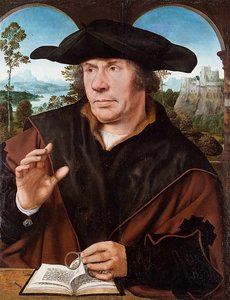
quinten matsijs
1466 - 1530 , Belgium
Osnovne informacije
- Artistic Movement Or Style: Early Renaissance
- Artists Or Movements Influenced By This Artist: ['Michelangelo']
- Artists Who Influenced This Artist:
- Lorenzo Ghiberti
- Filippo Brunelleschi
- Date Of Birth: c. 1386
- Date Of Death: 1466
- Full Name: Donato di Niccolò di Betto Bardi
- Nationality: Italian
- Notable Artworks:
- Saint George
- David (bronze)
- Equestrian Monument Gattamelata
- Place Of Birth: Florence, Italy
Povezani članci

The Enduring Legacy of Oil on Canvas: Technique, History & Aesthetic Impact
Explore the rich history & techniques of oil painting – from Renaissance masters to Impressionism. Discover pigments, layering methods, and why this timeless medium endures. Expert insights for artists & art enthusiasts.

Oil on Canvas: A Historical & Technical Exploration of a Timeless Artistic Medium
Explore the rich history & enduring techniques of oil painting on canvas. Discover the science behind its longevity, conservation practices, and contemporary relevance. Expert insights for art enthusiasts.

The Enduring Power of Painting: A Historical & Contemporary Exploration of Form and Emotion
Explore the rich history & enduring techniques of oil painting with ArtsDot. Discover masterpieces, learn about art collecting, and find authentic handmade reproductions crafted by skilled artists.

Trajnu Ostavština Uljanih Boja na Platnu: Tehnika, Istorija i Savremena Praksa
Istražite bogatu istoriju i savremene tehnike uljanog slikarstva. Saveti stručnjaka, analiza radova velikih majstora i vodiči za biranje kvalitetnih materijala. Otkrijte tajne očuvanja umetničkih dela!
The Enduring Legacy of Oil Paint: Technique, History & Emotional Resonance in Western Art
Explore the rich history & techniques of oil painting! Discover Renaissance masters, scientific principles behind color, and emotional resonance in art. Learn about glazing, layering, and atmospheric perspective – a guide for enthusiasts & collectors.

