


 Pregledaj u prostoru
 Pošalji
 Podeli
 Detalji o delu

 Преузми
 Slični predmeti
 Rendgenski snimak
 Slajdovi
The Lion Hunt
 142.0 x 88.0 cm
 The Art Museum RIGA BOURSE
 Pročitaj više
Ručno rađena uljana reprodukcija
Ručno oslikano uljanim bojama na platnu u dimenzijama i okviru po vašem izboru, izrađeno po porudžbini od strane naših umetnika. ( Kupi print Kupi digitalnu sliku)




































Izaberite jednu od naših unapred definisanih veličina koje odgovaraju originalnim proporcijama umetničkog dela.

Можете унети сопствене димензије како бисте прилагодили дело одређеном оквиру или простору. Ако одабрана величина не одговара пропорцијама оригинала, слика ће бити исечена или проширена додатним елементима који се ручно насликавају. Дигитални prikaz ће вам бити послат на одобрење пре почетка производње.
Имајте на уму да преглед на екрану не одражава стварно исецање или проширење. Само приказ (mockup) ће тачно приказати коначну композицију.
Иако су доступне прилагођене величине, препоручујемо да одаберете димензију из дефинисане листе како бисте сачували оригиналне пропорције.
Nakon narudžbine, tim ArtsDot.com će klijentu putem e-pošte poslati uputstva i dostaviti prikaz predloženog rešenja
Isporuka širom sveta () za 3/4 nedelje umesto uobičajenih 5 nedelja. (28 август). Bez kompromisa po pitanju kvaliteta.

Besplatna ekspresna dostava širom sveta

Visokokvalitetno laneno platno

Kompletno osiguranje transporta

Garancija povraćaja carine i uvoznih dažbina

Garancija vernosti boja

Politika povrata u roku od 60 dana (samo u slučaju nedostataka)

Garancija povrata novca od 100%

Popust pri grupnoj kupovini
 Opcija sa staklom dostupna je samo za dimenzije manje od 110 cm

The Lion Hunt
Tehnika reprodukcije
Dimenzije reprodukcije
-


Konačna cena
$ 263
Srodna umetnička dela










Biografija umetnika
The Dawn of Indonesian Modernism: The Life of Raden Saleh
In the grand tapestry of nineteenth-century art, few figures possess a narrative as evocative and culturally transformative as Raden Saleh Syarif Bustaman. Born around 1811 into a noble Hadhrami family on the island of Java, Saleh emerged not merely as a painter, but as a bridge between two worlds. His life was a profound journey of movement—from the lush, tropical landscapes of the Dutch East Indies to the sophisticated, intellectual salons of Europe. As the first recognized "modern" artist from Indonesia, he navigated the complexities of colonial identity with unparalleled grace, weaving together the dramatic intensity of European Romanticism with the deep-seated cultural rhythms of his Javanese heritage.
Saleh’s artistic odyssey began in Bogor, under the watchful and encouraging eye of the Belgian painter A.J. Payen. It was Payen who recognized a rare, burgeoning genius within the young student, eventually persuading the colonial authorities to facilitate Saleh's journey to the Netherlands. This transition from the East to the West marked the beginning of a transformative period of academic rigor. Immersed in the heart of European art education, Saleh studied under masters such as Cornelis Kruseman and Andreas Schelfhout. From Kruseman, he mastered the delicate nuances of portraiture, a skill that would later allow him to capture the dignity of both nobility and commoner alike. From Schelfhout, he learned the art of the landscape, absorbing the techniques required to render light, atmosphere, and depth with breathtaking precision.
A Symphony of Romanticism and Identity
As Saleh traversed the great cultural capitals of Europe—including Amsterdam, Paris, and even Alexandria—his work began to pulse with the energy of the Romantic movement. This era, characterized by an emphasis on emotion, individualism, and the sublime power of nature, found a perfect vessel in his brushwork. His canvases often depicted scenes of intense drama: wild animal encounters, turbulent storms, and the raw struggle for survival. Yet, beneath the surface-level spectacle of hunting scenes or battling beasts, there lay a sophisticated layer of symbolism. He utilized the European aesthetic to express a burgeoning sense of Indonesian identity, subtly asserting the strength and complexity of his homeland within the very language of the colonizer.
His achievements during this period were nothing short of extraordinary. Saleh became a figure of international distinction, earning the patronage of prestigious figures such as Ernest I, Duke of Saxe-Coburg and Gotha. His presence in European high society was so significant that he became the first indigenous Indonesian to be initiated into the Freemasonry in 1836, a testament to his intellectual standing and social integration. Whether painting a regal portrait or a sweeping vista of an erupting volcano, Saleh’s work possessed a unique dualism: it was technically indistinguishable from the finest European masters of his day, yet it breathed with a spirit that was unmistakably Javanese.
Legacy of a Visionary
The historical significance of Raden Saleh cannot be overstated. He did not simply adopt a foreign style; he reclaimed it, repurposing the tools of Western art to tell stories of his own people and landscape. His ability to synthesize the dramatic tension of Romanticism with the cultural nuances of the Dutch East Indies laid the groundwork for all Indonesian modern art that followed. Even as he moved through the elite circles of Europe, his heart remained tethered to the soil of Java, a connection visible in the light and life he breathed into every subject.
Today, we remember Raden Saleh not just as a master craftsman, but as a pioneer of cultural synthesis. His legacy is found in:
- The Birth of Modernity: Establishing the first formal bridge between Southeast Asian themes and Western academic techniques.
- Artistic Versatility: Mastering diverse genres ranging from intimate portraiture to epic, large-scale historical and animalier paintings.
- Cultural Diplomacy: Using his international fame to bring global attention to the beauty and complexity of the Indonesian archipelago during a period of colonial transition.
Through his brush, the wild landscapes of Java and the intense emotions of the human spirit were immortalized, ensuring that the name Raden Saleh remains etched forever in the annals of global art history.
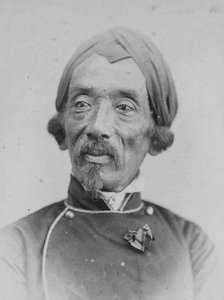
raden saleh sjarif boestaman
1811 - 1880 , Indonesia
Osnovne informacije
- Artistic Movement Or Style: Romanticism
- Artists Or Movements Influenced By This Artist: ['European Romantic Tradition']
- Artists Who Influenced This Artist: ['A.J. Payen']
- Date Of Birth: 1811
- Date Of Death: 1880
- Full Name: Raden Saleh Syarif Bustaman
- Nationality: Arab-Javanese
- Notable Artworks:
- Wounded Lion
- The Lion Hunt
- Place Of Birth: Tembong, Indonesia

