

 Pregledaj u prostoru
 Pošalji
 Podeli
 Detalji o delu

 Преузми
 Slični predmeti
 Rendgenski snimak
 Slajdovi
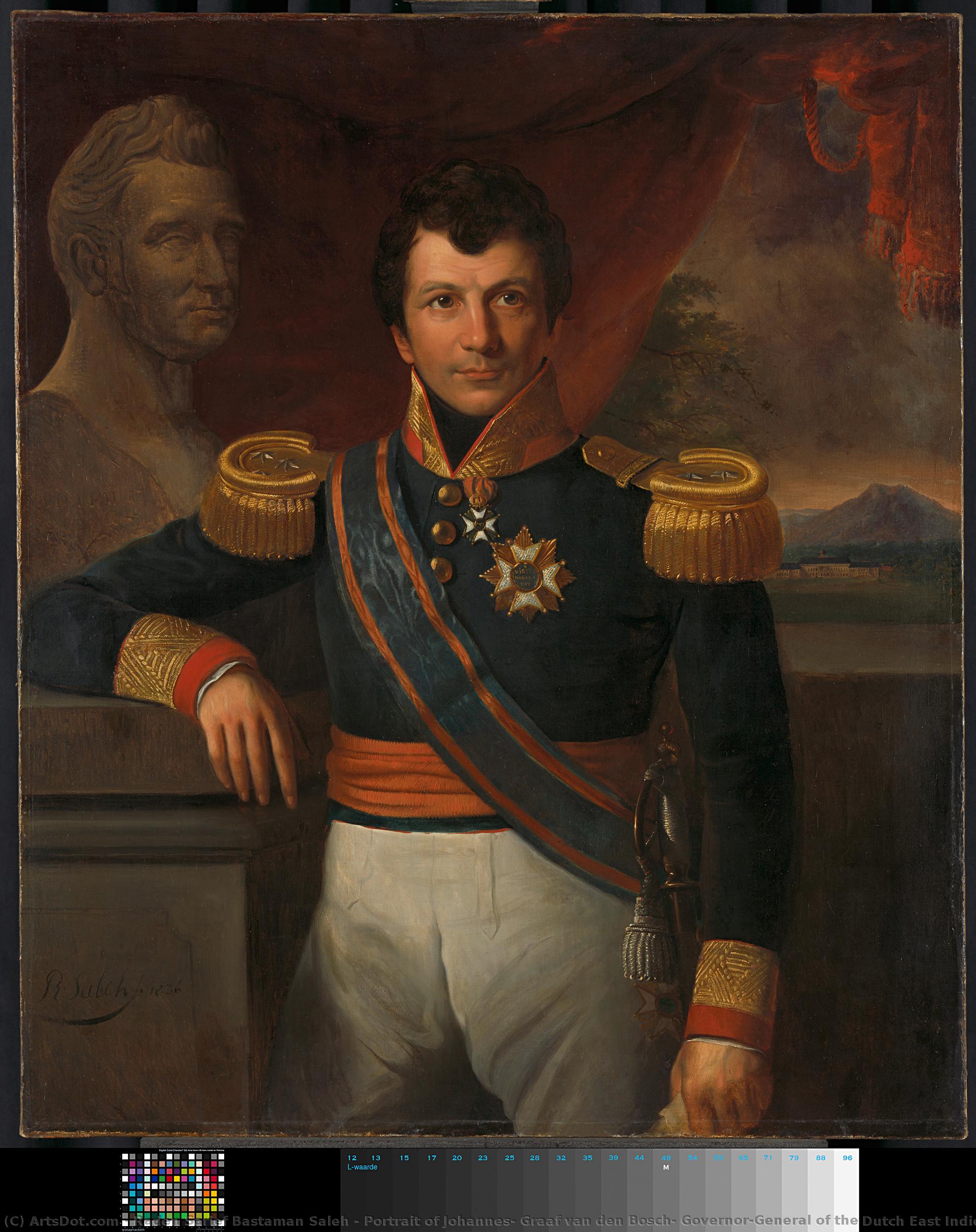
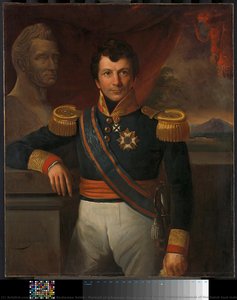
Portrait of Johannes, Graaf van den Bosch, Governor-General of the Dutch East Indies, Raden Sarief Bastaman Saleh, 1836
 1836
1836 115.0 x 97.0 cm
 Pročitaj više
Kupite digitalnu sliku visoke rezolucije i poboljšanog kvaliteta, koja je znatno superiornija od onoga što vidite u online prikazu.
Svaka datoteka je pedantno pripremljena od strane naših stručnjaka koristeći napredne alate i profesionalnu ručnu retušu. Osiguravamo da svaka slika ima izuzetnu oštrinu, preciznu reprodukciju boja i fine detalje.
Konačna datoteka se dostavlja putem e-pošte u roku od 72 sata, optimizovana za neposrednu upotrebu u profesionalnim, izdavačkim i štamparskim okruženjima. To je isti kvalitet kojem veruju vrhunski studiji dizajna, izdavači i galerije.
Digitalna slika
Preuzmite datoteku visoke rezolucije za ličnu upotrebu, štampanje i kreativne projekte. ( Kupi print Kupi ručno naslikanu sliku)
Uključeno uz svaku porudžbinu digitalne slike
Profesionalna digitalna isporuka, zagarantovana
Kada odaberete ArtsDot.com, ne dobijate samo sliku – vi primate profesionalno unapređeno digitalno umetničko delo, izrađeno sa najvećom preciznošću i uz garanciju zadovoljstva. Evo svega što automatski dolazi uz vašu porudžbinu:

Brza dostava putem e-pošte
Vaša digitalna slika visoke rezolucije biće vam poslata putem e-pošte u roku od 72 sata od poručivanja – spremna za trenutnu upotrebu.

Digitalna datoteka unapređena veštačkom inteligencijom
Vaše umetničko delo je profesionalno optimizovano korišćenjem naprednih AI alata i ručne obrade, čime se osiguravaju maksimalni detalji, oštrina i preciznost boja.

Besplatna ponovna isporuka doživotno
Slučajno ste obrisali ili izgubili svoju datoteku? Ne brinite – poslaćemo vam je ponovo u bilo kom trenutku, potpuno besplatno.

Bez troškova uvoza – zauvek
Uživajte u svojim umetničkim delima trenutno, bez carine, dažbina ili troškova dostave – digitalni download je uvek bez poreza.

Garancija vernosti boja
Uz pomoć profesionalnih alata i upravljanja bojama, osiguravamo da vaša digitalna slika što vernije odražava originalne boje.

Garancija zadovoljstva u roku od 60 dana
Ako niste zadovoljni svojom digitalnom slikom, revidirat ćemo je ili vratiti 100% novca u roku od 60 dana – bez ikakvih pitanja.

100% garancija povrata novca
Niste zadovoljni? Obezbedite pun povrat novca u roku od 60 dana od trenutka kada ste primili svoju digitalnu datoteku – bez suvišnih pitanja.

Popusti na velike porudžbine
Kupite 3 slike, uštedite 10% - Kupite 5 slika, uštedite 15% - Kupite 10+ slika, uštedite 20%. Odlično za kreativne projekte, galerije i agencije.
Srodna umetnička dela







Biografija umetnika
Early Life and Noble Origins
Raden Saleh Syarif Bustaman, born circa 1811 in Semarang, Java, was a figure who transcended the boundaries of geography and artistic convention to become Indonesia’s first internationally recognized painter. His full name, Sarief Bastaman Saleh, reveals a lineage steeped in privilege; “Raden” denoted his aristocratic descent from Javanese royalty—a status that afforded him opportunities unavailable to most. His father held a prominent position as governor of Semarang, a bustling port city and regional center, providing young Saleh with an upbringing immersed in the cultural and political currents of colonial Java. This early exposure to both Javanese tradition and Dutch administration would profoundly shape his artistic trajectory.
Saleh’s initial artistic training began at the remarkably young age of eight under Antoine Payen, a Belgian painter commissioned by King William I of the Netherlands to document the Indonesian landscape. Payen recognized Saleh's exceptional talent and nurtured his budding skills, laying the foundation for a formal education that would soon take him far beyond the shores of his homeland. This period instilled in Saleh not only technical proficiency but also an appreciation for depicting the natural world—a theme that would recur throughout his career.
A European Education and Artistic Development
In 1830, at the age of nineteen, Saleh embarked on a transformative journey to The Hague, Netherlands. He continued his studies under Andreas Schelfhout, widely considered one of the most influential Dutch landscape painters of the nineteenth century. Schelfhout’s meticulous realism and atmospheric perspective deeply impacted Saleh's technique, refining his ability to capture light, shadow, and texture with breathtaking accuracy. Simultaneously, he received portraiture training from Cornelis Kruseman, broadening his repertoire and honing his skills in representing human form and character.
Saleh’s artistic development wasn’t confined to the Netherlands. He embarked on an extensive tour of Europe—Germany, Austria, Italy—visiting various courts where he secured commissions for portraits of European nobility. For five years, he served as a court painter for Duke Ernst I of Saxe-Coburg-Gotha in Coburg, gaining invaluable experience and establishing his reputation among the elite circles of European society. This period exposed him to diverse artistic styles and further solidified his mastery of Western painting techniques. A subsequent journey with the celebrated French painter Horace Vernet, known for his historical and oriental scenes, broadened Saleh’s horizons even further.
Blending East and West: A Unique Artistic Vision
Saleh's work is characterized by a remarkable synthesis of European Romanticism and Javanese aesthetics. While proficient in the Western academic style—evident in his precise draftsmanship, realistic depictions, and dramatic use of chiaroscuro—he infused his paintings with distinctly Indonesian themes, motifs, and sensibilities. His most iconic works often depict scenes from Javanese life, mythology, and history, rendered with a level of detail and emotional depth previously unseen in Indonesian art.
The Arrest of Prince Diponegoro (1857), perhaps his most famous painting, is a powerful example of this fusion. It portrays the capture of the Javanese national hero by Dutch forces, but Saleh’s interpretation transcends mere historical documentation. The composition, imbued with Romantic drama and symbolism, evokes a sense of loss, resistance, and cultural identity. Similarly, his animal paintings—particularly those featuring lions, tigers, and deer—are celebrated for their dynamic energy, anatomical accuracy, and evocative portrayal of the wild Indonesian landscape.
Return to Java and Legacy
In 1850, Saleh returned to Java, assuming the prestigious position of conservator for the colonial collection of government art. This role allowed him to influence artistic standards and promote Javanese culture within the Dutch administration. However, he continued to paint prolifically, creating portraits for the Javanese aristocracy and capturing the beauty of his homeland in a series of stunning landscapes.
Saleh’s impact on Indonesian art is immeasurable. He is widely regarded as the country's first “modern” artist—a pioneer who successfully bridged the gap between Eastern tradition and Western technique. His paintings not only showcased the artistic potential of Indonesia but also served as a powerful expression of Javanese identity during a period of colonial rule. His legacy continues to inspire generations of Indonesian artists, solidifying his place as a national icon and a pivotal figure in the history of Southeast Asian art.
Major Achievements and Historical Significance
- Pioneered a unique blend of European Romanticism and Javanese aesthetics.
- Became Indonesia’s first internationally recognized painter, gaining acclaim in Europe and beyond.
- Created iconic works such as The Arrest of Prince Diponegoro, which served as a powerful symbol of Indonesian resistance and cultural identity.
- Held the prestigious position of conservator for the colonial collection of government art, influencing artistic standards in Java.
- Inspired generations of Indonesian artists and solidified his place as a national icon.
Kratke činjenice
- Artistic Movement Or Style: Romanticism
- Artists Who Influenced This Artist:
- Antoine Payen
- Andreas Schelfhout
- Cornelis Kruseman
- Date Of Birth: c. 1811
- Date Of Death: 23 April 1880
- Full Name: Raden Sarief Bastaman Saleh
- Nationality: Indonesian
- Notable Artworks:
- Portrait of the Baud Family
- Arrest of Pangeran Diponegoro
- View of Erupting Mount Merapi

