

 Pregledaj u prostoru
 Pošalji
 Podeli
 Detalji o delu

 Преузми
 Slični predmeti
 Rendgenski snimak
 Slajdovi
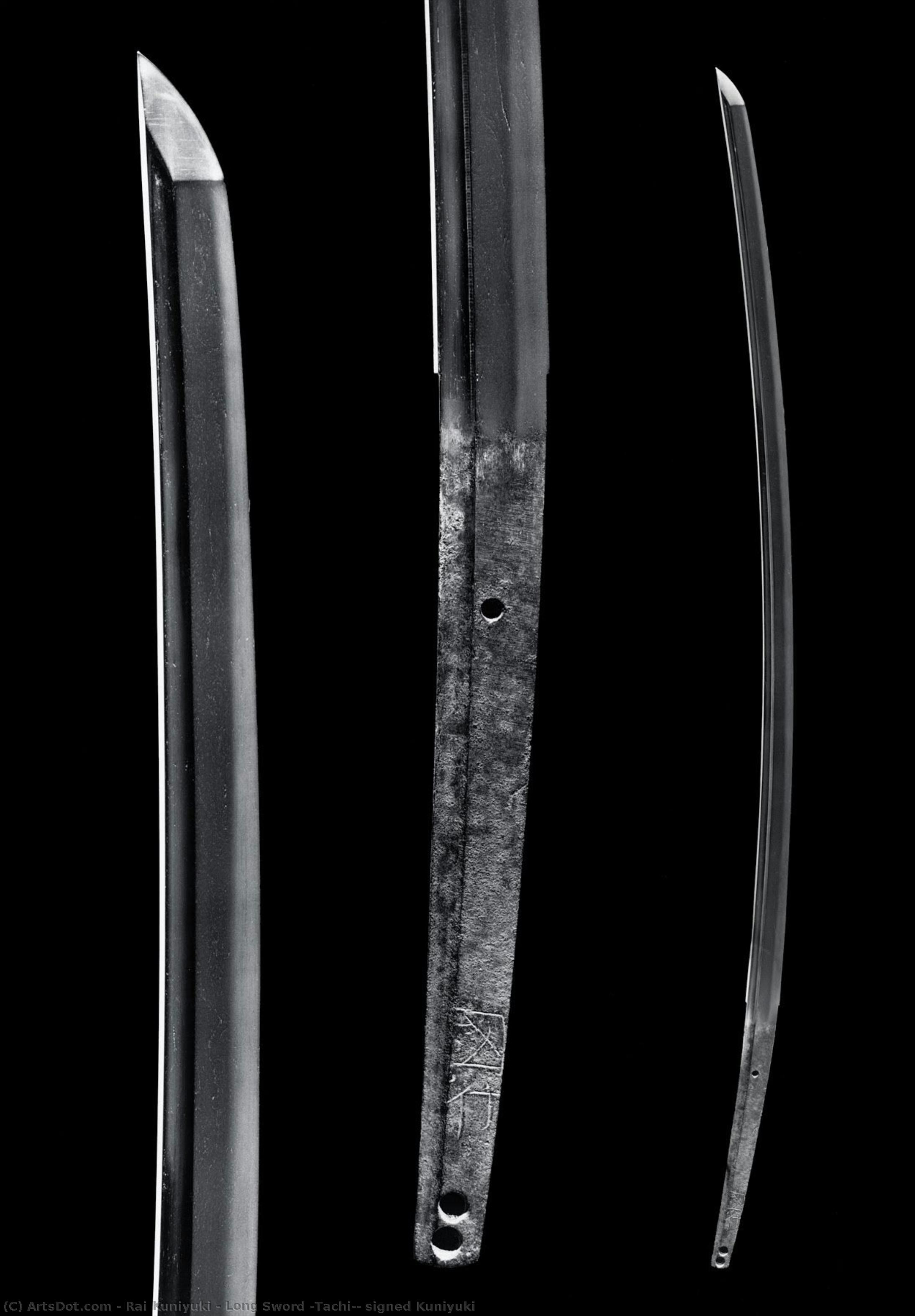
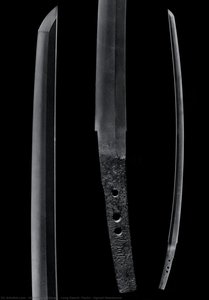
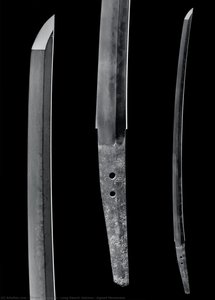
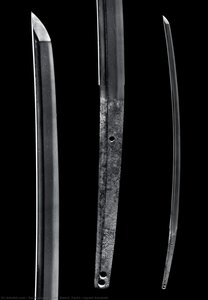
Long Sword (Tachi), signed Kuniyuki

 Pročitaj više
Giclee štampa / Umetnički otisak
Giclée štampa ili print na platnu muzejskog kvaliteta uz brzu proizvodnju i fleksibilne opcije završne obrade. ( Kupi ručno naslikanu sliku Kupi digitalnu sliku)




































Izaberite jednu od naših unapred definisanih veličina koje odgovaraju originalnim proporcijama umetničkog dela.

Možete uneti sopstvene dimenzije kako biste umetničko delo prilagodili specifičnom okviru ili prostoru. Ako odabrani format ne odgovara proporcijama originalne slike, mi ćemo ili iscrtati deo dela ili proširiti sliku pomoću ogledane ivice ili jednobojnog popunjavanja. Digitalni prikaz će vam biti poslat na odobrenje pre početka proizvodnje.
Imajte na umu da pregled na ekranu ne odražava stvarno iscrtavanje ili proširivanje. Samo će prikaz (mockup) precizno pokazati finalnu kompoziciju.
Iako su prilagođene dimenzije dostupne, preporučujemo da odaberete dimenziju sa unapred definisane liste kako biste očuvali originalne proporcije.
Dostava širom sveta () za 2 nedelje umesto uobičajenih 4/5 nedelja. (7 септембар)

Besplatna ekspresna dostava širom sveta

Visokokvalitetno laneno platno

Kompletno osiguranje transporta

Garancija povraćaja carine i uvoznih dažbina

Garancija vernosti boja

Politika povraćaja u roku od 100 dana (isključivo u slučaju nedostataka)

Garancija povrata novca od 100%

Popust pri grupnoj kupovini
 Opcija sa staklom dostupna je samo za dimenzije manje od 110 cm

Long Sword (Tachi), signed Kuniyuki
Giclee štampa / Umetnički otisak
Dimenzije reprodukcije
-


Konačna cena
$ 62
Srodna umetnička dela





Biografija umetnika
A Legacy Forged in Steel: The Enduring Influence of Rai Kuniyuki
Rai Kuniyuki (1219-1298) stands as a monumental figure within the annals of Japanese swordsmithing, embodying the zenith of the Bizen tradition—a style characterized by its exceptional purity of steel and meticulous craftsmanship. Born in Kyoto during the Kamakura period, Kuniyuki’s life coincided with a pivotal moment in Japanese history: the decline of centralized imperial rule and the rise of warrior clans vying for dominance. This turbulent environment, defined by the shifting tides of power among the samurai, undoubtedly instilled within him a profound appreciation for discipline, precision, and an unwavering dedication to mastering his craft.
While much of the intimate detail regarding his formative years remains shrouded in the mists of time, it is widely believed that Kuniyuki began his apprenticeship at a young age under the tutelage of renowned masters. Through this rigorous training, he absorbed techniques passed down through generations, eventually establishing the legendary Rai school. This lineage was not merely a family business but a dynasty dedicated to upholding the highest standards of blade production, forever altering the trajectory of Japanese metallurgy.
The Philosophy of Purity and Zen
The ethos of the Rai school centered on the pursuit of Tamahagane—the painstakingly refined hammered iron. This process required the smith to transform raw ore into exceptionally pure steel through a method that prioritized simplicity and a deep reverence for the material itself. Such a philosophy reflected the Zen Buddhist principles that permeated Japanese culture during the Kamakura period, where beauty was found in the essence of things rather than in superficial decoration.
Kuniyuki championed this approach, believing that a spiritual connection to the metal fostered an intuitive understanding of its inherent qualities. His work was never about mere ornamentation; instead, he sought to reveal the soul of the steel. This commitment to purity meant that every strike of the hammer was a meditative act, a step toward achieving a blade that was as much a spiritual object as it was a functional weapon.
Artistry in the Blade: The Bizen Aesthetic
Kuniyuki's contribution to swordsmithing extended far beyond technical mastery; he fundamentally shaped its artistic vision. In an era where some contemporary smiths focused on embellishment, Kuniyuki adhered strictly to the aesthetic guidelines of the Bizen tradition, favoring an understated beauty that commanded respect through its subtle brilliance. His blades were celebrated for several key characteristics:
- Honed Surfaces: The surfaces of his blades were polished to a degree that allowed them to reflect light with a soft, ethereal glow.
- Resonant Grain Patterns: He mastered the creation of deep, complex grain patterns, often referred to as hada, which spoke volumes about the intense forging process.
- Structural Integrity: Beyond aesthetics, his blades possessed a legendary strength and sharpness, essential for the warrior class of his time.
The historical significance of Rai Kuniyuki cannot be overstated. By blending the rugged necessity of warfare with the refined sensibilities of Japanese art, he elevated the sword from a tool of combat to a masterpiece of cultural expression. His legacy lives on in every blade that carries the spirit of the Rai school, reminding us that true greatness is forged through patience, purity, and an unbreakable bond with one's medium.
rai kuniyuki
1219 - 1298 , Japan
Osnovne informacije
- Artistic Movement Or Style: Bizen tradition
- Date Of Birth: 1219
- Full Name: Rai Kuniyuki
- Nationality: Japanese
- Notable Artworks:
- Long Sword (Tachi)
- Kuniyuki
- Place Of Birth: Kyoto, Japan