

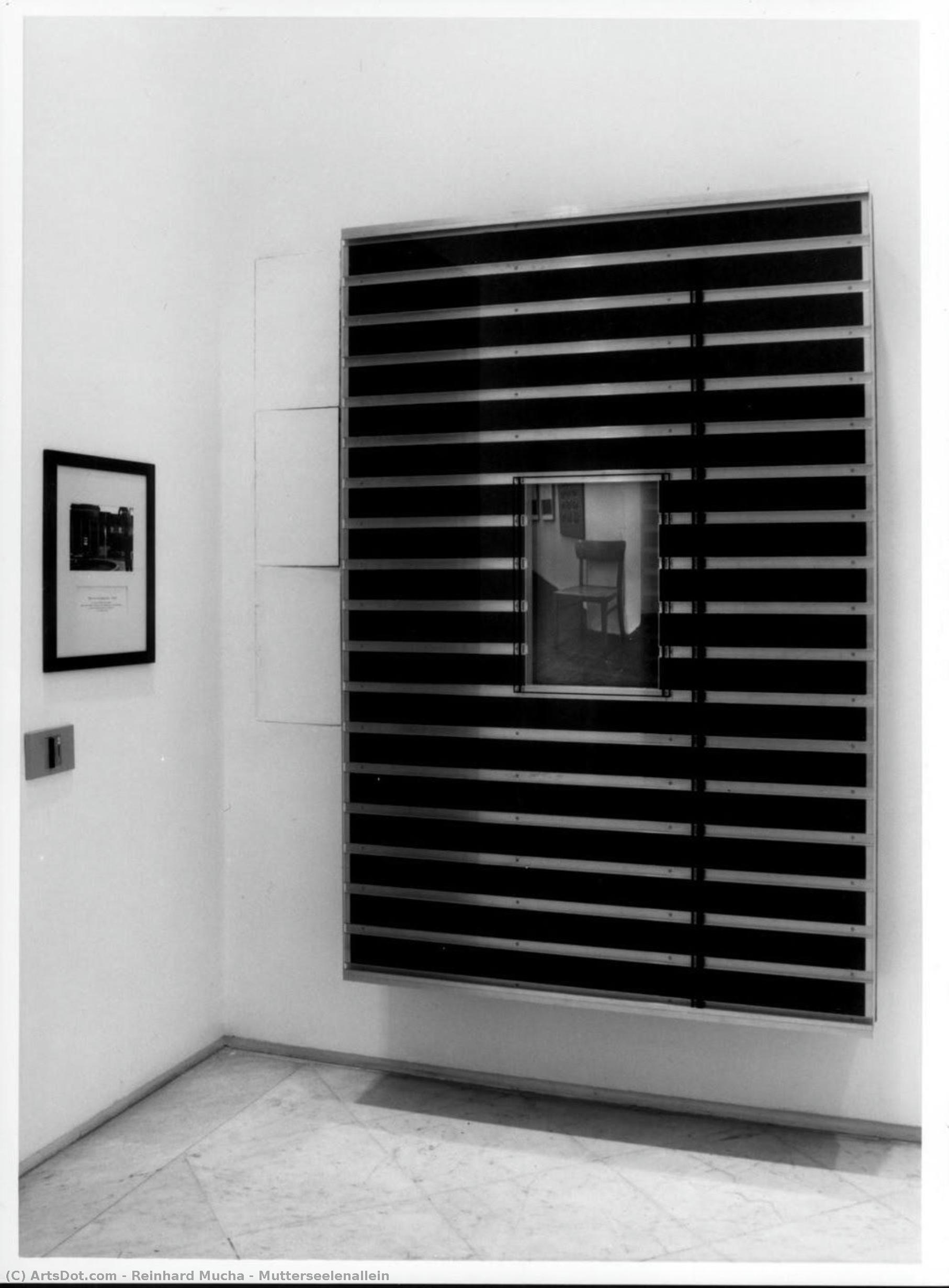
 Pregledaj u prostoru
 Pošalji
 Podeli
 Detalji o delu

 Преузми
 Slični predmeti
 Rendgenski snimak
 Slajdovi
 Stats
StatsMutterseelenallein

 Pročitaj više
Kupite digitalnu sliku visoke rezolucije i poboljšanog kvaliteta, koja je znatno superiornija od onoga što vidite u online prikazu.
Svaka datoteka je pedantno pripremljena od strane naših stručnjaka koristeći napredne alate i profesionalnu ručnu retušu. Osiguravamo da svaka slika ima izuzetnu oštrinu, preciznu reprodukciju boja i fine detalje.
Konačna datoteka se dostavlja putem e-pošte u roku od 72 sata, optimizovana za neposrednu upotrebu u profesionalnim, izdavačkim i štamparskim okruženjima. To je isti kvalitet kojem veruju vrhunski studiji dizajna, izdavači i galerije.
Digitalna slika
Preuzmite datoteku visoke rezolucije za ličnu upotrebu, štampanje i kreativne projekte. ( Switch to Print Kupi ručno naslikanu sliku)
Uključeno uz svaku porudžbinu digitalne slike
Profesionalna digitalna isporuka, zagarantovana
Kada odaberete ArtsDot.com, ne dobijate samo sliku – vi primate profesionalno unapređeno digitalno umetničko delo, izrađeno sa najvećom preciznošću i uz garanciju zadovoljstva. Evo svega što automatski dolazi uz vašu porudžbinu:

Brza dostava putem e-pošte
Vaša digitalna slika visoke rezolucije biće vam poslata putem e-pošte u roku od 72 sata od poručivanja – spremna za trenutnu upotrebu.

Digitalna datoteka unapređena veštačkom inteligencijom
Vaše umetničko delo je profesionalno optimizovano korišćenjem naprednih AI alata i ručne obrade, čime se osiguravaju maksimalni detalji, oštrina i preciznost boja.

Besplatna ponovna isporuka doživotno
Slučajno ste obrisali ili izgubili svoju datoteku? Ne brinite – poslaćemo vam je ponovo u bilo kom trenutku, potpuno besplatno.

Bez troškova uvoza – zauvek
Uživajte u svojim umetničkim delima trenutno, bez carine, dažbina ili troškova dostave – digitalni download je uvek bez poreza.

Garancija vernosti boja
Uz pomoć profesionalnih alata i upravljanja bojama, osiguravamo da vaša digitalna slika što vernije odražava originalne boje.

Garancija zadovoljstva od 100 dana
Ako niste zadovoljni svojom digitalnom slikom, izvršićemo reviziju ili ćemo vam vratiti 100% novca u roku od 100 dana – bez ikakvih pitanja.

100% garancija povrata novca
Niste zadovoljni? Dobijte puni povraćaj novca u roku od 100 dana od prijema digitalne datoteke – bez suvišnih pitanja.

Popusti na velike porudžbine
Kupite 3 slike, uštedite 10% - Kupite 5 slika, uštedite 15% - Kupite 10+ slika, uštedite 20%. Odlično za kreativne projekte, galerije i agencije.
Srodna umetnička dela





Biografija umetnika
The Echo of Industry: A Life in Sculpture
Reinhard Mucha, born in Düsseldorf, Germany, in 1950, is a pivotal figure within the constellation of artists often termed ‘Model Makers.’ This designation isn’t merely descriptive; it speaks to a core tenet of his practice – a theatrical staging of reality through maquettes, props, and found objects. Mucha's artistic journey began with a formal training in metalsmithing before fully embracing sculpture at the Kunstakademie Düsseldorf under Klaus Rinke from 1975 to 1982. This early grounding in material manipulation would prove foundational, informing his later deconstruction of industrial forms and their inherent narratives. The post-war landscape of Düsseldorf itself – a city rebuilt from ruin into an economic powerhouse – became the silent protagonist of Mucha’s work, its rapid transformation and underlying tensions deeply embedded within his artistic vision. He didn't simply witness this change; he dissected it, layer by layer, exposing the sediments of time and history accumulated within everyday objects.Deconstructing the Monument: Early Influences & Conceptual Springboards
Mucha’s work emerged from a specific intellectual climate – the aftermath of Minimalism. Where Minimalism sought purity and reduction, Mucha embraced complexity and accumulation. He saw in the ‘ground zero of sculpture after minimalism’ an opportunity to explore the conceptual weight of absence and presence, using found objects not as aesthetic elements but as carriers of memory and meaning. His formative years were marked by a critical engagement with institutional structures, particularly those surrounding art itself. This manifested early on in works like *Der kluge Knecht* (The Clever Servant), which playfully subverted the authority of academic credentials through a meticulously constructed display case containing his own diploma, notarized documents, and references to the Brothers Grimm fairy tale. The work isn’t simply about institutional critique; it's a self-reflexive examination of the artist’s position within that system, a Trojan Horse questioning the very foundations of artistic validation. This early exploration of authority and representation would become a recurring theme throughout his career.The Language of Objects: Technique & Recurring Motifs
Mucha's technique is characterized by a deliberate stripping away of an object’s original function, revealing its inherent history and the often-unacknowledged labor embedded within it. He doesn’t *create* objects so much as he *recontextualizes* them, assembling found materials – industrial components, photographs, exhibition posters – into complex installations that challenge conventional notions of sculpture. His approach is akin to an archaeological dig, unearthing layers of meaning from the detritus of modern life. Recurring motifs include references to German industry, particularly the railroad supply firm Düsseldorfer Eisenbahnbedarf AG, whose brochures frequently appear in his work, symbolizing both economic prosperity and the often-overlooked human cost of industrial production. The use of glass vitrines is also significant, acting as both protective barriers and isolating chambers, forcing viewers to confront the objects on their own terms. The Wirtschaftswunder, to the People of Pittsburgh, a series exploring Germany’s post-war economic miracle, exemplifies this approach, using discarded materials to question the narrative of unbridled success.Institutional Critique & Collective Memory: Major Achievements and Exhibitions
Mucha's work has been exhibited in major museums globally, including Castello di Rivoli in Turin and numerous institutions throughout Europe and North America. His participation in group exhibitions like ‘Kunst ’80’ solidified his position within the avant-garde art scene of the time. However, it is through his solo shows – notably a retrospective at the Kunstsammlung Nordrhein-Westfalen in Düsseldorf – that the full scope of his artistic vision has been revealed. These exhibitions demonstrate not only his technical mastery but also his ability to create immersive environments that challenge viewers to question their own perceptions of history and memory. Auto Reverse, a work involving images of children, exemplifies his exploration of personal and collective trauma, refusing to shy away from the complexities of postwar Germany. His exhibitions often feel less like displays of individual artworks and more like meticulously curated archives, inviting viewers to piece together fragments of a fragmented past.A Trick Mirror Reflecting German Identity
Reinhard Mucha’s enduring significance lies in his ability to hold up a “trick mirror” to German identity, exposing the contradictions and unspoken narratives that lie beneath the surface of national mythology. He doesn't offer easy answers or grand pronouncements; instead, he presents a fragmented, ambiguous vision of history, forcing viewers to confront their own complicity in its construction. His work is not simply about remembering the past; it’s about questioning how we remember it, and who controls that narrative. Through his meticulous deconstruction of objects and institutions, Mucha has created a body of work that is both intellectually rigorous and emotionally resonant, solidifying his position as one of the most important contemporary sculptors working today. He continues to live and work in Düsseldorf, relentlessly excavating the layers of history embedded within his native city and challenging us to confront the ghosts of the past.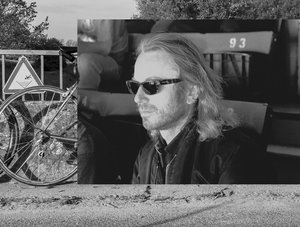
reinhard mucha
1950 - , Germany
Kratke činjenice
- Artistic Movement Or Style: Model Makers, Post-Minimalism
- Artists Who Influenced This Artist: ['Klaus Rinke']
- Date Of Birth: 1950
- Full Name: Reinhard Mucha
- Nationality: German
- Notable Artworks:
- Mutterseelenallein
- Das Deutschlandgerät
- Frankfurter Block
- Place Of Birth: Düsseldorf, Germany