

 Pregledaj u prostoru
 Pošalji
 Podeli
 Detalji o delu

 Преузми
 Slični predmeti
 Rendgenski snimak
 Slajdovi
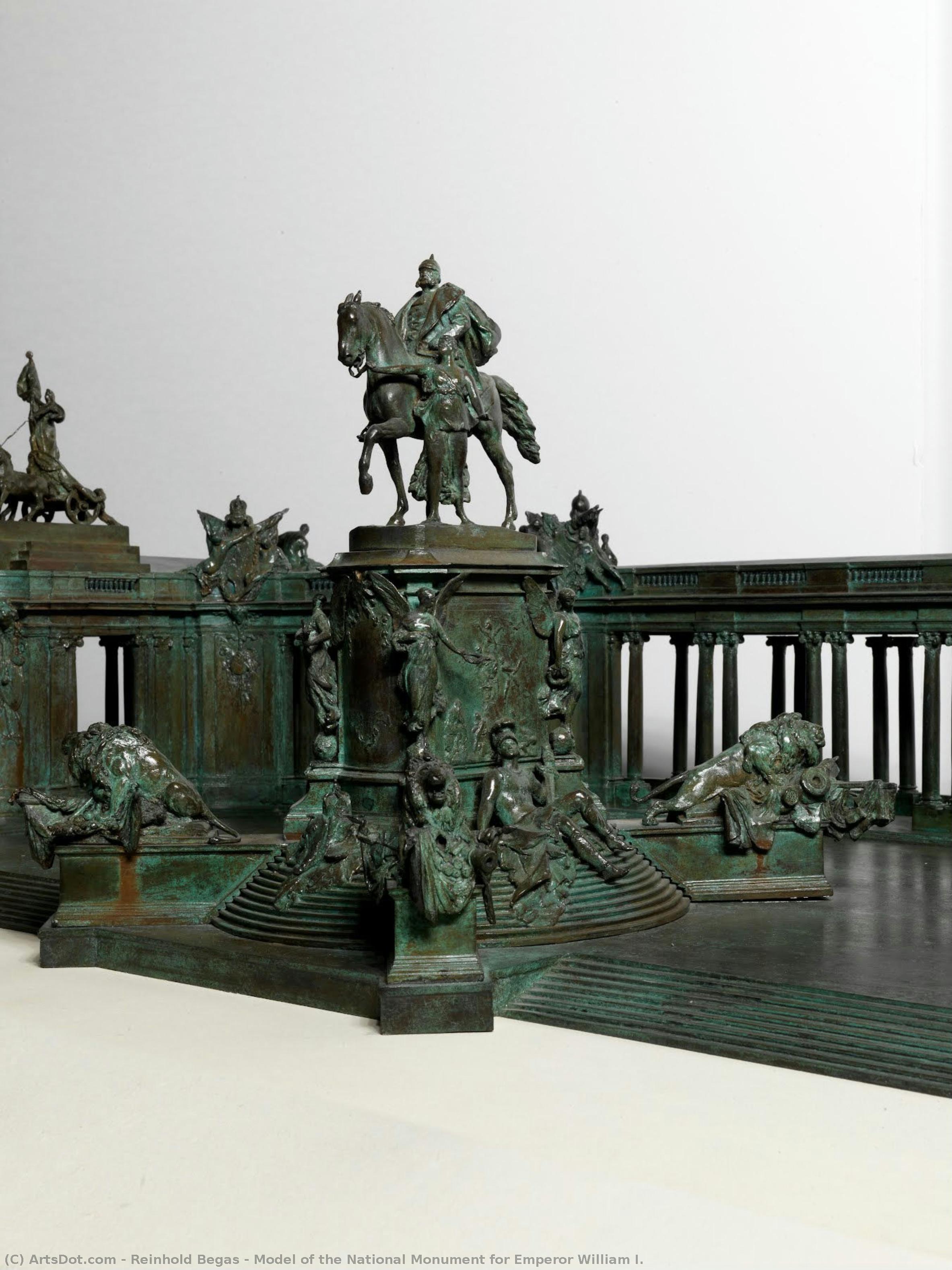
Model of the National Monument for Emperor William I.


 Pročitaj više
Ručno rađena uljana reprodukcija
Ručno oslikano uljanim bojama na platnu u dimenzijama i okviru po vašem izboru, izrađeno po porudžbini od strane naših umetnika. ( Kupi print Kupi digitalnu sliku)




































Izaberite jednu od naših unapred definisanih veličina koje odgovaraju originalnim proporcijama umetničkog dela.

Можете унети сопствене димензије како бисте прилагодили дело одређеном оквиру или простору. Ако одабрана величина не одговара пропорцијама оригинала, слика ће бити исечена или проширена додатним елементима који се ручно насликавају. Дигитални prikaz ће вам бити послат на одобрење пре почетка производње.
Имајте на уму да преглед на екрану не одражава стварно исецање или проширење. Само приказ (mockup) ће тачно приказати коначну композицију.
Иако су доступне прилагођене величине, препоручујемо да одаберете димензију из дефинисане листе како бисте сачували оригиналне пропорције.
Nakon narudžbine, tim ArtsDot.com će klijentu putem e-pošte poslati uputstva i dostaviti prikaz predloženog rešenja
Isporuka širom sveta () za 3/4 nedelje umesto uobičajenih 5 nedelja. (29 август). Bez kompromisa po pitanju kvaliteta.

Besplatna ekspresna dostava širom sveta

Visokokvalitetno laneno platno

Kompletno osiguranje transporta

Garancija povraćaja carine i uvoznih dažbina

Garancija vernosti boja

Politika povrata u roku od 60 dana (samo u slučaju nedostataka)

Garancija povrata novca od 100%

Popust pri grupnoj kupovini
 Opcija sa staklom dostupna je samo za dimenzije manje od 110 cm

Model of the National Monument for Emperor William I.
Tehnika reprodukcije
Dimenzije reprodukcije
-


Konačna cena
$ 388
Srodna umetnička dela



Biografija umetnika
The Sculptor of Prussian Grandeur
Reinhold Begas (1831-1911) stands as a titan of the late 19th-century sculptural landscape, an artist whose hands breathed life into the very essence of Prussian identity. Born in Berlin to a family where art was woven into the fabric of daily existence—his father, Carl Joseph Begas, being a painter himself—he was destined for a life of creative devotion. His early years were defined by rigorous discipline under the masters Christian Daniel Rauch and Ludwig Wilhelm Wichmann, training that instilled in him a profound command over form and anatomy. Yet, it was not merely technical prowess that would define him, but an ability to capture the monumental spirit of an era transitioning from Neoclassical restraint to the dramatic, swirling energy of the Neo-Baroque.
The trajectory of Begas’s genius was irrevocably altered by his transformative pilgrimage to Italy in 1856. Wandering through the sun-drenched streets of Florence and the ancient, storied landscapes of Rome, he encountered the works of Arnold Böcklin and Franz von Lenbach. This exposure to a more naturalistic and emotive aesthetic provided the catalyst for his stylistic evolution. He began to move away from the rigid, static traditions of his predecessors, seeking instead to infuse his bronze and marble with a palpable sense of movement, breath, and psychological depth. His work became a bridge between the classical ideals of antiquity and the burgeoning realism of the modern age.
A Legacy in Bronze and Stone
The ascent of Begas into the upper echelons of European art was marked by a series of ambitious commissions that reshaped the skyline of Berlin. His early triumph, Borussia, commissioned for the façade of Berlin’s Exchange building, served as a thunderous introduction to the public, showcasing his ability to marry monumental scale with intricate, lifelike detail. As his reputation grew, so did the complexity of his narratives. He became the preeminent sculptor of the German Empire, tasked with translating the political and cultural triumphs of the Hohenzollern dynasty into enduring physical monuments.
His mastery is perhaps most evident in the following milestones of his career:
- The Schiller Memorial: A profound tribute to the poet that captures the Romantic spirit through emotive composition.
- The Kaiser Wilhelm National Monument: An epic undertaking that epitomizes the Neo-Baroque style, utilizing grand scale and dramatic movement to celebrate imperial power.
- Pan Comforting Psyche: A delicate masterpiece that demonstrates his ability to pivot from the monumental to the intimate, exploring themes of myth and human vulnerability.
- The Bismarck Statue: A powerful representation of political authority, rendered with a naturalism that commands respect and reverence.
Beyond the mere depiction of historical figures, Begas’s significance lies in his ability to capture the zeitgeist of his time. His sculptures do not merely sit in public squares; they interact with the atmosphere, casting shadows that evoke the drama of a bygone era. Through his meticulous attention to texture—the ripple of muscle, the heavy fold of drapery, the weathered surface of stone—he achieved a level of naturalism that made the allegorical feel tangible. Even today, his works remain essential touchstones for understanding the artistic soul of 19th-century Germany, serving as permanent sentinels of a period defined by imperial ambition and artistic splendor.
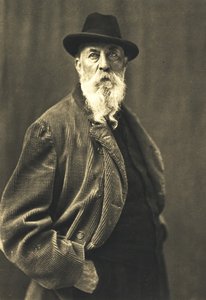
Reinhold Begas
1831 - 1911 , Germany
Osnovne informacije
- Artistic Movement Or Style: Neo-Baroque
- Artists Or Movements Influenced By This Artist: ['German sculpture']
- Artists Who Influenced This Artist:
- Arnold Böcklin
- Franz von Lenbach
- Date Of Birth: July 15, 1831
- Date Of Death: 1911
- Full Name: Reinhold Begas
- Nationality: German
- Notable Artworks:
- Pan comforting Psyche
- Model of the National Monument for Emperor William I.
- Schiller Memorial
- Place Of Birth: Berlin, Germany

