

 Pregledaj u prostoru
 Pošalji
 Podeli
 Detalji o delu

 Преузми
 Slični predmeti
 Rendgenski snimak
 Slajdovi
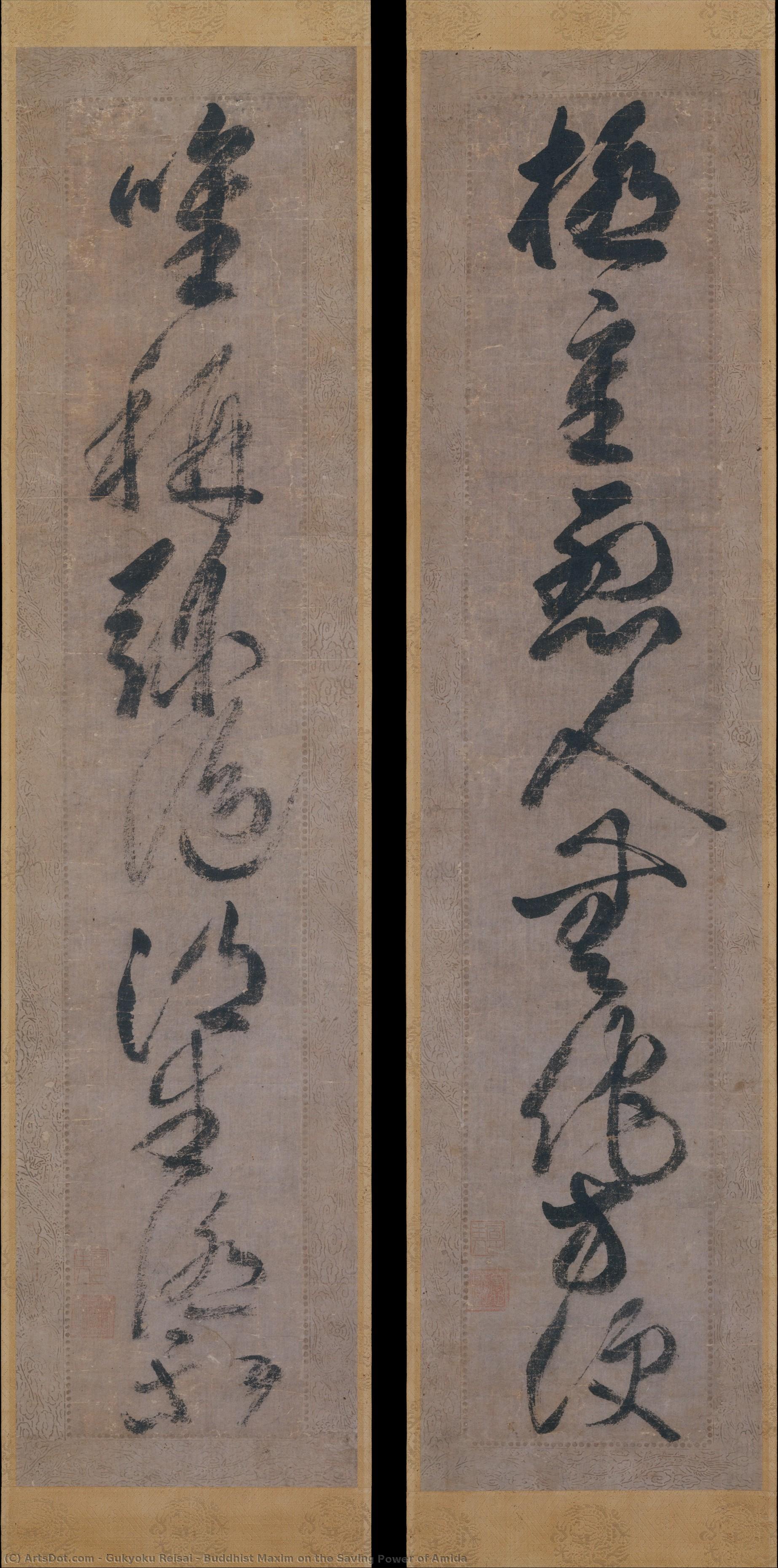
Buddhist Maxim on the Saving Power of Amida
 401
401 93.0cm x 22.0cm
 Pročitaj više
Ručno rađena uljana reprodukcija
Ručno oslikano uljanim bojama na platnu u dimenzijama i okviru po vašem izboru, izrađeno po porudžbini od strane naših umetnika. ( Kupi print Kupi digitalnu sliku)




































Izaberite jednu od naših unapred definisanih veličina koje odgovaraju originalnim proporcijama umetničkog dela.

Можете унети сопствене димензије како бисте прилагодили дело одређеном оквиру или простору. Ако одабрана величина не одговара пропорцијама оригинала, слика ће бити исечена или проширена додатним елементима који се ручно насликавају. Дигитални prikaz ће вам бити послат на одобрење пре почетка производње.
Имајте на уму да преглед на екрану не одражава стварно исецање или проширење. Само приказ (mockup) ће тачно приказати коначну композицију.
Иако су доступне прилагођене величине, препоручујемо да одаберете димензију из дефинисане листе како бисте сачували оригиналне пропорције.
Nakon narudžbine, tim ArtsDot.com će klijentu putem e-pošte poslati uputstva i dostaviti prikaz predloženog rešenja
Isporuka širom sveta () za 3/4 nedelje umesto uobičajenih 5 nedelja. (25 август). Bez kompromisa po pitanju kvaliteta.

Besplatna ekspresna dostava širom sveta

Visokokvalitetno laneno platno

Kompletno osiguranje transporta

Garancija povraćaja carine i uvoznih dažbina

Garancija vernosti boja

Politika povrata u roku od 60 dana (samo u slučaju nedostataka)

Garancija povrata novca od 100%

Popust pri grupnoj kupovini
 Opcija sa staklom dostupna je samo za dimenzije manje od 110 cm

Buddhist Maxim on the Saving Power of Amida
Tehnika reprodukcije
Dimenzije reprodukcije
-


Konačna cena
$ 263
Opis umetničkog dela
Srodna umetnička dela










Biografija umetnika
The Silent Brush of Zen: The Life and Legacy of Reisai Gukyoku
In the quiet corridors of Japan’s Muromachi period, where the spiritual and the aesthetic were inextricably linked, the figure of Reisai Gukyostu emerges as a profound voice of meditative stillness. A Japanese Buddhist monk-painter active during the late 14th and early 15th centuries, Gukyoku did not merely create art; he practiced a form of visual prayer. His life, though partially veiled by the mists of monastic anonymity, was deeply embedded in the most significant spiritual centers of his era. Born in the Yamashiro Province—the heart of modern-day Kyoto—he moved through the prestigious landscapes of Kencho-ji in Kamakura and Nanzen-ji in Kyoto, eventually rising to lead the venerable Tofuku-ji temple. This journey through the great Zen bastions provided him with more than just a religious education; it offered a profound immersion into the Rinzai Zen tradition, which would become the very soul of his brushwork.
The artistry of Gukyoku was an extension of his monastic discipline, characterized by a rejection of the superfluous in favor of the essential. As a skilled calligrapher and painter of Buddhist subjects, he mastered the art of conveying complex theological truths through remarkably restrained movements. His technique often utilized rapid, ink-driven brushstrokes to capture the divine essence of figures such as Tenjin and Monju. In these works, there is no room for ornamentation; instead, the viewer encounters a directness that mirrors the Zen pursuit of sudden enlightenment. His mastery extended to the creation of hengaku—horizontal wooden plaques—which were so highly regarded for their spiritual potency that they were sought after as talismans believed to ward off fire, embodying the belief that his very calligraphy held protective, sacred power.
A Tapestry of Ink and Spirit
To observe a work by Gukyoku is to witness a dialogue between the hand and the void. His contributions to the genres of scroll painting and calligraphy represent a pinnacle of Zen expression, where every stroke carries the weight of intention. He often engaged in deep intellectual and spiritual exchanges with his contemporaries, such as the priest Zuikei Shuho, discussing the nuances of Buddhist literature and the profound paradoxes found within koans. This scholarly depth is reflected in his more complex compositions, such as his celebrated folding screens featuring Chinese poetry. In these pieces, the calligraphy does not merely sit upon the surface; it breathes with the rhythm of the poem, using large, commanding characters to evoke the rigorous training and sudden awakenings described in the lives of Zen masters like Linji Yixuan.
The historical significance of Reisai Gukyoku lies in his ability to translate the intangible principles of shikantaza—the practice of "just sitting"—into a visual language. While other artists of the era might have pursued more flamboyant or decorative styles, Gukyoku remained committed to an aesthetic of understated elegance and spiritual clarity. His legacy is found in the way his ink captures the concept of impermanence and the beauty of the unadorned. Through his disciplined use of monochrome ink and his focus on the spiritual weight of the character, he helped define a period of Japanese art where the ultimate goal was not to depict the world as it appears to the eye, but as it is experienced by the awakened mind.
reisai gukyoku
1363 - 1452 , Japan
Osnovne informacije
- Artistic Movement Or Style: Zen buddhism art
- Date Of Birth: 1363
- Full Name: reisai gukyoku
- Nationality: Japanese
- Notable Artworks:
- Fenggan, Hanshan, and Shide
- Buddhist Maxim on the Saving Power of Amida
- Place Of Birth: Yamashiro, Japan

