

 Pregledaj u prostoru
 Pošalji
 Podeli
 Detalji o delu

 Преузми
 Slični predmeti
 Rendgenski snimak
 Slajdovi
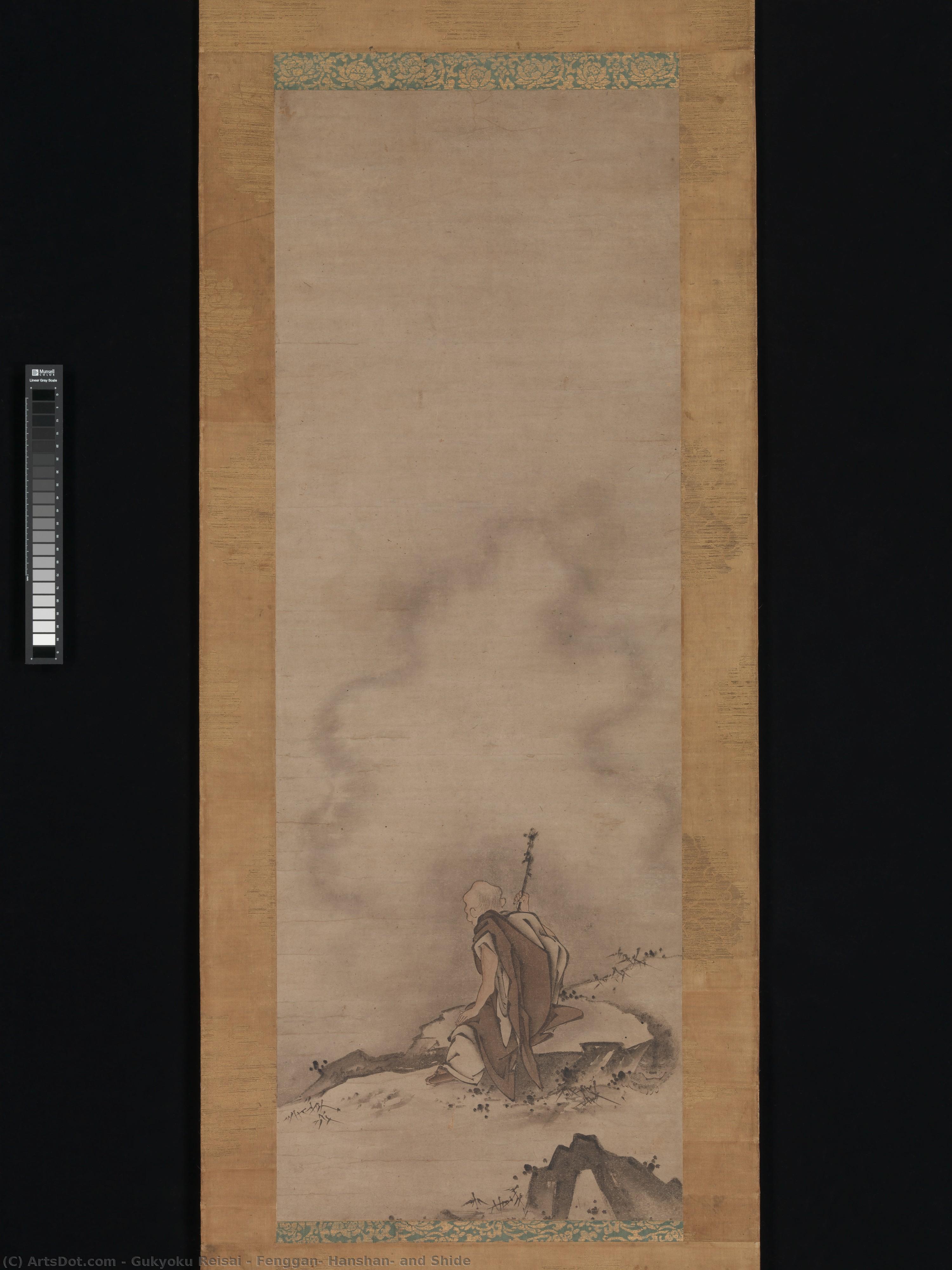
Fenggan, Hanshan, and Shide
 401
401 96.0cm x 35.0cm
 Pročitaj više
Kupite digitalnu sliku visoke rezolucije i poboljšanog kvaliteta, koja je znatno superiornija od onoga što vidite u online prikazu.
Svaka datoteka je pedantno pripremljena od strane naših stručnjaka koristeći napredne alate i profesionalnu ručnu retušu. Osiguravamo da svaka slika ima izuzetnu oštrinu, preciznu reprodukciju boja i fine detalje.
Konačna datoteka se dostavlja putem e-pošte u roku od 72 sata, optimizovana za neposrednu upotrebu u profesionalnim, izdavačkim i štamparskim okruženjima. To je isti kvalitet kojem veruju vrhunski studiji dizajna, izdavači i galerije.
Digitalna slika
Preuzmite datoteku visoke rezolucije za ličnu upotrebu, štampanje i kreativne projekte. ( Kupi print Kupi ručno naslikanu sliku)
Uključeno uz svaku porudžbinu digitalne slike
Profesionalna digitalna isporuka, zagarantovana
Kada odaberete ArtsDot.com, ne dobijate samo sliku – vi primate profesionalno unapređeno digitalno umetničko delo, izrađeno sa najvećom preciznošću i uz garanciju zadovoljstva. Evo svega što automatski dolazi uz vašu porudžbinu:

Brza dostava putem e-pošte
Vaša digitalna slika visoke rezolucije biće vam poslata putem e-pošte u roku od 72 sata od poručivanja – spremna za trenutnu upotrebu.

Digitalna datoteka unapređena veštačkom inteligencijom
Vaše umetničko delo je profesionalno optimizovano korišćenjem naprednih AI alata i ručne obrade, čime se osiguravaju maksimalni detalji, oštrina i preciznost boja.

Besplatna ponovna isporuka doživotno
Slučajno ste obrisali ili izgubili svoju datoteku? Ne brinite – poslaćemo vam je ponovo u bilo kom trenutku, potpuno besplatno.

Bez troškova uvoza – zauvek
Uživajte u svojim umetničkim delima trenutno, bez carine, dažbina ili troškova dostave – digitalni download je uvek bez poreza.

Garancija vernosti boja
Uz pomoć profesionalnih alata i upravljanja bojama, osiguravamo da vaša digitalna slika što vernije odražava originalne boje.

Garancija zadovoljstva u roku od 60 dana
Ako niste zadovoljni svojom digitalnom slikom, revidirat ćemo je ili vratiti 100% novca u roku od 60 dana – bez ikakvih pitanja.

100% garancija povrata novca
Niste zadovoljni? Obezbedite pun povrat novca u roku od 60 dana od trenutka kada ste primili svoju digitalnu datoteku – bez suvišnih pitanja.

Popusti na velike porudžbine
Kupite 3 slike, uštedite 10% - Kupite 5 slika, uštedite 15% - Kupite 10+ slika, uštedite 20%. Odlično za kreativne projekte, galerije i agencije.
Opis kolekcionarskog dela
Introduction to the Art of Japanese Paper
Japanese art covers a wide range of styles and media, including ancient pottery, sculpture, ink painting and calligraphy on silk and paper, ukiyo-e paintings and woodblock prints, ceramics, origami, bonsai, and more recently manga. One of the most important aspects of Japanese art is the use of paper. Manila paper, a relatively inexpensive type of paper made from semi-bleached wood fibers, has been shaped to create manila file folders and envelopes. It is just as strong as kraft paper but has better printing qualities, such as stronger pigment retention.The Nanga Art Movement
Nanga, also known as the Southern School of painting, is a Japanese art movement that emerged during the Edo period (1603-1868). It was heavily influenced by Chinese literati painting and calligraphy, which emphasized individual expression and the pursuit of personal enlightenment.The Painting 'Fenggan, Hanshan, and Shide'
Gukyoku Reisai: Fenggan, Hanshan, and Shide (96.2cm x 34.6cm, Paper) is a painting that showcases the unique texture and beauty of Japanese paper. From their perch on a rocky precipice, three figures look out over clouds rising from a valley below. At left are Hanshan and Shide, Chan (Japanese: Zen) monks who held low-level positions at Guoqingsi, a temple on China’s Mount Tiantai. The reclusive monk-poet Hanshan, shown carrying a bucket, was said to have gathered leftover food from the temple kitchen, where he worked. Shide holds a broom indicating his role as the temple janitor.The Ukiyo-e Art Movement
Ukiyo-e, a genre of Japanese art that flourished from the 17th through 19th centuries, is renowned for its woodblock prints and paintings depicting various subjects such as female beauties, kabuki actors, sumo wrestlers, historical scenes, folk tales, travel landscapes, flora, fauna, and erotica.Conclusion
The art of Japanese paper is a rich and diverse field, with a long history and many different forms. From traditional ink painting to modern manga, Japanese paper has been used to create some of the world's most beautiful and iconic artworks. Whether you are an artist, a collector, or simply someone who appreciates the beauty of paper, there is much to discover in the world of Japanese paper art. Discover more artworks made with Japanese paper on ArtsDot.com Sources:Srodna umetnička dela










Biografija umetnika
The Silent Brush of Zen: The Life and Legacy of Reisai Gukyoku
In the quiet corridors of Japan’s Muromachi period, where the spiritual and the aesthetic were inextricably linked, the figure of Reisai Gukyostu emerges as a profound voice of meditative stillness. A Japanese Buddhist monk-painter active during the late 14th and early 15th centuries, Gukyoku did not merely create art; he practiced a form of visual prayer. His life, though partially veiled by the mists of monastic anonymity, was deeply embedded in the most significant spiritual centers of his era. Born in the Yamashiro Province—the heart of modern-day Kyoto—he moved through the prestigious landscapes of Kencho-ji in Kamakura and Nanzen-ji in Kyoto, eventually rising to lead the venerable Tofuku-ji temple. This journey through the great Zen bastions provided him with more than just a religious education; it offered a profound immersion into the Rinzai Zen tradition, which would become the very soul of his brushwork.
The artistry of Gukyoku was an extension of his monastic discipline, characterized by a rejection of the superfluous in favor of the essential. As a skilled calligrapher and painter of Buddhist subjects, he mastered the art of conveying complex theological truths through remarkably restrained movements. His technique often utilized rapid, ink-driven brushstrokes to capture the divine essence of figures such as Tenjin and Monju. In these works, there is no room for ornamentation; instead, the viewer encounters a directness that mirrors the Zen pursuit of sudden enlightenment. His mastery extended to the creation of hengaku—horizontal wooden plaques—which were so highly regarded for their spiritual potency that they were sought after as talismans believed to ward off fire, embodying the belief that his very calligraphy held protective, sacred power.
A Tapestry of Ink and Spirit
To observe a work by Gukyoku is to witness a dialogue between the hand and the void. His contributions to the genres of scroll painting and calligraphy represent a pinnacle of Zen expression, where every stroke carries the weight of intention. He often engaged in deep intellectual and spiritual exchanges with his contemporaries, such as the priest Zuikei Shuho, discussing the nuances of Buddhist literature and the profound paradoxes found within koans. This scholarly depth is reflected in his more complex compositions, such as his celebrated folding screens featuring Chinese poetry. In these pieces, the calligraphy does not merely sit upon the surface; it breathes with the rhythm of the poem, using large, commanding characters to evoke the rigorous training and sudden awakenings described in the lives of Zen masters like Linji Yixuan.
The historical significance of Reisai Gukyoku lies in his ability to translate the intangible principles of shikantaza—the practice of "just sitting"—into a visual language. While other artists of the era might have pursued more flamboyant or decorative styles, Gukyoku remained committed to an aesthetic of understated elegance and spiritual clarity. His legacy is found in the way his ink captures the concept of impermanence and the beauty of the unadorned. Through his disciplined use of monochrome ink and his focus on the spiritual weight of the character, he helped define a period of Japanese art where the ultimate goal was not to depict the world as it appears to the eye, but as it is experienced by the awakened mind.
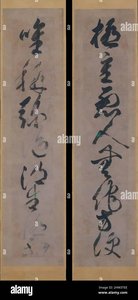
reisai gukyoku
1363 - 1452 , Japan
Kratke činjenice
- Artistic Movement Or Style: Zen buddhism art
- Date Of Birth: 1363
- Full Name: reisai gukyoku
- Nationality: Japanese
- Notable Artworks:
- Fenggan, Hanshan, and Shide
- Buddhist Maxim on the Saving Power of Amida
- Place Of Birth: Yamashiro, Japan

