 Pregledaj u prostoru
 Pošalji
 Podeli
 Detalji o delu

 Преузми
 Slični predmeti
 Rendgenski snimak
 Slajdovi
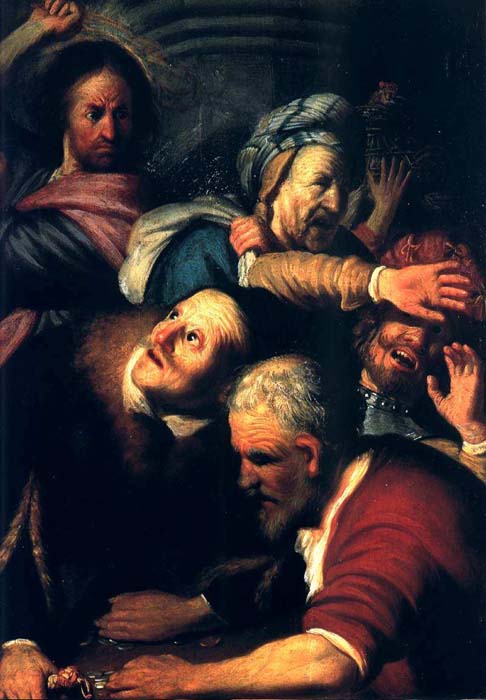
Исус Чисти Оборi Свечара, Москве


 Pročitaj više
Ručno rađena uljana reprodukcija
Ručno oslikano uljanim bojama na platnu u dimenzijama i okviru po vašem izboru, izrađeno po porudžbini od strane naših umetnika. ( Kupi print Kupi digitalnu sliku)




P118B $10

P118H $10

P118W $10

P438Z $10

P508JH $12

P508YH $12

P805H $10

P805Z $10

P919BZ $10

P919G $10

P919XJ $10

P959ZH $10

P968JZ $12

W106C $8

W218G $10

W218JH $8

W218Y $10

W307PJ $10

W316G $10

W316PJ $8

W316Y $10

W398PJ $8

W4111J $10

W500HY $15

W500JH $15

W692G $12

W849H $8

W940BG $15

W953PJ $8




Izaberite jednu od naših unapred definisanih veličina koje odgovaraju originalnim proporcijama umetničkog dela.

Можете унети сопствене димензије како бисте прилагодили дело одређеном оквиру или простору. Ако одабрана величина не одговара пропорцијама оригинала, слика ће бити исечена или проширена додатним елементима који се ручно насликавају. Дигитални prikaz ће вам бити послат на одобрење пре почетка производње.
Имајте на уму да преглед на екрану не одражава стварно исецање или проширење. Само приказ (mockup) ће тачно приказати коначну композицију.
Иако су доступне прилагођене величине, препоручујемо да одаберете димензију из дефинисане листе како бисте сачували оригиналне пропорције.
Nakon narudžbine, tim ArtsDot.com će klijentu putem e-pošte poslati uputstva i dostaviti prikaz predloženog rešenja
Isporuka širom sveta () za 3/4 nedelje umesto uobičajenih 5 nedelja. (29 август). Bez kompromisa po pitanju kvaliteta.

Besplatna ekspresna dostava širom sveta

Visokokvalitetno laneno platno

Kompletno osiguranje transporta

Garancija povraćaja carine i uvoznih dažbina

Garancija vernosti boja

Politika povrata u roku od 60 dana (samo u slučaju nedostataka)

Garancija povrata novca od 100%

Popust pri grupnoj kupovini
 Opcija sa staklom dostupna je samo za dimenzije manje od 110 cm

Исус Чисти Оборi Свечара, Москве
Tehnika reprodukcije
Dimenzije reprodukcije
-


Konačna cena
$ 263
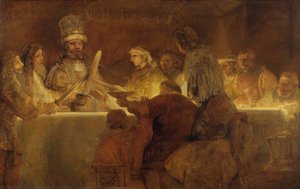
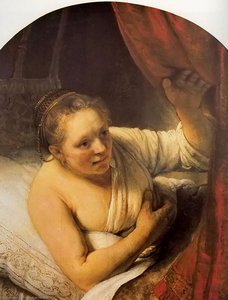
A Glimpse into Dutch Golden Age Society: “Jesus Chassant Les Vendeurs Du Temple, moscou” by Rembrandt van Rijn
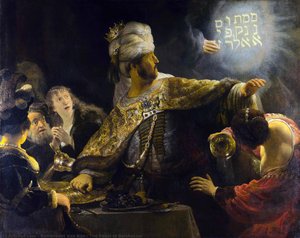
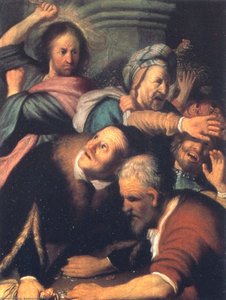
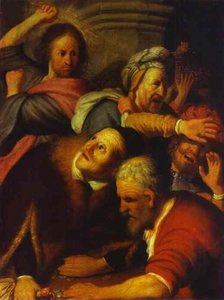
Rembrandt van Rijn’s “Jesus Chassant Les Vendeurs Du Temple, moscou,” painted in 1654, is more than just a biblical scene; it's a vibrant snapshot of 17th-century Dutch society, rendered with the artist’s unparalleled mastery of light, shadow, and human emotion. This oil on canvas work, currently housed within the Museum Boijmans Van Beuningen in Rotterdam, offers a captivating glimpse into the bustling social life of Amsterdam during the height of the Dutch Golden Age – a period renowned for its artistic innovation, economic prosperity, and burgeoning intellectual curiosity. The painting depicts Jesus’s return from the Temple with his parents, Mary and Joseph, but it's not the narrative itself that commands attention, rather the lively gathering surrounding them, a microcosm of everyday life within a grand religious tableau. The composition immediately draws the eye into a room brimming with activity. A diverse group of individuals – merchants, artisans, and perhaps even members of the clergy – are engaged in conversation, gesturing animatedly, and seemingly lost in their own worlds. Rembrandt skillfully employs *chiaroscuro*, a technique he perfected throughout his career, to create a dramatic interplay between light and darkness. Strong beams illuminate key figures within the scene, while other areas remain shrouded in shadow, adding depth, mystery, and a sense of theatricality to the composition. Notice how the warm glow highlights Jesus’s youthful face, drawing our attention to his innocence and vulnerability amidst the surrounding hubbub. The use of light isn't merely decorative; it serves to sculpt the figures, emphasizing their forms and conveying a palpable sense of movement and energy. Rembrandt’s genius lies not only in his technical skill but also in his ability to capture the essence of human experience. He doesn’t simply depict a biblical event; he portrays the *feeling* of a social gathering – the casual exchange of ideas, the subtle tensions, and the shared enjoyment of company. The details are remarkably realistic: the folds of clothing, the expressions on faces, the arrangement of furniture—all contribute to an immersive experience for the viewer. The inclusion of several dining tables suggests a celebratory occasion, perhaps a festive meal or a business transaction taking place within the Temple grounds. The presence of individuals dressed in fine attire hints at wealth and status, further enriching the social tapestry of the scene. Rembrandt’s masterful use of color—rich browns, reds, and golds—adds to the painting's opulent feel, reflecting the prosperity of the Dutch Republic during this era. The painting’s historical context is crucial to understanding its significance. The Dutch Golden Age was a time of unprecedented artistic flourishing, fueled by economic growth and religious tolerance. Rembrandt, along with other masters like Johannes Vermeer and Frans Hals, pushed the boundaries of art, experimenting with new techniques and exploring profound themes of human nature. His work often reflected the values and anxieties of his time – the pursuit of wealth, the importance of family, and the complexities of faith. The scene depicted in “Jesus Chassant Les Vendeurs Du Temple, moscou” offers a rare insight into the daily lives of ordinary people during this transformative period. It’s a reminder that even within grand religious narratives, there exists a rich and vibrant world of human interaction. Furthermore, Rembrandt's signature style—characterized by his loose brushstrokes, dramatic lighting, and psychological depth—is powerfully evident in this work. He wasn’t interested in creating idealized representations; instead, he sought to capture the imperfections and complexities of life with unflinching honesty. His self-portraits, which became increasingly prominent throughout his career, demonstrate a willingness to confront his own mortality and explore the darker aspects of human existence. This same approach is reflected in “Jesus Chassant Les Vendeurs Du Temple, moscou,” where Rembrandt doesn’t shy away from depicting the mundane details of everyday life—the wrinkles on faces, the awkward gestures, the fleeting expressions of emotion. The painting's enduring appeal lies in its ability to connect with viewers on a deeply human level, reminding us that we are all part of a larger story – a story filled with both joy and sorrow, hope and despair.Exploring Rembrandt’s Legacy: Beyond the Canvas
To truly appreciate “Jesus Chassant Les Vendeurs Du Temple, moscou,” it's worthwhile to delve deeper into the life and work of Rembrandt van Rijn himself. Born in Leiden in 1606, he spent his formative years studying under various masters before establishing his own studio in Amsterdam. His career spanned over six decades, during which he produced an astonishingly diverse body of work—portraits, landscapes, biblical scenes, and self-portraits—each imbued with his unique artistic vision. The Museum Boijmans Van Beuningen in Rotterdam houses a significant collection of Rembrandt’s paintings, offering visitors the opportunity to experience his art firsthand. Beyond Rotterdam, Rembrandt's influence can be seen throughout the Netherlands and beyond. His work has inspired countless artists over the centuries, and his techniques continue to be studied by art students today. Consider also the legacy of Claude De Jongh, another prominent artist of the Dutch Golden Age who shared a similar interest in capturing the nuances of human emotion through light and shadow. Examining these artists together provides a broader understanding of the artistic trends and influences that shaped Rembrandt’s distinctive style.Bringing “Jesus Chassant Les Vendeurs Du Temple, moscou” Home: Reproductions Available
ArtsDot offers meticulously crafted, handmade oil painting reproductions of “Jesus Chassant Les Vendeurs Du Temple, moscou,” allowing art lovers to own a piece of this iconic masterpiece. Our skilled artisans painstakingly recreate Rembrandt’s brushstrokes and color palette, ensuring that each reproduction captures the essence of the original work. These reproductions are not merely copies; they are authentic works of art in their own right, imbued with the same emotional depth and technical brilliance as the original painting. We understand that owning a piece of art is an investment—an investment in beauty, history, and cultural heritage. Our reproductions provide a beautiful and affordable way to bring Rembrandt’s vision into your home or office. Furthermore, we encourage you to explore our website for additional resources on Rembrandt van Rijn and the Dutch Golden Age, including links to relevant articles, images, and historical information. You can also discover more about the Museum Boijmans Van Beuningen in Rotterdam, where the original painting resides, offering a fascinating glimpse into the world of Dutch art history. And don't miss our collection of works by Claude De Jongh, another master of light and shadow who contributed significantly to the artistic landscape of the era.Srodna umetnička dela
Biografija umetnika
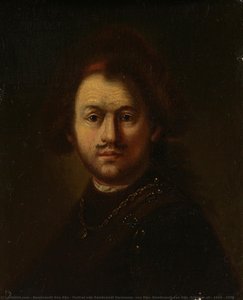
Rembrandt van Rijn: Svetla i Senke Holandske Zlatne Epohe
Rembrandt Harmenszoon van Rijn, čije ime je sinonim za holandsku Zlatnu epohu i majstoriju svetlosti i senke, rođen je u Lajdenu, Nizozemska, 15. jula 1606. Njegovo rođenje se poklopilo sa periodom bez presedana prosperiteta i umetničkog procvata za mladu republiku, klimom koja će duboko oblikovati njegov život i delo. Sin mlinara Harmena Gerritszoona van Rijna i Neeltgen Willemsdochter van Zuytbrouck, iz porodice pekara, Rembrandt je primio obrazovanje u Lajdenovoj Latinskoj školi, što mu je pružilo temelj klasičnog znanja koji će kasnije suptilno informisati njegove umetničke priče. Njegova rana umetnička sklonost dovela ga je do stažiranja – prvo kod Jakoba van Swanenburga u Lajdenu oko 1620. godine, a zatim, ključno, šestomesečnog perioda studija pod Pieter Lastmanom u Amsterdamu početkom 1624. Upravo Lastmanova dramatična upotreba svetlosti i senke, njegove dinamične kompozicije ispunjene istorijskim i biblijskim scenama, razbuktale iskru u mladom Rembrandtu, postavljajući ga na put umetničke inovacije.
Od Lajdenskog Priznanja do Amsterdamskog Prihvata
Rembrandt je brzo stekao priznanje u svom rodnom gradu po svojim istorijskim slikama i portretima, demonstrirajući rani talenat za hvatanje kako fizičke sličnosti tako i psihološke dubine. Ključni trenutak nastupio je 1629. godine sa pokroviteljstvom Constantijn Huygensa, pesnika i diplomate na Hagskoj dvorskoj strani. Ova veza obezbedila je narudžbine koje su podigle profil Rembrandta i otvorile mu vrata do šire publike. Godine 1631. doneo je odluku o preseljenju u Amsterdam, užurbani komercijalni i kulturni centar. Ovde su bile odmah tražene njegove veštine kao portreti, privlačeći bogate klijente koji su želeli da im se sličje večno sačuva delom ovog uzlaznog umetnika. Godina 1634. označila je još jedan značajan prekretnicu sa brakom sa Saskia van Uylenburgh, ćerkom uglednog pravnika i gradonačelnika. Ova unija nije samo donela ličnu sreću, već je Rembrandtu pružila i društveni uticaj i početnu finansijsku stabilnost, omogućavajući mu da proširi svoju radionicu i preuzme ambicioznije projekte.
Evolucija Majstora: Stil i Tehnika
Rembrandtov umetnički put bio je jedan od neprestane eksperimentacije i duboke evolucije. Odmakao je od naglašavanja idealizovanih formi, umesto toga prihvatajući realizam i emotivni ekspresivizam u svojim prikazima. Njegov rani period, otprilike od 1625. do 1635. godine, bio je karakterisan pomnim detaljima i jasnim uticajem Lastmanovog dramatičnog stila. Međutim, upravo tokom svog zrelog perioda, koji obuhvata 1630-e i 1650-e godine, Rembrandt se zaista ispoljio. Ova era je svedočila majstorskoj razvoju *kijaroskura* – dramatične igre svetlosti i senke – koja je postala definisujuća karakteristika njegovog rada. On nije samo prikazivao svetlost; koristio ju je da skulptira formu, stvori atmosferu i otkrije unutrašnje živote svojih subjekata. Njegov potez kista takođe je doživeo transformaciju, postajući slobodniji i ekspresivniji, prenoseći teksturu, emociju i osećaj neposrednosti. Godine kasnije, od 1650-ih do svoje smrti 1669. godine, došlo je do povratka smirenijoj paleti boja i fokusiranju na intimne portrete i biblijske scene koje su odražavale lične borbe i duhovno razmišljanje. Ovi radovi su obeležena dubokim osećajem introspekcije i spremnosti da se suoči sa složenostima ljudskog postojanja.
Landmark Stvaranja i Trajna Zaostavština
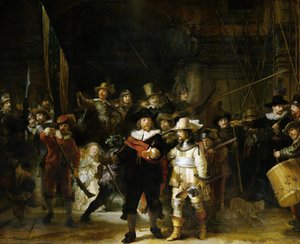
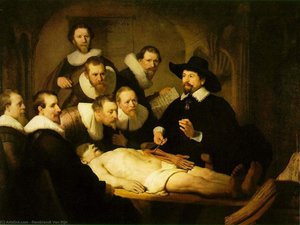
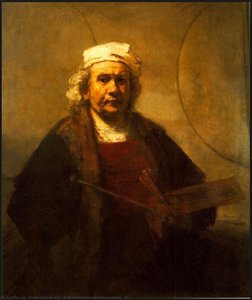
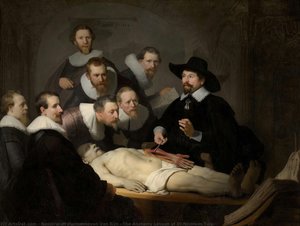
Rembrandtovo delo ispunjeno je remek-delima koja nastavljaju da fasciniraju publiku vekovima kasnije. Anatomska lekcija dr Nikolaesa Tulpa (1632), revolucionarni grupni portret, nije samo pokazao njegovu tehničku veštinu, već i demonstrirao inovativan pristup prikazivanju ljudske anatomije i ličnosti. Belšazarova gozba (1635) svedoči o njegovoj majstoriji svetlosti, senke i kompozicije, oživljavajući biblijsku priču dramatičnom intenzitetom. Možda je njegovo najpoznatije delo, Noćna straža (1642), zvanično naslovljena *Milicija Druge oblasti pod komandom kapetana Fransa Banincka Coca*, redizajnirala žanr grupnog portreta dinamičnom kompozicijom i inovativnom upotrebom osvetljenja. Osim ovih velikih dela, Rembrandtovi otprilike 40 autoportreta nude jedinstven vizuelni zapis njegovog starenja i umetničke vizije, pružajući nezabeležan uvid u um genija. On je takođe revolucionisao graviranje, podizanjem ga na nivo finih umetnosti putem svog majstorskog rukovanja linijom i tonom. Njegov uticaj se protezao daleko izvan njegovog vremena, utičući na generacije umetnika svojom inovativnom tehnikom i dubokim psihološkim uvidima. Uprkos ličnim tragedijama – uključujući gubitak Saskije i finansijske poteškoće koje su dovele do bankrota 1656. godine – Rembrandtova reputacija je potrajala. Ostaje kamen temeljac holandske umetnosti i univerzalni simbol umetničke genijalnosti, čija dela nastavljaju da inspirišu i diraju publiku širom sveta.
Ogledalo Zlatne Epohe
Rembrandtov rad je neizbežno povezan sa duhom Holandske Zlatne epohe – ere definisane ekonomskim prosperitetom, intelektualnim procvetavanjem i bez presedana umetničkom inovacijom. On je uhvatio suštinu ovog perioda svojim portretima njegovih građana, dramatičnim biblijskim scenama koje su rezonirale sa duboko religioznom publikom i istraživanjem univerzalnih ljudskih emocija. Njegova životna priča – ubedljiva narativ uspeha, nevolja i neumorne predanosti svom zanatu – učinila ga je fascinantnom figurom u istoriji umetnosti. On nije samo dokumentovao svet oko sebe; interpretirao ga je kroz prizmu sopstvenog iskustva i uvida. Rembrandtov uticaj na buduće generacije umetnika je neprocenjiv, inspirisajući bezbroj slikara, grafičara i crtača da istražuju moć svetlosti, senke i psihološkog realizma. Njegova zaostavština nastavlja da cveti u muzejima i privatnim kolekcijama širom sveta, osiguravajući da će njegova remek-dela nastaviti da inspirišu i diraju publiku vekovima.
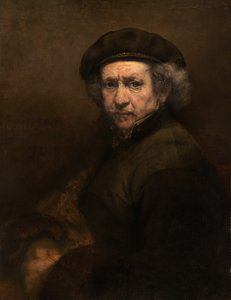
Рембрант
1606 - 1669 , Holandija
Osnovne informacije
- Datum Rođenja: 15. jul 1606.
- Datum Smrti: 4. oktobar 1669.
- Mesto Rođenja: Leiden, Holandija
- Nacionalnost: Holanđanin
- Pokret/Umetnik Pod Uticajem: ['Holandska zlatna era']
- Puno Ime: Rembrandt van Rijn
- Umetnički Pokret: Barokna slika
- Uticajni Umetnici:
- Titian
- Karavagio
- Pieter Lastman
- Značajna Dela:
- Anatomska lekcija dr. Tulpa
- Praznik Belšazersa
- Noćna straža
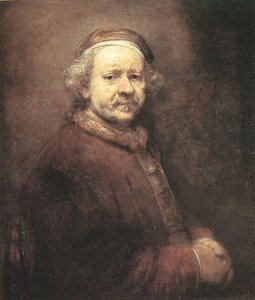
- Autoportreti
Povezani članci

Rembrandt van Rijn: 25 Majstorstava Svetla i Senke za Vaš Dom | ArtsDot
Uronite u svet Rembrandta van Rijna! Otkrijte 25 najlepših dela holandskog majstora – portrete, istorijske scene i biblijska platna. Kvalitetne reprodukcije slika za dekoraciju enterijera dostupne na ArtsDot.com.

Dutch Baroque Masters: 10 Paintings That Shaped an Era | ArtsDot
Journey through the Golden Age with our guide to the Top 10 Dutch Baroque masterpieces! Explore iconic paintings by Rembrandt, Vermeer & Frans Hals. Find museum-quality art reproductions and elevate your home decor at ArtsDot.com.
Rembrandt van Rijn: A Life Illuminated – Exploring the Master of Light, Shadow, and Human Emotion
Explore the life & art of Rembrandt van Rijn, master of light and shadow. Discover his iconic paintings, revolutionary techniques, and enduring legacy with ArtsDot – trusted experts in fine art reproductions since 2004.
Etching Masters: 10 Legendary Prints That Revolutionized Art | ArtsDot
Journey through 10 legendary etching masterpieces by Rembrandt, Dürer & Goya. Explore the history of printmaking and discover timeless art for your home. Find museum-quality reproductions at ArtsDot.com.
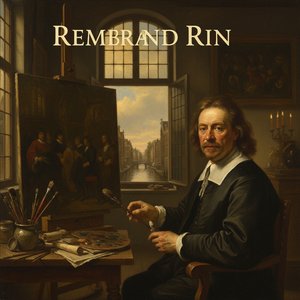
Rembrandt van Rijn: A Life Illuminated – Innovation, Emotion, and the Dutch Golden Age
Explore the life & art of Rembrandt van Rijn, a Dutch Golden Age master. Discover his innovative techniques, iconic paintings like 'The Night Watch', and enduring legacy. Expert insights for collectors & enthusiasts.