

 Pošalji
 Podeli
 Detalji o delu

 Преузми
 Slični predmeti
 Slajdovi
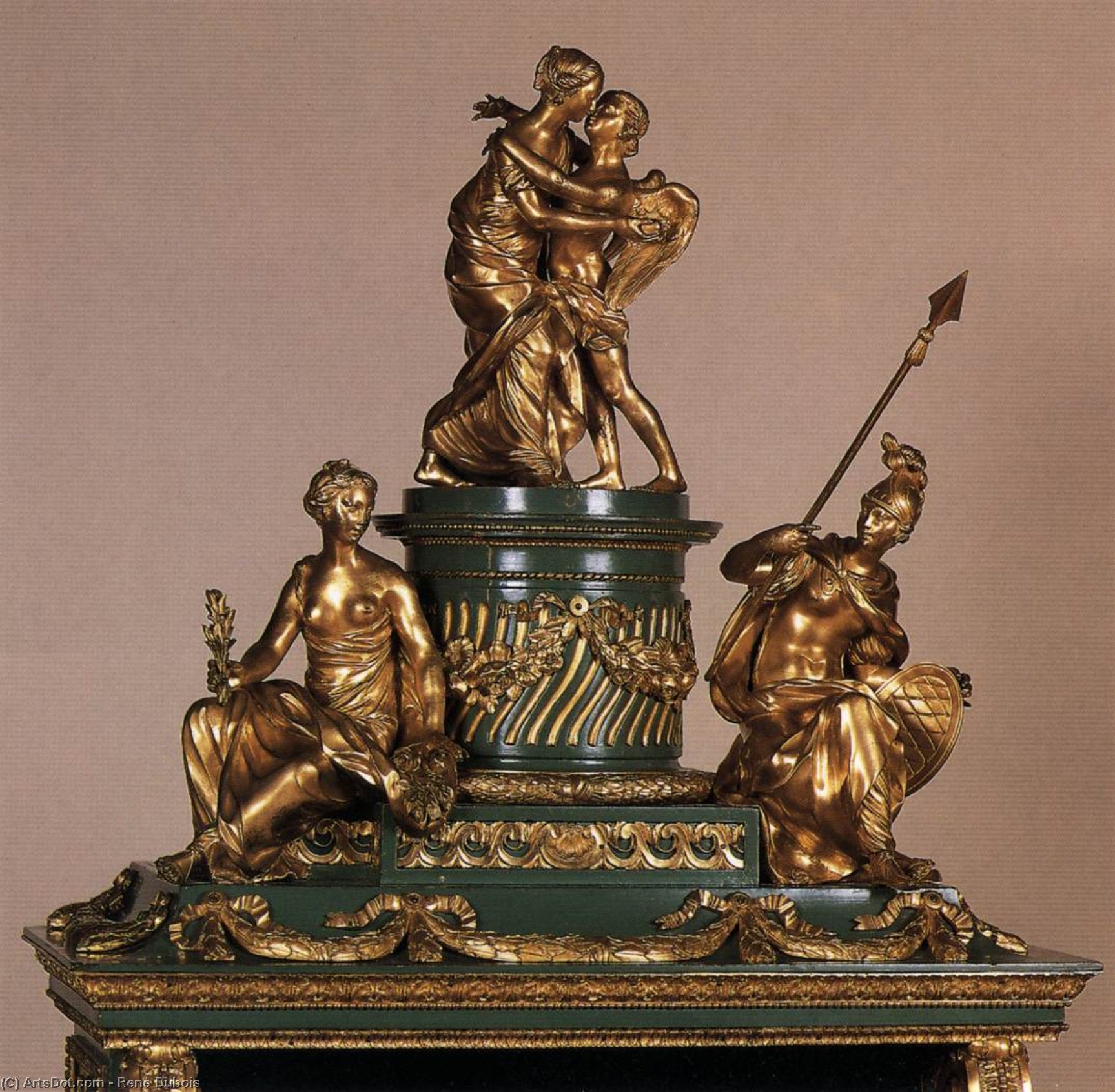
Cartonnier (detail)


 Pročitaj više
Kupite digitalnu sliku visoke rezolucije i poboljšanog kvaliteta, koja je znatno superiornija od onoga što vidite u online prikazu.
Svaka datoteka je pedantno pripremljena od strane naših stručnjaka koristeći napredne alate i profesionalnu ručnu retušu. Osiguravamo da svaka slika ima izuzetnu oštrinu, preciznu reprodukciju boja i fine detalje.
Konačna datoteka se dostavlja putem e-pošte u roku od 72 sata, optimizovana za neposrednu upotrebu u profesionalnim, izdavačkim i štamparskim okruženjima. To je isti kvalitet kojem veruju vrhunski studiji dizajna, izdavači i galerije.
Digitalna slika
Preuzmite datoteku visoke rezolucije za ličnu upotrebu, štampanje i kreativne projekte. ( Kupi print Kupi ručno naslikanu sliku)
Uključeno uz svaku porudžbinu digitalne slike
Profesionalna digitalna isporuka, zagarantovana
Kada odaberete ArtsDot.com, ne dobijate samo sliku – vi primate profesionalno unapređeno digitalno umetničko delo, izrađeno sa najvećom preciznošću i uz garanciju zadovoljstva. Evo svega što automatski dolazi uz vašu porudžbinu:

Brza dostava putem e-pošte
Vaša digitalna slika visoke rezolucije biće vam poslata putem e-pošte u roku od 72 sata od poručivanja – spremna za trenutnu upotrebu.

Digitalna datoteka unapređena veštačkom inteligencijom
Vaše umetničko delo je profesionalno optimizovano korišćenjem naprednih AI alata i ručne obrade, čime se osiguravaju maksimalni detalji, oštrina i preciznost boja.

Besplatna ponovna isporuka doživotno
Slučajno ste obrisali ili izgubili svoju datoteku? Ne brinite – poslaćemo vam je ponovo u bilo kom trenutku, potpuno besplatno.

Bez troškova uvoza – zauvek
Uživajte u svojim umetničkim delima trenutno, bez carine, dažbina ili troškova dostave – digitalni download je uvek bez poreza.

Garancija vernosti boja
Uz pomoć profesionalnih alata i upravljanja bojama, osiguravamo da vaša digitalna slika što vernije odražava originalne boje.

Garancija zadovoljstva u roku od 60 dana
Ako niste zadovoljni svojom digitalnom slikom, revidirat ćemo je ili vratiti 100% novca u roku od 60 dana – bez ikakvih pitanja.

100% garancija povrata novca
Niste zadovoljni? Obezbedite pun povrat novca u roku od 60 dana od trenutka kada ste primili svoju digitalnu datoteku – bez suvišnih pitanja.

Popusti na velike porudžbine
Kupite 3 slike, uštedite 10% - Kupite 5 slika, uštedite 15% - Kupite 10+ slika, uštedite 20%. Odlično za kreativne projekte, galerije i agencije.
The Echoes of Antiquity in French Decorative Mastery
To gaze upon this detail from René Dubois's Cartonnier is to step directly into the opulent salons of 18th-century France, yet simultaneously witness a dialogue across centuries. While the piece itself dates its inspiration to 1765, the hand that crafted this vision—or rather, the spirit it evokes—speaks of profound artistic lineage. The object, rendered in rich oak and lavishly accented with gilding, is far more than mere furniture; it is a meticulously preserved narrative carved into wood. Its very existence speaks to the zenith of French decorative arts, where craftsmanship was elevated to the level of high poetry.
Neoclassicism: A Dialogue Between Eras
The style is unmistakably Neoclassical, an aesthetic movement that found its footing by looking backward to the perceived purity and grandeur of ancient Greece and Rome. Dubois masterfully channels this spirit. Observe the drapery on the figures; the folds are not random but follow established classical canons, suggesting weight, movement, and narrative importance. The composition itself—the central seated figure enthroned, flanked by a robust warrior and perhaps a cherubic attendant—is a tableau vivant of mythological or historical significance. It invites the viewer to pause and decipher the allegories woven into its very structure.
Technique and Material Brilliance
The technical execution is breathtaking. The combination of deeply carved oak with brilliant gilding creates a play of light and shadow that seems alive. While the original piece showcases wood carving, it is important to note the broader context of Dubois’s later work in Cartonnier—the art of constructing figures from cardboard. This contrast highlights an enduring theme: the ability to imbue seemingly humble or rigid materials with breathtaking life. Here, the skill lies not just in the carving depth, but in the artist's understanding of how light interacts with polished wood and applied gold leaf, lending a regal, almost ethereal glow to every surface.
Symbolism and Emotional Resonance
The figures themselves are potent symbols. The central seated woman, perhaps representing Wisdom or an idealized Muse, commands attention from her throne-like seat. To her side stands the armed figure, embodying guardianship, strength, and martial virtue. Completing the triad is the third element, often symbolizing innocence or divine grace. Together, they form a harmonious philosophical statement—a visual meditation on the balance between intellect, action, and spirit. Owning a reproduction of this piece allows one to bring that sense of balanced, cultivated grandeur into a modern interior space.
Bringing History Home
For the collector or designer seeking an anchor of timeless elegance, this artwork offers unparalleled depth. Whether you are commissioning a high-quality oil painting reproduction capturing the rich tones and intricate detail, or simply appreciating the historical weight of its design, the Cartonnier remains a touchstone. It is a piece that does not merely decorate; it elevates the room, whispering tales of Parisian artistry and the enduring power of classical ideals.
Srodna umetnička dela



Biografija umetnika
René Dubois: A Master of French Cartonnier Art
René Dubois (1901 – 1982) stands as a singular figure in the realm of French decorative arts, renowned primarily for his mastery of ‘Cartonnier,’ a technique that revolutionized portraiture and sculpture during the interwar years. Unlike traditional sculpting methods relying on clay or wax, Cartonnier involved constructing figures from meticulously cut cardboard sheets – a process demanding exceptional precision and artistic vision—resulting in remarkably detailed and expressive sculptures that captured the essence of their subjects with unparalleled subtlety. Dubois’s legacy resides not merely in his technical prowess but also in his ability to infuse these seemingly humble materials with profound emotional depth, transforming them into objects of enduring beauty and contemplation.- Early Life & Artistic Training: Born in Saint-Brice-sous-Forêt, Dubois received a formal artistic education at the École Supérieure des Beaux-Arts in Paris, where he honed his skills in drawing and painting before gravitating towards sculpture. His formative influences included Auguste Rodin and Camille Claudel, artists who championed expressive realism and challenged conventional sculptural conventions.
- The Cartonnier Technique: Dubois’s breakthrough came with the adoption of Cartonnier—a technique pioneered by sculptor Jean Petitot—which allowed for unprecedented levels of detail and textural nuance. This method involved painstakingly cutting cardboard into thin sheets, gluing them together to form a skeletal armature, and applying layers of papier maché to achieve remarkable sculptural accuracy.
- Notable Works & Artistic Style: Dubois’s oeuvre comprises over 300 sculptures—primarily portraits—that exemplify his distinctive artistic style. Characterized by serene expressions, graceful poses, and meticulous attention to anatomical detail, his works convey a palpable sense of inner life and psychological complexity. Particularly celebrated are his depictions of prominent figures from French intellectual and cultural circles.
- Influence & Legacy: Dubois’s Cartonnier technique profoundly impacted the sculptural landscape of France during the 1920s and 30s, inspiring a generation of artists to explore new expressive possibilities. His sculptures continue to captivate audiences today with their understated elegance and profound emotional resonance—a testament to his enduring artistic vision.
Exploring Dubois’s Cartonnier Method: Precision & Emotion
The Cartonnier technique itself represents a radical departure from established sculptural practices. Petitot's initial experiments involved creating figures from papier maché, but Dubois elevated the craft by utilizing cardboard—a readily available and remarkably versatile material—to construct an armature that provided structural support while allowing for intricate modeling. This method demanded painstaking preparation: each sheet of cardboard was meticulously cut to precise dimensions, ensuring optimal stability and facilitating the creation of complex anatomical forms. Furthermore, Dubois skillfully employed papier maché—often reinforced with linen thread—to build up layers of material, achieving astonishing textural detail and capturing subtle nuances of expression.- Detailed Modeling Techniques: Dubois’s approach to modeling involved applying thin layers of papier maché over the armature, gradually building up volume and sculpting contours with remarkable precision. He utilized tools such as scalpels, knives, and brushes—often moistened with glue—to manipulate the material, achieving surfaces that mirrored the smoothness and luminosity of marble or bronze.
- Capturing Emotion Through Gesture & Expression: Dubois’s sculptures are distinguished by their serene expressions and graceful poses—a deliberate choice reflecting his belief in conveying inner life through subtle gestures. He meticulously studied anatomy to accurately represent musculature and skeletal structure, ensuring that each pose communicated a sense of movement and dynamism.
Iconic Portraits & Artistic Recognition
Dubois’s artistic reputation soared during the interwar period, fueled by commissions from influential patrons and exhibitions at prestigious venues. Among his most celebrated portraits are depictions of Jean Moulin—a French communist leader instrumental in organizing the Resistance against Nazi occupation—and Marguerite de France—the Queen consort of Louis XIV—whose likeness Dubois captured with breathtaking artistry. These sculptures exemplify Dubois’s mastery of Cartonnier, showcasing exceptional anatomical accuracy and conveying a palpable sense of dignity and composure.A Lasting Impression: Dubois's Contribution to French Art History
René Dubois’s contribution to French art history extends beyond his technical innovations; he championed an aesthetic rooted in psychological realism—a stylistic hallmark that distinguishes him from many of his contemporaries. His sculptures resonate with a quiet contemplation and understated beauty—qualities that continue to inspire admiration and scholarly interest decades after his death. Dubois's legacy resides not merely in the enduring presence of his artworks but also in his influence on subsequent generations of sculptors who embraced Cartonnier as a vehicle for expressive exploration.
rené dubois
1901 - 1982

