 Pregledaj u prostoru
 Pošalji
 Podeli
 Detalji o delu

 Преузми
 Slični predmeti
 Rendgenski snimak
 Slajdovi
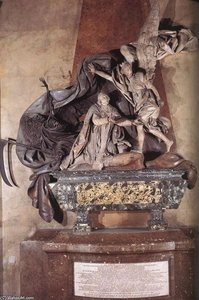
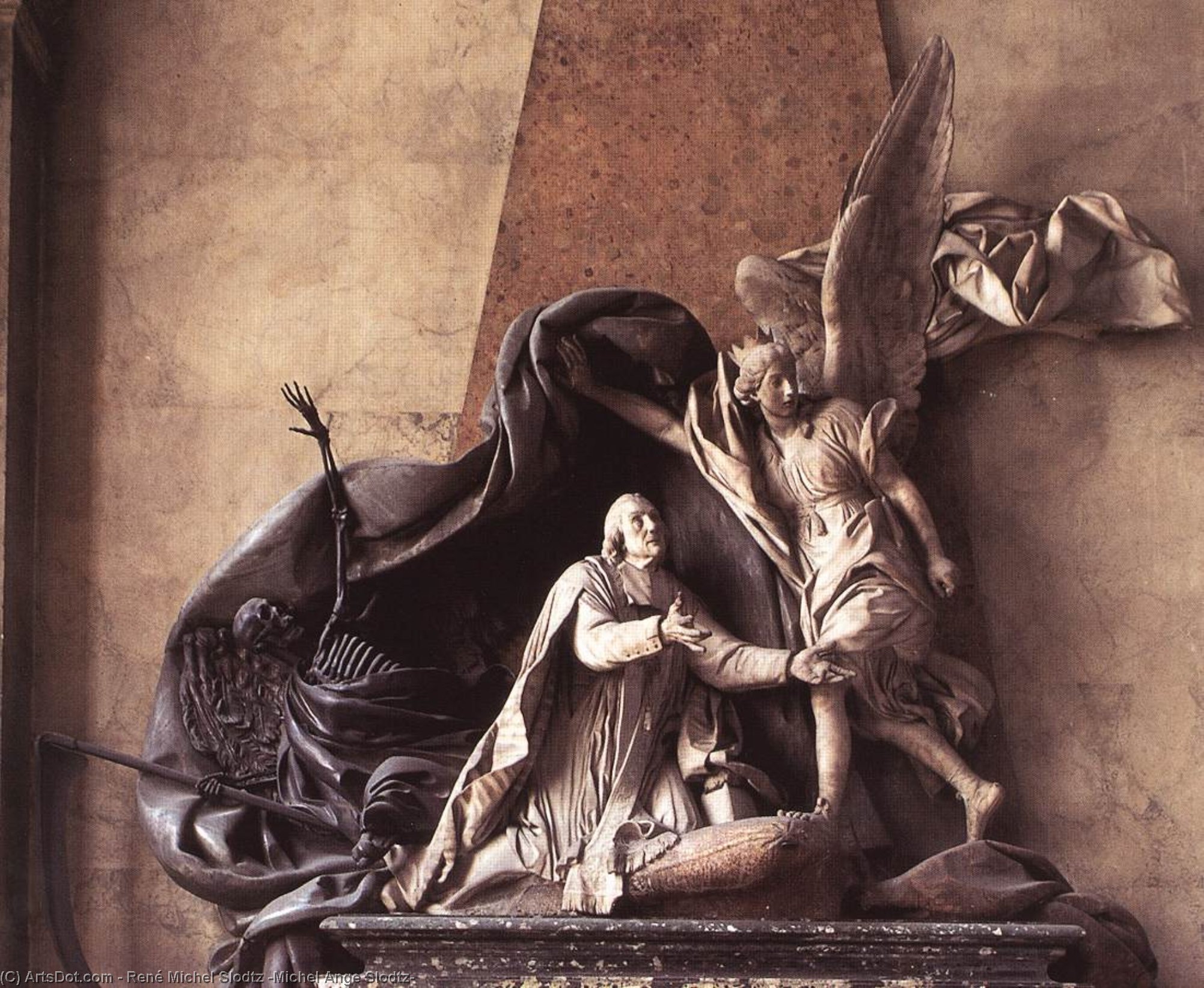
Funeral Monument to Languet de Gergy (detail)


 Pročitaj više
Giclee štampa / Umetnički otisak
Giclée štampa ili print na platnu muzejskog kvaliteta uz brzu proizvodnju i fleksibilne opcije završne obrade. ( Kupi ručno naslikanu sliku Kupi digitalnu sliku)




































Izaberite jednu od naših unapred definisanih veličina koje odgovaraju originalnim proporcijama umetničkog dela.

Možete uneti sopstvene dimenzije kako biste umetničko delo prilagodili specifičnom okviru ili prostoru. Ako odabrani format ne odgovara proporcijama originalne slike, mi ćemo ili iscrtati deo dela ili proširiti sliku pomoću ogledane ivice ili jednobojnog popunjavanja. Digitalni prikaz će vam biti poslat na odobrenje pre početka proizvodnje.
Imajte na umu da pregled na ekranu ne odražava stvarno iscrtavanje ili proširivanje. Samo će prikaz (mockup) precizno pokazati finalnu kompoziciju.
Iako su prilagođene dimenzije dostupne, preporučujemo da odaberete dimenziju sa unapred definisane liste kako biste očuvali originalne proporcije.
Dostava širom sveta () za 2 nedelje umesto uobičajenih 4/5 nedelja. (1 септембар)

Besplatna ekspresna dostava širom sveta

Visokokvalitetno laneno platno

Kompletno osiguranje transporta

Garancija povraćaja carine i uvoznih dažbina

Garancija vernosti boja

Politika povrata u roku od 60 dana (samo u slučaju nedostataka)

Garancija povrata novca od 100%

Popust pri grupnoj kupovini
 Opcija sa staklom dostupna je samo za dimenzije manje od 110 cm

Funeral Monument to Languet de Gergy (detail)
Giclee štampa / Umetnički otisak
Dimenzije reprodukcije
-


Konačna cena
$ 62
Srodna umetnička dela








Biografija umetnika
Luca Giordano: The Whirlwind Painter of Baroque Italy
Luca Giordano, a name synonymous with dazzling speed and vibrant color, stands as one of the most remarkable figures in 17th-century Italian art. Born in Naples in 1634, he quickly established himself not just as a painter but as a phenomenon – a “Fa Presto,” or ‘works quickly’ artist, renowned for his astonishing ability to complete commissions with breathtaking rapidity. His career spanned over four decades, taking him from the bustling streets of Naples to the grand courts of Rome, Venice, Madrid, and Florence, leaving behind a legacy of dramatic narratives, opulent interiors, and an unparalleled mastery of color and movement. This biography delves into the life, work, and enduring influence of this extraordinary artist.Early Training and Neapolitan Roots
Luca Giordano’s artistic journey began under the tutelage of Giuseppe de Ribera, a leading figure in the Neapolitan Baroque school. Ribera's dark, dramatic style – heavily influenced by Caravaggio – profoundly shaped Giordano’s early development. However, Giordano quickly surpassed his teacher, developing a distinctive approach characterized by an exuberant palette, dynamic compositions, and a remarkable gift for capturing fleeting moments of emotion. His Neapolitan upbringing instilled in him a deep appreciation for the local artistic traditions, particularly the theatricality and emotional intensity prevalent in the city’s painting scene. This foundation, combined with his innate talent and tireless work ethic, propelled him to rapid success. The nickname “Fa Presto” wasn't merely boastful; it reflected a genuine ability to execute complex works within remarkably short timeframes – a skill that became legendary throughout Europe.Style and Influences: A Synthesis of Masters
Giordano’s style was a fascinating synthesis of influences, skillfully blending the dramatic realism of Caravaggio with the elegance and grace of Roman and Venetian masters. He absorbed the anatomical precision of Annibale Carracci, the architectural grandeur of Pietro da Cortona, and the atmospheric perspective of Venetian painters like Titian. Crucially, he didn’t simply imitate these artists; instead, he internalized their techniques and translated them into his own unique visual language. His paintings are characterized by a loose, painterly brushstroke, an intense use of color – particularly reds, golds, and blues – and a dynamic sense of movement. He was adept at creating illusions of depth and space, often employing dramatic lighting to heighten the emotional impact of his scenes. His work frequently depicted religious subjects, mythological narratives, and grand historical events, all rendered with a theatrical flair that captivated audiences.Major Works and Commissions
Giordano’s prolific output resulted in a vast body of work, encompassing paintings, frescoes, and numerous modelli – detailed preparatory drawings for larger projects. Among his most celebrated achievements are the monumental ceiling frescoes he executed at the Palazzo Medici-Riccardi in Florence (1682–85), particularly the series depicting the Cardinal Virtues. These works exemplify Giordano’s mastery of scale and his ability to create immersive, visually stunning environments. The “Apotheosis of the Medici” is a prime example, showcasing his dramatic use of color and composition. He also produced numerous portraits for wealthy patrons, including the lavish "Bacchus and Ariadne" (1674–77) for the Rosso family in Florence – a vibrant interpretation of Titian’s masterpiece that demonstrates his innovative approach to established themes. His work in Madrid, particularly during his time at the court of Philip IV, included numerous portraits and historical scenes reflecting the Spanish court's tastes.Legacy and Historical Significance
Luca Giordano’s impact on 18th-century art was profound. His remarkable speed and technical skill influenced a generation of Neapolitan painters, shaping the development of Baroque painting in the region. His dynamic compositions and vibrant color palettes paved the way for later artists, including those associated with Rococo. While often overshadowed by more austere figures like Caravaggio, Giordano’s exuberant style and theatrical flair secured his place as one of the most important and beloved artists of the Baroque period. His legacy continues to be celebrated through reproductions of his works, such as those offered by ArtsDot.com, allowing audiences worldwide to appreciate the brilliance and dynamism of this extraordinary “Fa Presto” painter. His work stands as a testament to the power of speed, skill, and imagination in the hands of a truly exceptional artist.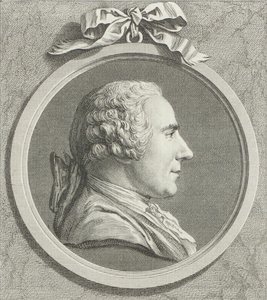
rené michel slodtz (michel ange slodtz)
1705 - 1764 , France
Osnovne informacije
- Artistic Movement Or Style: Baroque
- Artists Or Movements Influenced By This Artist:
- Annibale Carracci
- Caravaggio
- Artists Who Influenced This Artist:
- Jusepe de Ribera
- Albrecht Dürer
- Titian
- Paolo Veronese
- Date Of Birth: 1634
- Date Of Death: 1705
- Full Name: Luca Giordano
- Nationality: Italian
- Notable Artworks:
- Death of Seneca
- Death of Archimedes
- Bacchus and Ariadne
- Place Of Birth: Naples, Italy