 Pregledaj u prostoru
 Pošalji
 Podeli
 Detalji o delu

 Преузми
 Slični predmeti
 Rendgenski snimak
 Slajdovi
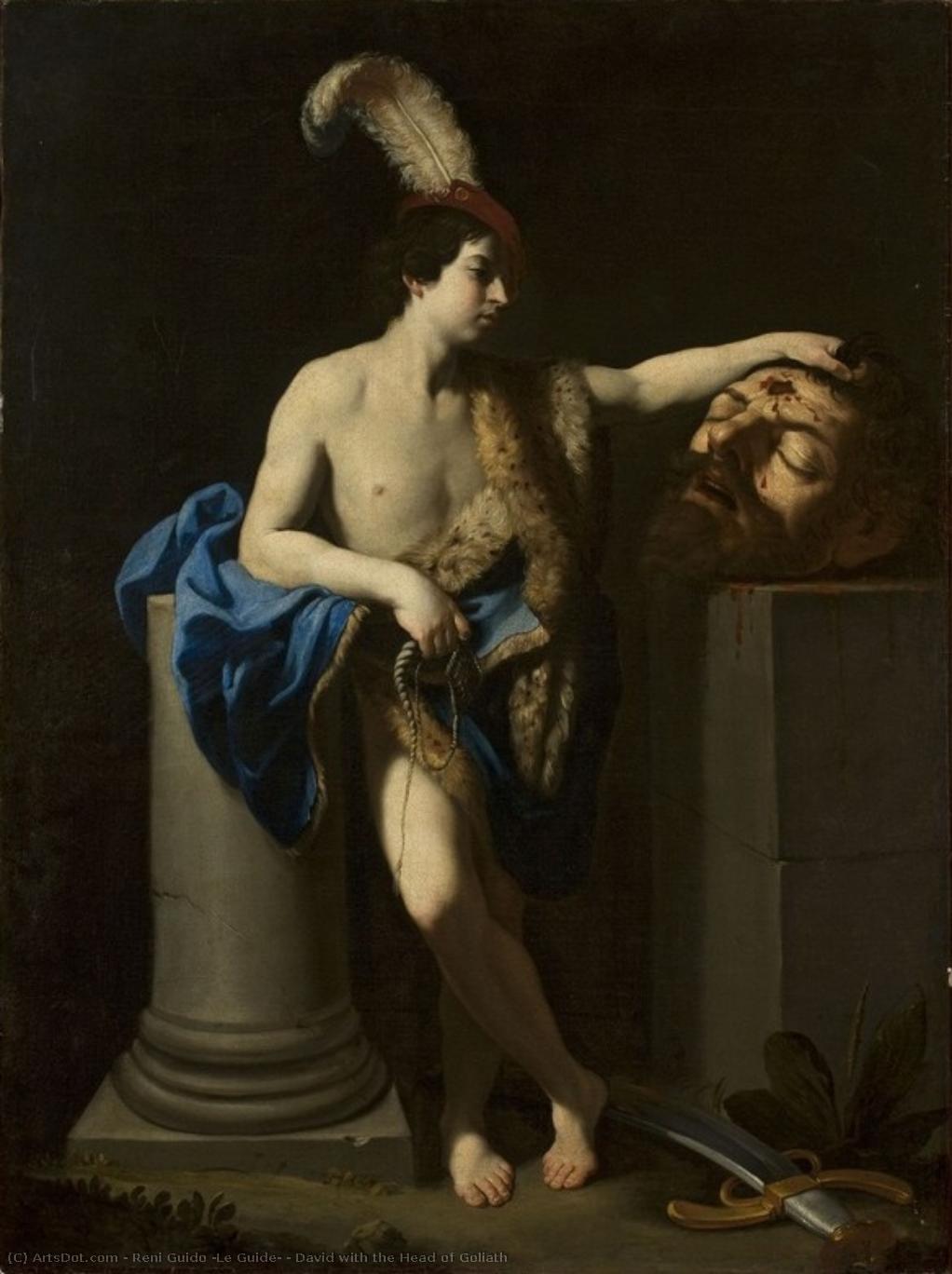
David with the Head of Goliath
 Acrylic On Canvas
- WallArt
- Baroque Painting
 1605
1605 131.0 x 98.0 cm
 Галерија Уфици
 Pročitaj više
Ručno rađena uljana reprodukcija
Ručno oslikano uljanim bojama na platnu u dimenzijama i okviru po vašem izboru, izrađeno po porudžbini od strane naših umetnika. ( Kupi print Kupi digitalnu sliku)




P118B $10

P118H $10

P118W $10

P438Z $10

P508JH $12

P508YH $12

P805H $10

P805Z $10

P919BZ $10

P919G $10

P919XJ $10

P959ZH $10

P968JZ $12

W106C $8

W218G $10

W218JH $8

W218Y $10

W307PJ $10

W316G $10

W316PJ $8

W316Y $10

W398PJ $8

W4111J $10

W500HY $15

W500JH $15

W692G $12

W849H $8

W940BG $15

W953PJ $8




Izaberite jednu od naših unapred definisanih veličina koje odgovaraju originalnim proporcijama umetničkog dela.

Можете унети сопствене димензије како бисте прилагодили дело одређеном оквиру или простору. Ако одабрана величина не одговара пропорцијама оригинала, слика ће бити исечена или проширена додатним елементима који се ручно насликавају. Дигитални prikaz ће вам бити послат на одобрење пре почетка производње.
Имајте на уму да преглед на екрану не одражава стварно исецање или проширење. Само приказ (mockup) ће тачно приказати коначну композицију.
Иако су доступне прилагођене величине, препоручујемо да одаберете димензију из дефинисане листе како бисте сачували оригиналне пропорције.
Nakon narudžbine, tim ArtsDot.com će klijentu putem e-pošte poslati uputstva i dostaviti prikaz predloženog rešenja
Isporuka širom sveta () za 3/4 nedelje umesto uobičajenih 5 nedelja. (20 август). Bez kompromisa po pitanju kvaliteta.

Besplatna ekspresna dostava širom sveta

Visokokvalitetno laneno platno

Kompletno osiguranje transporta

Garancija povraćaja carine i uvoznih dažbina

Garancija vernosti boja

Politika povrata u roku od 60 dana (samo u slučaju nedostataka)

Garancija povrata novca od 100%

Popust pri grupnoj kupovini
 Opcija sa staklom dostupna je samo za dimenzije manje od 110 cm

David with the Head of Goliath
Tehnika reprodukcije
Dimenzije reprodukcije
-


Konačna cena
$ 263
Opis umetničkog dela
A Baroque Masterpiece: David with the Head of Goliath by Guido Reni
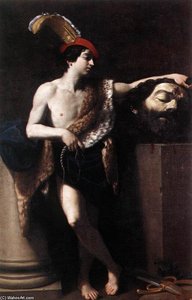
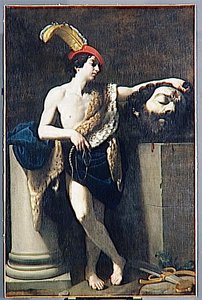
Guido Reni’s “David with the Head of Goliath,” painted in 1605, is more than just a biblical scene; it's a profound meditation on victory, vulnerability, and the weight of triumph. This arresting work, currently housed within the Uffizi Gallery in Florence, exemplifies the artist’s signature brand of elegant classicism – a style that sought to recapture the idealized beauty and balanced compositions of the Renaissance masters while imbuing them with a distinctly Baroque emotional intensity.
The painting depicts the aftermath of David's legendary defeat of Goliath. Reni doesn’t portray the triumphant, celebratory victory often depicted in earlier works. Instead, we see a young David, rendered with remarkable anatomical precision and a subtle grace, contemplating the severed head of his colossal foe. He stands not as a conquering hero, but as a figure caught in quiet contemplation, holding aloft the gruesome trophy – a stark contrast to the boisterous energy typically associated with this narrative.
A Study in Light and Shadow: Reni’s Technique
Reni's mastery lies in his skillful manipulation of light and shadow. The scene is bathed in a diffused, almost ethereal glow, emanating from an unseen source – perhaps the moon, as suggested by the subtle illumination on David’s face and clothing. This carefully orchestrated lighting draws our attention to the central figures while simultaneously creating a sense of depth and drama within the composition. The artist employs a technique reminiscent of Renaissance masters like Raphael, but with a heightened sensitivity to color and texture. Note the rich velvet cloak draped around David's shoulders, contrasted against the smoother, more polished skin tones – a deliberate choice that emphasizes the youthfulness and vulnerability of the hero.
Furthermore, Reni’s use of *chiaroscuro*—the dramatic contrast between light and dark—is particularly noteworthy. The stark shadows cast by Goliath's head create a powerful sense of foreboding and underscore the violence of the encounter. The artist doesn’t shy away from depicting the gruesome reality of battle, yet he does so with an almost detached elegance, elevating the scene beyond mere historical record.
Symbolism and Interpretation
Beyond its literal depiction of a biblical event, “David with the Head of Goliath” is rich in symbolic meaning. The young David’s contemplative gaze suggests not just victory but also the burden of responsibility that comes with it. He's not celebrating his triumph; he's grappling with its implications. The severed head itself serves as a potent symbol of mortality and the consequences of conflict. It’s a reminder that even in moments of glorious success, there is always a cost.
Some art historians have suggested that Reni intended to convey a deeper moral message – perhaps a commentary on the dangers of hubris and pride (as embodied by Goliath). The image invites us to consider not just the external victory but also the internal struggle required to maintain humility and wisdom in the face of overwhelming power. The inclusion of the small bird, perched seemingly oblivious to the drama unfolding below, adds another layer of complexity, perhaps representing the indifference of fate or the fleeting nature of earthly glory.
A Timeless Masterpiece: Reproductions and Beyond
Guido Reni’s “David with the Head of Goliath” remains a profoundly moving and intellectually stimulating work of art. Its enduring appeal is evidenced by numerous reproductions available today, offering an opportunity to bring this Baroque masterpiece into your home or office. When selecting a reproduction, consider the quality of materials and printing techniques – ensuring that you capture the richness of Reni’s colors and the subtle nuances of his masterful brushwork. This painting continues to resonate with viewers centuries after its creation, serving as a timeless reminder of human strength, vulnerability, and the complexities of triumph.
Srodna umetnička dela
Biografija umetnika
Guido Reni (Le Guide): Život i nasleđe
Guido Reni, poznat i kao Le Guide, rođen je u Bologni, Italija, 1575. godine. Bio je jedinac Daniele Renija, muzičara, i Ginevre Pozzi, takođe iz muzičke porodice. Ovo odrastanje usadilo mu je cenjenje za harmoniju i formu koji će kasnije uticati na njegov umetnički stil. Već sa devet godina Guido je započeo svoj staž pod Denišom Kalvaertom, flamanskim slikarom koji je radio u Bologni. Studirao je zajedno s budućim aspirantima Albanijem i Domenikinom, formirajući čvrstu osnovu klasičnih principa.
Umetnička karijera i razvoj
Reni’s umetnička karijera obuhvatila je nekoliko italijanskih gradova, uključujući Rim, Napulj i njegov rodni Bologna. Njegovi rani radovi pokazali su uticaj Kalvaerta i porodice Karaci, naglašavajući anatomsku preciznost i dramatičnu kompoziciju. Međutim, Reni je brzo razvio prepoznatljiv stil karakterisan elegancijom klasicizma, rafiniranom tehnikom i emotivnim intenzitetom. Postao je dominantna figura u Bolonjskoj školi, poznatoj po naglasku na akademskom obrazovanju i idealizovanim formama.
Ključni uticaji
- Deniš Kalvaert: Renijev početni učitelj obezbedio mu je čvrstu osnovu u flamanskim slikarskim tehnikama.
- Porodica Karaci (Anibal, Agostino, Ludoviko): Njihov naglasak na klasičnoj umetnosti i anatomskim studijama duboko je uticao na njegov umetnički razvoj.
- Rafael: Reni se divio Rafaelovoj gracioznosti i harmoničnim kompozicijama, što je vidljivo u mnogim njegovim radovima.
Glavna dela i umetnički stil
Reni’s opus obuhvata širok spektar tema, uključujući religijske scene, mitološke priče i alegorijske predstave. Neka od njegovih najpoznatijih dela uključuju:
- Apollon na sunčanoj kočiji (Albertina, Beč): Dinamičan crtež koji pokazuje Renijevo majstorstvo u baroknom stilu.
- Sveti Jakov Veliki: Demonstrira njegovu veštinu u hvatanju verskog žara i ljudskih emocija.
- Atalanta i Hipomen (Palata Kapodimonte, Napulj): Primer njegovih mitoloških slika, karakterizovanih gracioznim figurama i dramatičnim pripovedanjem.
- Sveti Jeronim: Svedoči Renijevoj sposobnosti da uravnoteži kompoziciju sa emotivnom dubinom.
- Tarantella (Palata Kapodimonte, Napulj): Ilustruje njegov uticaj na italijansku kulturu narodnog plesa.
Renijev stil se često opisuje kao eklektični klasicizam. Spojio je preciznost klasične umetnosti sa dinamikom i emocijama baroknog perioda. Njegove figure su obično idealizovane, posedujući mirnu lepotu i graciozan pokret.
Istorijski značaj i nasleđe
Guido Reni je igrao ključnu ulogu u oblikovanju razvoja visokog baroka u Italiji. Uticao je na generacije umetnika svojom rafiniranom tehnikom, elegantnim kompozicijama i emotivnom dubinom. Njegovi radovi se mogu pronaći u istaknutim muzejima širom sveta, uključujući Palatu Kapodimonte u Napulju. Renijevo nasleđe se proteže dalje od slikarstva; bio je takođe pesnik i poštovani intelektualac svog vremena.
Njegova umetnost nastavlja da inspiriše umetnike i ljubitelje umetnosti danas, učvršćujući njegov položaj kao jednog od najvažnijih slikara 17. veka. Njegov uticaj se može videti u kasnijim baroknim umetnicima koji su težili da oponašaju njegovu gracioznost i emotivnu snagu.
Smrt
Guido Reni umro je u Bologni 1642. godine, ostavljajući iza sebe bogato umetničko nasleđe koje nastavlja da očarava publiku vekovima kasnije.
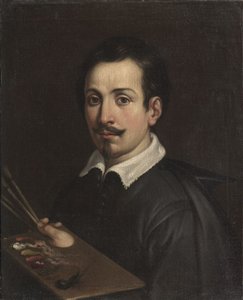
Гвидо Рени
1575 - 1642 , Италија
Osnovne informacije
- Artistic Movement Or Style: Visoki barok, Bolonjska škola
- Artists Or Movements Influenced By This Artist: Generacije umetnika
- Artists Who Influenced This Artist:
- Denis Calvaert
- Braća Karaci
- Date Of Birth: 1575
- Date Of Death: 1642
- Full Name: Guido Reni (Le Guide)
- Nationality: Italijan
- Notable Artworks (List Of Titles):
- Apollo na Sunčanoj kočiji
- Sveti Jakov Veliki
- Atalanta i Hipomen
- Place Of Birth (City And Country): Bologna, Italija
Povezani članci
Guido Reni: A Study in Baroque Classicism & Artistic Perfection
Explore the life & work of Guido Reni, a master of Baroque classicism. Discover his iconic religious & mythological paintings, and understand his enduring influence on art history. Expert analysis for collectors.
Simon Vouet: A Baroque Master's Journey from Italian Influence to French Classicism
Explore the life & art of Simon Vouet, a pivotal French Baroque painter who introduced Italian styles to France. Discover his masterpieces and lasting influence on 17th-century art.

Барокна драма: Уношење величине и емоција у савремене ентеријере
Откријте барокну драму и унесите величину у ваш ентеријер! ArtsDot нуди ручно насликане репродукције, персонализоване портрете и стручне консултације за љубитеље класичне уметности. Потражите савршено дело већ данас!

Barok Majstor dela: Top 10 Umjetničkih Remeka za Vaš Dom
Otkrijte 10 remek dela koja su definisala baroknu umetnost! Karavagio, Bernini i više – istražite priče iza ovih ikoničnih slika. Inspiracija za vaš dom? Pogledajte kolekciju na ArtsDot.com!

The Dramatic Flourish: Exploring the Baroque Movement's Enduring Legacy in Art History
Explore the dramatic world of Baroque art! Discover iconic artists like Caravaggio & Rubens, defining techniques, and its lasting impact on art history. Expert insights for collectors & enthusiasts at ArtsDot.