

 Pregledaj u prostoru
 Pošalji
 Podeli
 Detalji o delu

 Преузми
 Slični predmeti
 Rendgenski snimak
 Slajdovi
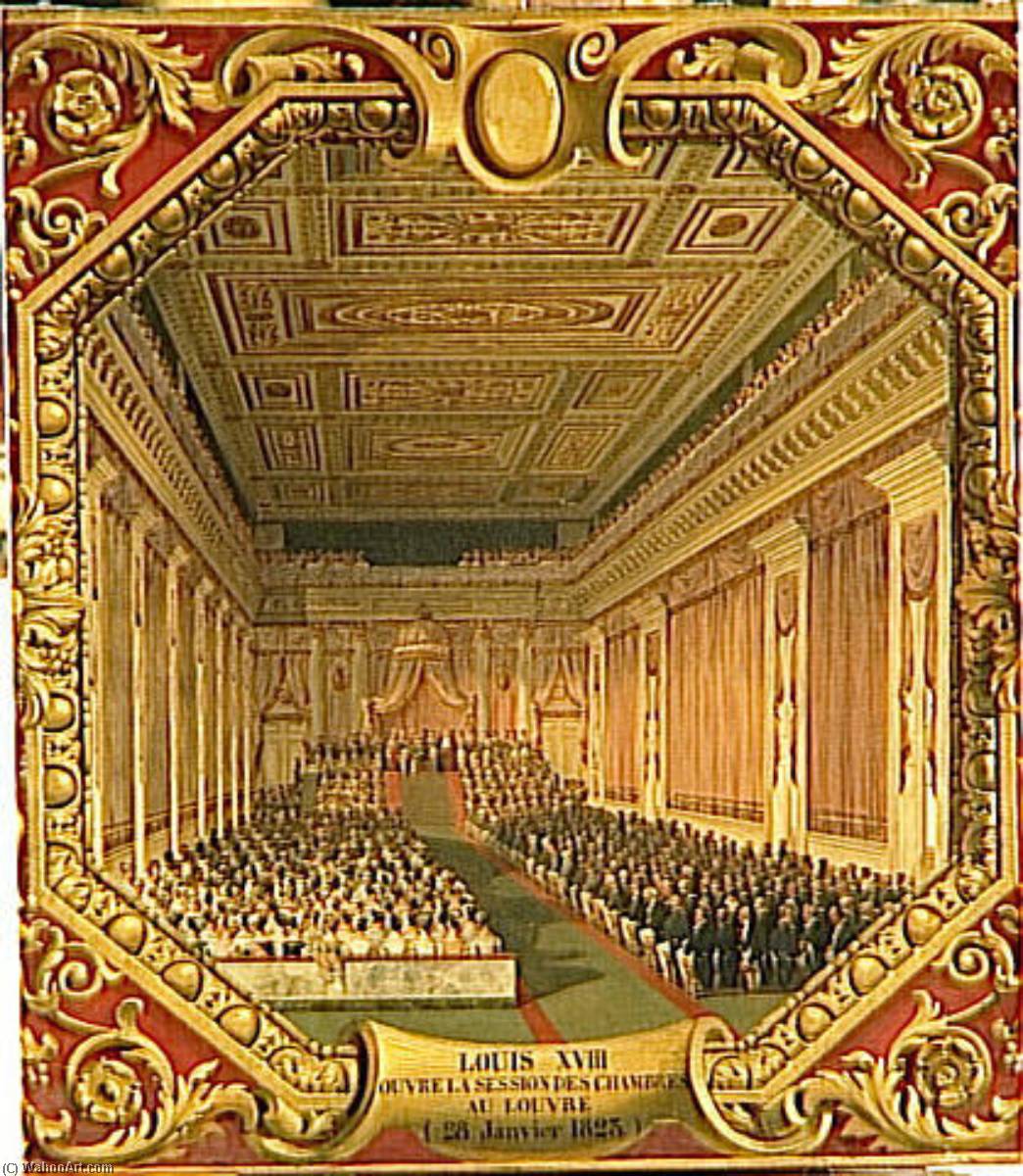
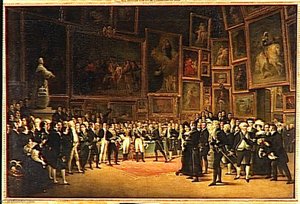
SEANCE ROYALE POUR L'OUVERTURE DE LA SESSION DES CHAMBRES AU LOUVRE, 28 JANVIER 1823

 Pročitaj više
Giclee štampa / Umetnički otisak
Giclée štampa ili print na platnu muzejskog kvaliteta uz brzu proizvodnju i fleksibilne opcije završne obrade. ( Kupi ručno naslikanu sliku Kupi digitalnu sliku)




































Izaberite jednu od naših unapred definisanih veličina koje odgovaraju originalnim proporcijama umetničkog dela.

Možete uneti sopstvene dimenzije kako biste umetničko delo prilagodili specifičnom okviru ili prostoru. Ako odabrani format ne odgovara proporcijama originalne slike, mi ćemo ili iscrtati deo dela ili proširiti sliku pomoću ogledane ivice ili jednobojnog popunjavanja. Digitalni prikaz će vam biti poslat na odobrenje pre početka proizvodnje.
Imajte na umu da pregled na ekranu ne odražava stvarno iscrtavanje ili proširivanje. Samo će prikaz (mockup) precizno pokazati finalnu kompoziciju.
Iako su prilagođene dimenzije dostupne, preporučujemo da odaberete dimenziju sa unapred definisane liste kako biste očuvali originalne proporcije.
Dostava širom sveta () za 2 nedelje umesto uobičajenih 4/5 nedelja. (26 август)

Besplatna ekspresna dostava širom sveta

Visokokvalitetno laneno platno

Kompletno osiguranje transporta

Garancija povraćaja carine i uvoznih dažbina

Garancija vernosti boja

Politika povrata u roku od 60 dana (samo u slučaju nedostataka)

Garancija povrata novca od 100%

Popust pri grupnoj kupovini
 Opcija sa staklom dostupna je samo za dimenzije manje od 110 cm

SEANCE ROYALE POUR L'OUVERTURE DE LA SESSION DES CHAMBRES AU LOUVRE, 28 JANVIER 1823
Giclee štampa / Umetnički otisak
Dimenzije reprodukcije
-


Konačna cena
$ 62
Srodna umetnička dela

Biografija umetnika
The Romantic Vision of Charles-Caïus Renoux
In the heart of nineteenth-century Paris, a period defined by both revolutionary upheaval and a profound longing for the past, Charles-Caïus Renoux emerged as a master of historical memory. Born in 1795, Renoux did not merely paint scenes; he resurrected eras. His artistic journey was deeply intertwined with the Romantic movement, a period that sought to find beauty in the melancholic decay of antiquity and the dramatic tension of human history. While much of his early life remains shrouded in the quiet shadows of history, his training at the prestigious École Royale Supimeure des Beaux-Arts provided him with the technical foundation necessary to translate grand historical narratives onto canvas with both precision and passion.
Renoux’s early career was marked by a poignant fascination with the architectural remnants of France. He found profound inspiration in the ruins of cloisters and monasteries—structures that had been ravaged during the French Revolution. Through his brush, these broken stones and hollowed arches were imbued with a spiritual weight, capturing the Troubadour style that would become his hallmark. His ability to render the solemn beauty of ruined churches allowed him to tap into a collective national nostalgia, making him a vital voice in an era obsessed with reclaiming its medieval heritage.
Mastery of Light and the Diorama
The technical brilliance of Renoux lay in his sophisticated use of atmospheric lighting and a muted, evocative palette. He possessed a rare ability to manipulate light to suggest the passage of time or the weight of a historical moment. This mastery was not limited to traditional oil painting; Renoux was also a skilled lithographer and illustrator, talents that allowed him to explore different textures and scales of storytelling. His work often balanced meticulous architectural detail with an emotional intensity that prioritized the "feeling" of a scene over mere photographic realism.
As his career progressed, Renoux pushed the boundaries of visual storytelling by venturing into the creation of spectacular dioramas. These large-scale, immersive works were essentially the "moving pictures" of his age, offering audiences a theatrical experience that blended painting with light and shadow to create an illusion of depth and motion. This transition from static canvas to dynamic spectacle demonstrated his evolution from a painter of ruins to a creator of entire worlds. His work in this medium was uniquely prepared by his earlier experiences painting large-scale battle scenes and landscapes, which taught him the complexities of compositional grandeur.
Legacy and Artistic Influence
The influence of Renoux can be traced through the lineage of French Romanticism, drawing strength from the expressive brushwork of Eugène Delacroix and the naturalistic sensibilities of Théodore Rousseau. He was a bridge between the classical traditions of the past and the burgeoning theatricality of the nineteenth century. His role as an educator at the École des Beaux-Arts further cemented his legacy, as he passed his technical expertise to notable students such as Narcisse Berable and Hector Hanoteau.
Renoux’s contributions to art can be summarized through several key pillars of his career:
- Historical Preservation: His paintings served as visual chronicles of medieval architecture, preserving the memory of structures lost to revolution.
- The Troubadour Aesthetic: He perfected a style that blended historical accuracy with romanticized, emotional narratives.
- Innovation in Media: Through his dioramas, he pioneered immersive, multi-sensory art forms that predated modern cinematic techniques.
- Educational Impact: As a professor, he helped shape the next generation of French painters, ensuring the continuity of classical and romantic techniques.
Though his life was relatively short, ending in 1846, Charles-Caïus Renoux left behind a body of work that continues to haunt and inspire. His ability to find life within ruins and drama within the stillness of a cloister ensures that his name remains etched in the annals of French art history, reminding us that even in decay, there is an enduring, magnificent beauty.
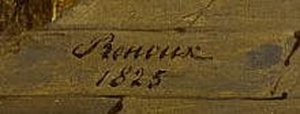
renoux charles caius
1795 - 1846
Osnovne informacije
- Artistic Movement Or Style: Romantic Troubadour Style
- Artists Who Influenced This Artist:
- Eugène Delacroix
- Caspar David Friedrich
- Date Of Birth: 1795
- Date Of Death: 1846
- Full Name: Charles Caius Renoux
- Nationality: French
- Notable Artworks:
- Siege de Luxembourg
- Mariage du Duc de Berry et de Caroline
- Traité conclu entre les Croises et les Venitiens dans l’Église de Saint Marc
- Place Of Birth: Paris, France

