

 Pošalji
 Podeli
 Detalji o delu

 Преузми
 Slični predmeti
 Slajdovi
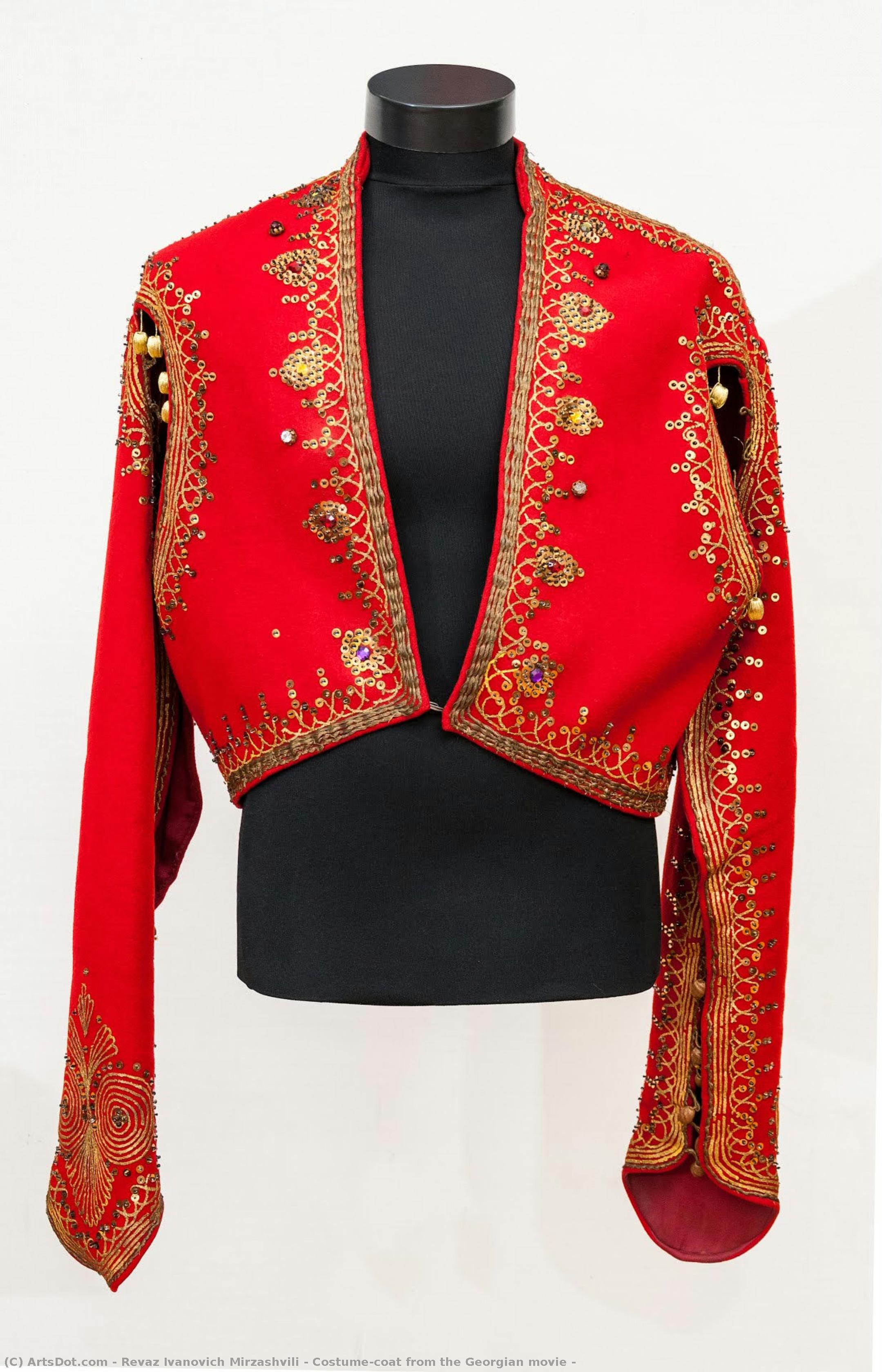
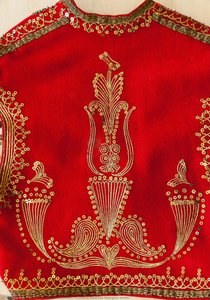
Costume/coat from the Georgian movie


 Pročitaj više
Kupite digitalnu sliku visoke rezolucije i poboljšanog kvaliteta, koja je znatno superiornija od onoga što vidite u online prikazu.
Svaka datoteka je pedantno pripremljena od strane naših stručnjaka koristeći napredne alate i profesionalnu ručnu retušu. Osiguravamo da svaka slika ima izuzetnu oštrinu, preciznu reprodukciju boja i fine detalje.
Konačna datoteka se dostavlja putem e-pošte u roku od 72 sata, optimizovana za neposrednu upotrebu u profesionalnim, izdavačkim i štamparskim okruženjima. To je isti kvalitet kojem veruju vrhunski studiji dizajna, izdavači i galerije.
Digitalna slika
Preuzmite datoteku visoke rezolucije za ličnu upotrebu, štampanje i kreativne projekte. ( Kupi print Kupi ručno naslikanu sliku)
Uključeno uz svaku porudžbinu digitalne slike
Profesionalna digitalna isporuka, zagarantovana
Kada odaberete ArtsDot.com, ne dobijate samo sliku – vi primate profesionalno unapređeno digitalno umetničko delo, izrađeno sa najvećom preciznošću i uz garanciju zadovoljstva. Evo svega što automatski dolazi uz vašu porudžbinu:

Brza dostava putem e-pošte
Vaša digitalna slika visoke rezolucije biće vam poslata putem e-pošte u roku od 72 sata od poručivanja – spremna za trenutnu upotrebu.

Digitalna datoteka unapređena veštačkom inteligencijom
Vaše umetničko delo je profesionalno optimizovano korišćenjem naprednih AI alata i ručne obrade, čime se osiguravaju maksimalni detalji, oštrina i preciznost boja.

Besplatna ponovna isporuka doživotno
Slučajno ste obrisali ili izgubili svoju datoteku? Ne brinite – poslaćemo vam je ponovo u bilo kom trenutku, potpuno besplatno.

Bez troškova uvoza – zauvek
Uživajte u svojim umetničkim delima trenutno, bez carine, dažbina ili troškova dostave – digitalni download je uvek bez poreza.

Garancija vernosti boja
Uz pomoć profesionalnih alata i upravljanja bojama, osiguravamo da vaša digitalna slika što vernije odražava originalne boje.

Garancija zadovoljstva u roku od 60 dana
Ako niste zadovoljni svojom digitalnom slikom, revidirat ćemo je ili vratiti 100% novca u roku od 60 dana – bez ikakvih pitanja.

100% garancija povrata novca
Niste zadovoljni? Obezbedite pun povrat novca u roku od 60 dana od trenutka kada ste primili svoju digitalnu datoteku – bez suvišnih pitanja.

Popusti na velike porudžbine
Kupite 3 slike, uštedite 10% - Kupite 5 slika, uštedite 15% - Kupite 10+ slika, uštedite 20%. Odlično za kreativne projekte, galerije i agencije.
A Tapestry of Georgian Heritage
In the realm of cinematic history, few artifacts capture the soul of a culture as vibrantly as this exquisite red bolero, a costume designed by the legendary Revaz Ivanovich Mirzashvili for a 1959 Georgian film production. This garment is not merely a piece of clothing; it is a wearable masterpiece that serves as a window into the opulent traditions of Georgia. The jacket, rendered in a breathtakingly deep crimson, commands immediate attention, acting as a focal point of intense color and cultural pride. Against its stark, minimalist background, the coat emerges with a sculptural presence, inviting the viewer to contemplate the intersection of film history and folk artistry.
The craftsmanship displayed in this piece is nothing short of extraordinary, showcasing a meticulous technique that blends the precision of production design with the soul of traditional hand-sewing. Every inch of the silk base is transformed through an intricate dance of gold and silver threads, creating a textured landscape of light and shadow. The use of appliqué and dense beadwork introduces a tactile dimension to the work, where geometric stars and diamonds interlace seamlessly with flowing floral motifs. This rhythmic pattern of curvilinear lines creates a sense of movement even in stillness, as if the garment itself were breathing with the energy of the era from which it sprang.
Symbolism and Cinematic Splendor
Beyond its physical beauty, the costume carries profound symbolic weight. The choice of red—a color synonymous with passion, vitality, and royal lineage—suggests a character of significant status and strength. The metallic embellishments do more than just catch the light; they represent the wealth and enduring cultural heritage of the Georgian people. As an artifact of the mid-twentieth century, it reflects a period when art directors like Mirzashvili used costume to build immersive worlds, using texture and luster to communicate narrative depth without a single word being spoken.
For the discerning collector or interior designer, this piece offers more than just visual decoration; it provides an emotional anchor. The sheer opulence of the embroidery evokes a sense of nostalgia for the golden age of cinema and a deep respect for the artisanal traditions that are often lost in the modern age. Whether reimagined as a high-quality reproduction in a gallery setting or used as inspiration for luxurious textile design, this work continues to radiate an aura of prestige and artistic mastery, making it a timeless addition to any collection dedicated to the beauty of global heritage.
Srodna umetnička dela
Biografija umetnika
Henri de Toulouse-Lautrec: A Life Painted in Shadow and Light
Henri de Toulouse-Lautrec (1864–1901) remains one of the most captivating figures in late nineteenth-century Parisian art. More than just a painter, he was an artist inextricably linked to his own life—a brooding aristocrat grappling with physical deformity, alcoholism, and a profound fascination with the marginalized corners of society. His work, initially dismissed as bohemian eccentricity, now stands as a cornerstone of modernism, influencing generations of artists with its raw emotion, unconventional subject matter, and groundbreaking use of printmaking. Born into privilege but burdened by a genetic condition that stunted his growth and caused chronic pain, Lautrec’s life was a complex tapestry woven from artistic ambition, personal struggle, and the vibrant, often scandalous, nightlife of Montmartre.
Lautrec's early years were shaped by a delicate balance between aristocratic upbringing and physical limitations. Born into a family with a history of consanguinity—his parents were first cousins—he inherited a genetic condition that resulted in severely shortened legs, rendering him perpetually stooped and giving him an arresting, almost dwarf-like appearance. Despite this physical challenge, he was encouraged to pursue his artistic interests by his father, René Princeteau, a respected artist who taught him the fundamentals of drawing and painting. This early training laid the foundation for Lautrec’s distinctive style, characterized by loose brushwork, bold colors, and an expressive use of line. He attended the Académie Julian in Paris, studying under Léon Bonnat and Fernand Cormon, absorbing traditional academic techniques while simultaneously developing his own unique vision.
- Early Influences: Lautrec’s artistic development was profoundly influenced by Impressionism and Post-Impressionism. He admired the work of artists like Degas and Monet, particularly their ability to capture fleeting moments and convey a sense of atmosphere.
- The Montmartre Scene: In 1886, Lautrec moved to Montmartre, the bohemian heart of Paris, where he immersed himself in the vibrant world of cabaret, dance halls, and artists’ studios. This environment provided him with an endless source of inspiration for his paintings and posters.
- A Unique Perspective: Lautrec's art is distinguished by its unflinching portrayal of Parisian life—the dancers, prostitutes, musicians, and drinkers who populated the city's nightlife. He depicted these subjects with a mixture of empathy and detachment, capturing their beauty, vulnerability, and often-desperate circumstances.
The World of Posters and Printmaking
While Lautrec is best known for his paintings, he made significant contributions to the world of printmaking. He pioneered the use of lithography—a technique that allowed him to produce multiple prints from a single stone—and developed a distinctive style characterized by bold colors, dynamic compositions, and a sense of movement. His posters, commissioned by cabarets like Moulin Rouge and La Paix, were particularly innovative, transforming ordinary advertisements into works of art. These posters weren’t simply promotional material; they were vibrant celebrations of the performers and the atmosphere of the venues.
- Moulin Rouge Posters: Lautrec's posters for the Moulin Rouge are among his most iconic creations. He captured the energy and excitement of the cabaret with a series of striking images featuring the legendary dancer Jane Avril.
- Lithographic Technique: Lautrec’s mastery of lithography allowed him to experiment with color, texture, and composition in ways that were not possible with traditional painting techniques.
- A New Form of Advertising: Lautrec's posters revolutionized advertising by elevating it to the level of art. They demonstrated the potential for printmaking to be used as a powerful medium for visual communication.
Portraits of Parisian Life
Beyond his posters, Lautrec produced a remarkable body of portraits that offer intimate glimpses into the lives of Parisians from all walks of life. He painted dancers, prostitutes, musicians, and ordinary citizens—capturing their personalities, emotions, and social status with remarkable sensitivity. His portraits are often characterized by a sense of immediacy and spontaneity, as if he were capturing his subjects in the act of living.
- The Dancers: Lautrec’s paintings of dancers—particularly Jane Avril and Gus Manon—are among his most celebrated works. He depicted these women with a mixture of admiration and melancholy, revealing their beauty, vulnerability, and the precariousness of their lives.
- Prostitutes and Streetwalkers: Lautrec's portrayal of prostitutes and streetwalkers was controversial at the time, but it also offered a sympathetic perspective on these marginalized members of society. He depicted them with dignity and respect, challenging conventional attitudes towards sexuality and poverty.
- A Social Observer: Lautrec’s portraits are not merely representations of his subjects; they are reflections of his own social observations and artistic sensibilities.
Legacy and Influence
Henri de Toulouse-Lautrec died in 1901 at the young age of thirty-six, a victim of alcoholism and syphilis—conditions exacerbated by his physical deformity. Despite his tragically short life, his work had a profound impact on the development of modern art. His innovative use of printmaking, his unconventional subject matter, and his raw emotional honesty paved the way for future generations of artists, including Pablo Picasso, Henri Matisse, and Andy Warhol. Lautrec’s legacy continues to inspire artists today, reminding us of the power of art to challenge conventions, explore human experience, and capture the essence of a particular time and place. His work remains a testament to the enduring appeal of his unique vision—a world painted in shadow and light, beauty and sorrow, and ultimately, unforgettable humanity.
revaz ivanovich mirzashvili
1901 - 1988 , Georgia
Kratke činjenice
- Artistic Movement Or Style: Post-Impressionism
- Artists Or Movements Influenced By This Artist:
- Post-Impressionism
- Art Nouveau
- Artists Who Influenced This Artist:
- Edgar Degas
- Vincent van Gogh
- Date Of Birth: December 29, 1864
- Date Of Death: October 27, 1901
- Full Name: Henri de Toulouse-Lautrec
- Nationality: French
- Notable Artworks:
- Moulin Rouge
- At the Moulin Rouge
- La Gamins de Paris
- Jane Avril
- Place Of Birth: Montpellier, France

