

 Pregledaj u prostoru
 Pošalji
 Podeli
 Detalji o delu

 Преузми
 Slični predmeti
 Rendgenski snimak
 Slajdovi
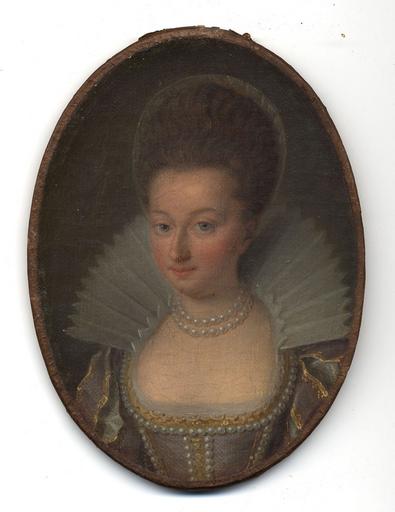
Portrait de Charlotte Catherine de La Trémoille, princesse de Condé
 Pročitaj više
Ručno rađena uljana reprodukcija
Ručno oslikano uljanim bojama na platnu u dimenzijama i okviru po vašem izboru, izrađeno po porudžbini od strane naših umetnika. ( Kupi print Kupi digitalnu sliku)




































Izaberite jednu od naših unapred definisanih veličina koje odgovaraju originalnim proporcijama umetničkog dela.

Можете унети сопствене димензије како бисте прилагодили дело одређеном оквиру или простору. Ако одабрана величина не одговара пропорцијама оригинала, слика ће бити исечена или проширена додатним елементима који се ручно насликавају. Дигитални prikaz ће вам бити послат на одобрење пре почетка производње.
Имајте на уму да преглед на екрану не одражава стварно исецање или проширење. Само приказ (mockup) ће тачно приказати коначну композицију.
Иако су доступне прилагођене величине, препоручујемо да одаберете димензију из дефинисане листе како бисте сачували оригиналне пропорције.
Nakon narudžbine, tim ArtsDot.com će klijentu putem e-pošte poslati uputstva i dostaviti prikaz predloženog rešenja
Isporuka širom sveta () za 3/4 nedelje umesto uobičajenih 5 nedelja. (3 септембар). Bez kompromisa po pitanju kvaliteta.

Besplatna ekspresna dostava širom sveta

Visokokvalitetno laneno platno

Kompletno osiguranje transporta

Garancija povraćaja carine i uvoznih dažbina

Garancija vernosti boja

Politika povrata u roku od 60 dana (samo u slučaju nedostataka)

Garancija povrata novca od 100%

Popust pri grupnoj kupovini
 Opcija sa staklom dostupna je samo za dimenzije manje od 110 cm

Portrait de Charlotte Catherine de La Trémoille, princesse de Condé
Tehnika reprodukcije
Dimenzije reprodukcije
-


Konačna cena
$ 263
Srodna umetnička dela







Biografija umetnika
The Dream Weaver: Jean-Marie Ribou and the Symbolist Portrait
Jean-Marie Ribou, a name perhaps less familiar than many of his contemporaries, nevertheless stands as a significant figure within the burgeoning world of 18th-century French art. Born in Bordeaux around 1744, Ribou’s career unfolded during a period of profound artistic transition—moving away from the rigid formality of the Rococo and tentatively embracing the nascent currents of Symbolism. While he did not fully align with the movement's later, more overtly emotional expressions, his work possessed a haunting beauty and psychological depth that foreshadowed its development, making him a crucial bridge between these two stylistic eras.
Ribou’s early training remains somewhat shrouded in mystery, though it is believed he received instruction within the workshop of Jean-Baptiste-Simon Sue, a prominent Parisian painter known for his portraits of royalty and nobility. This exposure to established techniques undoubtedly shaped Ribou’s foundational skills: meticulous detail, refined color palettes, and an understanding of formal composition. However, Ribou quickly distinguished himself through a subtle yet powerful approach to capturing the inner lives of his subjects. Unlike the often-superficial portrayals of wealth and status prevalent at the time, Ribou sought to reveal something deeper—a sense of melancholy, introspection, or quiet dignity. This was achieved not through overt dramatic gestures but through carefully observed nuances in expression, posture, and the subtle play of light and shadow.
Mastery of the Miniature and Aristocratic Elegance
The legacy of Jean-Marie Ribou rests primarily in his exquisite portraiture, particularly his miniature paintings, which offered intimate glimpses into the lives of aristocratic families and individuals. His subjects were largely drawn from the upper echelons of French society—members of noble families like the Rohan, Condé, and Bourbon dynasties. He painted portraits of queens, princes, and princesses, capturing their beauty with a precision that felt both regal and deeply personal.
His technical prowess allowed him to navigate various stylistic nuances across his career:
- Rococo Elegance: In works such as his portrait of Charlotte Godefred Elisabeth de Rohan Soubise, he captured the delicate charm and refined beauty characteristic of the era.
- Symbolist Foreshadowing: His ability to infuse portraits with a dreamlike, psychological weight, seen in pieces like the Portrait de Charlotte Marguerite de Montmorency, hinted at the emotional complexities of future movements.
- Historical Depth: Even when depicting figures from earlier eras, such as his miniature of Anne d'Autriche, he maintained a sense of timelessness and aristocratic grace.
A Lasting Historical Significance
As the 18th century gave way to the 19th, Ribou’s work remained a testament to the transition of French identity. His ability to blend the meticulousness of the miniature tradition with an emerging interest in the human psyche ensured his place in the annals of art history. Though he passed away in 1817, his influence persists through the collections that house his delicate treasures, such as the Musée National Henner and the Musée Condé.
Ultimately, Jean-Marie Ribou was more than a mere chronicler of faces; he was an artist who understood that a portrait is not just a record of appearance, but a window into the soul. Through his mastery of light, shadow, and subtle expression, he transformed the small scale of the miniature into a vast landscape of human emotion, leaving behind a body of work that continues to captivate those drawn to the quiet mysteries of the past.
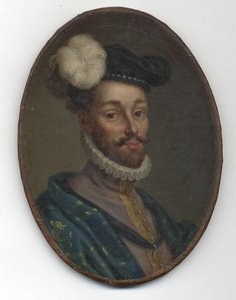
ribou jean marie
1744 - 1817
Osnovne informacije
- Artistic Movement Or Style: Symbolism
- Artists Or Movements Influenced By This Artist: ['Rococo']
- Artists Who Influenced This Artist: ['Jean-Marc Nattier']
- Date Of Birth: 1744
- Date Of Death: 1817
- Full Name: Jean-Marie Ribou
- Nationality: Alsatian
- Notable Artworks:
- Portrait de Charlotte Godefred Elisabeth de Rohan Soubise
- Portrait de Anne d’Autriche
- Portrait de Antoine de Bourbon
- Place Of Birth: Bordeaux, France

