

 Pregledaj u prostoru
 Pošalji
 Podeli
 Detalji o delu

 Преузми
 Slični predmeti
 Rendgenski snimak
 Slajdovi
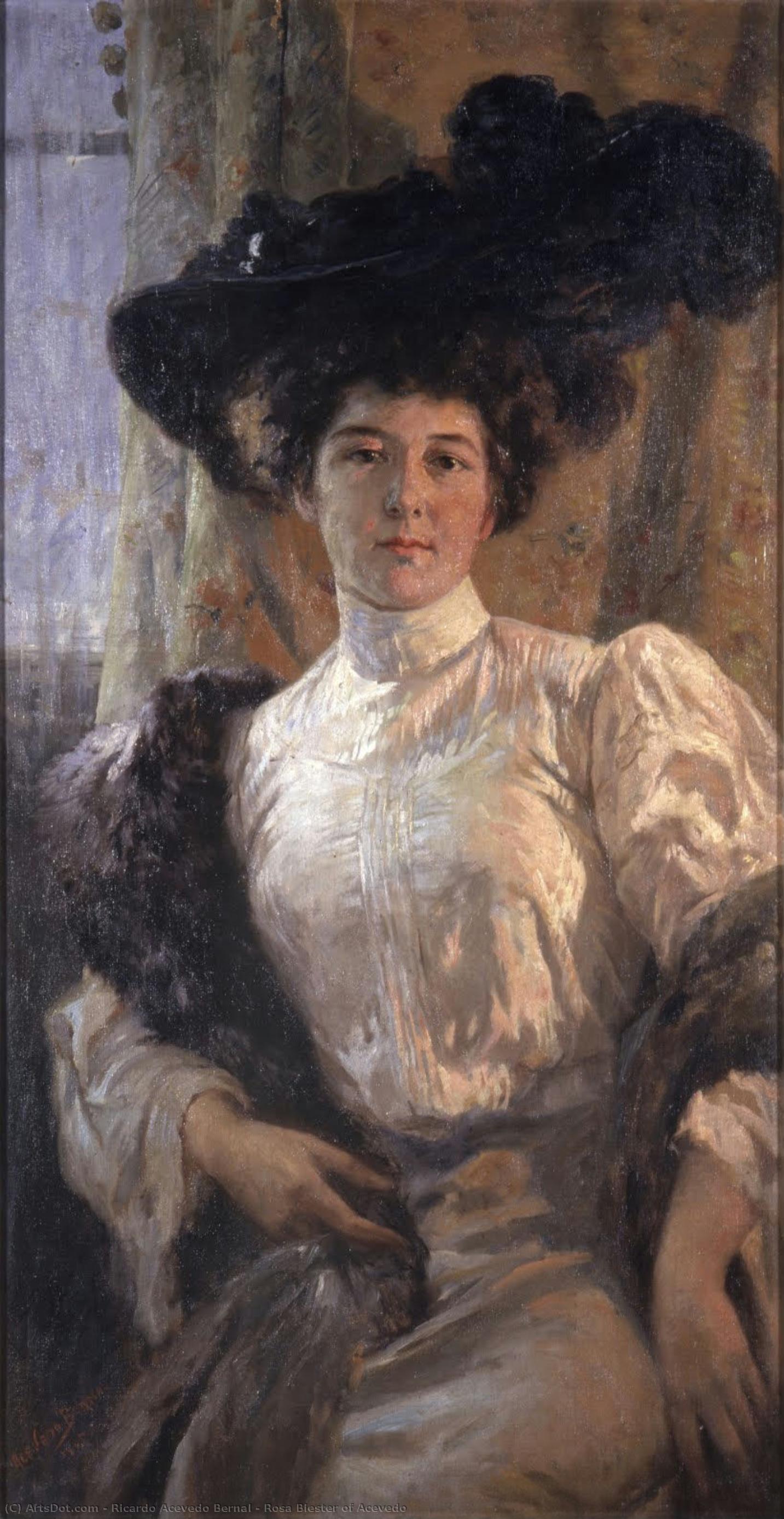
Rosa Biester of Acevedo
 1905
1905 5.0 x 5.0 cm
 Nacionalni muzej u Kolumbiji
 Pročitaj više
Ručno rađena uljana reprodukcija
Ručno oslikano uljanim bojama na platnu u dimenzijama i okviru po vašem izboru, izrađeno po porudžbini od strane naših umetnika. ( Kupi print Kupi digitalnu sliku)




































Izaberite jednu od naših unapred definisanih veličina koje odgovaraju originalnim proporcijama umetničkog dela.

Можете унети сопствене димензије како бисте прилагодили дело одређеном оквиру или простору. Ако одабрана величина не одговара пропорцијама оригинала, слика ће бити исечена или проширена додатним елементима који се ручно насликавају. Дигитални prikaz ће вам бити послат на одобрење пре почетка производње.
Имајте на уму да преглед на екрану не одражава стварно исецање или проширење. Само приказ (mockup) ће тачно приказати коначну композицију.
Иако су доступне прилагођене величине, препоручујемо да одаберете димензију из дефинисане листе како бисте сачували оригиналне пропорције.
Nakon narudžbine, tim ArtsDot.com će klijentu putem e-pošte poslati uputstva i dostaviti prikaz predloženog rešenja
Isporuka širom sveta () za 3/4 nedelje umesto uobičajenih 5 nedelja. (6 септембар). Bez kompromisa po pitanju kvaliteta.

Besplatna ekspresna dostava širom sveta

Visokokvalitetno laneno platno

Kompletno osiguranje transporta

Garancija povraćaja carine i uvoznih dažbina

Garancija vernosti boja

Politika povrata u roku od 100 dana (samo u slučaju nedostataka)

Garancija povrata novca od 100%

Popust pri grupnoj kupovini
 Opcija sa staklom dostupna je samo za dimenzije manje od 110 cm

Rosa Biester of Acevedo
Tehnika reprodukcije
Dimenzije reprodukcije
-


Konačna cena
$ 263
Srodna umetnička dela








Biografija umetnika
Pierre Bonnard: A Painter of Intimate Light
Born in Fontenay-aux-Roses, a charming suburb just outside Paris, on October 3rd, 1867, Pierre Bonnard was not initially destined for the art world. His father, Eugène Bonnard, held a position within the French Ministry of War, and young Pierre was steered towards a legal career – he even earned a license in law. However, a deep-seated passion for drawing and watercolor, nurtured by his mother, Élisabeth Mertzdorff, and further encouraged during childhood excursions to their family’s country estate, ultimately led him down a different path. This early exposure to the beauty of nature and the tactile pleasure of creating images would profoundly shape his artistic vision.
Bonnard's formal training began at the Académie Julian in Paris, where he encountered fellow artists who would become lifelong friends and collaborators – Paul Sérusier, Édouard Vuillard, and later, Maurice Denis. These formative years were crucial, exposing him to the burgeoning artistic currents of the time and providing a foundation for his distinctive style. He was particularly influenced by the works of Impressionism, but quickly moved beyond its limitations, seeking a more subjective and emotionally resonant approach.
A pivotal moment in Bonnard’s development occurred with his encounter with the *Nabis* group – “The Prophets” – a collective of avant-garde artists who rejected academic conventions and sought to express their inner visions through color and form. Inspired by the prints of Hokusai, particularly the dynamic compositions and bold use of perspective, Bonnard embraced this radical approach, experimenting with flattened space, simplified forms, and an intense palette. This period saw him move away from realistic representation towards a more decorative and symbolic language.
The Nabis and Early Innovations
Joining the *Nabis* in 1888, Bonnard’s work began to shift dramatically. He moved beyond mere observation of reality, instead focusing on capturing fleeting moments of emotion and atmosphere. His early paintings often depicted domestic scenes – interiors filled with comfortable furniture, intimate portraits of family members, and glimpses of Parisian life. These works are characterized by a remarkable sensitivity to light and color, as Bonnard skillfully manipulated hues to evoke specific moods and sensations.
Bonnard’s use of color was revolutionary for his time. He abandoned the traditional Impressionist emphasis on capturing optical effects, instead employing color not just to represent objects but to express feelings and ideas. His palette became increasingly bold and expressive, utilizing vibrant reds, yellows, and blues to create a sense of warmth, intimacy, and emotional intensity. He often layered colors in unexpected combinations, creating shimmering surfaces that seemed to vibrate with life.
His early works were heavily influenced by Paul Gauguin’s use of color and symbolism, but Bonnard quickly developed his own unique style, characterized by a delicate balance between decorative elegance and emotional depth. He was particularly interested in exploring the relationship between light and shadow, often depicting objects bathed in soft, diffused light that seemed to emanate from within.
Mature Style and Recurring Themes
As Bonnard matured as an artist, his style continued to evolve, becoming increasingly refined and expressive. He began to experiment with new techniques, such as collage and printmaking, incorporating found objects and fragments of images into his paintings. His subject matter remained largely focused on domestic scenes and portraits, but he developed a distinctive visual language that was both intimate and evocative.
Recurring themes in Bonnard’s work include the beauty of everyday life, the joys and sorrows of family relationships, and the fleeting nature of time. He often depicted figures engaged in simple activities – reading, playing music, or simply enjoying each other's company – capturing a sense of quiet contentment and emotional connection. His paintings are imbued with a subtle melancholy, reflecting his own personal experiences and observations of the human condition.
Despite facing criticism during his lifetime for his unconventional style, Bonnard’s work gradually gained recognition as a major contribution to modern art. His innovative use of color, light, and form paved the way for future generations of artists, and his paintings continue to resonate with viewers today for their beauty, intimacy, and emotional depth.
Legacy and Influence
Pierre Bonnard died in La Route de Serra Capeou on January 23rd, 1947, at the age of 79. His legacy as one of the most important figures in modern art is firmly established. His influence can be seen in the work of countless artists who followed him, including Matisse, Dufy, and Nollet. Bonnard’s emphasis on color, emotion, and personal expression helped to break down the boundaries between painting and decoration, paving the way for a more subjective and expressive approach to art.
Today, Bonnard's paintings are exhibited in major museums around the world, including the Musée d'Orsay in Paris and the Metropolitan Museum of Art in New York. His work is celebrated for its beauty, originality, and enduring appeal, solidifying his place as a true master of modern art.
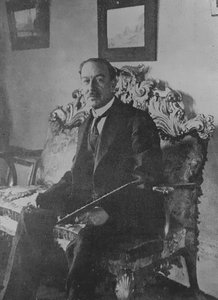
ricardo acevedo bernal
1867 - 1930 , Colombia
Osnovne informacije
- Artistic Movement Or Style: Post-Impressionism, Nabis
- Artists Or Movements Influenced By This Artist:
- Henri Matisse
- Pablo Picasso
- Artists Who Influenced This Artist:
- Paul Gauguin
- Hokusai
- Date Of Birth: 1867-10-03
- Date Of Death: 1947-01-23
- Full Name: Pierre Bonnard
- Nationality: French
- Notable Artworks:
- La Route de Serra Capeou
- Mont Sainte-Victoire
- The Large Format Basket of Apples
- Place Of Birth: Fontenay-aux-Roses, France