

 Pošalji
 Podeli
 Detalji o delu

 Преузми
 Slični predmeti
 Slajdovi
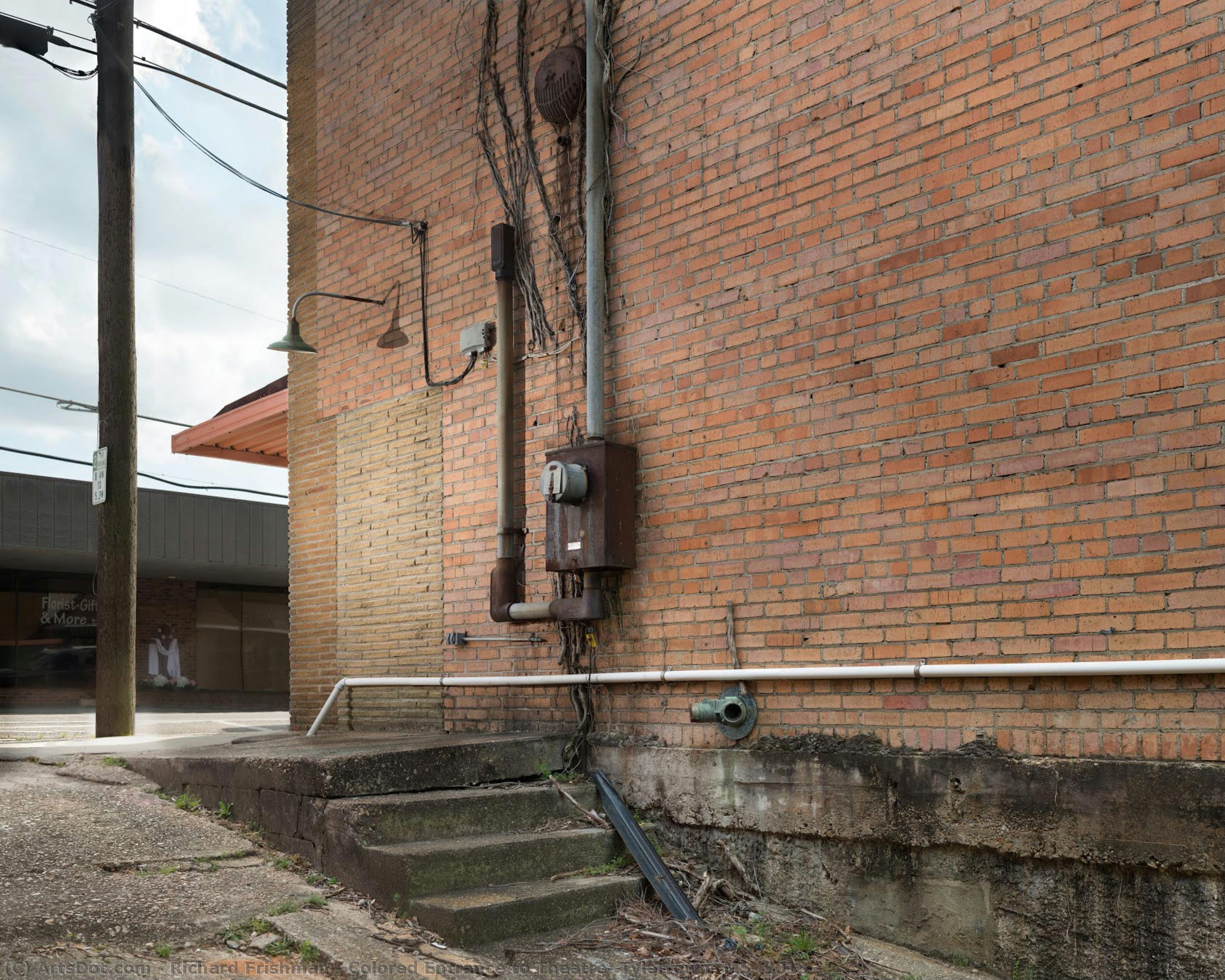
Colored Entrance to Theatre, Tylertown, MS, 2018


 Pročitaj više
Ručno rađena uljana reprodukcija
Ručno oslikano uljanim bojama na platnu u dimenzijama i okviru po vašem izboru, izrađeno po porudžbini od strane naših umetnika. ( Kupi print Kupi digitalnu sliku)




































Izaberite jednu od naših unapred definisanih veličina koje odgovaraju originalnim proporcijama umetničkog dela.

Можете унети сопствене димензије како бисте прилагодили дело одређеном оквиру или простору. Ако одабрана величина не одговара пропорцијама оригинала, слика ће бити исечена или проширена додатним елементима који се ручно насликавају. Дигитални prikaz ће вам бити послат на одобрење пре почетка производње.
Имајте на уму да преглед на екрану не одражава стварно исецање или проширење. Само приказ (mockup) ће тачно приказати коначну композицију.
Иако су доступне прилагођене величине, препоручујемо да одаберете димензију из дефинисане листе како бисте сачували оригиналне пропорције.
Nakon narudžbine, tim ArtsDot.com će klijentu putem e-pošte poslati uputstva i dostaviti prikaz predloženog rešenja
Isporuka širom sveta () za 3/4 nedelje umesto uobičajenih 5 nedelja. (27 август). Bez kompromisa po pitanju kvaliteta.

Besplatna ekspresna dostava širom sveta

Visokokvalitetno laneno platno

Kompletno osiguranje transporta

Garancija povraćaja carine i uvoznih dažbina

Garancija vernosti boja

Politika povrata u roku od 60 dana (samo u slučaju nedostataka)

Garancija povrata novca od 100%

Popust pri grupnoj kupovini
 Opcija sa staklom dostupna je samo za dimenzije manje od 110 cm

Colored Entrance to Theatre, Tylertown, MS, 2018
Tehnika reprodukcije
Dimenzije reprodukcije
-


Konačna cena
$ 263
Opis umetničkog dela
A Silent Witness to History
In his evocative photograph, Colored Entrance to Theatre, Tylertown, MS, 2018, Richard Frishman captures more than just a physical structure; he captures the lingering echoes of a divided past. The image presents a stark, monochromatic study of a brick building, where the textures of weathered masonry and industrial utility—a prominent pipe and a nearby fire hydrant—serve as the silent sentin Riens to a bygone era of segregation. Through his lens, Frishman transforms a mundane architectural corner into a profound site of remembrance, inviting the viewer to look beyond the surface of the brickwork and contemplate the social layers embedded within the American landscape.
The composition is masterfully balanced, utilizing the stark contrast of black and white to strip away the distractions of color, thereby focusing the eye on form, light, and shadow. The presence of two figures, positioned at varying depths within the frame, adds a layer of human narrative to the scene. Are they mere passersby, or are they witnesses to the ghosts of history that haunt this space? This ambiguity is where Frishman’s true skill lies, as he uses the interplay of light on the metallic surfaces and the rugged texture of the brick to create a sense of depth that feels both intimate and monumental.
The Poetics of Urban Decay and Memory
Frishman’s technique is deeply rooted in his ability to find beauty within the overlooked. By focusing on the utilitarian elements—the hose, the pipe, the hydrant—he elevates the "unseen" parts of our urban environment to the status of fine art. This approach resonates deeply with collectors and interior designers alike, as the piece offers a sophisticated, contemplative presence that complements modern, minimalist, or industrial-inspired decor. The photograph does not shout; instead, it whispers, making it an ideal centerpiece for spaces designed for reflection and intellectual engagement.
Symbolically, the work serves as a bridge between the architectural reality of Mississippi and the heavy historical weight of its social legacy. The "Colored Entrance" mentioned in the title acts as a poignant reminder of the systemic boundaries that once defined movement and identity. For those seeking to adorn their homes or galleries with art that possesses both aesthetic grace and profound emotional resonance, this work stands as a testament to the power of documentary photography to act as a vessel for collective memory. It is an invitation to confront uncomfortable truths through the lens of poignant, enduring beauty.
Srodna umetnička dela

Biografija umetnika
Richard Frishman: A Photographer of Echoes and Remembrance
Born in the vibrant heart of New York City in 1953, Richard Frishman’s artistic journey is a compelling exploration of America's past – not through grand narratives or sweeping historical accounts, but through the quiet whispers embedded within its landscapes. His work isn’t about simply documenting history; it’s about revealing the enduring legacy of social and political forces, particularly the complex and often painful realities of segregation, and prompting viewers to confront uncomfortable truths alongside moments of poignant beauty. Frishman's career has been marked by a consistent dedication to photographic storytelling, earning him recognition within both the fine art and documentary photography communities.
Early influences shaped Frishman’s distinctive approach. His childhood in New York City fostered a deep appreciation for architecture and urban spaces, nurtured further by his father, a builder and aspiring architect. This familial connection instilled a keen eye for overlooked structures, forgotten histories, and the narratives woven into the fabric of the built environment. The dismantling of historic theaters like the Garrick Theatre and the restoration projects surrounding buildings such as the Auditorium Building became formative experiences, teaching Frishman to recognize meaning in what is discarded or repurposed – a principle that profoundly informs his photographic practice.
Thematic Focus and Photographic Style
Frishman’s photographic series are characterized by their deliberate thoughtfulness and striking compositions. He isn't interested in flashy imagery; instead, he favors a restrained aesthetic, primarily utilizing black-and-white photography to create a timeless quality that transcends specific eras. This choice emphasizes the inherent emotional weight of his subjects, allowing viewers to connect with them on a deeper level. His work often centers around social and political issues—particularly the lingering effects of racial inequality—but it’s presented not as didactic commentary, but as evocative documentation.
Notable series like *Ajitto*, featuring a nude African American male seated on a stool, and *Savoy Dancers* – a black-and-white photograph capturing the energy of Harlem in its heyday – exemplify Frishman's ability to capture the human form with sensitivity and dignity. These images are not merely portraits; they’re windows into specific moments in time, imbued with layers of social and historical significance. His work has been influenced by photographers like Robert Mapplethorpe, known for his formal compositions and exploration of beauty, and Aaron Siskind, whose abstract approach revealed hidden structures within everyday objects. There's also a subtle resonance with the socially conscious documentary photography of Arnold S. Eagle, reflecting a shared commitment to illuminating marginalized voices.
Key Projects and Awards
Frishman’s most recognized project is undoubtedly *Ghosts of Segregation*, a series that meticulously documents the remnants of racial segregation across the United States – from abandoned schools and segregated restrooms to forgotten bus stations and juke joints. This ambitious undertaking required extensive travel, demanding both patience and an unwavering commitment to his subject matter. The resulting book, published in 2021, has garnered critical acclaim and sparked important conversations about American history.
Beyond *Ghosts of Segregation*, Frishman’s work has been consistently recognized with prestigious awards and exhibited in prominent galleries and museums nationwide. These accolades include the Clark Gallery's Curator's Choice Award (2019), a PhotoNOLA Review Award (2018), and multiple wins from Sony World Photography Awards, including an International First Place for Still Life in 2018. His work has been featured in publications such as American Photographer Magazine and has been included in permanent collections at institutions like the Smithsonian Institution and the George Eastman Museum. He’s also received numerous regional and national awards through organizations like the National Newspaper Photographer of the Year, demonstrating his consistent excellence within the field.
Legacy and Continuing Exploration
Richard Frishman's photography is more than just a record of the past; it’s an invitation to engage with its complexities. His work compels viewers to confront uncomfortable truths about American history while simultaneously appreciating the resilience and beauty that persists amidst adversity. His ongoing projects, such as *American Splendor*, continue this exploration, documenting the quirky and often overlooked aspects of contemporary American life. Frishman's dedication to his craft, combined with his profound understanding of social issues and his distinctive photographic style, solidifies his position as a significant voice in contemporary photography – an artist who reminds us that even in the most ordinary places, extraordinary stories can be found.

richard frishman
1953 - , United States of America
Osnovne informacije
- Artistic Movement Or Style: Documentary photography
- Artists Or Movements Influenced By This Artist: ['Arnold S. Eagle']
- Artists Who Influenced This Artist:
- Robert Mapplethorpe
- Aaron Siskind
- Date Of Birth: 1953-08-27
- Full Name: Richard Frishman
- Nationality: American
- Notable Artworks:
- Ajitto
- Savoy dancers
- Ghosts of Segregation
- Place Of Birth: New York City, USA
Povezani članci

White on Canvas: 10 Masterpieces & Timeless Elegance for Your Home Decor
Explore 10 iconic white paintings by Monet, Whistler & Rothko! Discover the stories behind these serene masterpieces and their impact on art history. Find museum-quality reproductions for your home decor at .

Dark Masterpieces: 10 Iconic Paintings Dominated by Black Tones |
Explore 10 iconic paintings dominated by black tones, from Rembrandt’s chiaroscuro to Goya's dark expressions. Discover the stories behind these masterpieces & find museum-quality art reproductions for your home at .

Monochrome Visions: Exploring the Aesthetic & Historical Significance of Black & White Photography
Explore the rich history & artistic power of black and white photography. From early techniques to iconic masters like Ansel Adams, discover why monochrome continues to captivate art lovers today. Expert insights for collectors.
Monohromatska Elegancija: Vaša Fotografija Kao Klasicno Umecnicko Delo
Pretvorite Vase Fotografije u Klasicna Umecnicka Dela! ArtsDot nudi rucno oslikane reprodukcije i personalizovane portrete vrhunskog kvaliteta. Izaberite stil, dimenziju i okvir – Vaša porodicna istorija zasluzuje umetnicki izraz.
Documentary Photography's Defining Moments: 10 Masterpieces for Your Home |
Explore 10 defining documentary photography masterpieces – from Dorothea Lange to Robert Capa. Discover powerful stories, iconic images & timeless art for your home. Museum-quality prints at .

