

 Pregledaj u prostoru
 Pošalji
 Podeli
 Detalji o delu

 Преузми
 Slični predmeti
 Rendgenski snimak
 Slajdovi
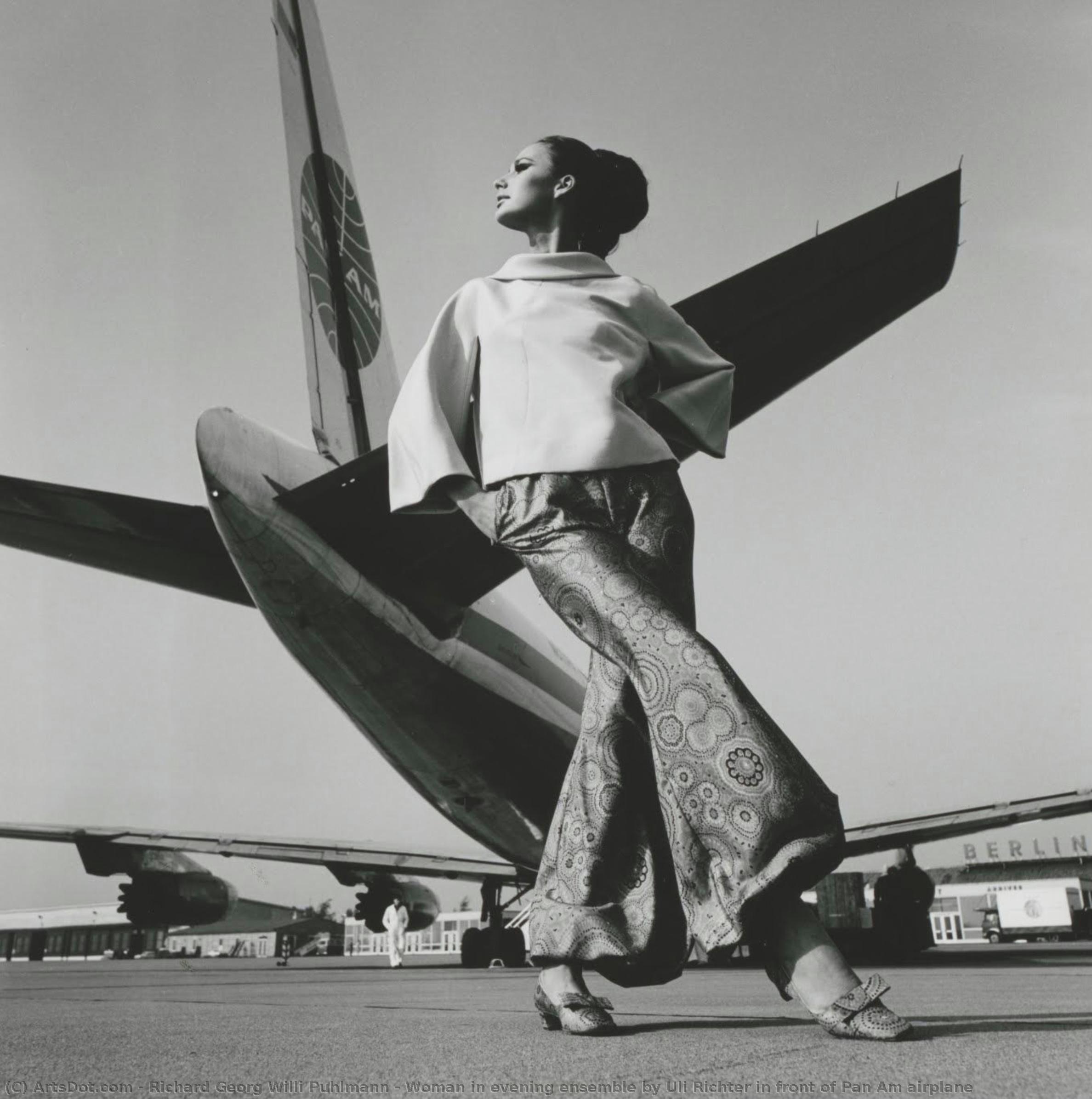
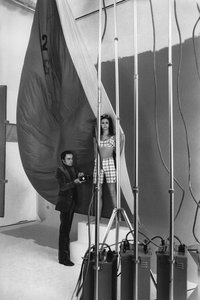
Woman in evening ensemble by Uli Richter in front of Pan Am airplane
 1966
1966 23.0 x 24.0 cm
 Pročitaj više
Giclee štampa / Umetnički otisak
Giclée štampa ili print na platnu muzejskog kvaliteta uz brzu proizvodnju i fleksibilne opcije završne obrade. ( Kupi ručno naslikanu sliku Kupi digitalnu sliku)




































Izaberite jednu od naših unapred definisanih veličina koje odgovaraju originalnim proporcijama umetničkog dela.

Možete uneti sopstvene dimenzije kako biste umetničko delo prilagodili specifičnom okviru ili prostoru. Ako odabrani format ne odgovara proporcijama originalne slike, mi ćemo ili iscrtati deo dela ili proširiti sliku pomoću ogledane ivice ili jednobojnog popunjavanja. Digitalni prikaz će vam biti poslat na odobrenje pre početka proizvodnje.
Imajte na umu da pregled na ekranu ne odražava stvarno iscrtavanje ili proširivanje. Samo će prikaz (mockup) precizno pokazati finalnu kompoziciju.
Iako su prilagođene dimenzije dostupne, preporučujemo da odaberete dimenziju sa unapred definisane liste kako biste očuvali originalne proporcije.
Dostava širom sveta () za 2 nedelje umesto uobičajenih 4/5 nedelja. (24 август)

Besplatna ekspresna dostava širom sveta

Visokokvalitetno laneno platno

Kompletno osiguranje transporta

Garancija povraćaja carine i uvoznih dažbina

Garancija vernosti boja

Politika povrata u roku od 60 dana (samo u slučaju nedostataka)

Garancija povrata novca od 100%

Popust pri grupnoj kupovini
 Opcija sa staklom dostupna je samo za dimenzije manje od 110 cm

Woman in evening ensemble by Uli Richter in front of Pan Am airplane
Giclee štampa / Umetnički otisak
Dimenzije reprodukcije
-


Konačna cena
$ 62
Srodna umetnička dela







Biografija umetnika
The Visionary Lens of Rico Puhlmann
Born in the transformative atmosphere of Berlin in 1934, Richard Georg Willi Puhlmann—known to the world by his evocative moniker, Rico Puhlmann—emerged as a defining voice in the golden age of fashion photography. His journey into the visual arts began not with a camera, but through the dramatic lens of performance; as a child actor appearing in Front Theatre in 1942, he developed an early, profound understanding of narrative and presence. This foundational connection to storytelling would later become the heartbeat of his photographic work, allowing him to transform static fashion plates into cinematic moments of profound emotion and grace.
Puhlmann’s formal artistic evolution took shape at the Berlin University of the Arts between 1951 and 1955. During these formative years, he immersed himself in the disciplines of fashion illustration and art history, honing a meticulous eye for line, form, and composition. Before he became a master of light and shadow, he was a celebrated graphic designer, contributing his illustrative talents to prominent European publications such as Constanze, Burda, and Vogue Paris. This period of graphic experimentation proved vital, as it instilled in him a sophisticated grasp of negative space and structural balance that would later distinguish his photographic compositions from the mere documentation of clothing.
A Master of Light and Surrealism
As Puhlmann transitioned from illustration to photography, his style blossomed into a unique synthesis of German Expressionism and the high-glamour aesthetic of French Vogue. His work was never merely about the garment; it was about the atmosphere surrounding it. He possessed an uncanny ability to blend stark realism with dreamlike, almost surrealist imagery, utilizing dramatic lighting to sculpt his subjects. By embracing unconventional compositions and a masterful use of shadow, he elevated fashion photography into a fine art form that captured the psychological depth of his models.
His career reached new heights of international prestige following his move to New York in 1970. In the bustling heart of the global fashion capital, Puhlmann became a permanent fixture in the pages of the world's most influential magazines, including:
- Harper’s Bazaar
- Glamour
- GQ
- The New York Times
- Vogue
Through these platforms, he shaped the visual language of several decades. His lens captured the essence of icons such as Isabella Rossellini, Cindy Crawford, Naomi Campbell, and Cheryl Tiegs, imbuing their portraits with a sense of timeless sophistication. Beyond editorial work, his influence extended into the realm of high-end advertising, where he directed legendary campaigns for prestigious fashion houses such as Fendi, Emanuel Ungaro, Calvin Klein, and Donna Karan.
Legacy and Eternal Elegance
The historical significance of Rico Puhlmann lies in his ability to bridge the gap between the commercial and the avant-garde. He did not simply photograph trends; he documented the cultural shifts of the mid-to-late 20th century, capturing the transition from the structured elegance of the post-war era to the bold, pop-art influences of the 1960s and beyond. His work remains a vital archive of fashion history, reflecting the changing silhouettes, textures, and social energies of his time.
Tragically, Puhlmann’s life was cut short in 1996 when he perished in a plane crash while en route to Paris on assignment. Yet, his artistic spirit remains undiminished. Through the preservation of his extensive archive, his vision continues to inspire new generations of photographers and historians alike. His legacy is one of unparalleled beauty—a testament to a man who saw the world not just as it was, but as a canvas for the extraordinary.
richard georg willi puhlmann
1934 - 1996 , Germany
Osnovne informacije
- Artistic Movement Or Style: Fashion photography
- Artists Or Movements Influenced By This Artist: ['Fashion Illustration']
- Artists Who Influenced This Artist:
- German Expressionism
- French Vogue
- American Harper's Bazaar
- Date Of Birth: June 25, 1934
- Date Of Death: July 17, 1996
- Full Name: Richard Georg Willi Puhlmann
- Nationality: German
- Notable Artworks:
- Autumn ensemble - exhibition graphic
- Shot of uli richter men’s fashion for the magazine Constanze Mode
- Ensemble with kimono-styled jacket - exhibition graphic
- Place Of Birth: Berlin, Germany

