

 Pregledaj u prostoru
 Pošalji
 Podeli
 Detalji o delu

 Преузми
 Slični predmeti
 Rendgenski snimak
 Slajdovi
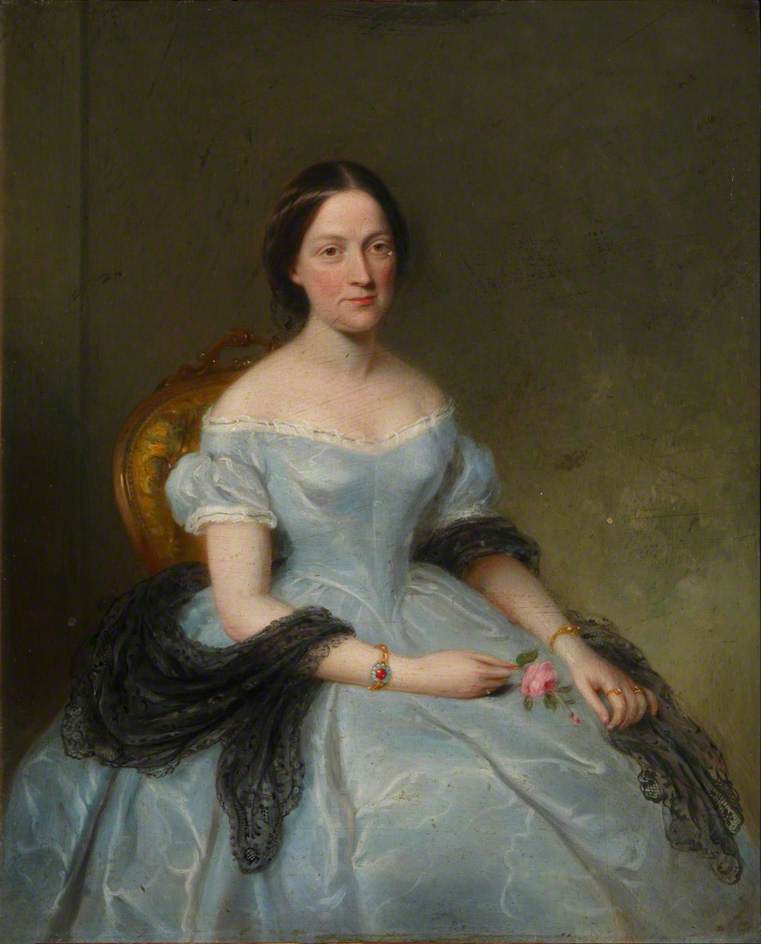
Mary Wollstonecraft Shelley (1797–1851)
 1843
1843 30.0 x 24.0 cm
 Bodleian Libraries
 Pročitaj više
Ručno rađena uljana reprodukcija
Ručno oslikano uljanim bojama na platnu u dimenzijama i okviru po vašem izboru, izrađeno po porudžbini od strane naših umetnika. ( Kupi print Kupi digitalnu sliku)




































Izaberite jednu od naših unapred definisanih veličina koje odgovaraju originalnim proporcijama umetničkog dela.

Можете унети сопствене димензије како бисте прилагодили дело одређеном оквиру или простору. Ако одабрана величина не одговара пропорцијама оригинала, слика ће бити исечена или проширена додатним елементима који се ручно насликавају. Дигитални prikaz ће вам бити послат на одобрење пре почетка производње.
Имајте на уму да преглед на екрану не одражава стварно исецање или проширење. Само приказ (mockup) ће тачно приказати коначну композицију.
Иако су доступне прилагођене величине, препоручујемо да одаберете димензију из дефинисане листе како бисте сачували оригиналне пропорције.
Nakon narudžbine, tim ArtsDot.com će klijentu putem e-pošte poslati uputstva i dostaviti prikaz predloženog rešenja
Isporuka širom sveta () za 3/4 nedelje umesto uobičajenih 5 nedelja. (6 септембар). Bez kompromisa po pitanju kvaliteta.

Besplatna ekspresna dostava širom sveta

Visokokvalitetno laneno platno

Kompletno osiguranje transporta

Garancija povraćaja carine i uvoznih dažbina

Garancija vernosti boja

Politika povrata u roku od 100 dana (samo u slučaju nedostataka)

Garancija povrata novca od 100%

Popust pri grupnoj kupovini
 Opcija sa staklom dostupna je samo za dimenzije manje od 110 cm

Mary Wollstonecraft Shelley (1797–1851)
Tehnika reprodukcije
Dimenzije reprodukcije
-


Konačna cena
$ 263
Srodna umetnička dela








Biografija umetnika
The Soul of the Portrait: The Life and Legacy of Richard Rothwell
In the grand tapestry of nineteenth-century art, few threads are as intricately woven with both classical elegance and Romantic emotion as those left by Richard Rothwell. Born in Dublin on November 20, 1800, Rothwell emerged from a background of relative comfort to become a painter whose brush captured not just the likeness of his subjects, but their very essence. His journey was one of constant movement and profound artistic evolution, stretching from the academic halls of Ireland to the vibrant studios of London and the sun-drenched landscapes of Italy. As an artist working during the height of the Romantic era, Rothwell possessed a rare sensitivity to the human form, allowing him to navigate the delicate balance between meticulous realism and the evocative power of light and shadow.
The foundations of his mastery were laid in the Dublin Society's school of art, where he studied with rigorous discipline from 1814 until 1820. It was here that his burgeoning talent first earned formal recognition, marked by the achievement of a silver medal—a precursor to the international acclaim that would follow. His early years were defined by this disciplined training, yet his spirit was always drawn toward larger horizons. By 1829, Rothwell had migrated to London, where he entered the studio of the legendary Sir Thomas Lawrence. This period served as a transformative apprenticeship; under Lawrence’s mentorship, Rothwell absorbed the sophisticated techniques of high-society portraiture, learning how to imbue a canvas with dignity, status, and a certain luminous grace that would become hallmarks of his own style.
A Journey Through Light and Landscape
The death of Sir Thomas Lawrence in 1830 presented Rothwell with both a profound challenge and a monumental opportunity. Tasked with completing many of his master's unfinished works, Rothwell found himself momentarily positioned as a successor to one of Britain’s most celebrated portraitists. During the years between 1829 and 1831, he reached the zenith of his professional influence. However, rather than resting upon the laurels of portraiture alone, Rothwell sought a deeper connection to the roots of classical art. This ambition led him on an extensive tour of Italy from 1831 to 1834, a pilgrimage intended to study the masters and refine his ability to compose grand history paintings.
This Italian sojourn infused his work with a new dimension of light and atmosphere. While he remained a specialist in portraiture, his encounters with the Italian landscape tradition introduced a sense of veduta and classical grandeur to his oeuvre. His portraits from this era often reflect a more profound, contemplative depth, moving beyond mere social documentation toward something more poetic. Even as his popularity fluctuated following his return to London, Rothwell’s technical prowess remained undiminished. Whether capturing the delicate features of Miss Knowles in 1850 or the rugged, youthful innocence of The Little Roamer in 1843, his ability to manipulate oil on canvas allowed him to communicate a wide spectrum of human experience.
Final Years and Enduring Significance
The later years of Rothwell’s life were as geographically diverse as his early career, with his work finding audiences in the United States, Ireland, and across Europe. Despite the shifting tides of art movements—from the structured elegance of his training to the more emotive textures of the mid-century—Rothwell remained steadfast in his commitment to craftsmanship. His personal life was marked by stability amidst his travels, notably through his marriage to Rosa Marshall in 1842, yet his professional life remained a restless pursuit of beauty.
The end of his journey came far from his Dublin birthplace. In 1868, while working in Rome—the very city that had once inspired his artistic expansion—Rothwell contracted a fever that claimed his life. He was laid to rest in the Protestant Cemetery in Rome, a fitting final resting place for an artist whose soul was so deeply connected to the classical traditions of the Mediterranean. Today, Richard Rothwell is remembered not merely as an assistant to a master, but as a significant figure in nineteenth-century art whose works continue to resonate with their:
- Meticulous craftsmanship and attention to anatomical detail;
- Romantic sensibility that captured the psychological depth of his sitters;
- Versatile mastery of both the intimate portrait and the expansive, light-filled landscape.
richard rothwell
1800 - 1868
Osnovne informacije
- Artistic Movement Or Style: Portrait painting; Luminism
- Artists Or Movements Influenced By This Artist: ['Hudson River School']
- Artists Who Influenced This Artist: ['Thomas Lawrence']
- Date Of Death: 1868
- Full Name: Richard Rothwell
- Nationality: Irish
- Notable Artworks:
- The Little Roamer
- William Huskisson
- Place Of Birth: Dublin, Ireland