

 Pregledaj u prostoru
 Pošalji
 Podeli
 Detalji o delu

 Преузми
 Slični predmeti
 Rendgenski snimak
 Slajdovi
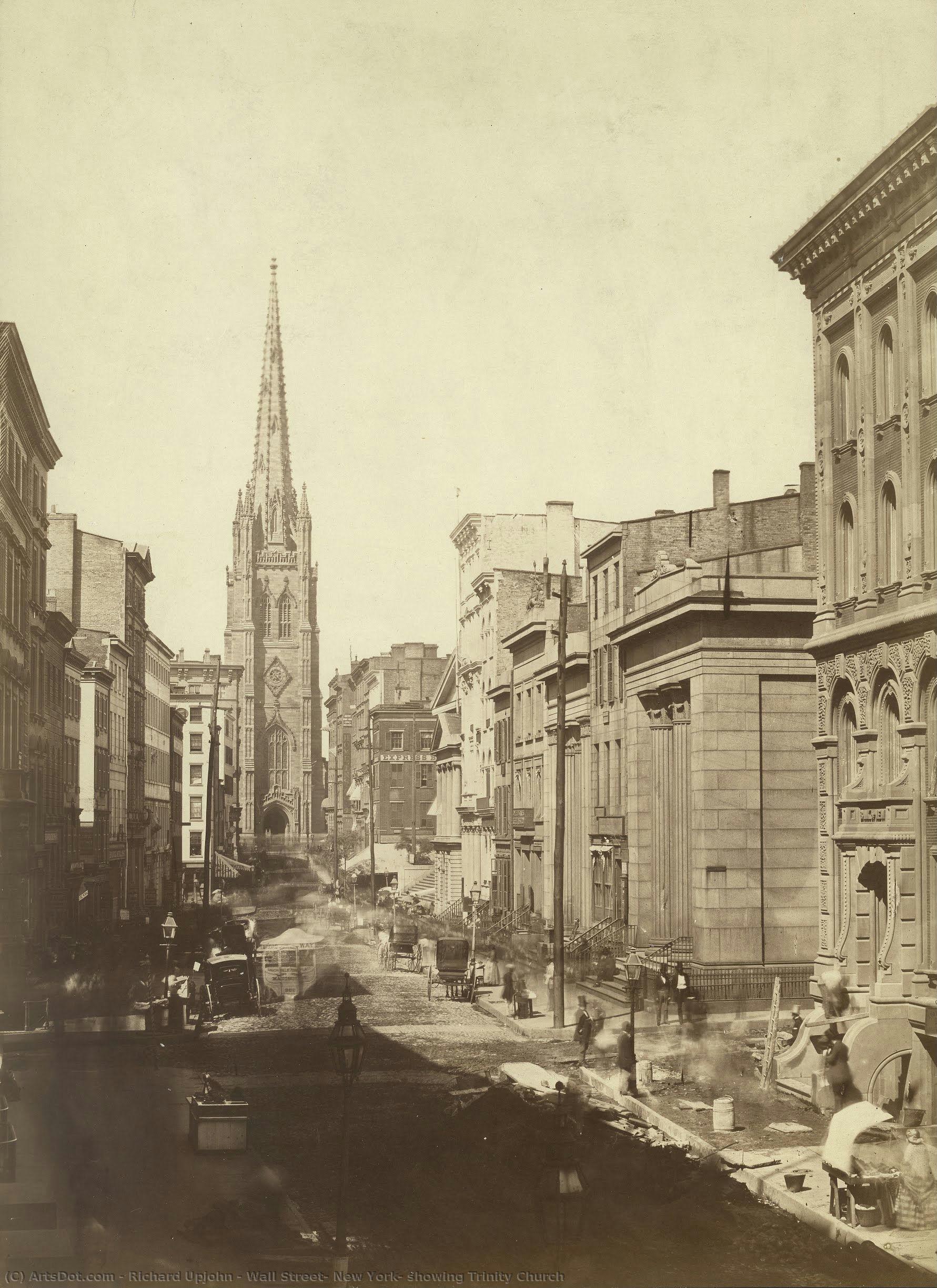
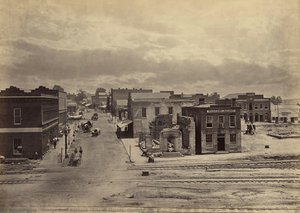
Wall Street, New York, showing Trinity Church


 Pročitaj više
Ručno rađena uljana reprodukcija
Ručno oslikano uljanim bojama na platnu u dimenzijama i okviru po vašem izboru, izrađeno po porudžbini od strane naših umetnika. ( Kupi print Kupi digitalnu sliku)




P118B $10

P118H $10

P118W $10

P438Z $10

P508JH $12

P508YH $12

P805H $10

P805Z $10

P919BZ $10

P919G $10

P919XJ $10

P959ZH $10

P968JZ $12

W106C $8

W218G $10

W218JH $8

W218Y $10

W307PJ $10

W316G $10

W316PJ $8

W316Y $10

W398PJ $8

W4111J $10

W500HY $15

W500JH $15

W692G $12

W849H $8

W940BG $15

W953PJ $8




Izaberite jednu od naših unapred definisanih veličina koje odgovaraju originalnim proporcijama umetničkog dela.

Можете унети сопствене димензије како бисте прилагодили дело одређеном оквиру или простору. Ако одабрана величина не одговара пропорцијама оригинала, слика ће бити исечена или проширена додатним елементима који се ручно насликавају. Дигитални prikaz ће вам бити послат на одобрење пре почетка производње.
Имајте на уму да преглед на екрану не одражава стварно исецање или проширење. Само приказ (mockup) ће тачно приказати коначну композицију.
Иако су доступне прилагођене величине, препоручујемо да одаберете димензију из дефинисане листе како бисте сачували оригиналне пропорције.
Nakon narudžbine, tim ArtsDot.com će klijentu putem e-pošte poslati uputstva i dostaviti prikaz predloženog rešenja
Isporuka širom sveta () za 3/4 nedelje umesto uobičajenih 5 nedelja. (24 август). Bez kompromisa po pitanju kvaliteta.

Besplatna ekspresna dostava širom sveta

Visokokvalitetno laneno platno

Kompletno osiguranje transporta

Garancija povraćaja carine i uvoznih dažbina

Garancija vernosti boja

Politika povrata u roku od 60 dana (samo u slučaju nedostataka)

Garancija povrata novca od 100%

Popust pri grupnoj kupovini
 Opcija sa staklom dostupna je samo za dimenzije manje od 110 cm

Wall Street, New York, showing Trinity Church
Tehnika reprodukcije
Dimenzije reprodukcije
-


Konačna cena
$ 263
Opis umetničkog dela
Richard Upjohn: Architect of Gothic Grace and American Vision
Richard Upjohn (1802-1878) stands as a pivotal figure in Victorian British architecture, particularly renowned for his unwavering dedication to the Gothic Revival movement and his instrumental role in establishing Italianate style’s prominence across America. Born in Shaftesbury, England, Upjohn's artistic journey began humbly – apprenticed to a cabinetmaker – yet swiftly ascended to become one of the era’s most celebrated builders, shaping landscapes both spiritual and civic with enduring beauty. His legacy extends beyond mere construction; he championed an aesthetic rooted in reverence for tradition and a profound understanding of spatial harmony.Early Life and Architectural Training
Upjohn’s formative years instilled within him a deep appreciation for craftsmanship and meticulous design. Unlike many architects of his time who pursued formal academic training, Upjohn honed his skills through practical experience, absorbing the principles of Gothic architecture from influential mentors like George Gilbert Scott. This hands-on approach proved invaluable as he embarked on a career that would redefine American ecclesiastical spaces. He meticulously studied the soaring arches, ribbed vaults, and stained glass windows of European cathedrals—elements he skillfully translated into monumental structures reflecting the moral values of his time.The Gothic Revival in America
Upjohn’s arrival in New York City marked the beginning of a transformative period for American architecture. Recognizing the need for buildings that embodied grandeur and spiritual aspiration, he spearheaded the revival of Gothic style, adapting its forms to suit the climate and sensibilities of the burgeoning nation. His designs prioritized verticality—a deliberate gesture toward heaven—and incorporated intricate ornamentation inspired by medieval churches. The Trinity Church project exemplifies this vision perfectly: a testament to Victorian faith and architectural innovation that continues to inspire awe today.Trinity Church: A Masterpiece of Gothic Revival
The Trinity Church on Wall Street, completed in 1846, remains arguably Upjohn’s most iconic achievement. Situated at the heart of New York City's financial district, it stands as a symbol of resilience and enduring faith amidst the bustle of urban life. Upjohn skillfully utilized limestone—a material chosen for its durability and visual richness—to create a cathedral-like interior bathed in natural light filtered through magnificent stained glass windows depicting biblical scenes. The soaring nave and ribbed vaulting evoke a sense of solemn grandeur, reflecting the spiritual aspirations of the Victorian era. Furthermore, the church’s sculptural program—featuring figures representing Christ, Mary Magdalene, and Saint Luke—adds layers of symbolic meaning to its architectural form.Beyond Architecture: Shaping American Identity
Richard Upjohn's influence extended far beyond his buildings; he was a founding member of the American Institute of Architects (AIA), establishing it in 1857 as a beacon for promoting excellence and fostering collaboration within the profession. He championed the importance of education and professional standards, shaping the trajectory of American architectural practice for generations to come. His commitment to preserving historic buildings and advocating for thoughtful urban planning cemented his place as one of the foremost voices on matters of civic responsibility—a legacy that continues to resonate in contemporary discussions about architecture’s role in shaping our cultural landscape.Srodna umetnička dela






Biografija umetnika
The Architect of Gothic Grace and American Vision
Richard Upjohn stands as a pivotal figure in the architectural tapestry of the nineteenth century, a man whose vision bridged the gap between the ancient traditions of Britain and the burgeoning spirit of America. Born in 1802 in the quiet town of Shaftesbury, England, Upjohn’s journey into the world of design did not begin in the hallowed halls of an academy, but rather through the tactile, hands-on discipline of a cabinetmaker's apprentice. This early immersion in the fine details of woodwork and craftsmanship instilled in him a profound respect for material and ornament that would later define his monumental stone structures. As he transitioned from a master-mechanic to a celebrated architect, Upjohn carried with him an innate understanding of how structural integrity and aesthetic beauty must dance in perfect harmony.
The migration of the Upjohn family to the United States in 1829 marked a transformative chapter for both the man and the American landscape. Settling initially in Massachusetts before finding his true professional home in New York City, Upjohn arrived at a moment when the young nation was searching for an architectural identity that could convey permanence, piety, and grandeur. Drawing inspiration from the masters of the English Gothic Revival, such as George Gilbert Scott, he began to translate the soaring verticality and intricate ribbed vaults of European cathedlam into a uniquely American vernacular. His work became a vessel for spiritual aspiration, utilizing pointed arches and stained glass to draw the eye—and the soul—upward toward the heavens.
A Legacy Carved in Stone and Spirit
The zenith of Upjohn’s career is perhaps best embodied by the breathtaking Trinity Church on Wall Street. Completed in 1846, this masterpiece serves as a triumphant testament to his ability to marry technical engineering with profound theological symbolism. The church, with its commanding presence and intricate ornamentation, became an enduring icon of New York City, representing a triumph of the Gothic Revival movement. Beyond the grand cathedrals, Upjohn’s influence permeated even the most remote corners of the American frontier. Through his influential publication, "Upjohn's rural architecture," he provided working drawings and specifications that allowed for the construction of beautiful wooden churches across the countryside, ensuring that his aesthetic of grace and reverence could flourish far beyond the urban centers.
His contributions to the profession were not limited to the drafting table; Upjohn was a foundational pillar of the architectural community itself. His leadership and commitment to professional standards led to several monumental achievements:
- Co-founding the American Institute of Architects (AIA): In 1857, Upjohn stood alongside thirteen other architects to establish this vital organization, shaping the future of architectural practice in the United States.
- First President of the AIA: Serving as the inaugural president from 1857 to 1876, he provided the steady hand necessary to guide the profession through a period of rapid national growth.
- Popularization of the Italianate Style: While famed for his Gothic churches, Upjohn was also instrumental in introducing and refining the Italianate style, adding a layer of classical elegance to American civic and residential design.
As we look upon the enduring skylines and sacred spaces shaped by his hand, Richard Upjohn remains more than just an architect; he was a visionary who understood that buildings are the silent narrators of a culture's values. His ability to blend the rugged practicality of his early training with the ethereal beauty of Gothic design left an indelible mark on the American identity, creating a legacy of stone and spirit that continues to inspire awe more than a century after his passing.
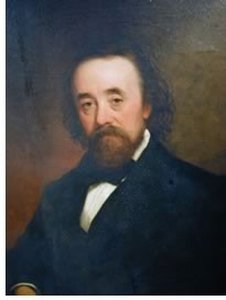
Richard Upjohn
1802 - 1878 , United Kingdom
Osnovne informacije
- Artistic Movement Or Style: Gothic Revival & Italianate
- Artists Or Movements Influenced By This Artist: ['Italianate Architecture']
- Artists Who Influenced This Artist: ['']
- Date Of Birth: January 22, 1802
- Date Of Death: August 16, 1878
- Full Name: Richard Upjohn
- Nationality: British
- Notable Artworks:
- Trinity Church
- St. Patrick's Cathedral
- Christ Church
- Place Of Birth: Shaftesbury, United Kingdom
Povezani članci
Povratak freske: Zidne slike kao novi luksuzni izraz u savremenoj arhitekturi i dizajnu
Otkrijte luksuz zidnih slika i fresaka za savršen enterijer! Ekskluzivni dizajn, stručni umetnici & kvalitetna izrada. Inspiracija i rešenja za hotele i privatne prostore.
Iza Zida Galerija: Uspon Savremene Ulične Umjetnosti i Njezina Utjecaj na Kolekcionare
Otkrijte uspon savremene ulične umetnosti i njen uticaj na kolekcionare! Istražite galeriju Iza Zida, Beogradsku scenu grafita i savete za uspešno investiranje. Ekskluzivni uvid u tržište i budućnost ove dinamične forme umetnosti.

Documentary Photography's Defining Moments: 10 Masterpieces for Your Home |
Explore 10 defining documentary photography masterpieces – from Dorothea Lange to Robert Capa. Discover powerful stories, iconic images & timeless art for your home. Museum-quality prints at .
Transforming Spaces: A Comprehensive Exploration of Wall Decor Through Art History & Contemporary Practice
Explore the art of transforming spaces with our comprehensive guide to wall decor. From historical movements to contemporary trends, discover how to curate impactful interiors and commission bespoke artwork for a truly personalized aesthetic.
Beyond Graffiti: Exploring the Evolution & Cultural Impact of Street Art for Collectors
Explore the evolution of street art from rebellious origins to a respected fine art form. Discover key artists like Banksy & learn how to collect urban art with confidence. Expert insights for discerning investors.

