

 Pregledaj u prostoru
 Pošalji
 Podeli
 Detalji o delu

 Преузми
 Slični predmeti
 Rendgenski snimak
 Slajdovi
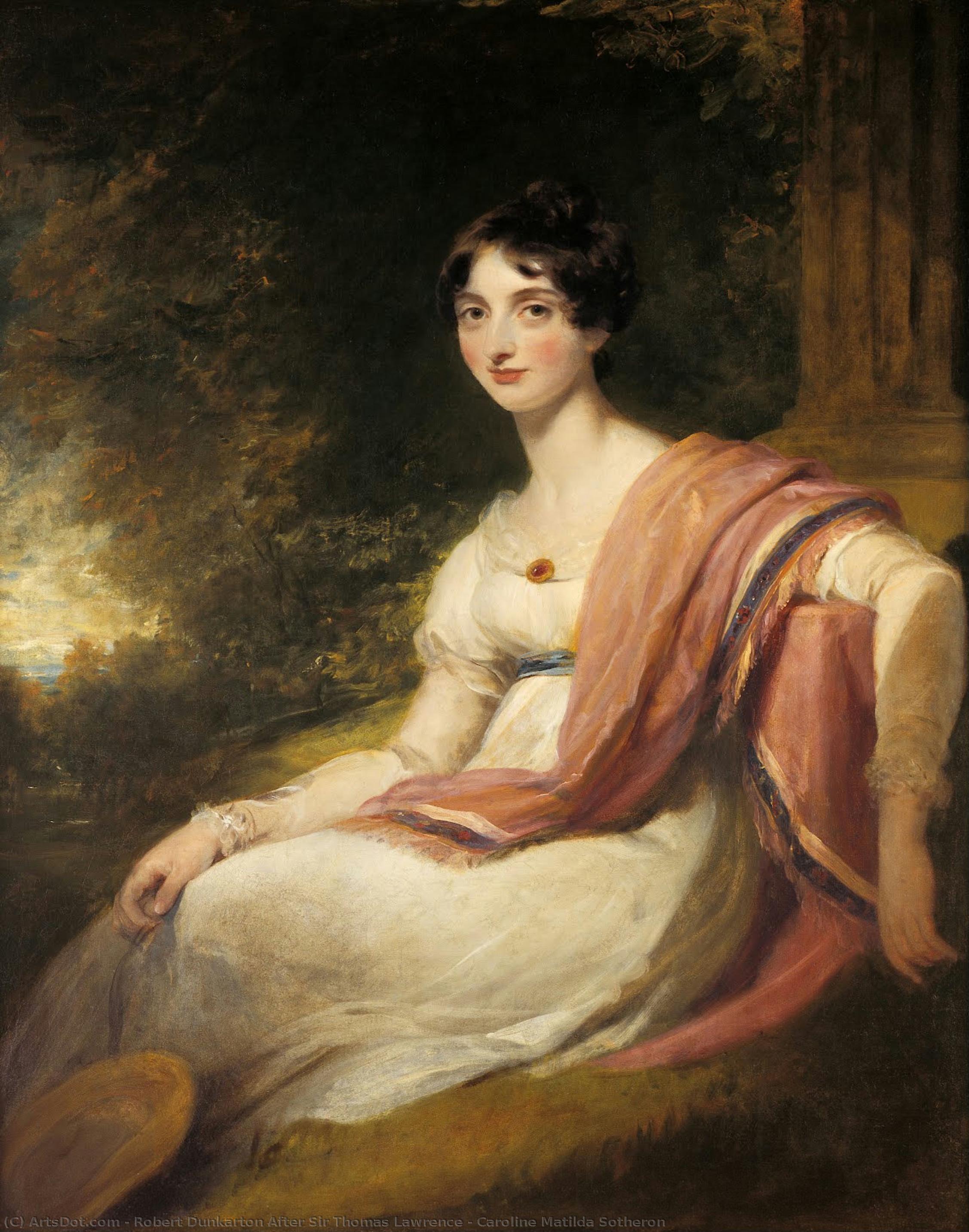
Caroline Matilda Sotheron
 Regency Portraiture
 1808
1808- 19th Century
 101.0 x 126.0 cm
 Art Gallery of South Australia
 Pročitaj više
Ručno rađena uljana reprodukcija
Ručno oslikano uljanim bojama na platnu u dimenzijama i okviru po vašem izboru, izrađeno po porudžbini od strane naših umetnika. ( Kupi print Kupi digitalnu sliku)




P118B $10

P118H $10

P118W $10

P438Z $10

P508JH $12

P508YH $12

P805H $10

P805Z $10

P919BZ $10

P919G $10

P919XJ $10

P959ZH $10

P968JZ $12

W106C $8

W218G $10

W218JH $8

W218Y $10

W307PJ $10

W316G $10

W316PJ $8

W316Y $10

W398PJ $8

W4111J $10

W500HY $15

W500JH $15

W692G $12

W849H $8

W940BG $15

W953PJ $8




Izaberite jednu od naših unapred definisanih veličina koje odgovaraju originalnim proporcijama umetničkog dela.

Можете унети сопствене димензије како бисте прилагодили дело одређеном оквиру или простору. Ако одабрана величина не одговара пропорцијама оригинала, слика ће бити исечена или проширена додатним елементима који се ручно насликавају. Дигитални prikaz ће вам бити послат на одобрење пре почетка производње.
Имајте на уму да преглед на екрану не одражава стварно исецање или проширење. Само приказ (mockup) ће тачно приказати коначну композицију.
Иако су доступне прилагођене величине, препоручујемо да одаберете димензију из дефинисане листе како бисте сачували оригиналне пропорције.
Nakon narudžbine, tim ArtsDot.com će klijentu putem e-pošte poslati uputstva i dostaviti prikaz predloženog rešenja
Isporuka širom sveta () za 3/4 nedelje umesto uobičajenih 5 nedelja. (29 август). Bez kompromisa po pitanju kvaliteta.

Besplatna ekspresna dostava širom sveta

Visokokvalitetno laneno platno

Kompletno osiguranje transporta

Garancija povraćaja carine i uvoznih dažbina

Garancija vernosti boja

Politika povrata u roku od 60 dana (samo u slučaju nedostataka)

Garancija povrata novca od 100%

Popust pri grupnoj kupovini
 Opcija sa staklom dostupna je samo za dimenzije manje od 110 cm

Caroline Matilda Sotheron
Tehnika reprodukcije
Dimenzije reprodukcije
-


Konačna cena
$ 263
A Glimpse into Regency Elegance
In the delicate portrait of Caroline Matilda Sotheron, we are transported back to the refined atmosphere of 1808, an era defined by the grace and social poise of the British Regency. This captivating work, executed by Robert Dunkarton after the celebrated style of Sir Thomas Lawrence, serves as more than a mere likeness; it is a window into a vanished world of aristocratic leisure and quiet introspection. The subject sits amidst a naturalistic setting, her form framed by the soft textures of grass and foliage, suggesting an intimate moment captured during a stroll through a manicured estate. A pink scarf rests gently around her neck, providing a subtle splash of warmth that complements the verdant backdrop, while her pensive gaze drifts toward an unseen horizon, inviting the viewer to wonder about the thoughts occupying her mind.
The composition is masterfully layered, offering a sense of depth that extends beyond the central figure. The presence of secondary figures in the periphery and the curious inclusion of a tennis racket on the ground hint at a larger narrative of social engagement and the leisurely pursuits of the upper class. This interplay between the solitary, contemplative subject and the remnants of active recreation creates a beautiful tension between stillness and movement, making the piece an engaging focal point for any collection.
Mastery of Light and Mezzotint Tradition
The technical brilliance of this work lies in its connection to the mezzotint tradition, a medium in which Dunkarton excelled. While the original inspiration stems from the fluid, painterly brushwork of Sir Thomas Lawrence, Dunkarton’s approach emphasizes the rich, velvety textures and tonal gradations that define high-quality portraiture. The play of light across Caroline Matilda’s skin and the soft folds of her attire demonstrates a profound understanding of chiaroscuro, creating a luminous quality that breathes life into the canvas. Every shadow is deliberate, every highlight carefully placed to guide the eye through the lush landscape of the painting.
For the discerning collector or interior designer, this reproduction offers an exquisite opportunity to introduce a sense of historical weight and classical beauty into a contemporary space. The artwork’s ability to evoke nostalgia while maintaining a timeless aesthetic makes it a versatile choice for sophisticated decor. Whether placed in a formal study, a grand hallway, or a curated gallery wall, the portrait commands attention through its subtle complexity and the masterful rendering of light and shadow.
An Emotional Resonance for Modern Interiors
Beyond its historical significance, Caroline Matilda Sotheron possesses an emotional depth that resonates with the modern viewer. There is a profound sense of tranquility and melancholy within her expression—a quiet dignity that transcends the centuries. This emotional resonance allows the piece to act as a grounding element in interior design, providing a sense of calm and intellectual stimulation. It is not merely a decorative object but a conversation piece that invites contemplation and storytelling.
Investing in such a high-quality reproduction means bringing a fragment of art history into the home. The meticulous attention to detail in the textures of the landscape and the delicate features of the subject ensures that the painting retains its impact, offering an enduring sense of luxury and cultured refinement. It is an ideal selection for those who seek to surround themselves with art that possesses both a storied past and a lasting, evocative presence.
Srodna umetnička dela
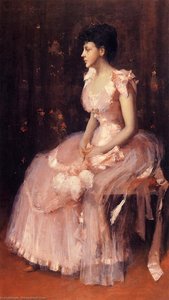
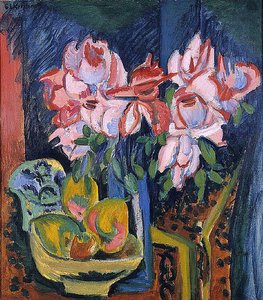
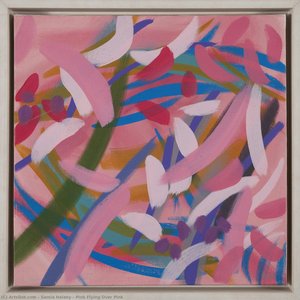
Biografija umetnika
Robert Dunkarton: A Mezzotint Master of Regency Portraiture
Born in London in 1744, Robert Dunkarton emerged as a significant figure within the bustling artistic landscape of 18th-century England, primarily recognized for his skill as a mezzotint engraver. His career, spanning nearly half a century until his death in 1811, was marked by a dedication to capturing the elegance and social standing of his era through meticulously rendered portraits. Dunkarton’s work wasn't simply about replicating likeness; he possessed an innate ability to imbue his subjects with personality and a sense of timelessness, solidifying his place as a respected artist within the London art scene.Early Influences and Artistic Development
Dunkarton’s artistic journey was undoubtedly shaped by the prevailing trends of the time, particularly the influence of Sir Thomas Lawrence, whose portrait style became immensely popular during the Regency period. Lawrence's emphasis on capturing a naturalistic yet refined appearance – a blend of formality and relaxed charm – resonated deeply with Dunkarton. However, Dunkarton’s talent wasn’t merely imitation; he developed his own distinct approach, refining the mezzotint technique to achieve remarkable tonal depth and subtle gradations in shading. Mezzotint, a process involving roughening a metal plate with ink, allowed for incredibly rich blacks and velvety textures – qualities that Dunkarton expertly exploited to create portraits of exceptional realism and atmosphere. His early works demonstrate a clear apprenticeship to Lawrence’s style, but quickly evolved into something uniquely his own.Notable Works and Techniques
Dunkarton's most celebrated commissions often involved recreating existing paintings, notably Sir Thomas Lawrence’s portrait of Mary Horneck. This undertaking showcased Dunkarton’s technical prowess and his ability to translate the spirit of a painting into a new medium. The resulting mezzotints were not mere copies; they possessed a captivating immediacy, capturing the subject's character with remarkable fidelity. Beyond recreations, Dunkarton produced numerous original portraits, often depicting members of the aristocracy and gentry. His meticulous attention to detail extended beyond the likeness itself, encompassing elaborate costumes, carefully arranged accessories, and subtle expressions that revealed the inner lives of his subjects. A particularly compelling example is “The Son of Countess Meerveldt,” a 1819 pencil drawing demonstrating his mastery of classical portraiture and an appreciation for understated elegance.Historical Context and Artistic Significance
Robert Dunkarton’s work provides a valuable window into the social and cultural dynamics of Regency England. His portraits document the fashion, customs, and aspirations of the upper classes during a period of significant change and artistic innovation. The popularity of portraiture itself reflected a growing emphasis on individual identity and social status – a trend fueled by the rise of the middle class and the increasing importance of visual representation in shaping public perception. Dunkarton’s mezzotints are not simply beautiful artworks; they are historical documents, offering insights into the lives and times of those who commissioned them.Legacy and Continuing Appreciation
Though perhaps less widely celebrated than some of his contemporaries, Robert Dunkarton's contribution to British art is undeniable. His skillful use of mezzotint, combined with a keen eye for detail and an understanding of human character, produced portraits that continue to be admired today. ArtsDot’s reproductions offer viewers the opportunity to experience the beauty and sophistication of Dunkarton’s work firsthand, preserving his legacy as a master portrait engraver of the Regency era. His ability to capture both the outward appearance and inner essence of his subjects ensures that his art remains relevant and engaging for audiences across generations.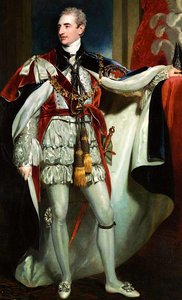
robert dunkarton after sir thomas lawrence
1744 - 1811 , United Kingdom
Osnovne informacije
- Artistic Movement Or Style: Mezzotint engraving
- Artists Who Influenced This Artist: ['Sir Thomas Lawrence']
- Date Of Birth: 1744
- Date Of Death: 1811
- Full Name: Robert Dunkarton
- Nationality: English
- Notable Artworks:
- The Son of Countess Meerveldt
- Mary Horneck's portrait
- Place Of Birth: London, UK
Povezani članci
Blush & Brilliance: 10 Iconic Paintings Dominated by Light Pink Tones |
Explore 10 iconic paintings bathed in captivating light pink tones! From Monet's Impressionism to Renoir’s romance, discover the stories behind these blush-hued masterpieces. Find museum-quality art reproductions & decor inspiration at .
Richard Cosway: Capturing Regency Elegance & Intimacy Through Portraiture
Explore the captivating world of Richard Cosway, Regency society's celebrated portrait miniaturist. Discover his exquisite art, aristocratic patrons & lasting legacy with ArtsDot.
Sir Thomas Lawrence: Portraiture, Power & Regency Society's Aesthetics
Explore the captivating world of Sir Thomas Lawrence, Regency England's premier portraitist. Discover his artistic techniques, powerful representations of society, and enduring legacy. Expert insights for discerning art collectors.
Blanched Almond Hues: 10 Masterpieces & Timeless Art Decor Ideas
Explore 10 famous paintings bathed in 'blanched almond' tones – from Monet to Rembrandt. Discover the stories, techniques & serene beauty of these masterpieces. Find museum-quality art reproductions and curated decor ideas at ArtsDot.com.

